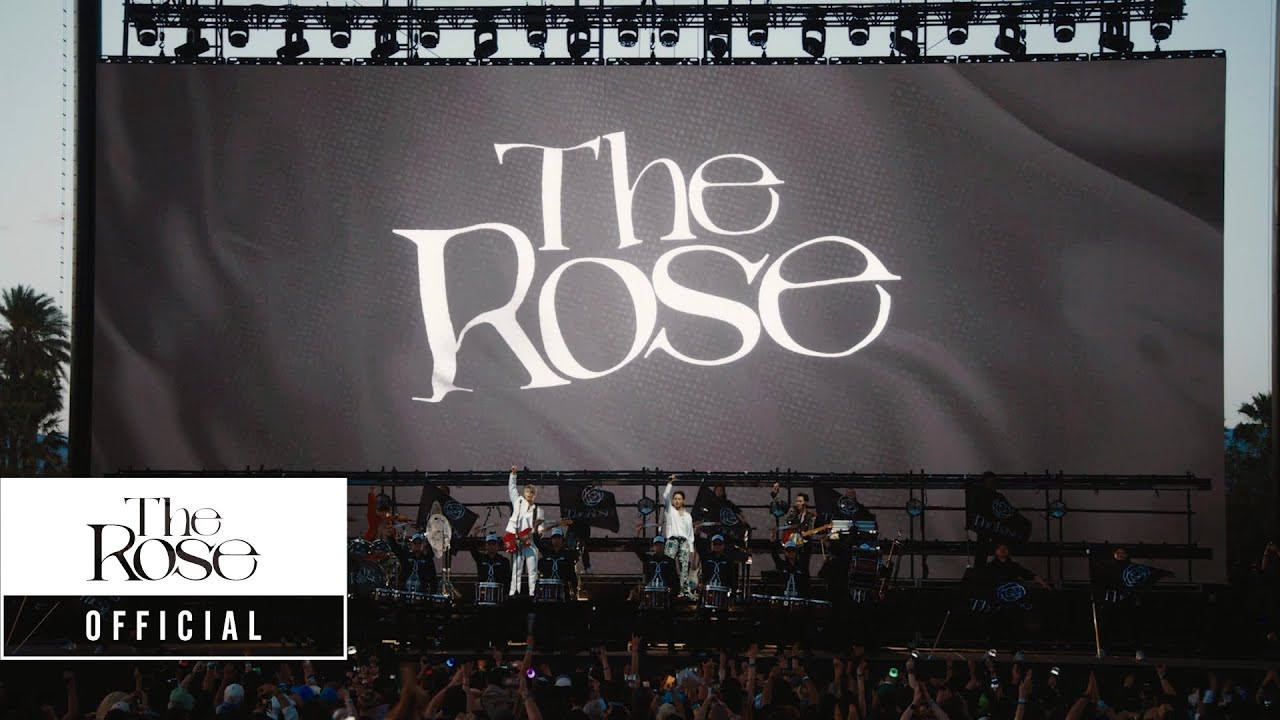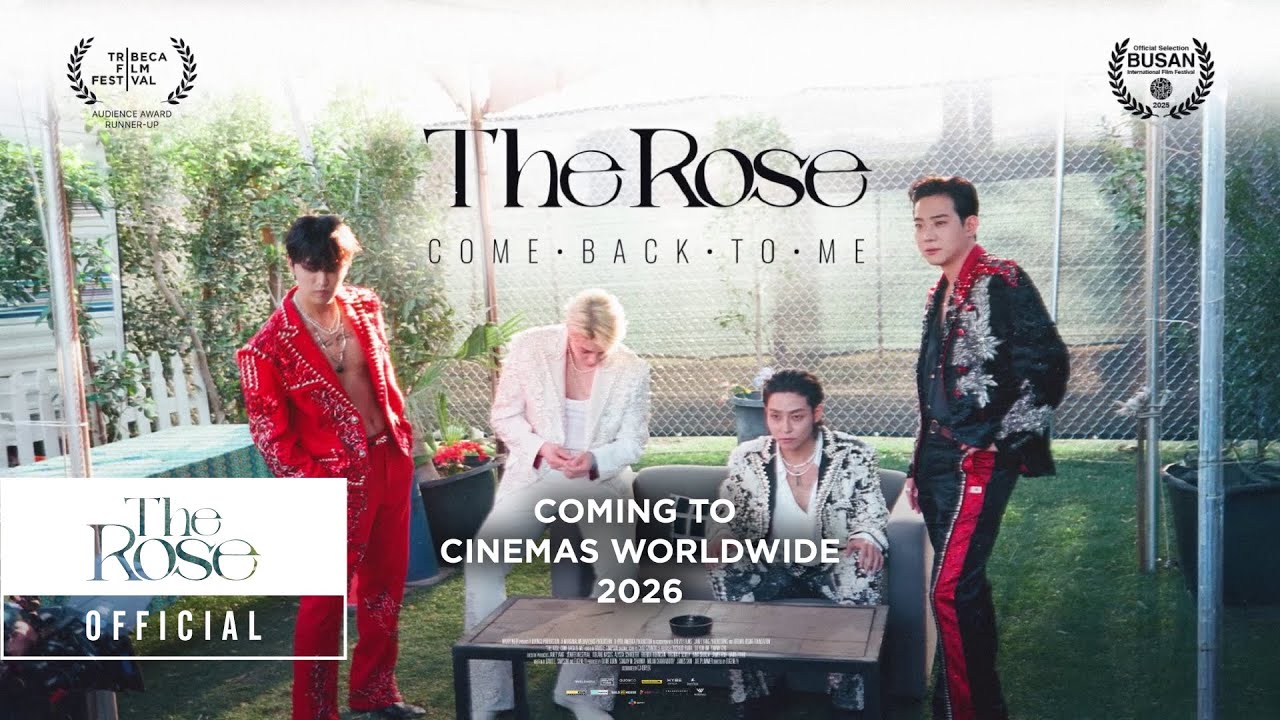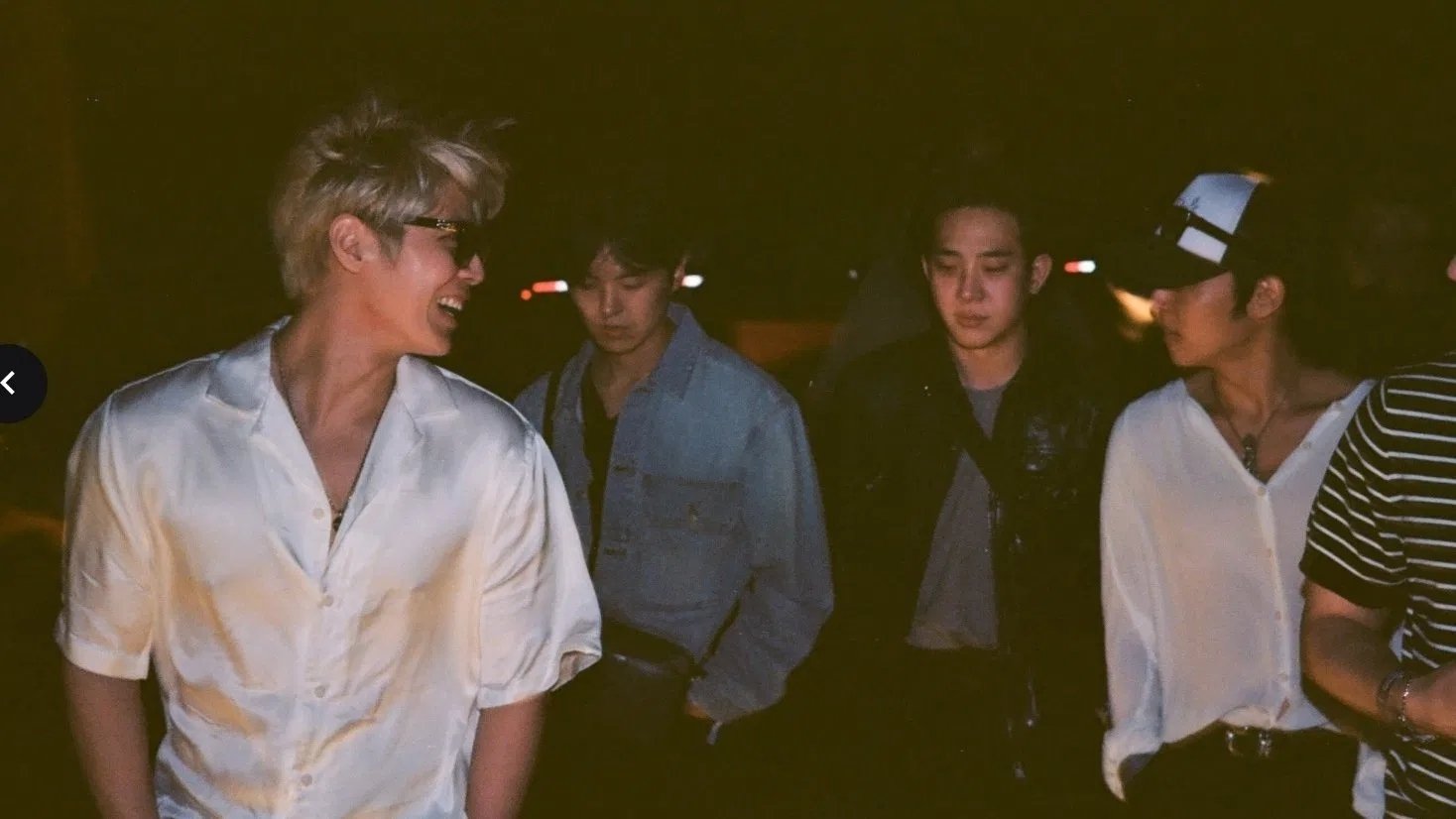
There’s something genuinely exciting happening in documentary cinema right now, and The Rose: Come Back to Me is positioned to be a significant part of that conversation. Eugene Yi, the director behind the critically acclaimed Free Chol Soo Lee, is bringing his distinctive storytelling sensibility to chronicle the journey of The Rose, a South Korean rock band that represents something increasingly rare in today’s music landscape—authentic indie artistry navigating the complex intersection of K-pop culture and genuine artistic autonomy.
The film is scheduled for worldwide theatrical release on February 14, 2026, distributed through CJ 4DPlex, which speaks volumes about the confidence major distributors have in this project. What makes this timing particularly fascinating is that the documentary already generated serious momentum following its premiere at the Tribeca Festival in June 2025, where it didn’t just screen—it won an Audience Prize and sold out every single showing. That kind of grassroots enthusiasm rarely happens by accident.
This isn’t just another music documentary. It’s a cultural artifact capturing a pivotal moment in how independent artists navigate global recognition while maintaining their identity.
What we’re witnessing with this film is a masterclass in documentary relevance. The Rose’s story is inherently compelling because it operates within a genuinely contradictory space. The band emerged from Korea’s rigorous training system—the same infrastructure that produces K-pop idols—yet they’ve carved out territory as indie rockers. There’s built-in narrative tension there that Yi clearly understands how to exploit.
The creative vision Eugene Yi brings to this project deserves particular attention:
- Intimate storytelling that goes beyond surface-level band biography
- Cultural specificity examining how Korean music industry structures both enable and constrain artists
- Global perspective on how a decidedly local phenomenon resonates internationally
- Character-driven narrative rather than chronological recitation of facts
Working with cast members including Kim Woo-sung, Park Do-joon, and Lee Ha-joon, Yi has access to the actual band members themselves, which fundamentally changes the documentary’s authenticity. This isn’t reconstruction or secondhand accounts—we’re getting direct access to the people living this story. That’s the kind of collaborative foundation that separates interesting documentaries from the ones that genuinely stick with audiences.
The current rating of 0.0/10 with zero votes on major databases tells us something worth noting: this is still largely uncharted territory for most casual film audiences. The film hasn’t had its wide release yet, which means anticipation is building in real time. There’s genuine mystery around how this will land when it reaches mainstream audiences in February 2026, and honestly, that’s part of what makes it compelling to discuss now.
What makes The Rose: Come Back to Me matter beyond just being “a good documentary” comes down to a few interconnected factors worth unpacking:
- It challenges the K-pop narrative by centering indie rock legitimacy within Asian music discourse
- It arrives at a moment when documentary music films are genuinely influencing cultural conversations
- It represents filmmaker maturity from Yi, who’s already proven his ability to tackle complex cultural subjects
- It positions Korean cinema as a space where nuanced artist portraiture is thriving
There’s also the question of what this film’s success will signal to other documentarians and studios. If a film about a Korean indie rock band finds genuine international resonance through theatrical release, it opens doors for similar stories that might otherwise never make it to screens. The Rose’s journey—from training system skeptics to respected global artists—is increasingly representative of how artistic careers actually work in the 2020s.
The runtime of 1 hour and 31 minutes is precisely calibrated for what this story needs. Yi isn’t stretching, isn’t bloating the narrative with unnecessary material. That’s professional discipline. That’s a director who knows exactly what his film requires and nothing more.
The real test will come in February when audiences worldwide get to experience this intimate portrait of artistic persistence and cultural navigation.
What’s genuinely interesting about waiting for this release is recognizing that we’re in a moment where music documentaries can actually move cultural needles. The Rose: Come Back to Me isn’t arriving in a vacuum—it’s arriving in a landscape where there’s documented appetite for nuanced stories about artists pushing against constraints. The film sold out Tribeca for a reason. People recognized something authentic and urgent in Yi’s vision.
The partnership with Wavelength as the studio backing this project signals serious commitment to quality release strategy. This isn’t getting dumped on a streaming platform the week after theatrical—this is getting the theatrical support it deserves. That matters for how audiences will experience the story, and it matters for the film’s cultural footprint moving forward.
When The Rose: Come Back to Me hits theaters on February 14, 2026, it’s going to ask audiences to reconsider what they think they know about Korean music, about artistic independence, and about the stories worth telling on big screens. That’s not hype—that’s the actual weight of what Eugene Yi has created here.