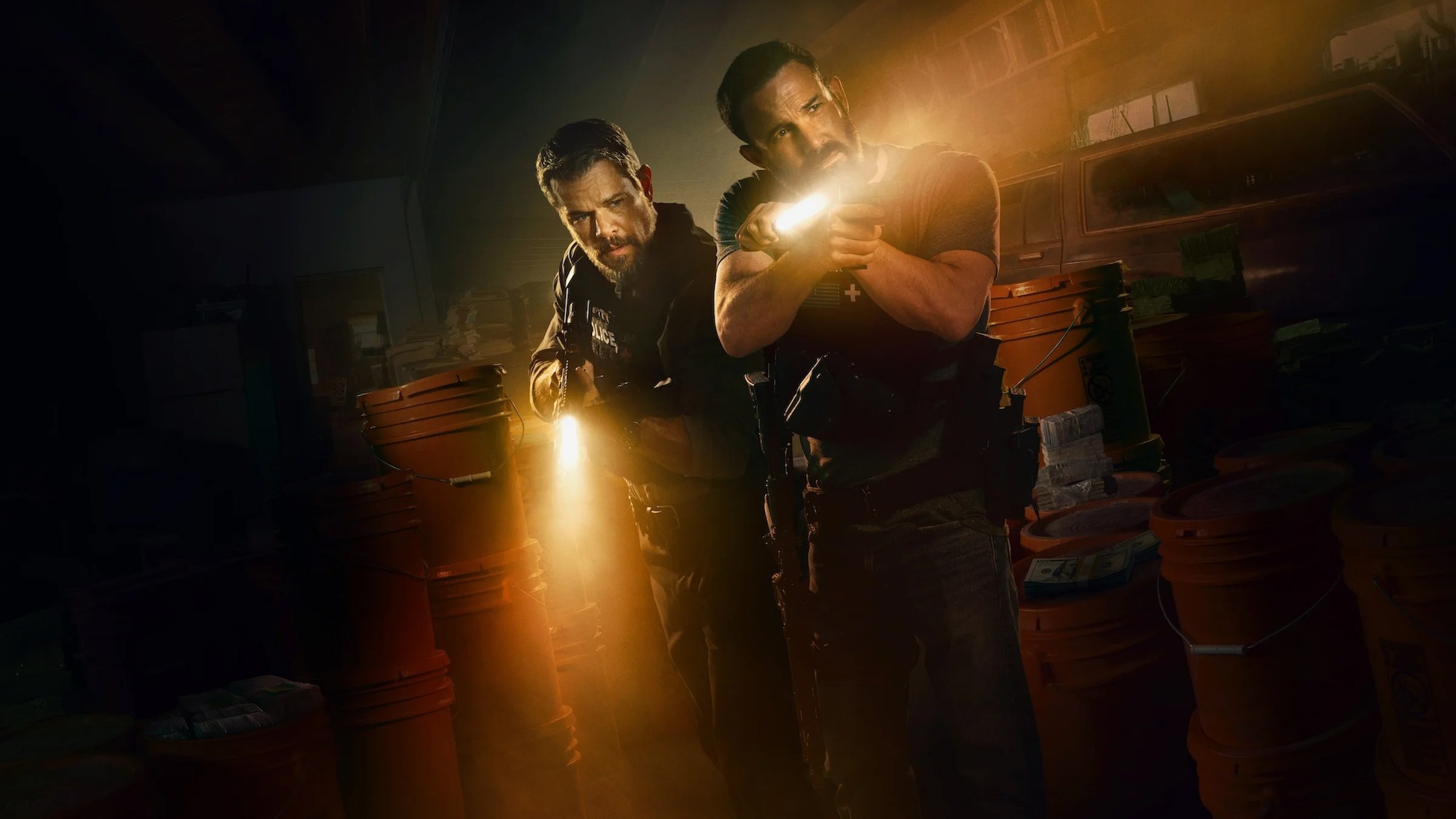
When Joe Carnahan’s The Rip premiered on Netflix in January 2026, it arrived as a reminder that sometimes the most compelling crime thrillers aren’t about solving a mystery—they’re about watching it unravel in real time.
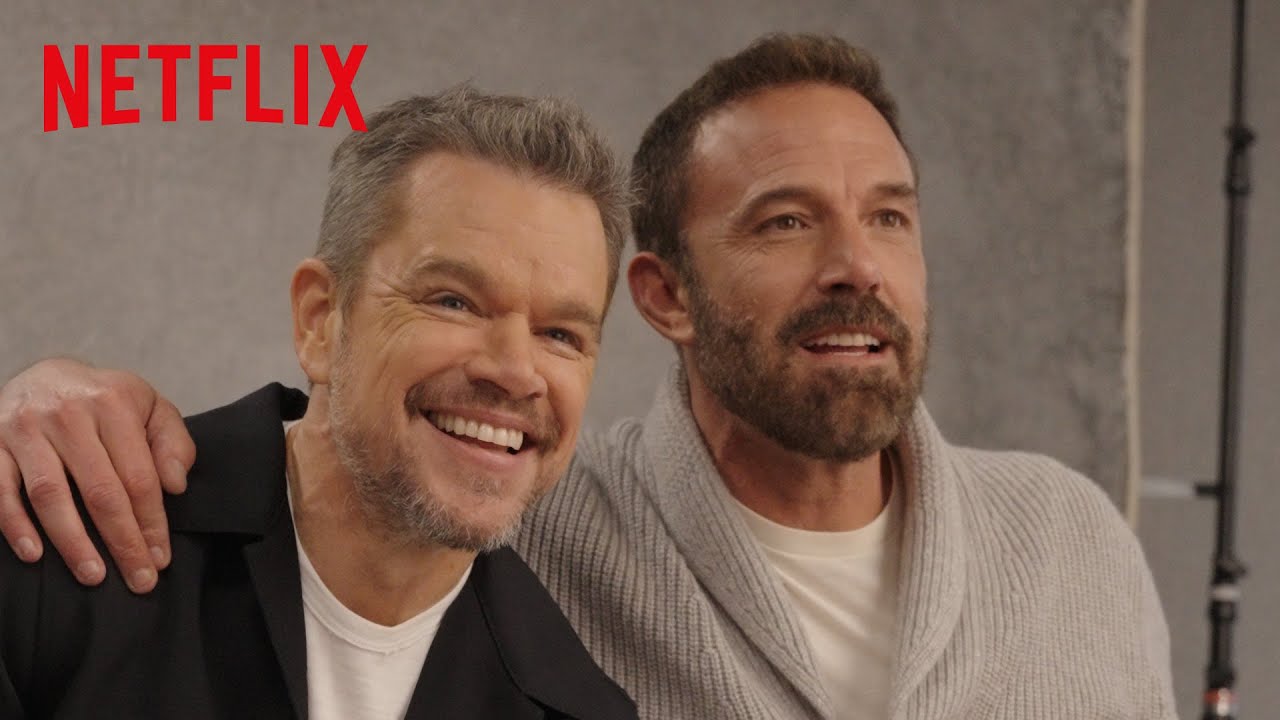
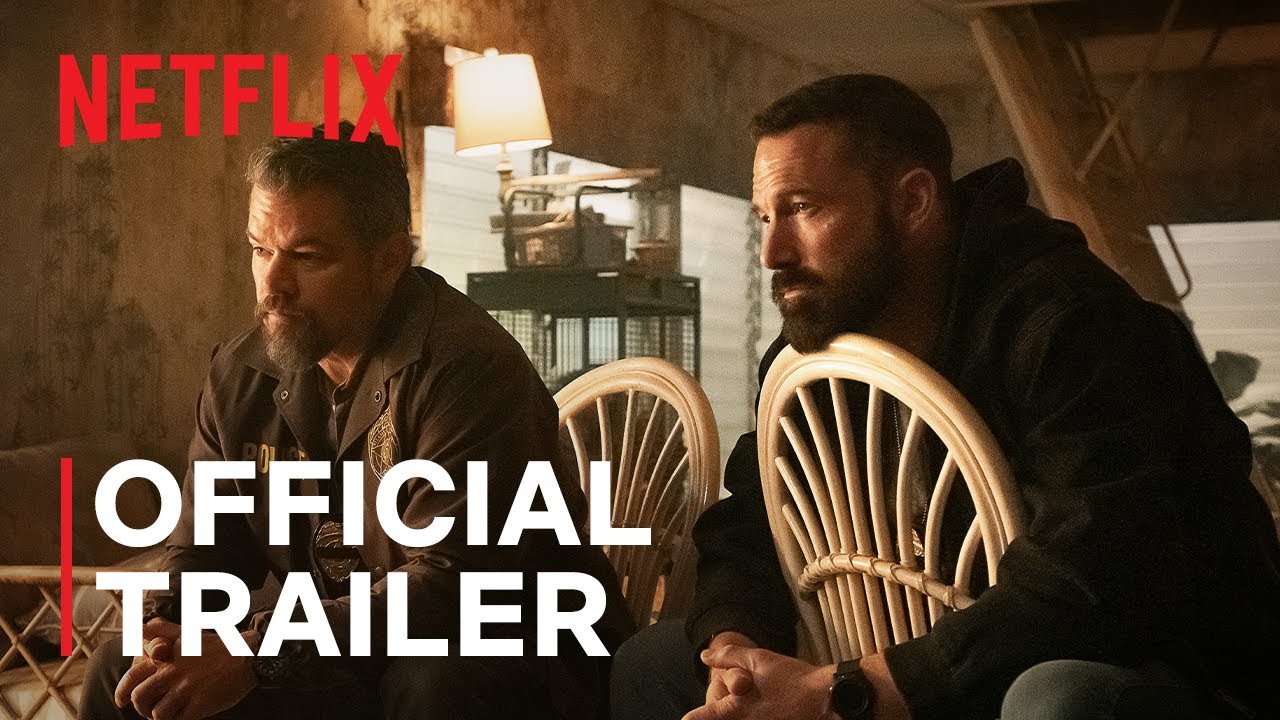
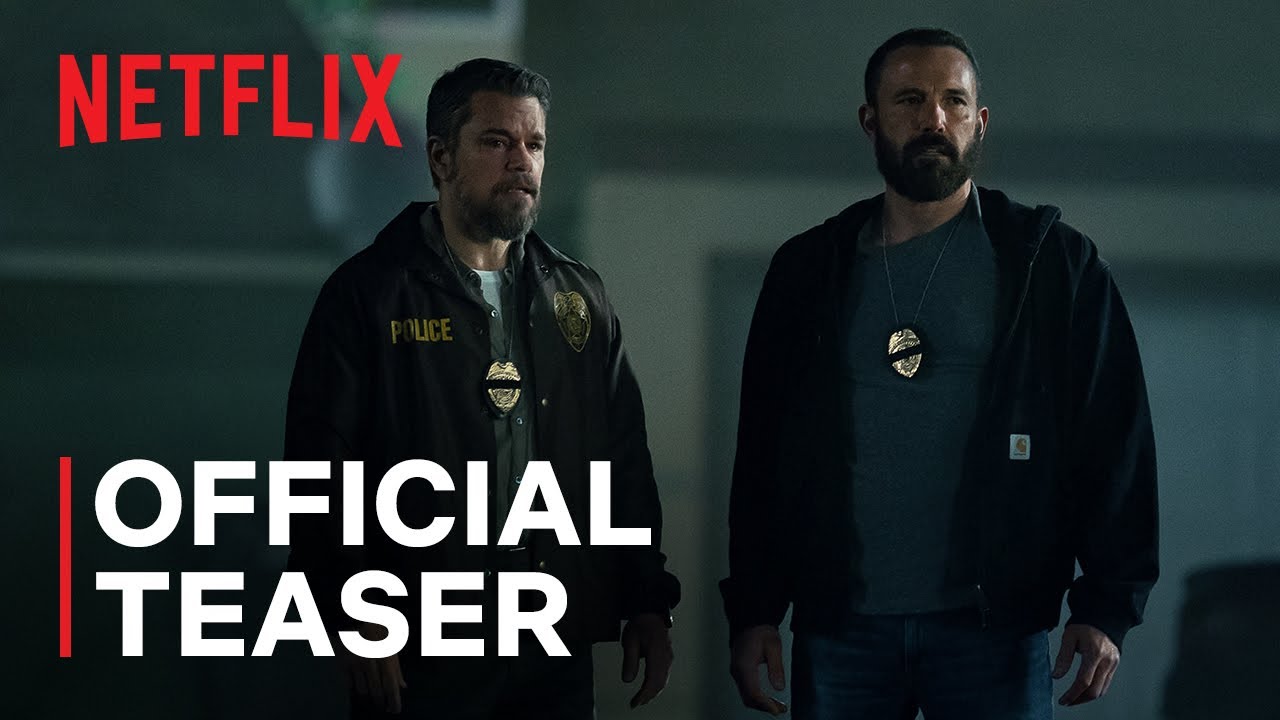
The film reunited Matt Damon and Ben Affleck for the first time in years, and the chemistry between them, paired with Carnahan’s kinetic direction, created something that felt both urgently contemporary and timeless.
In an era where streaming content often struggles to command cultural attention, The Rip managed to cut through the noise, sparking genuine conversation about trust, greed, and what happens when everything goes sideways in 112 minutes of taut storytelling.
The film’s premise is deceptively simple—its tagline says it all: “Count the money. Count it again. Count on no one.” But within that lean runtime, Carnahan orchestrates a crime narrative that’s less interested in the heist itself and more fascinated by the human beings caught in its undertow.
Based on a true story that reportedly inspired Carnahan after hearing about it from someone close to him, the film strips away the glamour often associated with heist movies and replaces it with something rawer: desperation, paranoia, and the cascading consequences of a single decision.
What makes The Rip particularly remarkable is how it refuses easy answers. The 7.1/10 rating from early audiences might seem modest, but it reflects something important—this isn’t a film designed for universal appeal. It’s deliberately uncomfortable, morally ambiguous, and skeptical of redemption.
The creative collaboration between Damon, Affleck, and newcomer Teyana Taylor represents a fascinating tonal balance. Rather than position his A-list stars as conventional heroes, Carnahan distributes moral compromise across the ensemble.
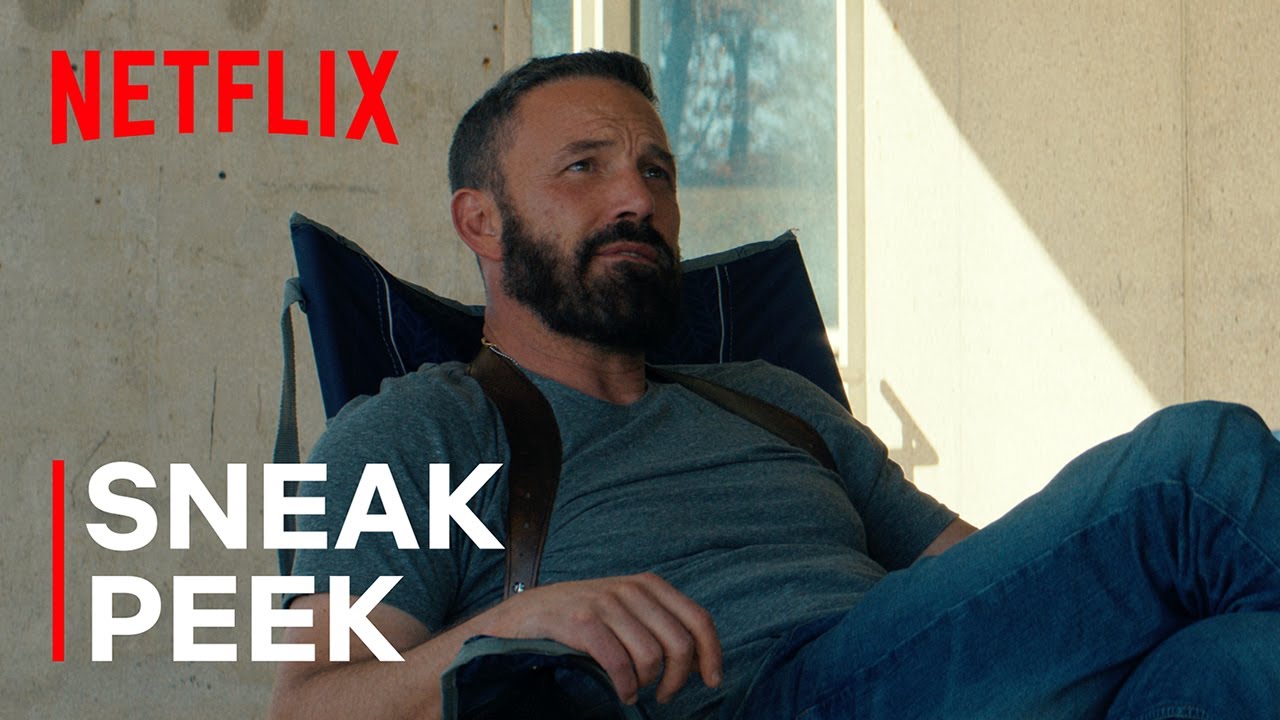
Each character arrives at the story with understandable motivations that nonetheless lead them toward increasingly untenable choices. Taylor, in particular, brings a sharp, uncompromising energy that elevates what could’ve been a supporting role into something far more substantial. She’s not here to be saved or supported—she’s a fully realized agent in the story’s chaos.
Here’s what distinguishes Carnahan’s approach from typical crime thrillers:
- Pacing over exposition – The tight 1 hour 52 minute runtime means no scene exists purely for exposition. Every moment pushes narrative or character forward.
- Ambiguity as a feature, not a flaw – Questions remain unanswered by design, mirroring how real crimes often resist neat resolution.
- Miami as a character – The city functions as more than backdrop; it’s a living, breathing pressure cooker where everyone’s scrambling.
- Restraint in violence – Carnahan doesn’t exploit brutality. When violence arrives, it carries weight rather than spectacle.
The film’s box office performance remained largely unknown, which itself says something fascinating about 2026’s media landscape. Theatrical releases and streaming debuts no longer follow traditional metrics. What mattered instead was how The Rip became a conversation starter across social platforms, generating the kind of organic discussion that traditional marketing struggles to manufacture. People wanted to discuss the film’s moral implications, debate character motivations, and argue about what really happened—the hallmark of cinema that respects its audience’s intelligence.
Damon and Affleck’s reunion carried weight beyond nostalgia. Their previous collaborations had positioned them as comfortable within ensemble storytelling, and The Rip leverages that history without relying on it. The dynamic between their characters reflects genuine tension—not between the actors, but between two men whose circumstances force them into opposition. There’s a melancholy to their scenes together, an awareness that circumstances, not incompetence or betrayal, are pulling them apart.
- The film’s thematic core – ultimately concerns itself with how ordinary people justify extraordinary compromises
- Its narrative structure – eschews traditional three-act progression for something more cyclical and trapping
- Its emotional resonance – comes from watching intelligent, capable people realize their intelligence and capability cannot save them
- Its lasting significance – lies in its refusal to provide cathartic resolution
As legacy narratives around The Rip continue developing, what becomes clear is that Carnahan made something consciously designed to age well rather than trend immediately. It’s the kind of film that works better on a second viewing, when you’re no longer trying to follow plot mechanics and can instead observe character psychology. The modest critical reception shouldn’t obscure the film’s accomplishment—it created genuine cinematic tension in an era of franchise fatigue and algorithmic recommendation culture.
In retrospect, The Rip represents something increasingly rare: a mid-budget crime thriller distributed by a major platform that trusts its audience to sit with moral ambiguity and narrative complexity.
What Joe Carnahan understood—and what the film ultimately proves—is that audience appetite for intelligent, uncompromising cinema remains robust, even if it doesn’t always register in immediate cultural metrics. The Rip will likely be rediscovered repeatedly by viewers seeking exactly what it offers: tension without resolution, competence without triumph, and the recognition that sometimes counting the money is less important than counting the costs.