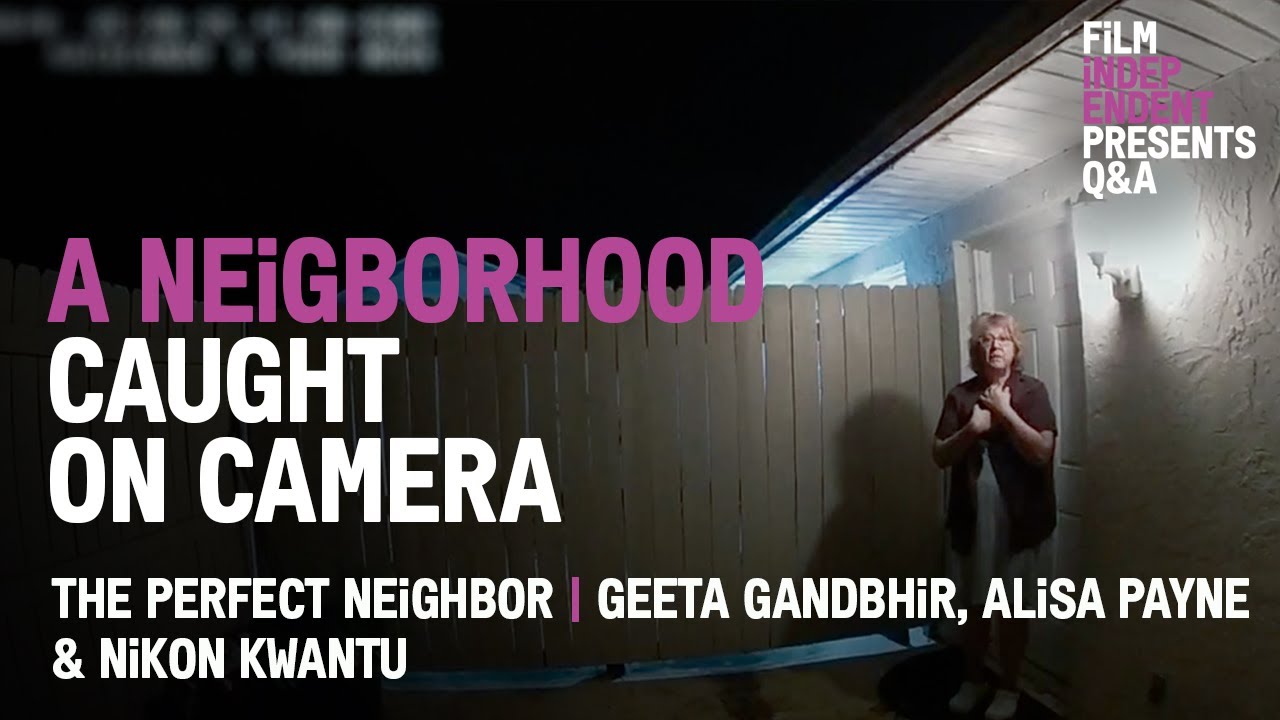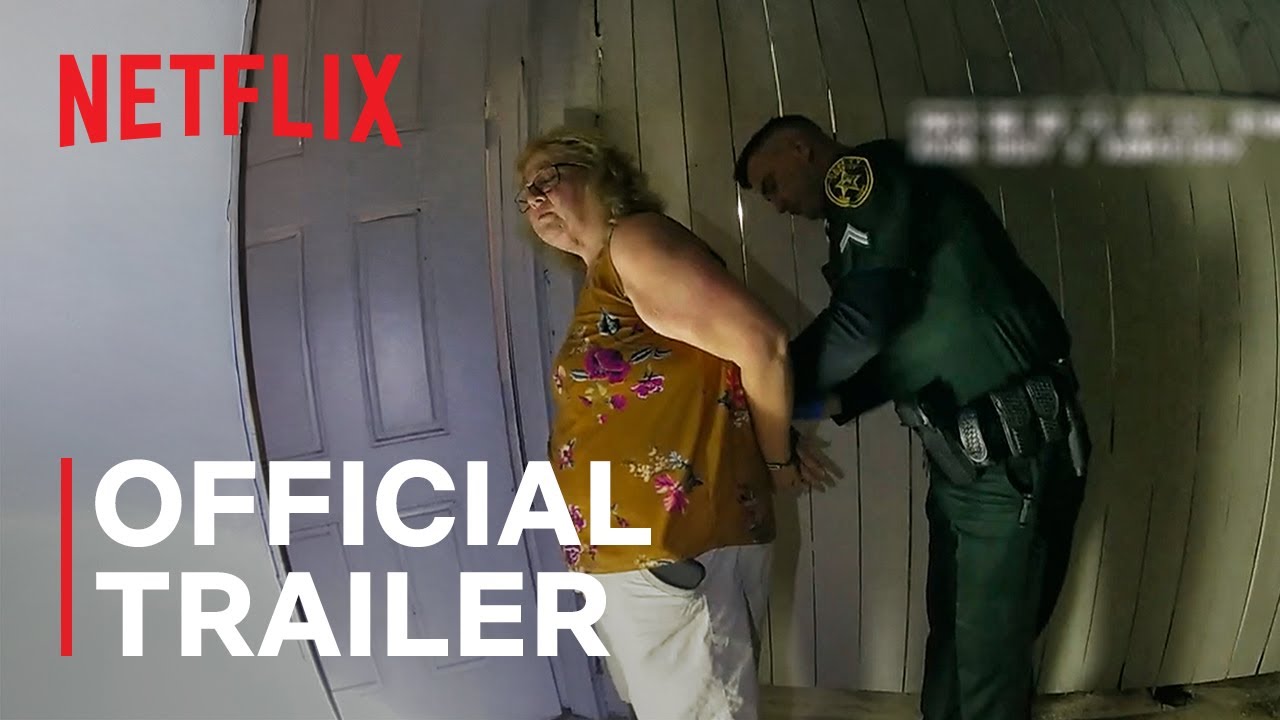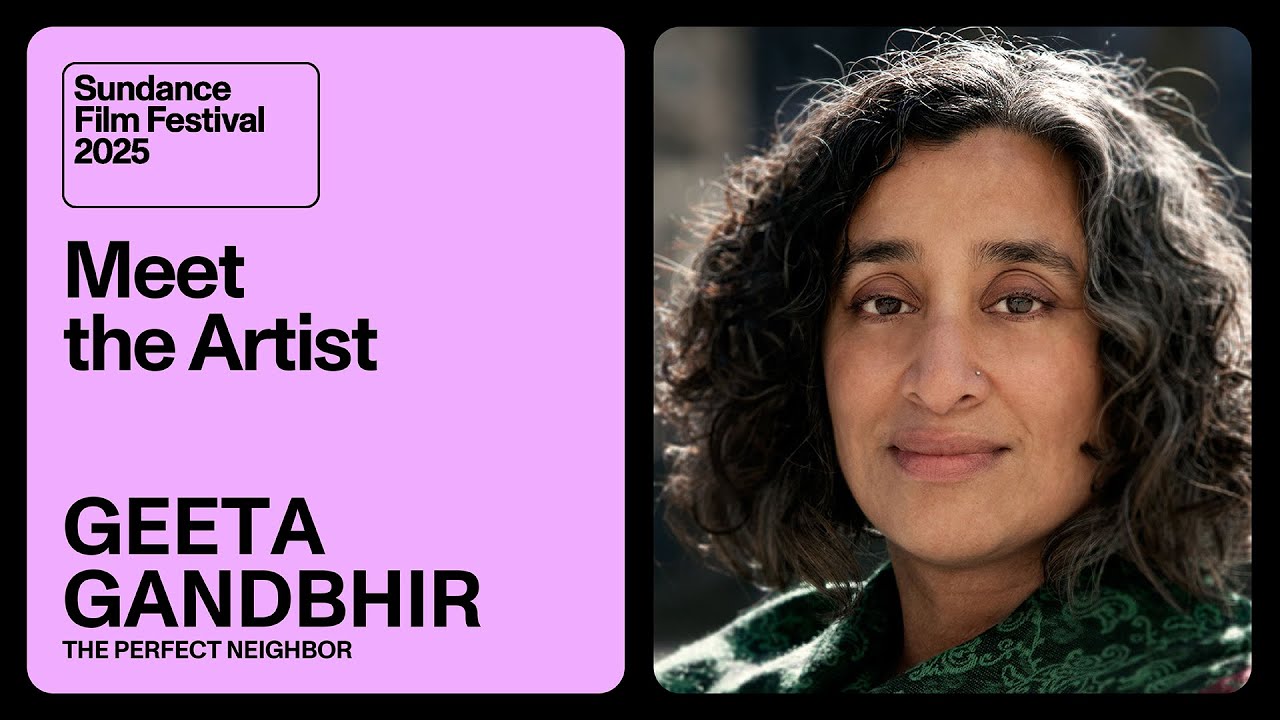
When The Perfect Neighbor premiered in October 2025, it arrived at a moment when true crime had become so saturated in our cultural bloodstream that it felt nearly impossible to say anything new about real violence and tragedy. Yet director Geeta Gandbhir managed something genuinely unsettling—she created a documentary-thriller hybrid that doesn’t just recount a crime, but interrogates the very conditions that allowed it to happen. The film clocks in at just 97 minutes, a lean runtime that makes every frame feel purposeful, refusing the bloated true crime aesthetic that’s become so common on streaming platforms.
The central story concerns the fatal shooting of Ajike Owens, a Black woman killed in 2021 by her white neighbor Susan Lorincz in Jacksonville, Florida. But Gandbhir’s approach transcends the typical crime narrative. Rather than building toward the moment of violence, she constructs something more sociologically acute—an examination of how assumptions, racial anxiety, and unchecked escalation can poison a community. The inclusion of Pamela Dias and other voices creates a chorus that complicates easy villainization, forcing viewers to confront uncomfortable questions about prejudice, neighborhood policing, and who gets the benefit of the doubt.
> The film’s real power lies not in its sensationalism, but in its refusal to look away from the ordinary pathways that lead to tragedy.
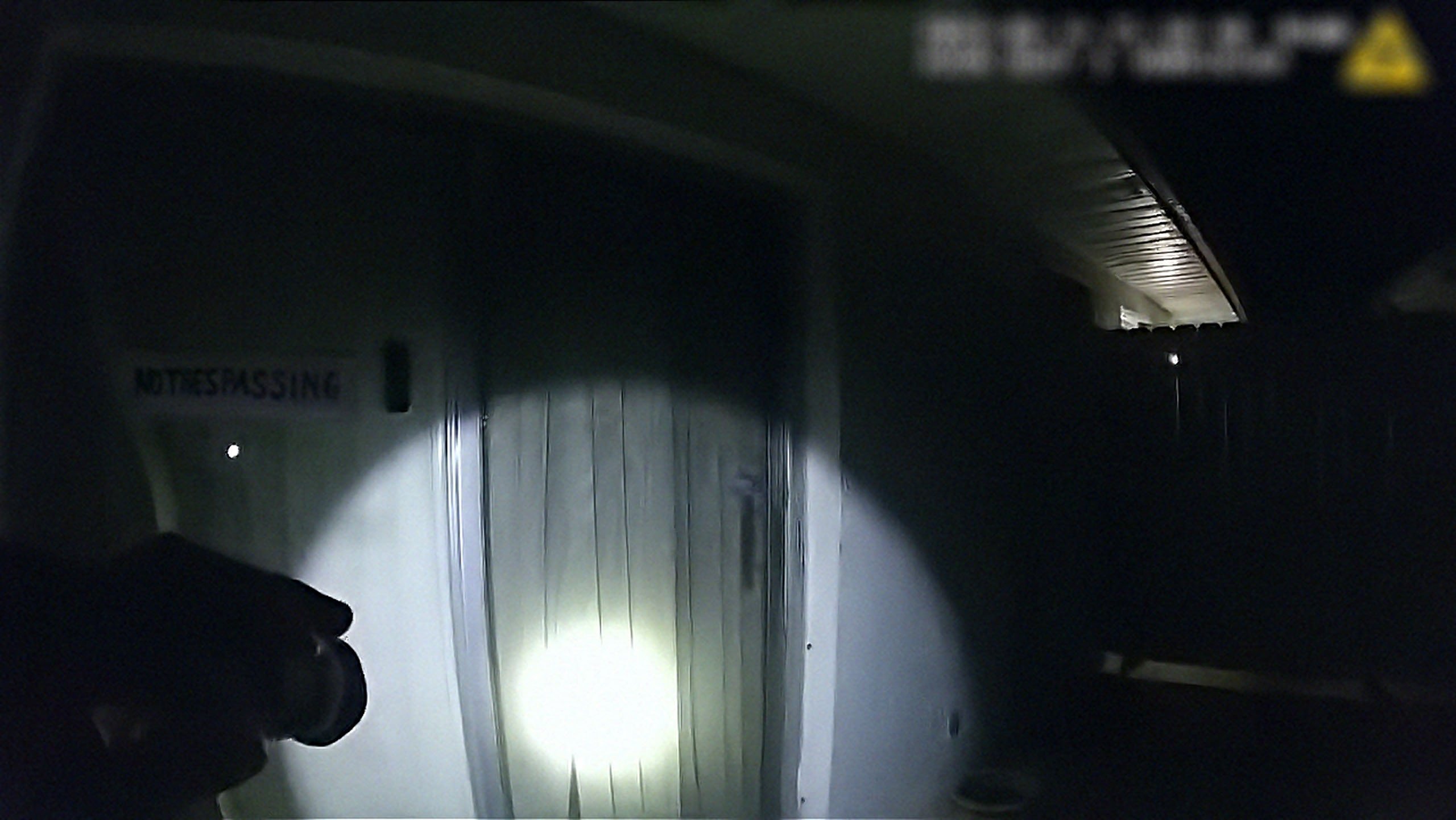
What makes Gandbhir’s vision particularly resonant is her visual language. Rather than relying on reenactments or archival footage, she builds atmosphere through interviews, documentation, and careful spatial framing that transforms a suburban street into something almost Kafkaesque. The neighborhood becomes less a setting and more a character—a space where everyday interactions carry the weight of unspoken racial dynamics. It’s a formal choice that elevates the material beyond typical documentary conventions.
The critical reception settled around 6.8/10, a score that perhaps reflects the film’s deliberate refusal to provide catharsis or clear resolution. This isn’t a movie designed to comfort you with narrative closure. Instead, it plants questions that linger—questions about justice, about how we build community, about what “neighborhood watch” actually means in practice. That middling score might actually speak to the film’s integrity rather than its failure.
Key elements that define the film’s approach:
- The rejection of a conventional crime timeline in favor of systemic analysis
- Intimate interviewing that reveals character complexity without excusing behavior
- Visual restraint that makes tension accumulate organically
- A focus on aftermath and impact rather than climactic violence
- The deliberate foregrounding of Ajike Owens as a fully human subject, not a victim in a crime story
In terms of cultural impact, The Perfect Neighbor arrived into a specific moment of reckoning about how media covers race, violence, and justice. It’s been compared—not unfairly—to documentary work by filmmakers like Amy Scott and Ava DuVernay, who’ve similarly interrogated American systems of power through intimate storytelling. What Gandbhir brings is a kind of formal coldness that somehow makes the emotional weight hit harder. There’s no manipulative score, no editorializing graphics. Just people, their words, and the implication of everything unsaid.
The collaboration between these artists—Gandbhir’s directorial vision, the careful assembly of voices including Lorincz, Owens, and Dias—created something that transcends the standard documentary-thriller category. This isn’t a film designed to be binged and forgotten. It’s the kind of work that benefits from conversation, from sitting with its implications, from recognizing yourself in its uncomfortable mirrors.
- Its significance in the true crime landscape – by refusing sensationalism, it recontextualizes an entire genre conversation
- Its visual and narrative restraint – less flashy than contemporaries, but more penetrating in its analysis
- Its cultural moment – arriving when audiences were beginning to question how we consume narratives about race and violence
- Its longevity potential – this is a film that will likely age well, remaining relevant to discussions about justice and community
The financial performance—unknown budget, unknown box office—actually seems fitting for this kind of work. The Perfect Neighbor isn’t designed as a commercial product. It’s more vital than that: it’s a piece of cultural reckoning that found audiences through film festivals, critical channels, and word-of-mouth recognition. That pathway to an audience perhaps matters more than traditional box office metrics.
What endures about Gandbhir’s work here is its refusal to simplify. The film doesn’t let us off easy by positioning good versus evil in clear terms. Instead, it insists we examine the small choices, the unexamined assumptions, the ways systems fail people. Susan Lorincz isn’t presented as a monster but as a person whose fears and prejudices, acted upon, became lethal. That complexity—uncomfortable as it is—is what makes the film genuinely important cinema.
Five years from now, when we’re still arguing about how we represent race, violence, and community, The Perfect Neighbor will likely be cited as a turning point in documentary filmmaking. Not because it’s flashy or crowd-pleasing, but because it refused those easy paths entirely.