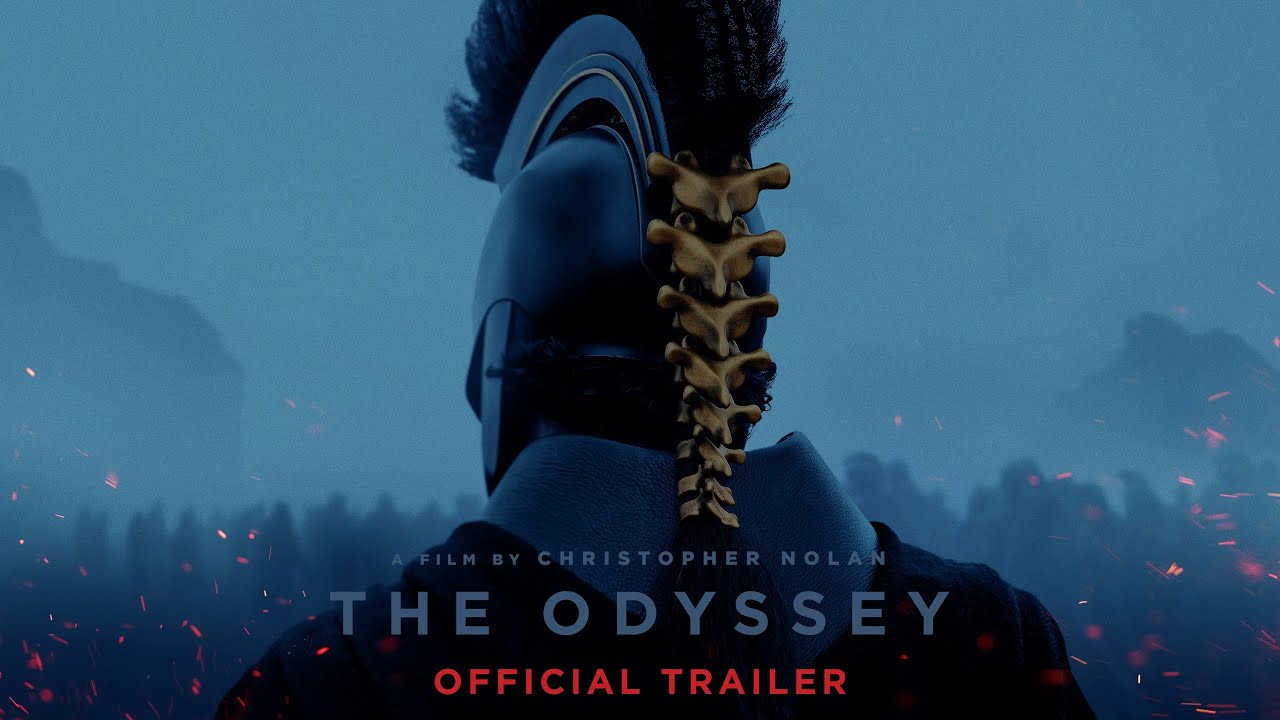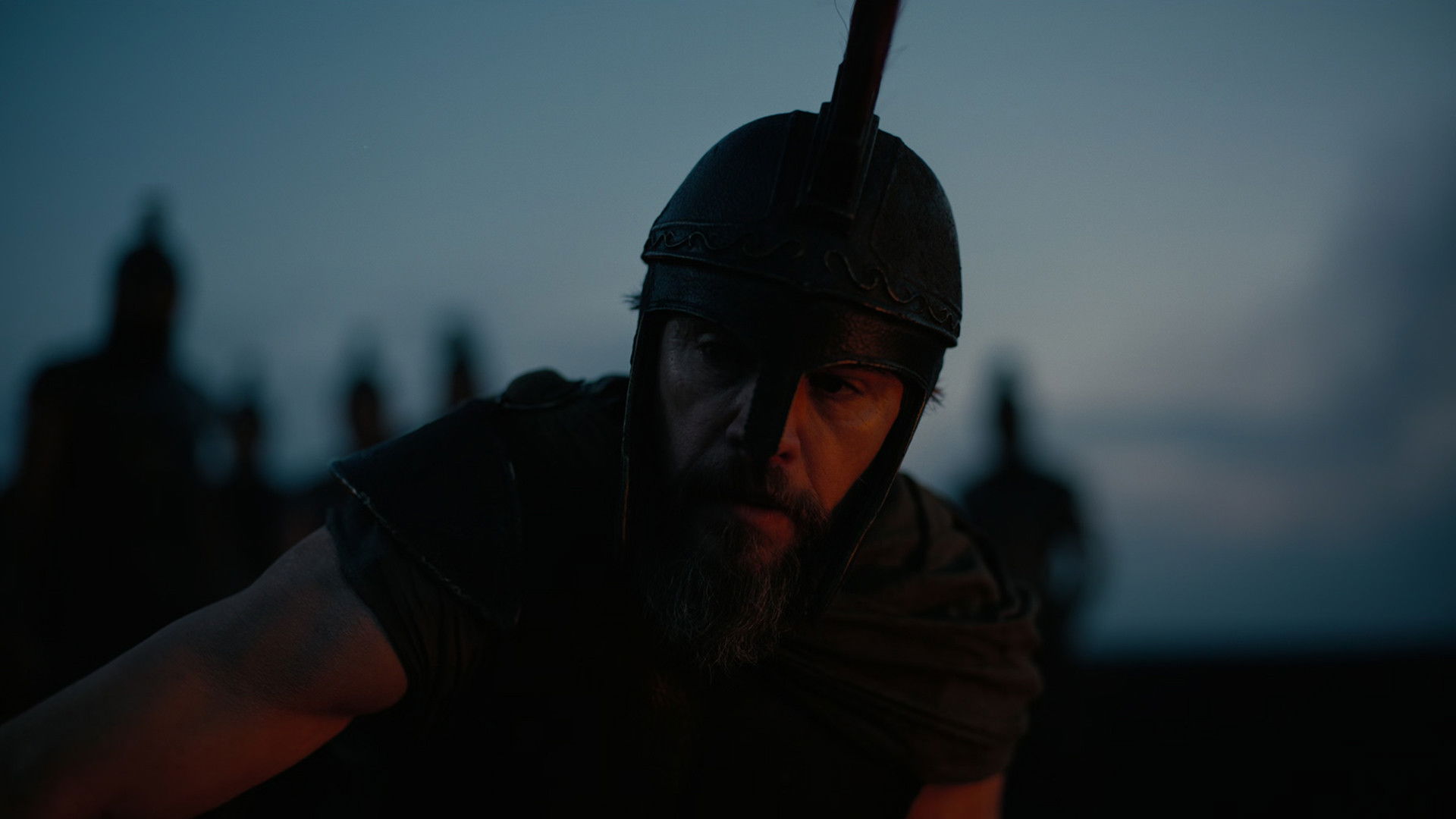
There’s something genuinely thrilling about watching Christopher Nolan prepare to tackle one of Western literature’s greatest epics. When you combine his meticulous directorial vision with a $250 million budget and a cast that includes Matt Damon, Tom Holland, and Zendaya, you’re looking at a cinematic event that has legitimate reason to generate serious anticipation. The Odyssey is set to release on July 15, 2026, and the filmmaking world is already buzzing about what this collaboration will ultimately mean for cinema.
What makes this project so compelling isn’t just the names attached to it—it’s the inherent clash between artistic ambition and commercial spectacle. Nolan has spent his entire career exploring how to marry intimate human stories with massive technical complexity and grand thematic scope. Now he’s turning his attention to Homer’s timeless tale of Odysseus and his perilous journey home after the Trojan War. The source material practically demands the kind of ambitious filmmaking Nolan is known for: intricate narrative structures, practical effects combined with visual innovation, and a deep exploration of human determination against impossible odds.
The synergy of this cast alone speaks volumes about the creative confidence surrounding the project:
- Matt Damon as Odysseus brings gravitas and proven ability to anchor character-driven narratives within massive productions
- Tom Holland has demonstrated remarkable range beyond the Marvel universe, capable of holding weight in complex dramatic roles
- Zendaya continues to select projects that challenge her and expand her dramatic credentials
- The ensemble approach suggests Nolan isn’t interested in a single-hero mythological retelling, but rather an exploration of multiple perspectives and relationships
What makes this particularly significant is how The Odyssey arrives at a specific moment in cinema. We’ve seen mythological adaptations come and go—some spectacular, others forgettable—but rarely do they attract the caliber of directorial talent that Nolan represents. His tagline for the film, “Defy the gods,” hints at a version of Homer that strips away reverence for the supernatural and focuses instead on human agency, resilience, and the cost of ambition.
The real question isn’t whether The Odyssey will be technically impressive—with Nolan and this budget, that’s virtually guaranteed. The question is whether it will offer something thematically necessary for our current moment.
The production values are already being discussed in industry forecasts as potentially transformative for 2026’s box office landscape. Early projections suggest this film could significantly contribute to what analysts are predicting will be a $35 billion global box office year, with The Odyssey potentially pushing Tom Holland’s career box office total well into the stratosphere. But beyond the numbers, this film is poised to spark meaningful conversations about how we adapt classical literature for contemporary audiences.
Nolan’s approach to storytelling has always involved respecting audience intelligence. He doesn’t simplify—he reveals complexity through carefully constructed sequences and thematic resonance. When applied to The Odyssey, this methodology could yield something genuinely fresh: rather than straightforward adventure beats connecting one mythological creature encounter to another, we might see a meditation on trauma, homecoming, identity, and the human capacity to endure. The Cyclops, the Sirens, Circe—these aren’t just visual set pieces waiting to happen. They’re psychological challenges, moral tests, moments where Odysseus and those around him are fundamentally transformed.
The production collaboration itself deserves consideration. Universal Pictures and Syncopy (Nolan’s own production company) working together suggests a filmmaker with significant creative autonomy but studio backing substantial enough to realize any vision he pursues. This is the kind of partnership that historically produces films that matter—where commercial viability doesn’t compromise artistic integrity, and artistic ambition has the resources to fully manifest.
What’s particularly intriguing is how this film will likely function across multiple registers:
- As spectacle – audiences expecting grand set pieces and visual wonder will certainly receive them
- As character study – the caliber of actors suggests intimate, nuanced performances exploring vulnerability and growth
- As thematic exploration – Nolan’s fingerprints suggest questions about time, agency, sacrifice, and what it means to journey toward home
- As cultural commentary – a modern director’s interpretation of ancient texts often reveals contemporary preoccupations
The fact that The Odyssey hasn’t yet been released means we’re in that rare space of pure anticipation, where possibility remains unlimited. There’s no rating yet, no critical consensus to either validate or challenge expectations. The current 0.0/10 rating reflects simply that no one has seen it—it’s a blank slate, pregnant with potential.
Perhaps the most important thing about The Odyssey‘s impending arrival is what it represents for cinema itself. In an era dominated by franchise filmmaking and algorithm-friendly content, here’s a $250 million bet on a classical literary adaptation helmed by one of our most intellectually ambitious directors. Whether the film ultimately succeeds or struggles, that commitment to attempting something of genuine artistic merit—something that requires audiences to think rather than simply consume—matters profoundly.
When The Odyssey arrives in theaters on July 15, 2026, it will carry more than just spectacle and star power. It will carry the weight of Nolan’s singular vision, the craftsmanship of talented performers, and the cultural significance of asking whether cinema can still grapple meaningfully with timeless literature. That’s worth paying attention to.