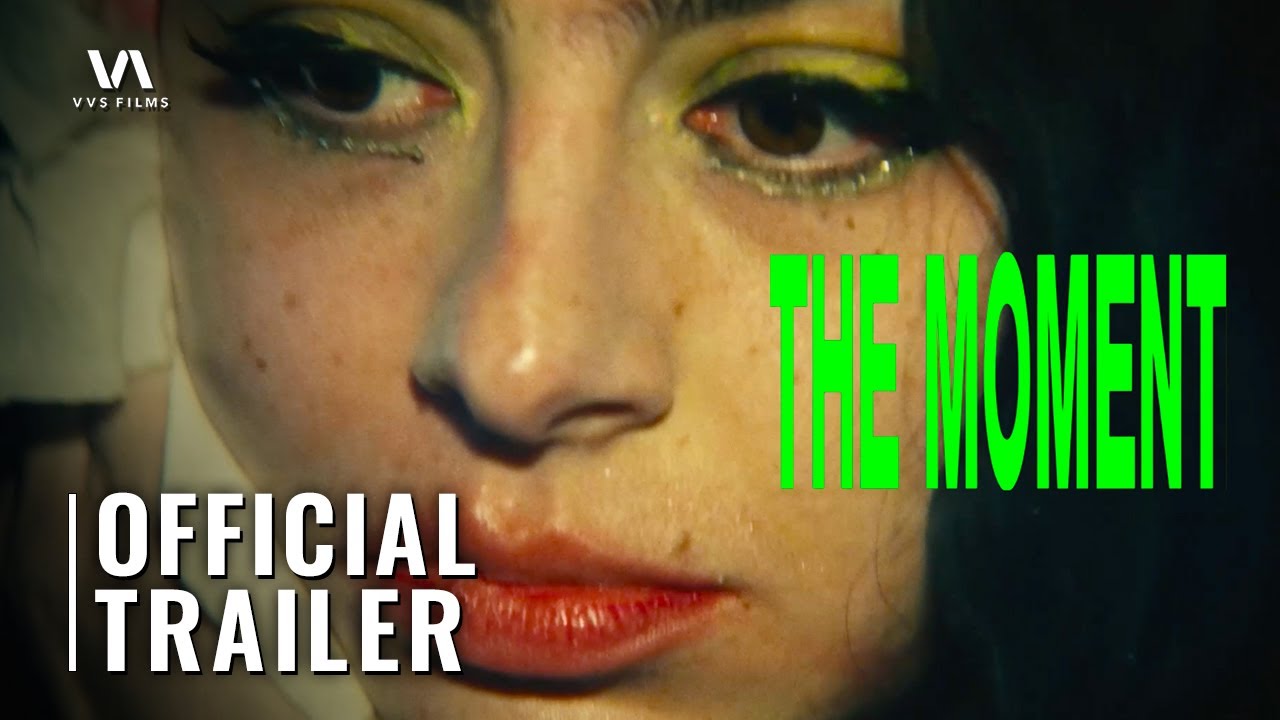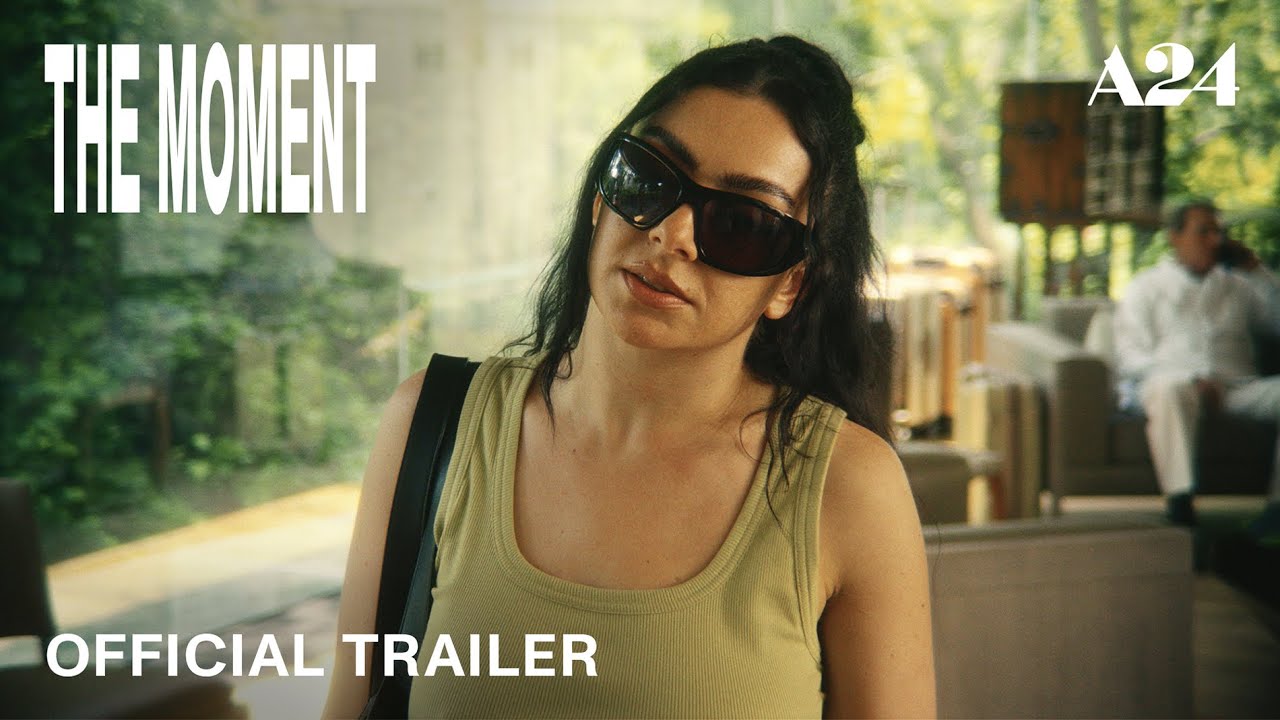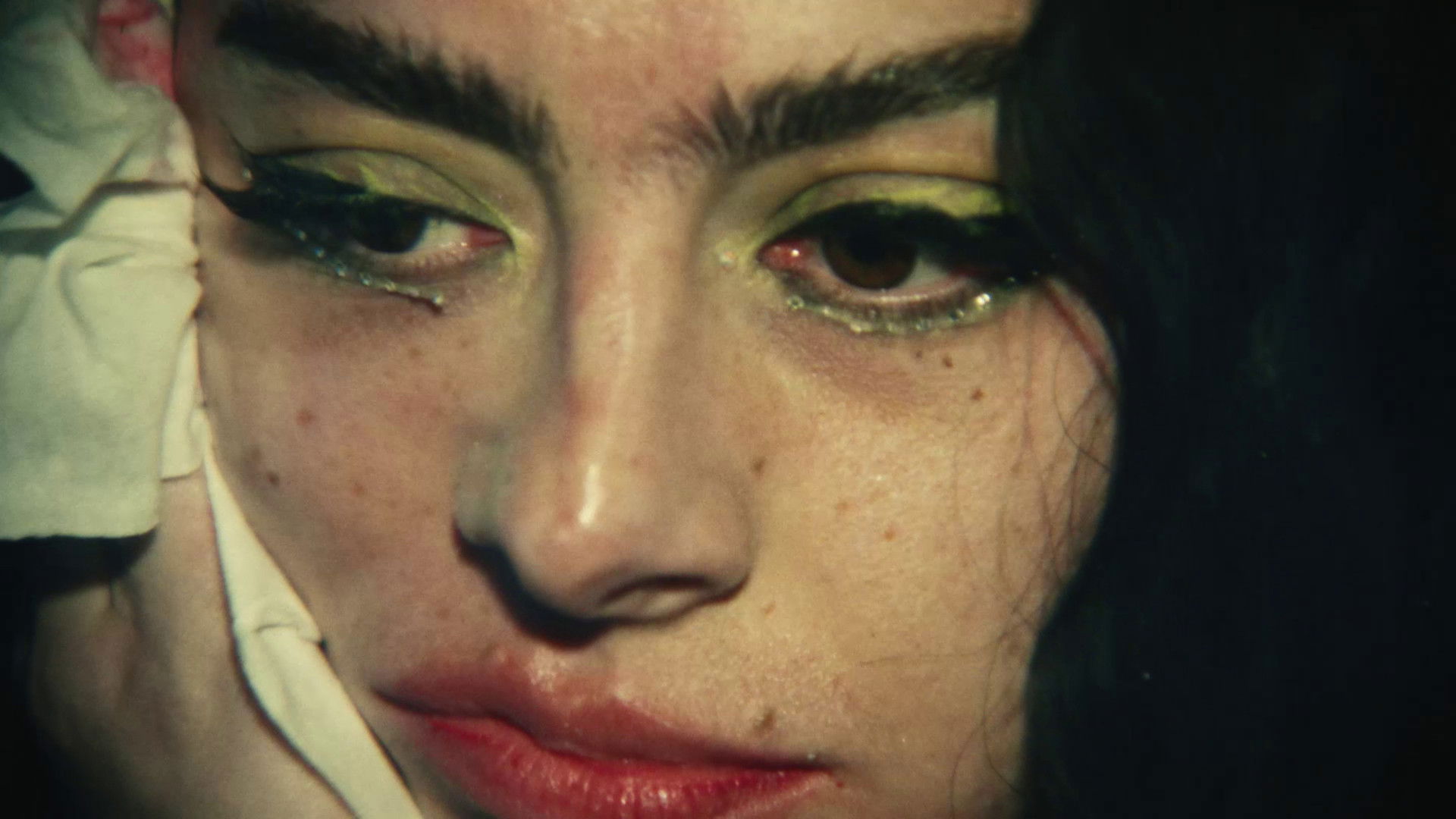
There’s something genuinely electric happening around Charli xcx’s The Moment—and I’m not just talking about the inevitable social media discourse. Set to be released on January 30, 2026, this film is shaping up to be one of those rare projects that blurs the line between celebrity vanity project and legitimate cinema in the most fascinating way possible. What we’re looking at here is a collaboration between pop’s most daring provocateur and director Aidan Zamiri, a creative team that’s already generating serious festival buzz before audiences even step into theaters.
Let’s start with what makes this so intriguing. The film’s own tagline—“and it’s a movie about brat and charli and a tour but none of it happened but maybe some of it did”—tells you everything you need to know about its deliberately ambiguous nature. This isn’t a straightforward documentary or biopic. Instead, Zamiri appears to be crafting something more experimental, a film that plays with the idea of truth and narrative in ways that feel distinctly contemporary. It’s the kind of project that practically begs for multiple viewings and heated debates in film circles.
The production lineup alone reveals serious institutional faith in this vision. You’ve got A24 (the studio that’s become synonymous with intelligent, challenging cinema) alongside Atlantic Records and Good World, suggesting this is being treated as something worthy of genuine artistic attention, not just as a quick cash-in on Charli’s cultural moment. The fact that it’s already been selected for Sundance 2026 and the Berlin Film Festival’s Panorama lineup indicates that festival programmers—people whose job is spotting significant work—are taking this seriously.
What’s particularly compelling about the cast assembled here:
- Charli xcx stepping into a fictional narrative about herself (or a version of herself) rather than playing it straight
- Alexander Skarsgård, bringing that intense, transformative energy he’s known for, lending serious dramatic weight
- Rosanna Arquette, a performer with decades of experience navigating complex, sometimes unconventional material
This trio suggests Zamiri isn’t settling for lightweight performances. He’s working with actors who understand how to inhabit ambiguous, layered characters.
The real conversation The Moment is poised to start involves the blurred boundaries between celebrity, narrative, and documentary truth. In an era of algorithmic feeds and curated online personas, what does it even mean to make a “movie about” someone’s life when that person’s public existence is already a constructed narrative?
Here’s what’s genuinely at stake here. Charli xcx isn’t just an artist anymore—she’s a cultural phenomenon whose recent work and public persona have become subjects of intense analysis and interpretation. The brat album cycle specifically created this massive cultural moment that everyone was theorizing about. Now Zamiri is creating a film that seems to sit somewhere between exploring that phenomenon and deliberately toying with our expectations about what such a film “should” be. That’s bold filmmaking territory.
The runtime of 1 hour and 43 minutes is worth noting. That’s neither a quick sprint nor an indulgent epic—it’s the length of something carefully constructed, something that’s been thoughtfully shaped. This suggests Zamiri isn’t making a vanity piece or a concert film stretched thin. He’s crafted a complete narrative vision.
What makes this moment in cinema significant extends beyond just Charli xcx’s name recognition:
- The dissolution of genre boundaries—drama, comedy, and music are bleeding together in ways that feel increasingly natural to contemporary storytelling
- The validation of pop culture as legitimate film material—not just as subject matter for documentaries, but as rich ground for fictional exploration
- The shift in how celebrity narratives work on screen—moving away from hagiography toward something more self-aware and textured
These aren’t small shifts. They’re reshaping what we think cinema can do.
There’s also the question of what Zamiri himself brings to this. Directors who can navigate the treacherous waters between art and entertainment, between serving an artist’s vision and maintaining their own directorial voice, are relatively rare. The fact that he’s been trusted with this project suggests confidence that he’s one of those rare filmmakers who can actually pull it off. He’s not serving as a hired hand; he’s a creative partner with genuine artistic authority.
When The Moment arrives in theaters on January 30, 2026, it won’t arrive as a blank slate. It’ll arrive as a film that’s already been theorized about, debated, and analyzed through its festival circuit. That’s part of what makes it important—it’s already changing how we’re thinking about the relationship between artists, narratives, and cinema itself.
The fact that the film currently carries a 0.0/10 rating is almost beside the point at this stage. These are preliminary metrics on a film that hasn’t been widely seen yet. What matters is the conversation it’s going to start. Whether audiences connect with it, resist it, or love it, The Moment is almost certainly going to spark the kind of discourse that keeps cinema alive—the kind where people genuinely disagree about what something means, what it’s trying to do, and whether it succeeds.
That’s not guaranteed to happen often anymore. That’s worth paying attention to.