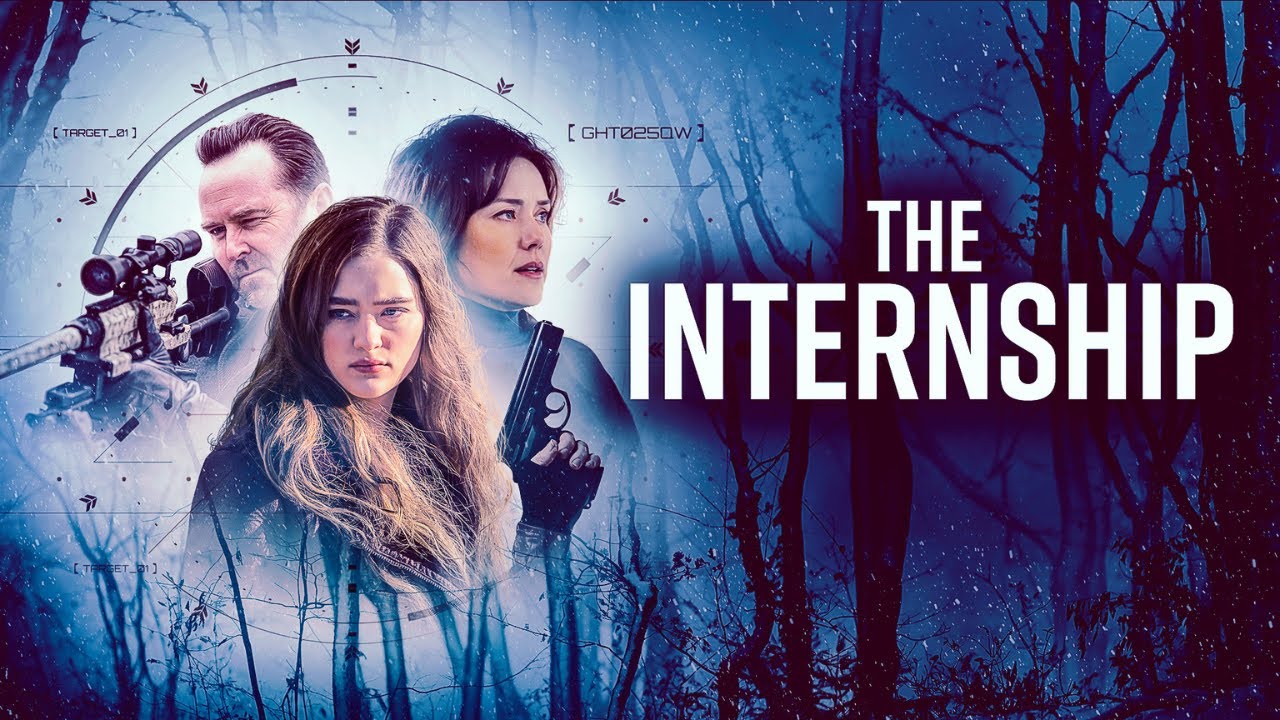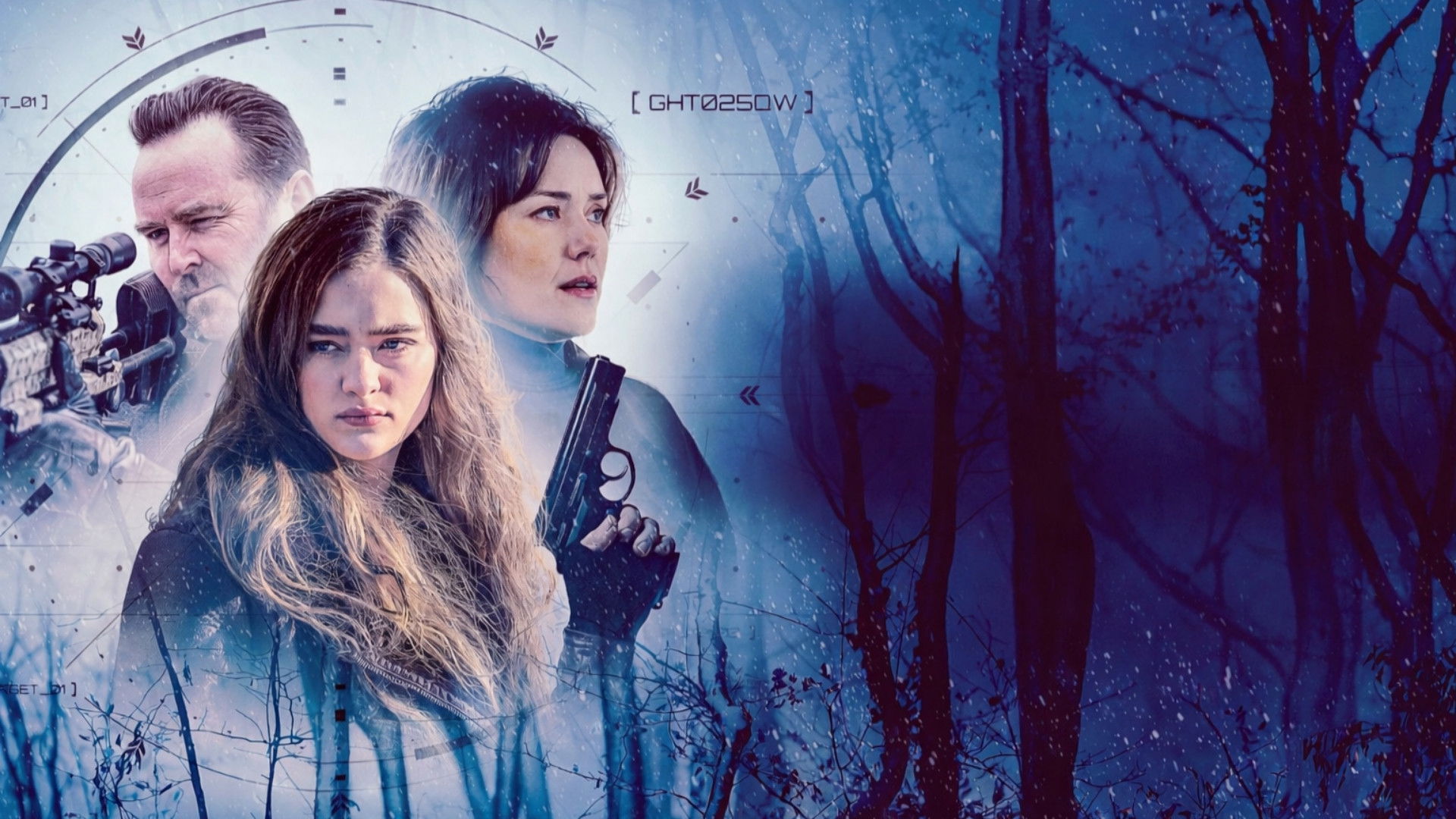
When The Internship premiered in January 2026, it arrived with minimal fanfare—the kind of film that slipped into theaters quietly, without the studio machinery usually reserved for action tentpoles. With a modest runtime of just 91 minutes and a cast led by Lizzy Greene, Megan Boone, and Sky Katz, this James Bamford-directed thriller seemed destined to be overlooked. Yet what emerged was something far more interesting than its box office performance—or lack thereof—might suggest: a lean, efficient action film that redefined what a female-driven espionage thriller could be in the mid-2020s.
The premise alone signals a departure from typical spy cinema. Rather than following a lone operative, The Internship centers on a CIA-trained assassin who must reassemble her covert childhood program—a network of graduates bonded by shared trauma and training. It’s a concept that could easily have descended into melodrama, but Bamford steered the material toward something grittier and more immediate. The tight 91-minute structure becomes an asset rather than a limitation; there’s no room for unnecessary exposition or emotional bloat. Every scene propels the narrative forward with purpose.
What makes Bamford’s direction particularly noteworthy:
- His economy of storytelling—establishing character and conflict without lengthy backstory sequences
- A visual style that prioritizes clarity in action sequences over trendy quick-cuts
- The decision to center the narrative on female agency rather than victimhood
- A measured approach to pacing that respects both the action and quieter character moments
Lizzy Greene carries the film as its anchor, bringing a hardened intensity to her role as the assassin-turned-recruiter. Greene’s performance refuses easy sympathy; her character isn’t seeking redemption so much as control. This is what distinguishes the film from countless revenge narratives—there’s an ideological coldness here, a recognition that her protagonist exists in moral gray zones that resist convenient resolution. Megan Boone and Sky Katz provide crucial support, their chemistry with Greene suggesting genuine history and complicated loyalty between the three leads.
> The film’s critical reception—a 6.4/10 rating from early viewers—reflects a common prejudice against efficient genre filmmaking. Critics often conflate brevity with shallowness, assuming that a 91-minute action thriller must necessarily be shallow compared to bloated three-hour dramedies.
The box office uncertainty surrounding the film (with production budgets and revenue figures remaining largely undisclosed) tells its own story about 2026’s theatrical landscape. Studios struggled that year to position female-led action films, still operating under outdated assumptions about audience demographics. The Internship became collateral damage in that ongoing miscalculation—a film that deserved wider distribution but instead found its audience through streaming and home video, where it has quietly gained appreciation among viewers who value substantive action cinema over spectacle.
Key elements that define the film’s lasting significance:
- Female ensemble storytelling – Moving beyond the “strong female character” trope toward complex, morally ambiguous women with their own agendas
- Efficient narrative design – Proving that action films don’t require bloated runtimes to develop character and stakes
- Visual storytelling over exposition – Bamford’s willingness to let images and action sequences convey information
- Interrogating loyalty and betrayal – The film treats its central relationship as genuinely fraught, not automatically redemptive
What’s particularly interesting is how The Internship positioned itself within a broader conversation about women in action cinema. By 2026, audiences had seen numerous attempts to recalibrate the genre—some succeeding wildly, others failing spectacularly. This film found a middle path, neither bombastic nor apologetic about its genre conventions. It simply executed them with competence and purpose, allowing Greene, Boone, and Katz to inhabit their roles as fully realized characters rather than plot devices.
The film’s legacy may ultimately prove more significant than its initial reception suggested. In retrospect, The Internship represents a particular moment when action cinema was beginning to mature beyond the “girl boss” aesthetic that had dominated the early 2020s, moving instead toward genuine moral complexity. The violence here carries weight; the betrayals land harder because we understand the relationships being shattered. Bamford understood that the most effective action comes from emotional stakes, not just physical ones.
For film enthusiasts willing to look beyond aggregated scores and box office numbers, The Internship offers a masterclass in purposeful genre filmmaking. It’s a film that knows exactly what it wants to be—no apologies, no extended runtime padding, no unnecessary sentimentality. In an era when so many action films mistake runtime for depth, there’s something quietly radical about a 91-minute thriller that respects both its audience’s intelligence and their time. That restraint, combined with the assured performances from its female leads, gives the film a staying power that more celebrated but more bloated efforts have since failed to achieve.