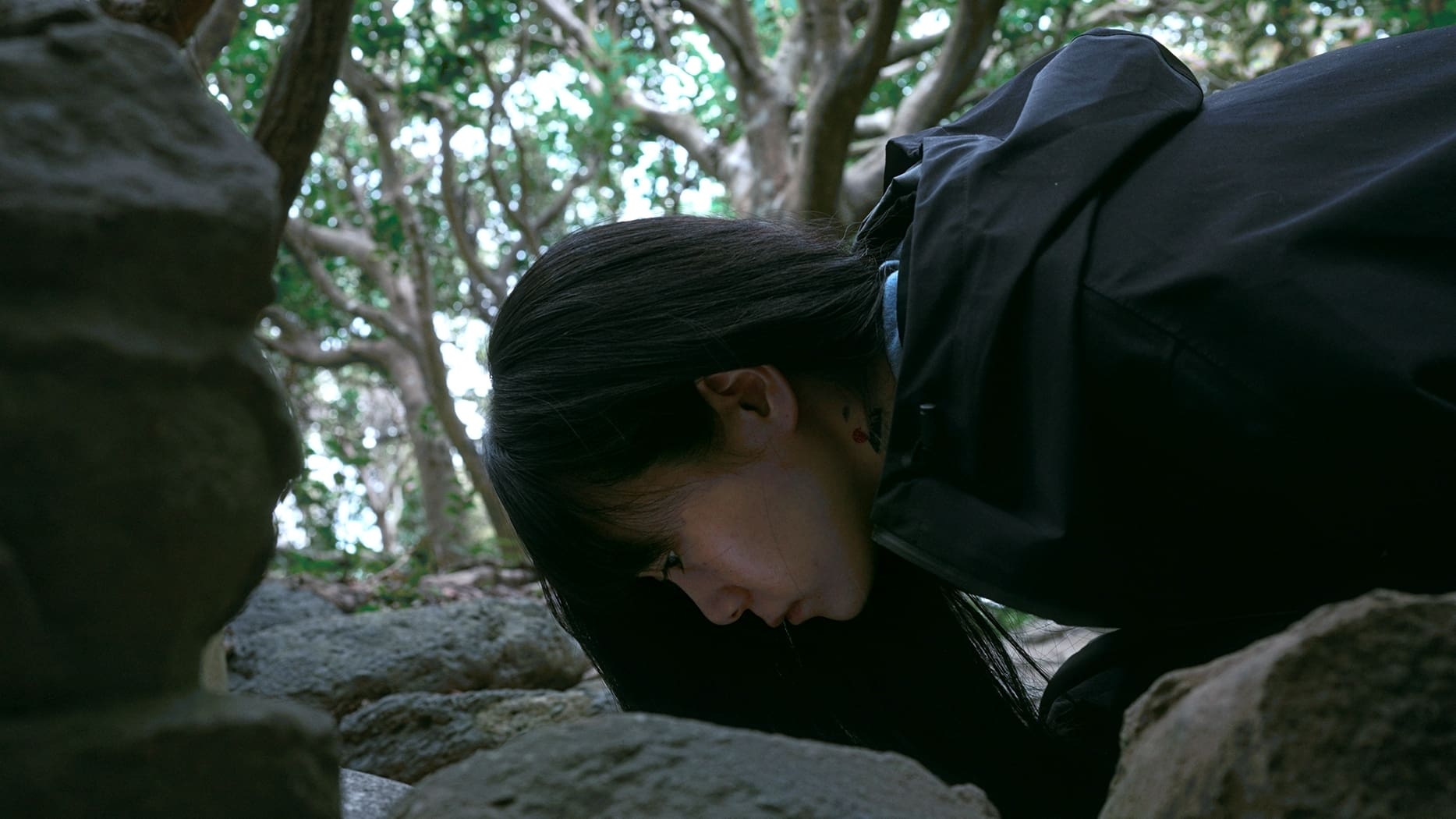
There’s something particularly compelling about a filmmaker making their directorial debut with material this intimate and emotionally complex. Du Jie, a accomplished cinematographer who’s spent two decades behind the camera for some of China’s most distinctive filmmakers, is stepping into the director’s chair with The Height of the Coconut Trees, and the project feels like a natural evolution rather than a sudden departure. When a cinematographer finally gets to tell their own story, you sense they’ve been storing up a particular visual language and emotional vocabulary for years—and this film is set to be the vessel for all that accumulated artistry.
What makes this film so anticipated is the deeply personal foundation beneath its surface. Du Jie conceived this story inspired by a true incident involving a friend whose solo travel was mistaken for something far more tragic—a suicide. There’s a powerful resonance in that premise: the ways we misread each other, the assumptions we layer onto silence, and how a simple misunderstanding can echo across multiple lives. It’s the kind of narrative that demands a delicate touch, the kind where a misstep in tone could tip the entire film into melodrama. The fact that Du Jie is directing suggests this story will be handled with the precision of someone who understands visual storytelling at its most refined.
The ensemble cast brings considerable weight to this project. Minami Ohba, Soichiro Tanaka, and Riria Kojima are set to anchor this Japanese-set narrative about two young couples whose lives intersect in ways both subtle and devastating. The structure itself—following parallel storylines of a young woman taking an unexpected solo honeymoon and a man haunted by his girlfriend’s absence—creates a deliberate dissonance that invites comparison, grief, and misinterpretation. It’s a narrative architecture that requires nuance from its performers, and the casting suggests Du Jie has found actors willing to inhabit emotional complexity rather than play obvious beats.
The film’s central conceit hinges on one of cinema’s most enduring questions: what can we really know about another person’s inner world?
Scheduled for release on February 6, 2026, the film has already generated significant buzz within film festival circles. Its Busan premiere garnered considerable critical attention, with reviewers noting the “lightly haunted” quality of the narrative—that sense of spectral presence, of lives shaped by what didn’t happen as much as what did. That kind of atmospheric sensibility isn’t easily manufactured; it requires a director who understands how to use space, silence, and the absence of explanation as storytelling tools.
Consider what Du Jie brings to this project from his cinematography background:
- Visual precision: Two decades of composition work means Du Jie understands how to frame an emotional moment before the actor even enters the scene
- International perspective: Having collaborated with diverse Chinese filmmakers, he brings a sophisticated understanding of visual storytelling across different cultural contexts
- Patient pacing: Cinematographers know that not every moment requires action—sometimes the best storytelling lives in what you’re not showing
- Collaborative instinct: Success in cinematography demands deep communication with directors; now that role reverses, and he likely brings empathy to working with his cast and crew
What’s particularly interesting about The Height of the Coconut Trees is how it resists easy categorization. It’s not quite a mystery, not quite a romance, not quite a meditation on grief—it’s something more elusive, a film that seems to understand that real emotional truth often exists in the spaces between genres. The title itself suggests something about perspective and distance; coconut trees evoke tropical displacement, the exotic made mundane, the beautiful rendered melancholic.
The film arrives during a moment when cinema is increasingly hungry for stories that trust audiences with ambiguity. We’ve had enough of narratives that explain everything, that tie up every loose thread. Du Jie’s debut appears to be offering something different: a story about how we construct meaning from incomplete information, how we grieve for people and possibilities, how lives can brush against each other and leave permanent marks without ever fully understanding what happened.
- The cinematography foundation: Du Jie’s technical mastery will likely manifest in compositional sophistication most debut directors take years to develop
- The cast’s interpretive demands: These aren’t roles with obvious emotional arcs; they require actors who can suggest inner turbulence through restraint
- The festival momentum: Early critical recognition suggests word-of-mouth will build considerably between now and February 2026
- The thematic timeliness: In an era of isolation and misread communication, a film about profound misunderstanding feels particularly resonant
At this point, with no rating yet registered—the film simply exists as a future possibility on databases—there’s still time for The Height of the Coconut Trees to become something genuinely important. Not important in a flashy, obvious way, but important as the kind of film that lingers in conversation, that people return to, that reveals something new about human connection and disconnection each time you revisit it. When a cinematographer finally steps behind the camera to tell their own story, the cinema gains something it couldn’t have before: the visual language of someone who’s spent decades watching others create, now finally speaking in their own voice.