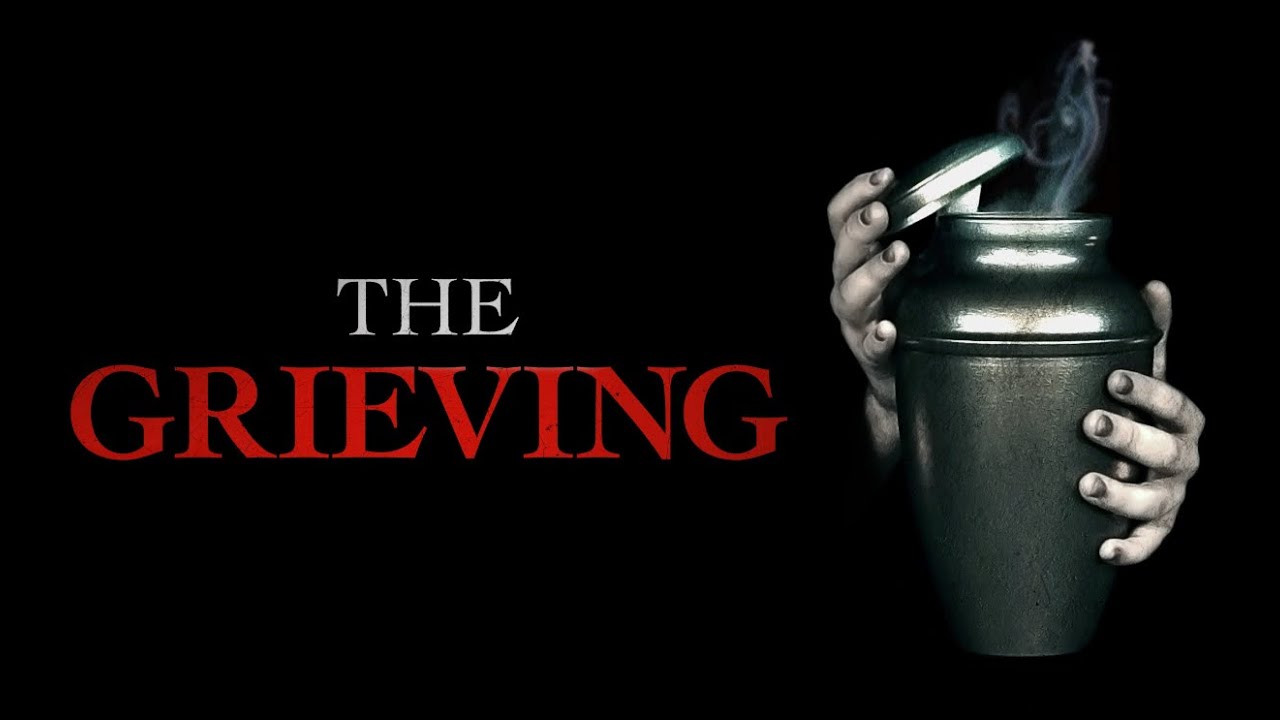
There’s something particularly compelling about horror that dares to explore genuine emotional territory, and The Grieving is shaping up to be exactly that kind of project. Scheduled for release on February 12, 2026, this Italian production from T3 Directors S.r.l. is generating real anticipation in film circles—and for good reason. We’re not just talking about another genre exercise here; we’re looking at filmmakers who seem genuinely interested in mining the intersection between psychological trauma and supernatural dread.
Director Alessandro Antonaci is bringing a sensibility to this material that feels distinctly different from the typical horror landscape right now. What’s particularly interesting is how The Grieving appears to be tackling grief and loss not as mere thematic window dressing, but as the actual emotional core driving the narrative tension. That’s the sweet spot where horror becomes something more resonant—when the scares aren’t just about jump scares or creature design, but about the internal dissolution of characters grappling with real, human devastation.
The ensemble cast Antonaci has assembled speaks volumes about the project’s ambitions. Penelope Sangiorgi, Matteo Pasquini, and Francesca Vettori aren’t household names in the international market, which is refreshing in its own way. There’s often a particular kind of authenticity that emerges when filmmakers work with actors who bring genuine craft rather than marquee recognition. These are performers who will likely inhabit their roles with the kind of commitment that independent cinema—especially European independent cinema—tends to attract.
The film’s decision to ground itself in emotional specificity rather than spectacle suggests Antonaci understands something fundamental: grief is horror. Not metaphorically—literally. The way it distorts reality, fractures relationships, and leaves us questioning our own perceptions.
What makes this project particularly timely is how contemporary cinema has been circling around trauma narratives with increasing sophistication. You’re seeing it everywhere right now—the recognition that horror works best when it taps into something psychologically true. The Grieving will be arriving into a moment where audiences are actively seeking genre films with substance, films that don’t treat emotional depth as secondary to the scares.
The international sales acquisition by Vaneast Pictures is also worth noting. This isn’t some random development deal; this signals that The Grieving has already caught the attention of experienced distributors who recognize quality work. Vaneast’s involvement suggests the film has something worth championing beyond its domestic Italian market, which means Antonaci’s vision is translating across cultural boundaries—always a good sign for a film’s thematic resonance.
Here’s what we’re anticipating from this collaboration:
A horror film that trusts its audience – At just 1 hour and 35 minutes, there’s no room for padding or unnecessary detours. This runtime suggests disciplined storytelling focused on emotional and narrative economy.
Italian filmmaking sensibility – European horror often operates on a different frequency than American genre work. There’s typically more patience with ambiguity, more willingness to sit in discomfort, and visual storytelling that prioritizes mood over explanation.
Character-driven narrative – With three principal cast members getting top billing, this doesn’t seem like a film interested in ensemble chaos or disposable characters. These feel like roles designed to carry psychological weight.
Thematic sophistication – The emphasis on grief as central rather than peripheral suggests Antonaci is interested in exploring how loss fundamentally rewires our relationship to reality itself.
What’s notable is that despite the film being firmly in the horror and thriller genres, the conversation surrounding it has been focusing on its emotional architecture rather than its scares. That’s the mark of filmmakers with something genuine to say. When people are talking about a horror film’s approach to grief before it’s even released, you know the creative team has articulated a vision that extends beyond genre mechanics.
The fact that The Grieving arrives with a clean slate—no preexisting ratings or box office data to anchor expectations—also works in its favor narratively. There’s no baggage, no comparison to be made to the director’s previous work or the actors’ recent projects. February 12, 2026 will essentially be a first encounter, which means audiences will be able to meet this film on its own terms.
What The Grieving ultimately represents is a particular kind of filmmaking that feels increasingly vital: horror that isn’t afraid of emotional complexity, European sensibility meeting contemporary genre awareness, and a creative team willing to trust that audiences can hold genuine feeling and genuine fear in their minds simultaneously. That’s not a given in modern horror, and it’s precisely why this film deserves the attention it’s already generating. Come February, we’ll likely be looking at a work that reminds us why horror, at its best, is where cinema goes to process the deepest aspects of human experience.