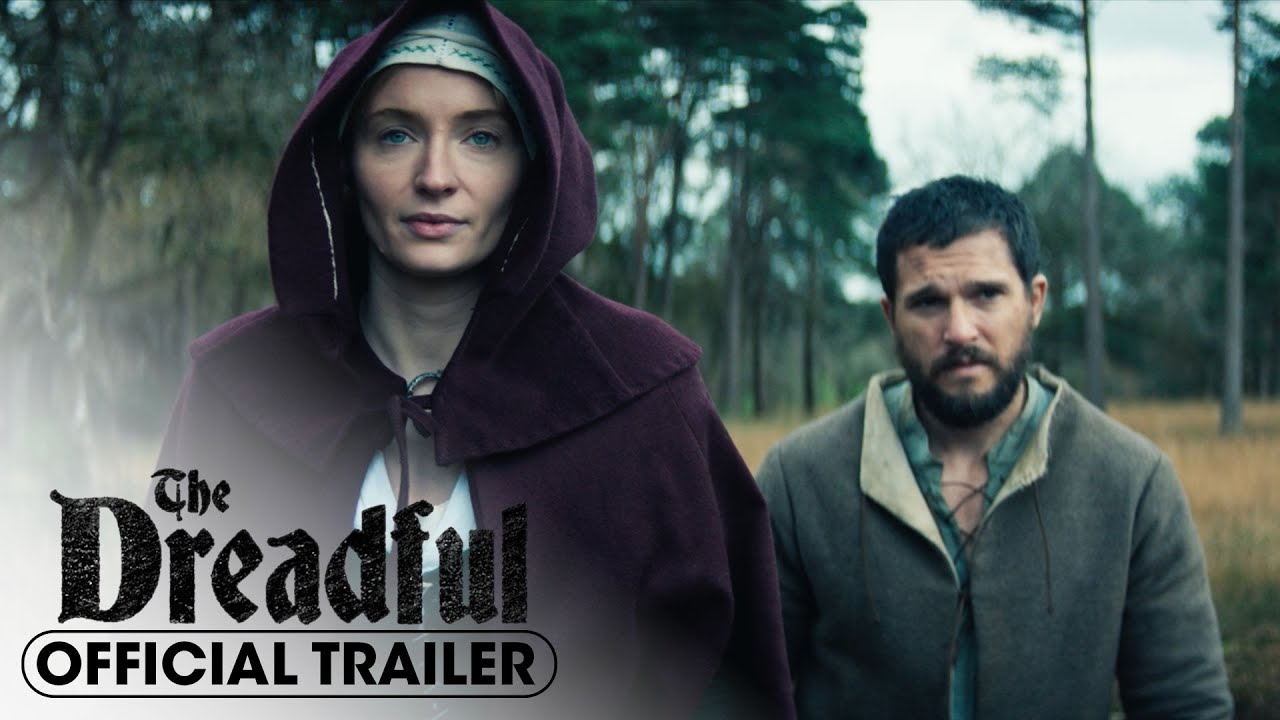
There’s something genuinely intriguing happening in the lead-up to The Dreadful, which is scheduled to arrive on February 20, 2026. This isn’t just another horror film trying to capitalize on jump scares and cheap thrills—it’s a project that’s been quietly building anticipation through its creative choices and the talent involved. When you start examining what’s actually at play here, it becomes clear why cinephiles and genre enthusiasts are already marking their calendars.
The Promise of a Distinctive Voice
At the center of this film is Natasha Kermani, a director who has consistently demonstrated a willingness to explore the intersection of psychological depth and genre filmmaking. Kermani brings a sensibility that treats horror not as spectacle but as a framework for examining human relationships and societal pressures. With The Dreadful, she appears poised to craft something that operates on multiple levels—a horror narrative that’s equally interested in character study and atmospheric dread.
The premise itself is compelling: we’re entering the world of Anne and her mother-in-law Morwen, two women living in harsh isolation on society’s margins. Their carefully constructed existence is disrupted when a figure from their past emerges. It’s gothic in its bones—isolation, secrets, the claustrophobia of family dynamics—but the way Kermani is likely to explore these elements suggests we’re getting something more psychologically nuanced than a straightforward supernatural tale.
A Reunion With Unexpected Chemistry
What’s genuinely fascinating about this project is the reunion between Sophie Turner and Kit Harington. These two spent years playing siblings on Game of Thrones, so their onscreen partnership carried a very specific dynamic. Casting them as lovers in The Dreadful fundamentally reframes their connection, and there’s real creative boldness in that choice. It’s the kind of decision that speaks to Kermani’s interest in subverting expectations.
Sophie Turner has been thoughtfully selecting her post-Game of Thrones projects, gravitating toward roles that challenge her range. As Anne, she’s carrying a character defined by isolation and the weight of difficult family circumstances. Turner has shown she thrives when playing women with interior complexity—people who are holding something back, processing trauma quietly.
Kit Harington, meanwhile, brings a particular intensity to roles where charm masks something darker. The man from the past—presumably his character—is likely to be a catalyst for conflict precisely because of the complicated history he shares with Anne and Morwen. That tension between familiarity and threat is where the best psychological horror lives.
The Powerhouse Third
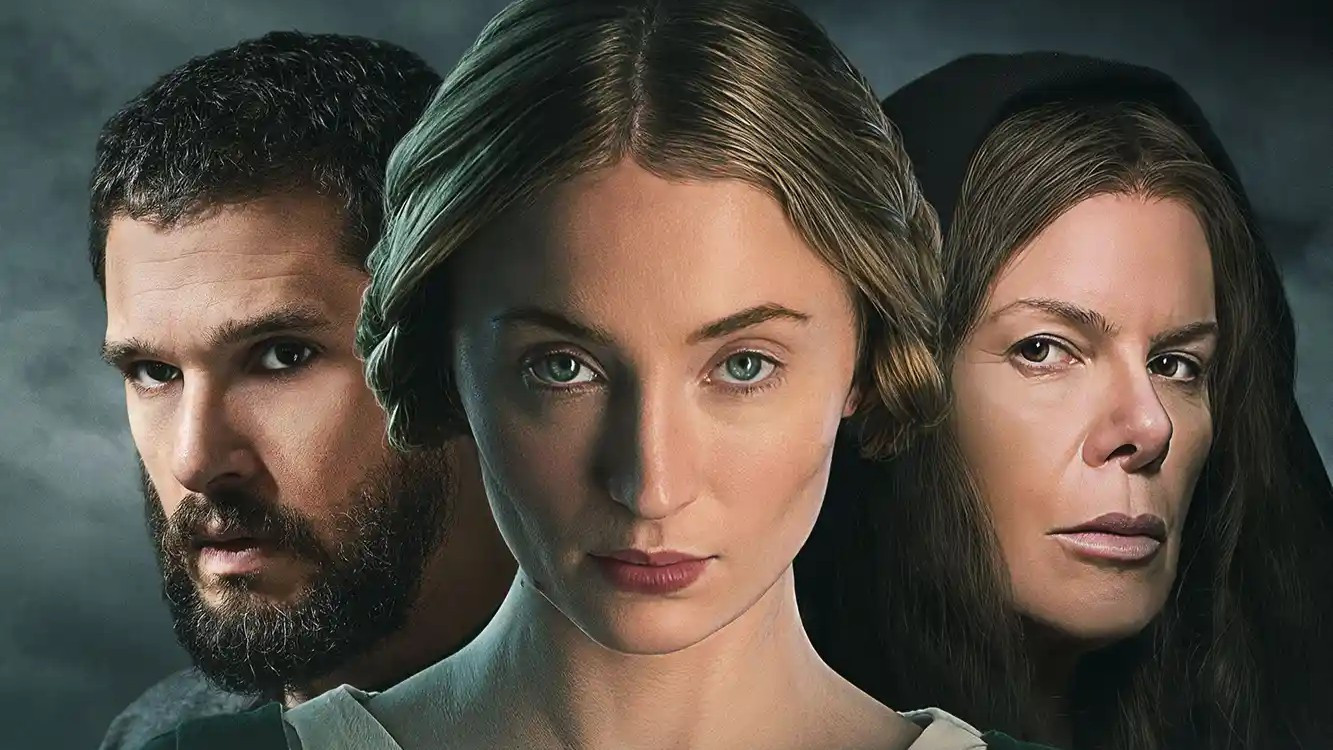
And then there’s Marcia Gay Harden, an actress whose career has been defined by her ability to embody complicated women—mothers, antagonists, figures of moral ambiguity. Morwen, the mother-in-law, could easily be a stock character in less capable hands. But with Harden in the role, we’re almost certainly getting a fully realized human being with her own legitimate grievances and perspectives. The dynamic between these three actors promises to carry genuine emotional weight beneath whatever genre machinery is at work.
Technical and Creative Partnerships
The production comes through Black Magic, Redwire Pictures, and StoryBoard Media, a consortium that suggests a project with genuine backing and creative autonomy. This isn’t a product of a major studio’s horror assembly line. The partnership structure suggests filmmakers who were given the resources to realize a specific vision rather than conform to franchise expectations.
The most interesting horror films are often those that use genre conventions to explore something deeply personal about human experience—and The Dreadful appears positioned to do exactly that.
Why This Matters Beyond Genre
The Dreadful is arriving at a moment when horror cinema is actively interrogating itself. After years of elevated horror examining class warfare, inherited trauma, and the constraints placed on women, this film seems ready to join that conversation. A story about isolation, about women living on the margins, about the return of someone who disrupts that precarious equilibrium—these are thematically rich territories.
The film is set to generate meaningful discussions about:
- How isolation shapes relationships and whether solitude is refuge or prison
- The psychology of unwanted returns and the ghosts—literal or otherwise—that haunt us
- Female agency and survival in narratives that have historically centered male perspectives
- The gothic tradition and how contemporary filmmakers are revitalizing it for modern audiences
The Blank Slate as Opportunity
Right now, with The Dreadful still in its pre-release phase and carrying a 0.0/10 rating (simply because no one has seen it yet), there’s a beautiful openness to what this film might become in the cultural conversation. There are no preset expectations based on critical consensus, no established box office narrative. What exists instead is pure potential—the possibility that Kermani, Turner, Harington, and Harden will create something genuinely memorable.
This is what cinema should offer: the chance to be surprised, to encounter a story told by filmmakers with something to say. The Dreadful is arriving in February 2026 with all the ingredients in place for that kind of genuine cinematic experience.