There’s something genuinely intriguing about The Convenience Store, the upcoming Japanese horror film that will be released on February 20th, 2026. In a landscape increasingly saturated with high-budget horror franchises and familiar jump-scare formulas, here comes a project that’s generating real anticipation based on something refreshingly different: an adaptation of a video game that apparently struck a nerve with players. Director Jirô Nagae is bringing this story to life, and while details remain relatively scarce in these pre-release months, what we do know suggests this could be something worth paying attention to.
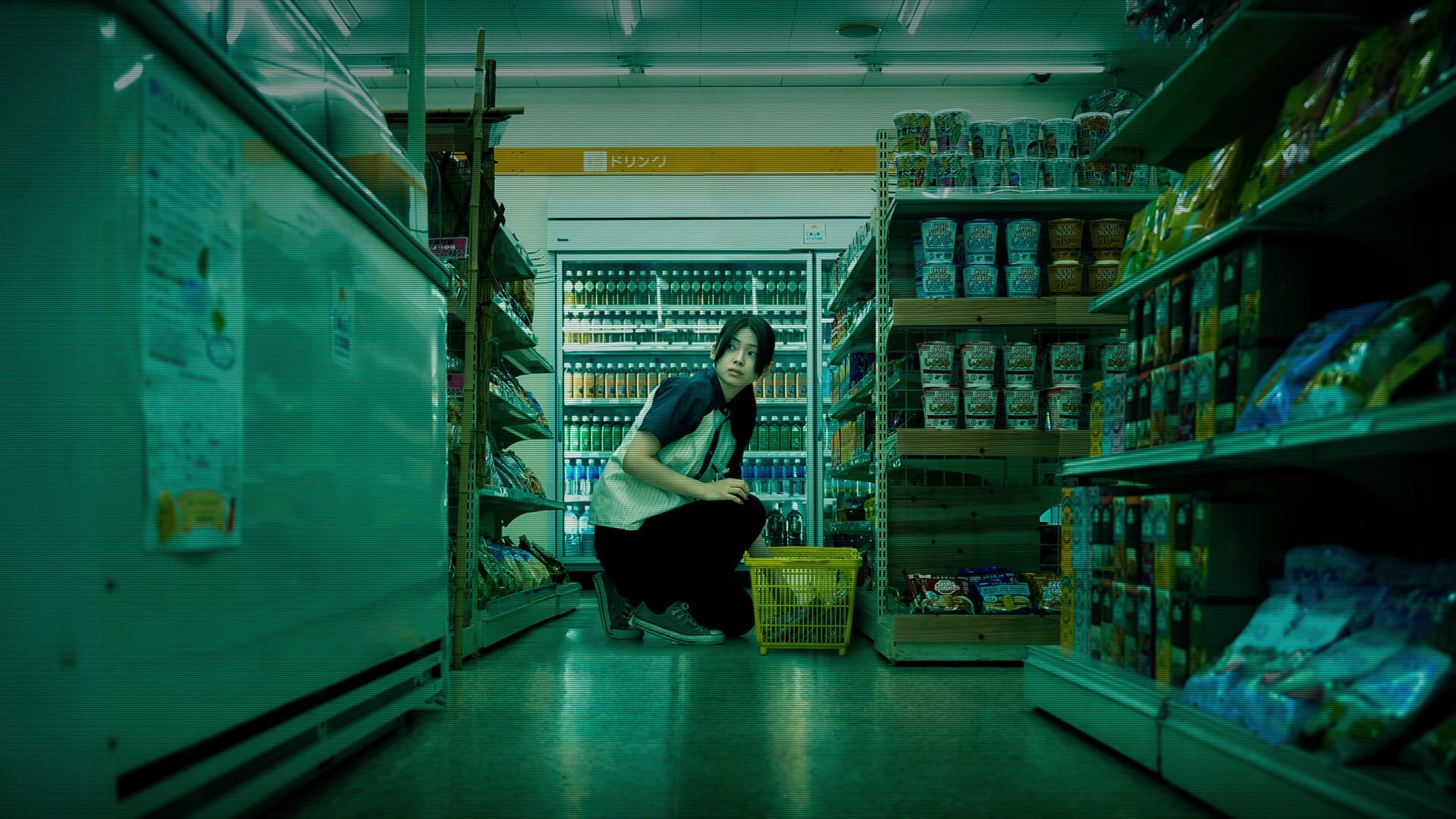
The premise alone is deceptively simple—a college girl working the night shift at a convenience store. It sounds mundane, almost boring on the surface, but that’s precisely where the horror lies. There’s an inherent unease to that setting that most of us have felt at some point: the fluorescent-lit isolation, the late-night atmosphere, the vulnerability of being alone in a supposedly safe, public space. What makes this adaptation potentially compelling is how it takes that everyday anxiety and transforms it into something genuinely unsettling. The source material from the game clearly tapped into something primal about that experience.
Kotona Minami carries this film as the lead, and the casting choice speaks volumes about the filmmakers’ intentions. She’s tasked with anchoring what sounds like a deeply personal, isolated horror experience—there’s no room to hide when you’re alone in a convenience store for eight hours. The success of this film will largely depend on her ability to convey fear, exhaustion, and the mounting psychological pressure of something sinister unfolding around her. It’s the kind of role that demands restraint and authenticity rather than theatrical performance.
What we’re witnessing here is the increasing mainstream acceptance of video game adaptations as legitimate source material for cinema—and horror, in particular, seems to be where these translations are finding genuine success.
Director Jirô Nagae brings a perspective that matters in contemporary horror cinema. Japanese horror has long understood something that Western horror sometimes misses: that atmosphere and dread often work better than explicit gore or supernatural spectacle. The patience required to build genuine tension, the understanding that what you don’t show can be more terrifying than what you do—these are skills that have been honed across decades of Japanese genre filmmaking. Nagae’s approach to this convenience store setting will likely emphasize those strengths.
The film is scheduled to arrive at a particularly interesting moment in cinema. We’re in a post-Resident Evil, post-Sonic era of video game adaptations where the industry has finally begun to understand that successful translations require respecting the source material’s DNA while adapting it thoughtfully for a different medium. The Convenience Store will be released into a market that’s becoming more receptive to these kinds of genre experiments, and more willing to embrace the unique storytelling possibilities that games offer.
Here’s what makes this project’s timing significant:
- Growing audience appetite for horror that focuses on psychological tension rather than spectacle
- International recognition of Japanese horror sensibilities as a major creative force
- The legitimization of video game source material in serious cinema discourse
- Increasing interest in films centered on female protagonists navigating isolation and survival
- The specific appeal of minimalist horror—single-location stories with high stakes
The fact that The Convenience Store is generating conversation months before its February 2026 release suggests that people are genuinely curious about what Nagae will do with this material. There’s no massive marketing machine behind it (at least not yet), no celebrity A-list cast demanding attention. What there is, instead, is intrigue—the kind that builds through word-of-mouth and festival whispers before a film even reaches theaters.
Currently, the film sits at a 0.0/10 rating on various databases, which is simply the natural state of unreleased films waiting for actual audience engagement. Once it hits screens in just over a year, we’ll finally have genuine critical perspective and viewer reactions to work with. That blank slate, in many ways, is part of the appeal—there are no preconceived notions, no viral discourse trying to shape your expectations.
What makes this film matter goes beyond just the immediate horror genre conversation. The Convenience Store represents a broader shift in how cinema is approaching storytelling. It’s about recognizing that sometimes the most effective horror isn’t found in abandoned mansions or supernatural realms, but in the ordinary spaces where we spend our ordinary lives—spaces that suddenly, in the right hands, can become anything but ordinary.
When audiences walk out of theaters in February 2026, they’re likely going to be talking less about what they saw and more about how Nagae made them feel. And in horror, that’s always been the truest measure of success.