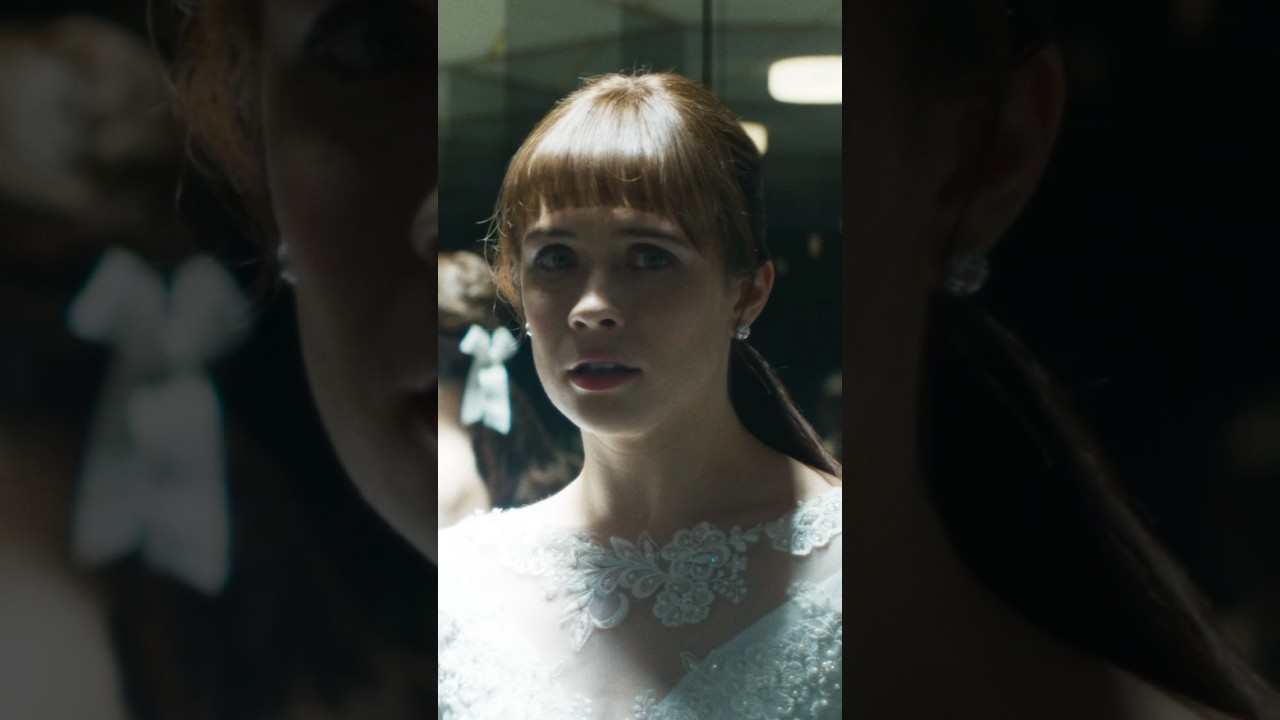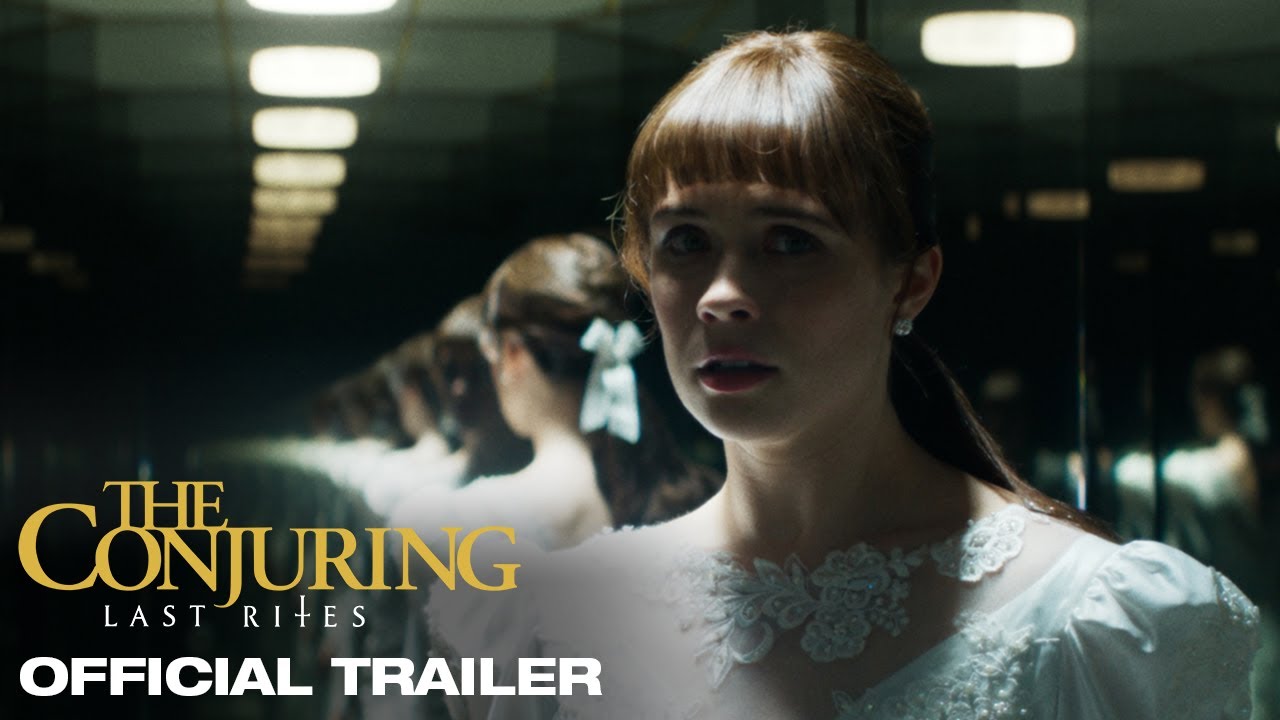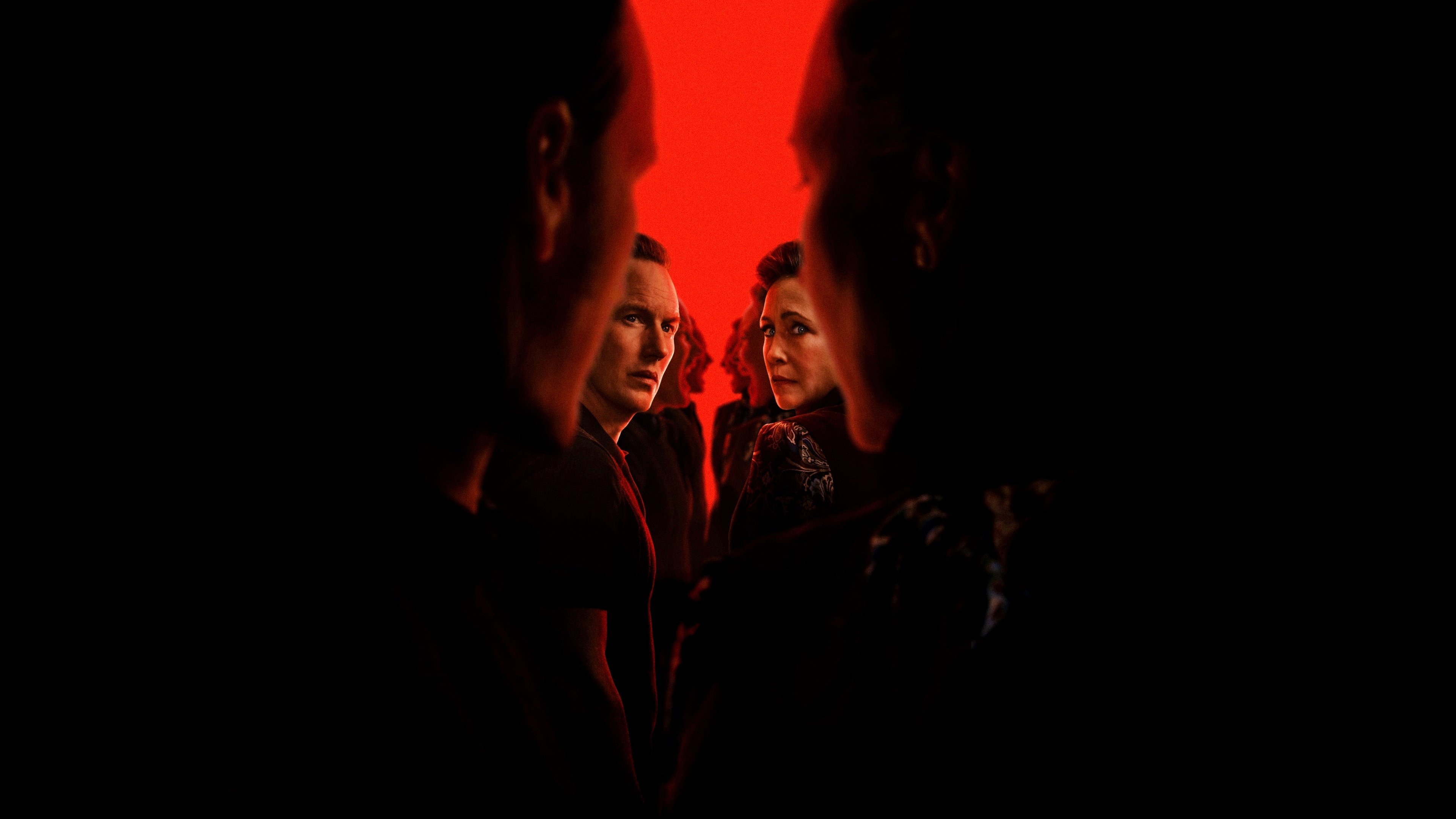
When The Conjuring: Last Rites premiered in September 2025, it arrived with a specific kind of weight—the kind that comes with knowing something is ending. The tagline promised “The case that ended it all,” and audiences took that promise seriously. The film opened to a staggering $83 million domestically, making it not just the biggest horror premiere of 2025, but a genuine cultural moment that proved horror audiences hadn’t abandoned theatrical experiences. In an era where streaming platforms seemed poised to swallow entire genres whole, this franchise-capstone reminded us that some stories demand to be experienced in the dark, surrounded by strangers who are just as terrified as you are.
What’s genuinely striking about Last Rites is how it managed to justify its $55 million budget—and then some. The final box office tally of nearly $495 million worldwide tells you something important: this wasn’t a vanity project or a desperate cash grab. Michael Chaves understood the assignment. He knew he was closing a chapter on one of modern horror’s most consistently effective franchises, and he brought a level of craftsmanship that matched the occasion. That kind of commercial trust doesn’t come cheap, and the studio’s confidence paid off in spades.
> The film didn’t just make money—it recalibrated what audiences expected from a franchise finale in the horror genre, proving that thoughtfulness and spectacle aren’t mutually exclusive.
The creative vision Chaves brought to the director’s chair is where things get really interesting. His previous work on The Conjuring: The Devil Made Me Do It had already demonstrated a filmmaker who understood the value of psychological tension over cheap jump-scares. For Last Rites, he apparently leaned even harder into character and atmosphere. The 2 hour 16 minute runtime might have seemed risky for a horror film—casual audiences often expect tighter pacing—but Chaves seemed confident that audiences would stay invested if given genuinely compelling reasons to do so.
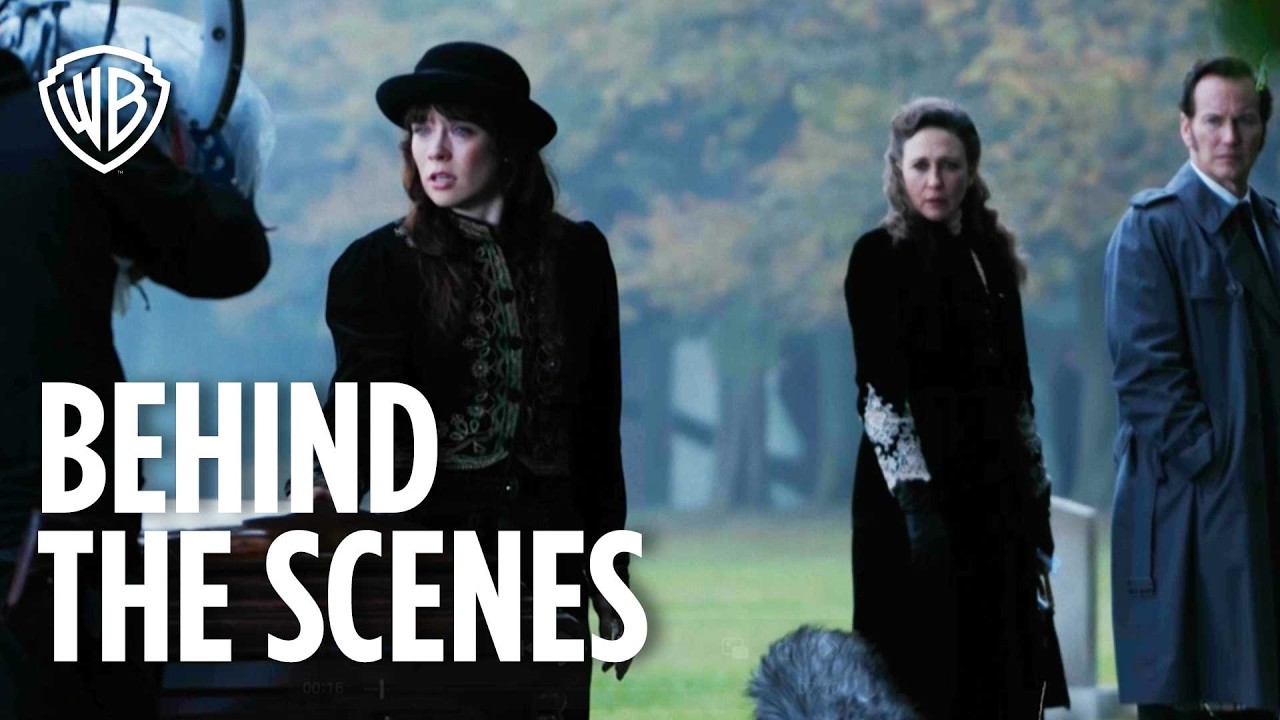
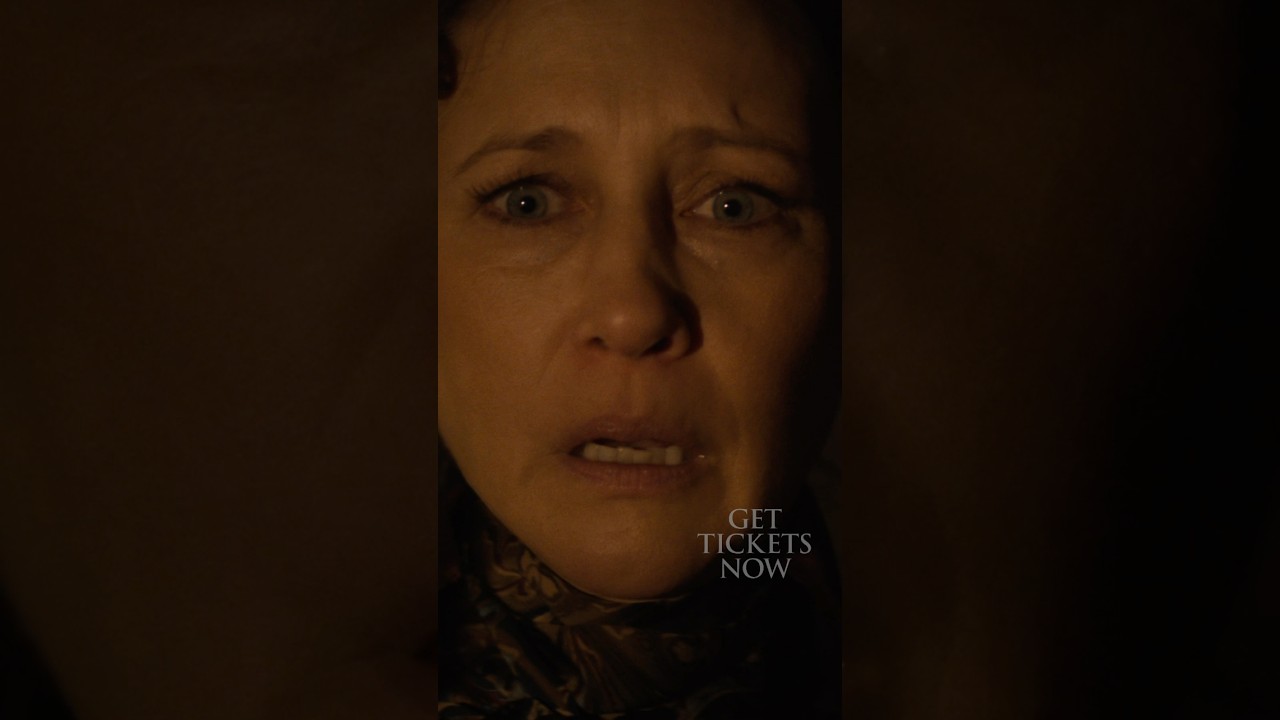
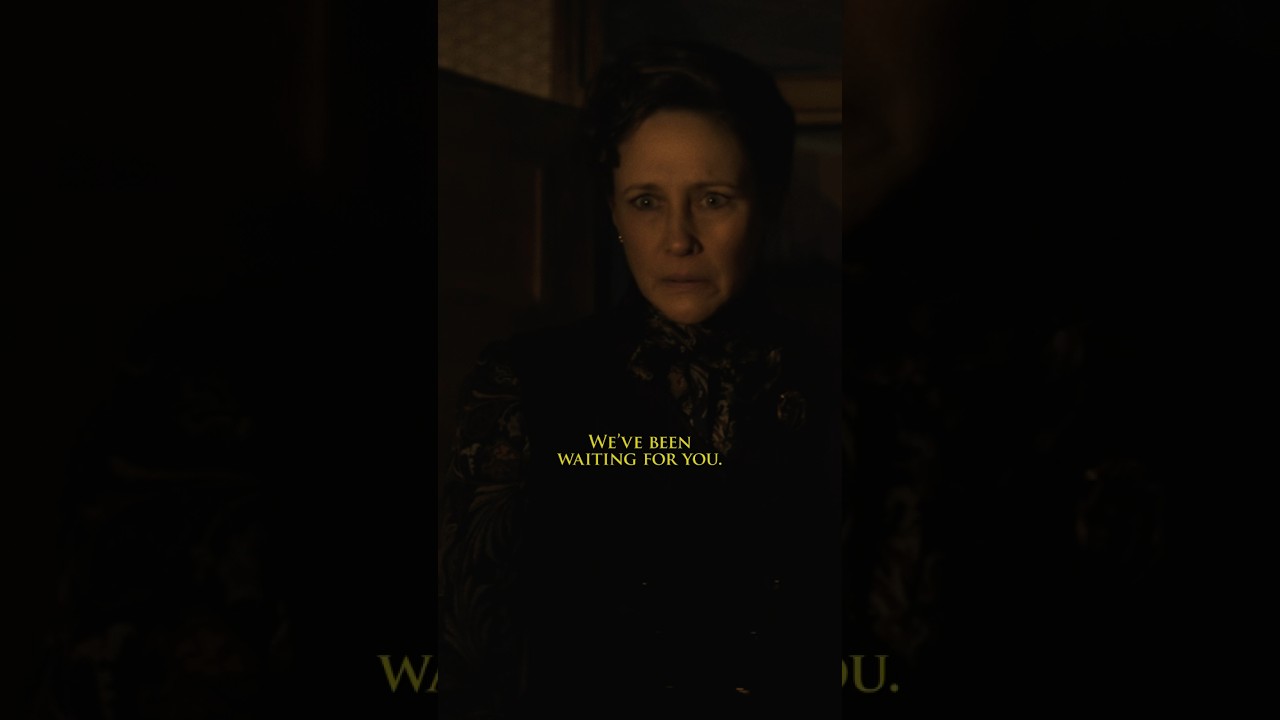
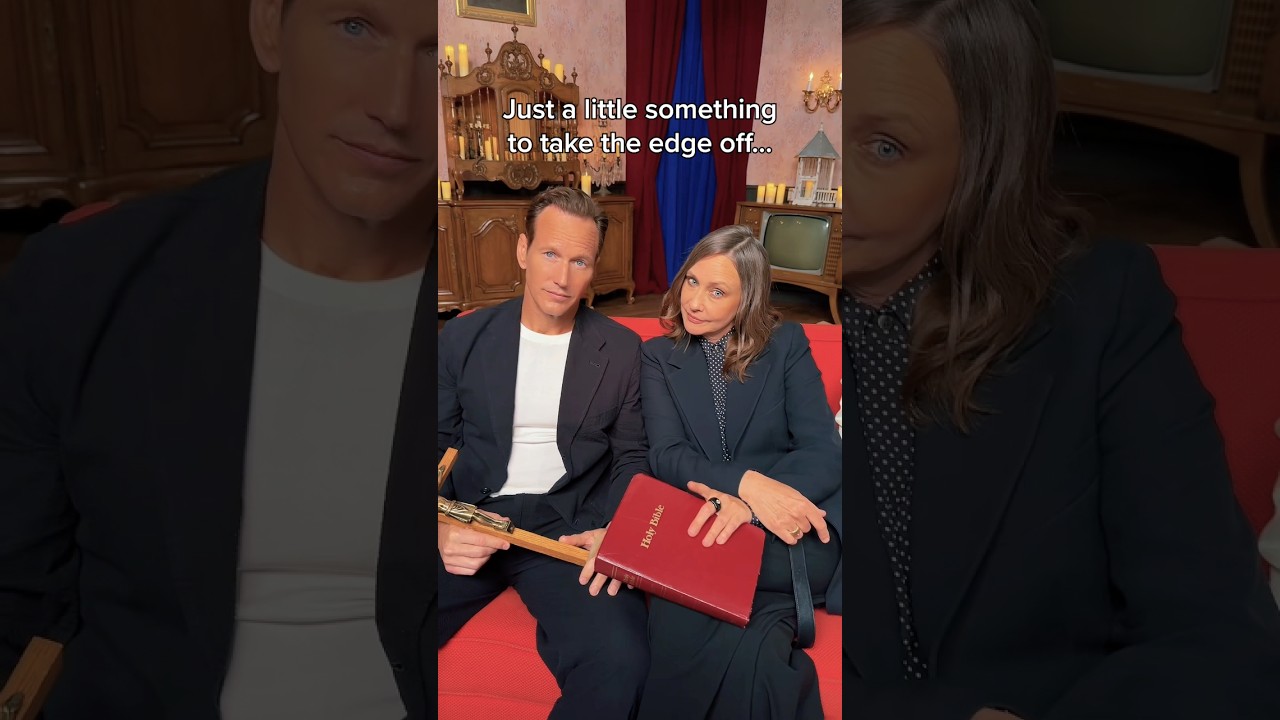
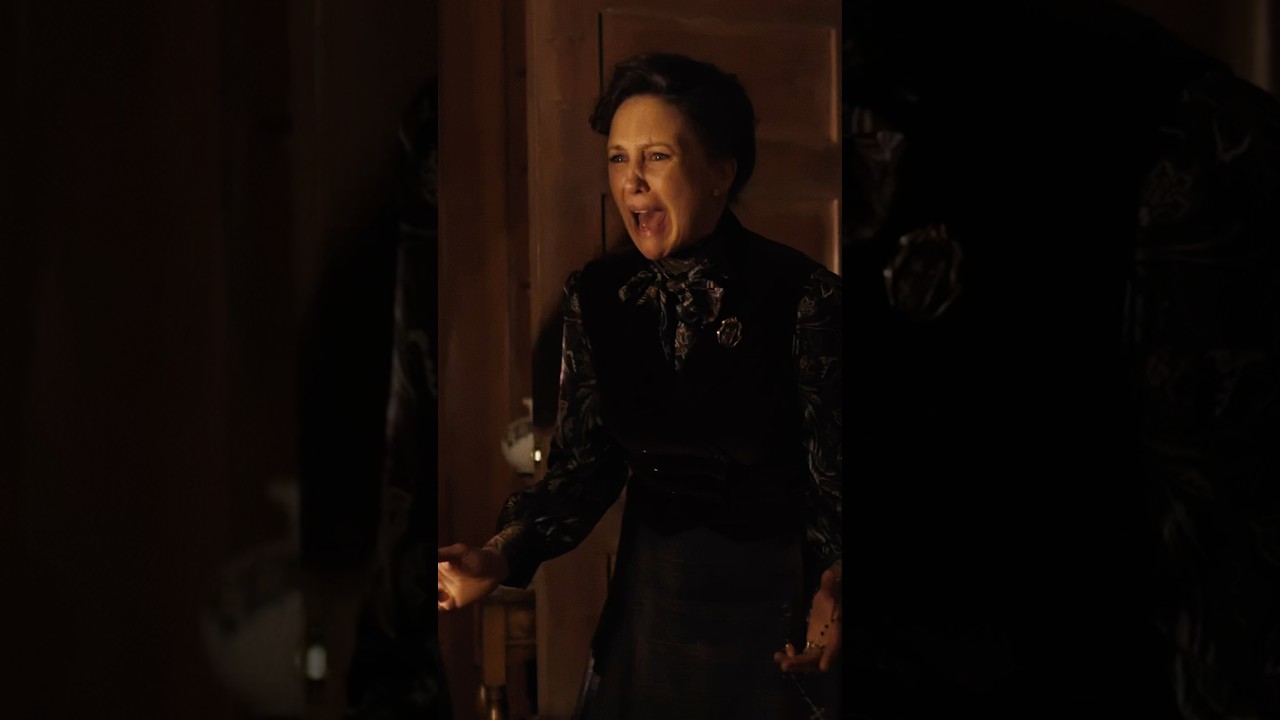
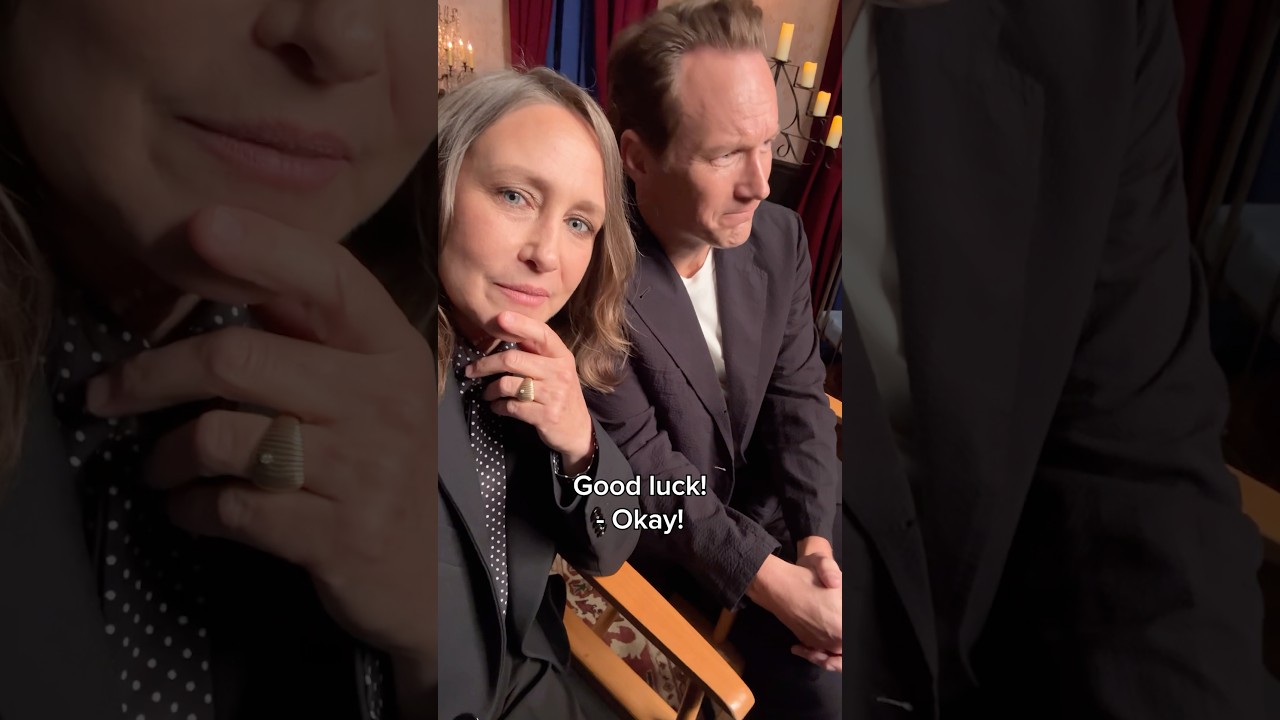
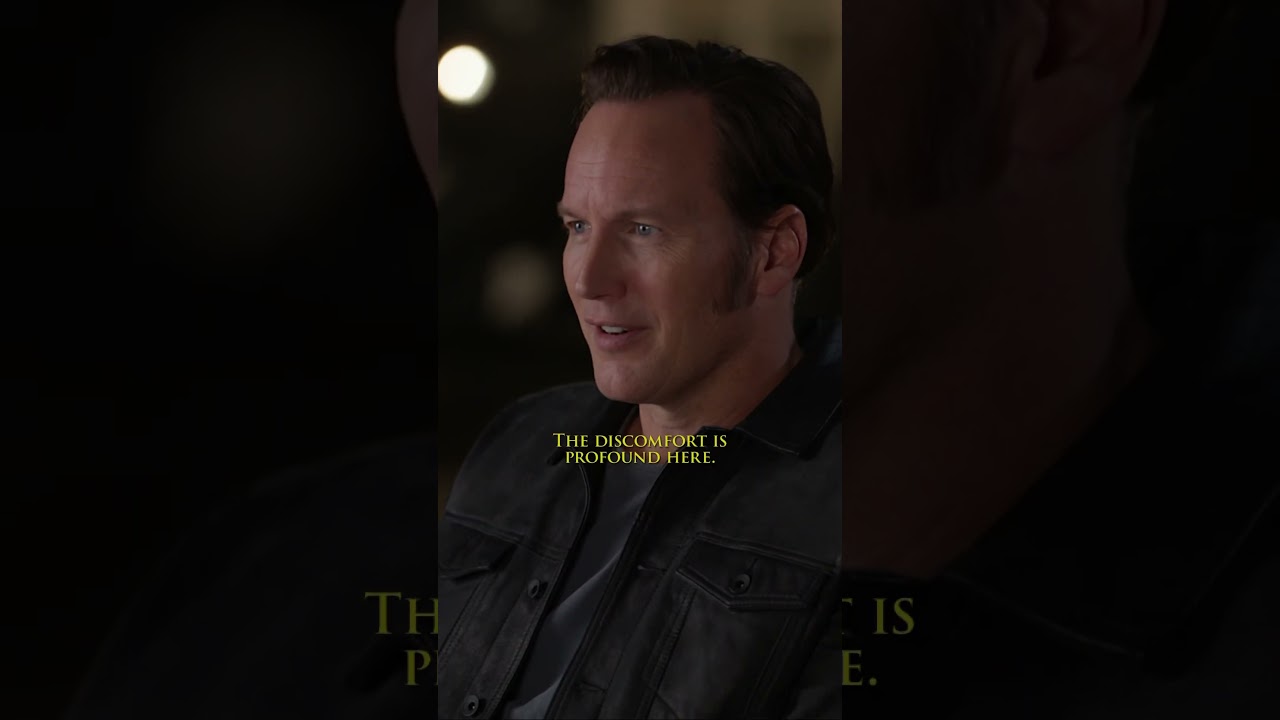
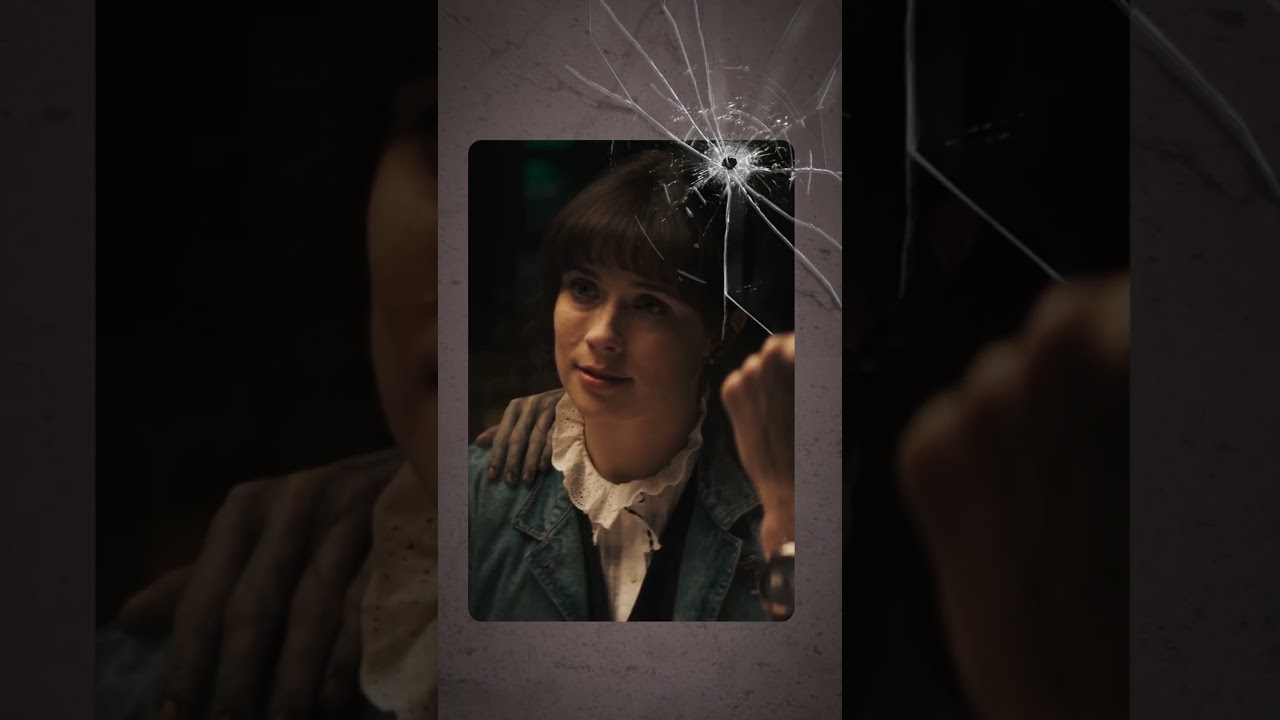
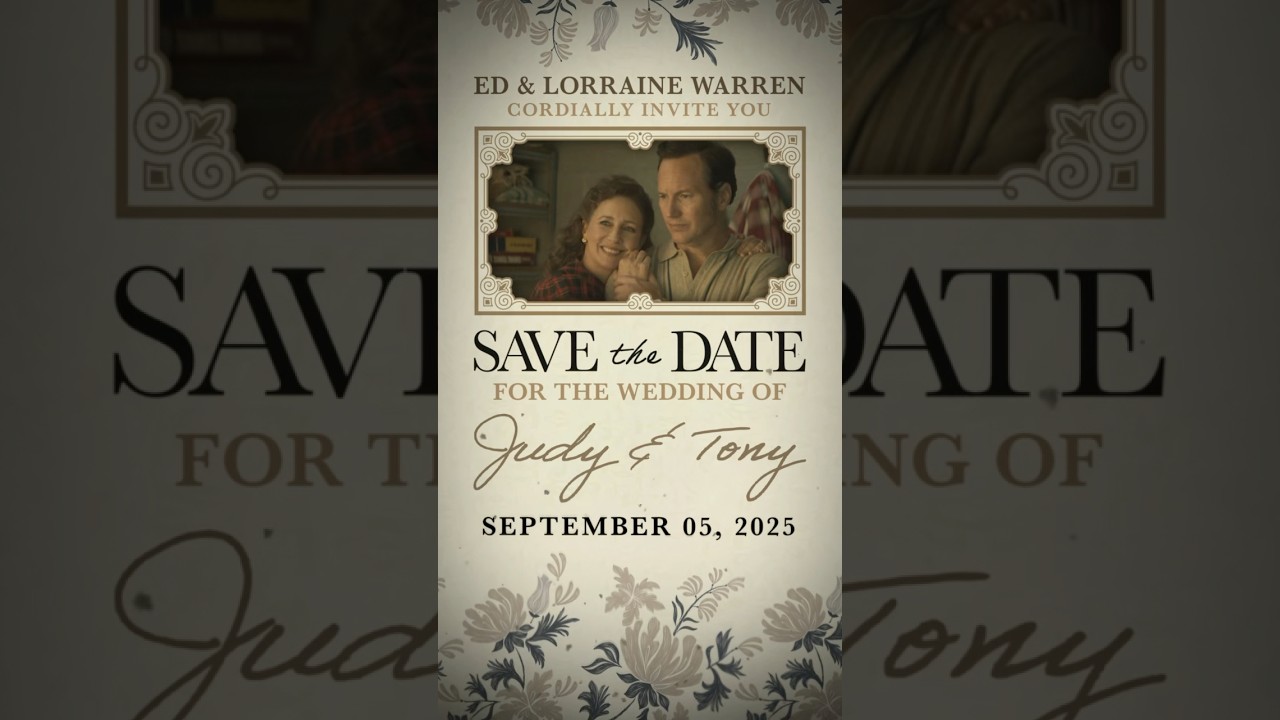
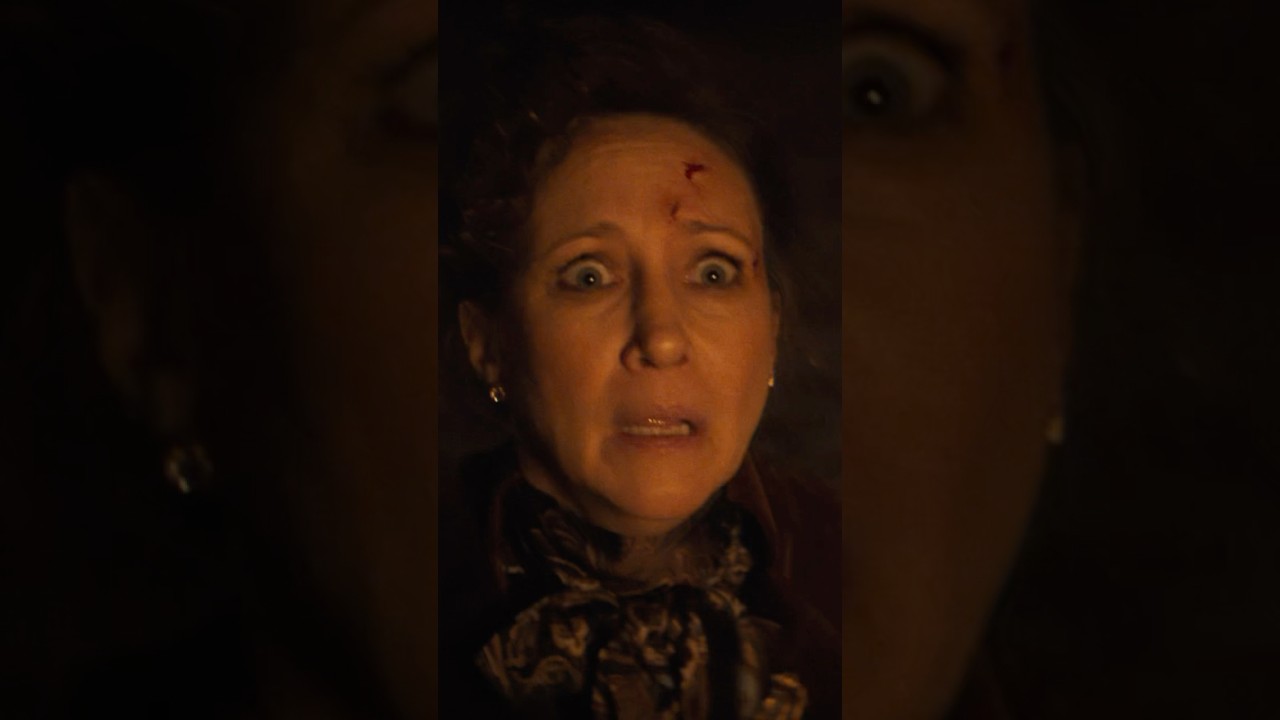
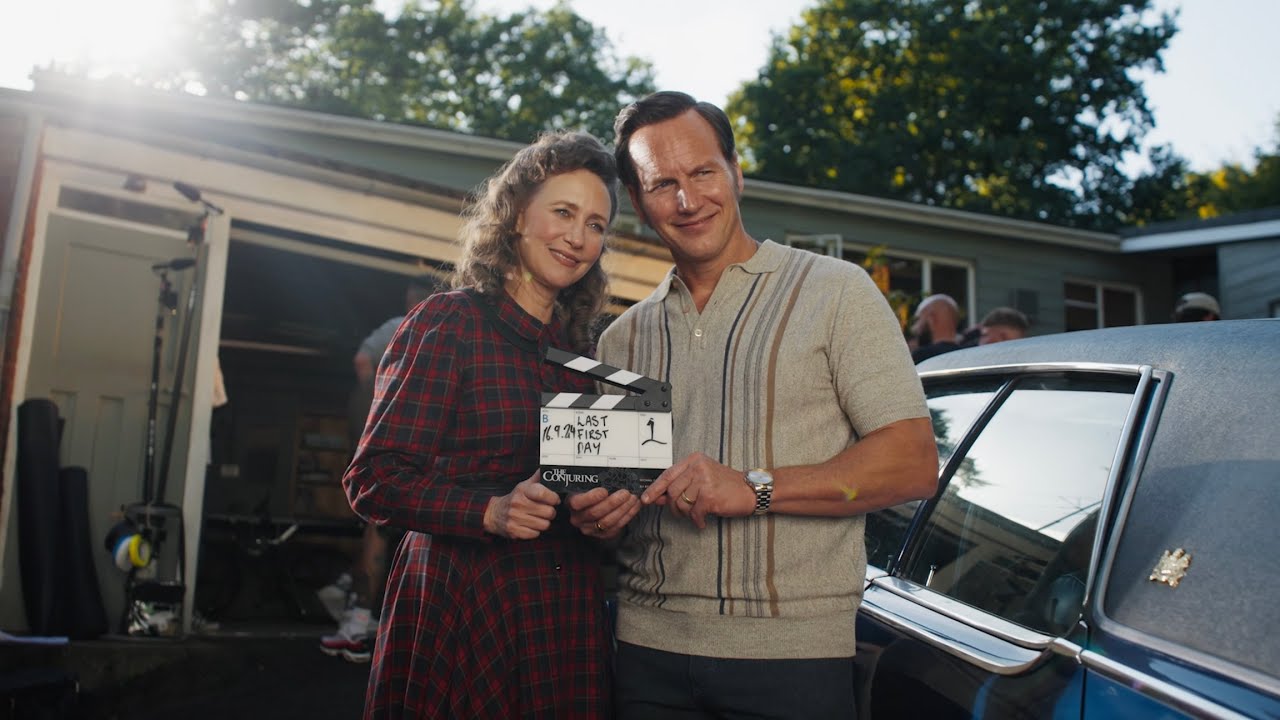
Patrick Wilson and Vera Farmiga carried this film exactly as they’ve carried the entire franchise: with the kind of seasoned professionalism that makes supernatural investigation feel like a lived experience rather than a plot device. These two have developed such a palpable chemistry over multiple films that they function almost as emotional anchors. When they’re onscreen together, you believe in the marriage, the faith, and the mutual sacrifice. That’s no small thing in a horror film where the temptation is always to push characters toward melodrama. The addition of Mia Tomlinson to the ensemble brought fresh energy without requiring the established characters to step back.
The critical reception—a 6.9/10 rating from nearly 1,600 votes—sits in an interesting middle ground. This isn’t a film that inspired universal critical rapture, and that’s actually more honest than many franchise finales deserve. What the score suggests is a film that worked effectively for most audiences while leaving room for legitimate critique. Perhaps the runtime felt indulgent to some, or maybe certain narrative choices didn’t land universally. The beauty of horror as a genre is that visceral effectiveness matters more than critical consensus. If you felt genuinely unsettled leaving the theater, the film did its job—and clearly, most viewers did.
What makes Last Rites culturally significant isn’t just that it succeeded commercially, but how it succeeded:
- It proved the theatrical horror market was far from dead, despite all the streaming investment in the genre
- It demonstrated that audiences will show up for franchise conclusions if the filmmakers treat them with respect
- It established that Patrick Wilson and Vera Farmiga had become legitimate box office draws in their own right, not just supporting players in supernatural narratives
- It validated Michael Chaves’ approach: that horror works best when directors trust their audience’s intelligence
The legacy of this film will likely be measured in how it influenced the next wave of horror franchises. Studios are already learning that audience loyalty requires artistic integrity, even within commercial franchises. Last Rites didn’t get there by cutting corners or relying solely on nostalgia. It earned its success through craft.
There’s something worth noting about a film that commits to being a finale. In our current moment of extended universes and “never say never” mentalities, there’s genuine power in a story that says: this is where it ends, and we’re going to earn that ending. Whether you felt completely satisfied by how Chaves and the creative team wrapped up the Warrens’ story might depend on your personal investment, but you have to respect the commitment to closure.
The Conjuring: Last Rites will endure as a reminder that horror remains one of cinema’s most vital genres—not because it scares us, though it does that, but because it allows filmmakers and audiences to collaborate on exploring the darkest parts of human experience. That’s work worth doing, and worth doing well. This film did both.