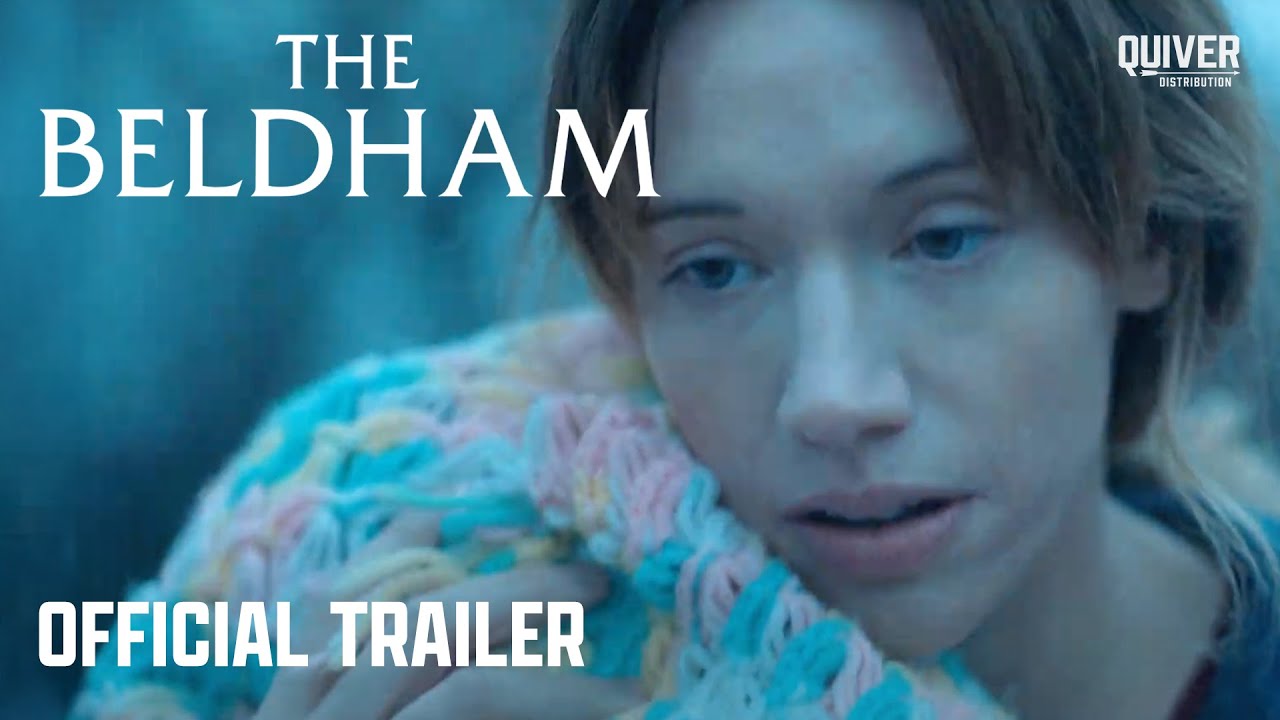
When The Beldham premiered in November 2025, it arrived as a quiet reminder that horror doesn’t always need massive budgets or theatrical saturation to leave an impression. What Angela Gulner crafted here is something deliberately restrained—a lean, 85-minute exercise in mounting dread that proves sometimes the most effective scares happen in the margins of what we’re allowed to see. The film’s modest runtime actually works in its favor, creating an experience that feels purposeful rather than bloated, which is increasingly rare in contemporary horror filmmaking.
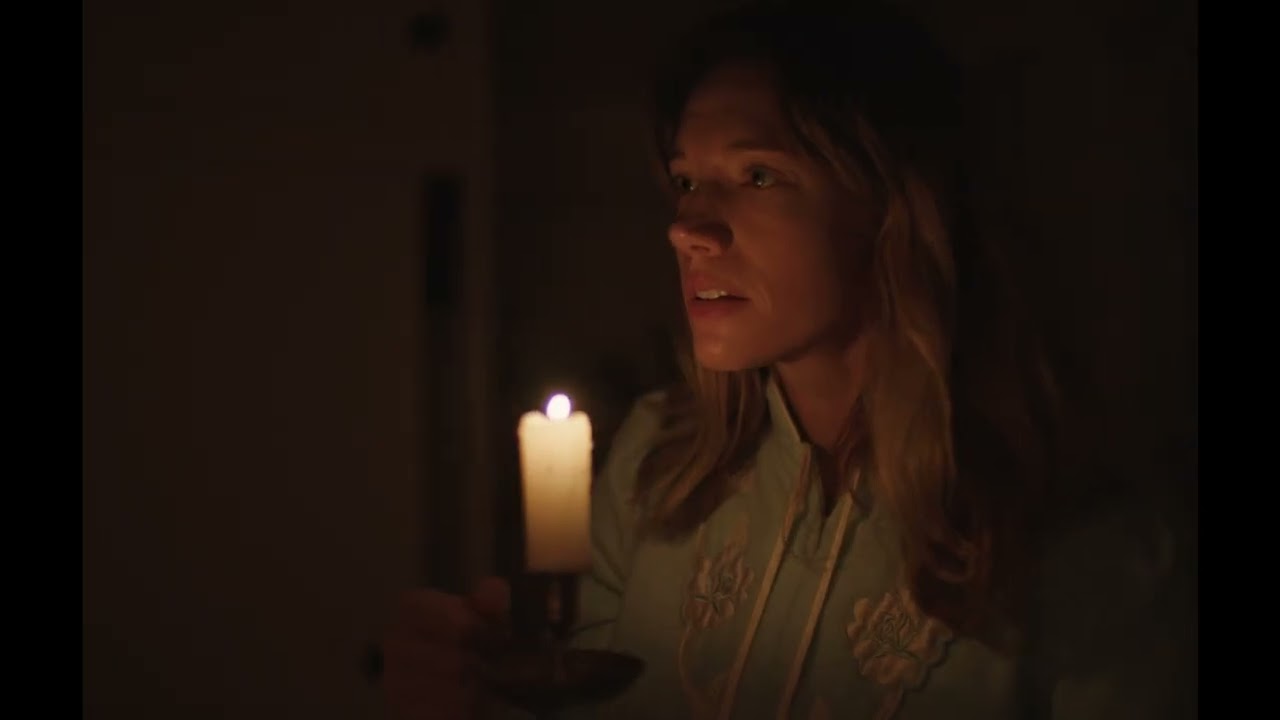
The premise itself taps into something genuinely unsettling: the violation of maternal safety. We’re following a struggling new mother as she moves into what should be a sanctuary—her family home—only to discover that the space harbors something ancient and malevolent. It’s a concept that inverts our expectations of family protection. Rather than home being refuge, it becomes a trap, and that fundamental betrayal of expectation is where Gulner finds her horror. The threat isn’t external; it’s woven into the very foundation of the place, generations deep.
Patricia Heaton’s involvement here was particularly intriguing. Known primarily for her television work, especially Everybody Loves Raymond, Heaton brings a kind of grounded domesticity to her role as the aging mother. That familiarity—that sense of her as a person we thought we knew—becomes the film’s secret weapon. There’s an inherent tension in watching someone from the comfort of your living room suddenly appear in genuine peril. Corbin Bernsen and Katie Parker round out the cast, and what these three manage to accomplish within such a tight runtime suggests that Gulner understood something essential about horror: restraint can be more powerful than spectacle.
> The film’s modest box office performance against its unknown budget tells us something important about the current horror landscape—not every worthwhile film is designed to become a franchise or a breakout hit. Sometimes horror exists to explore ideas rather than dominate multiplexes.
The critical reception has been decidedly mixed, with a 5.7/10 rating reflecting the polarized response audiences had to Gulner’s approach. This isn’t surprising, though. The Beldham seems to operate on a frequency that won’t resonate with everyone, and that’s actually a mark of artistic intention rather than failure. In a landscape where so many horror films are engineered for maximum appeal, a project willing to alienate certain viewers in service of its vision deserves acknowledgment.
What makes Gulner’s directorial voice compelling:
- A willingness to let tension build slowly rather than punctuate scenes with jump scares
- An understanding that family dynamics can be just as horrifying as supernatural forces
- A recognition that vulnerability—especially maternal vulnerability—is genuinely frightening territory
- The decision to keep the threat somewhat ambiguous, allowing audience interpretation to do heavy lifting
The production itself, handled by Wicked Myth Films and Thunderbird Films, represents the kind of independent horror ecosystem that’s become increasingly vital. When Signature Entertainment picked up distribution rights for the U.K., Ireland, and Latin America, it suggested that despite limited domestic recognition, there was international recognition of something worth preserving. That’s meaningful—it indicates the film found its audience, even if that audience wasn’t massive.
The real significance of The Beldham might lie in what it represents about where horror can go when it prioritizes atmosphere and psychological tension over conventional scares. In 2025, when superhero spectacle and franchise horror dominate conversation, a film this deliberately small-scale and character-focused operates almost as an act of resistance. It’s saying: you don’t need the biggest budget or the most famous actors; you just need a clear vision and the discipline to execute it.
The legacy might be quieter than blockbuster horror, but it’s meaningful:
- Demonstrates that Patricia Heaton’s talent extends beyond comedy into genuine dramatic horror
- Shows how a confined runtime can actually enhance psychological horror rather than limit it
- Proves that independent horror distribution remains viable through international partnerships
- Establishes Angela Gulner as a director capable of wringing genuine unease from familiar spaces
Looking at The Beldham now, what resonates is its commitment to a specific vision. It didn’t attempt to be everything to everyone. The mixed critical reception reflects that—some viewers wanted more conventional scares, while others found exactly what they came for in the film’s exploration of family trauma and generational haunting. That polarization is often what separates forgettable horror from memorable horror. The films we return to, the ones that stick, are frequently the ones that made bold choices at the risk of alienating audiences.
Whether or not The Beldham becomes a film that defines 2025 horror probably depends on where you were when it arrived. For those who connected with Gulner’s deliberate pacing and her understanding that the home itself can be a character—a repository of old wounds and older evils—it likely feels like a discovery. For others, it might register as minor work. But isn’t that exactly what interesting cinema does? It asks us to meet it halfway, to bring our own fears and vulnerabilities to the table. In that way, The Beldham is doing precisely what horror should do: making us uncomfortable about the places we’re supposed to feel safest.