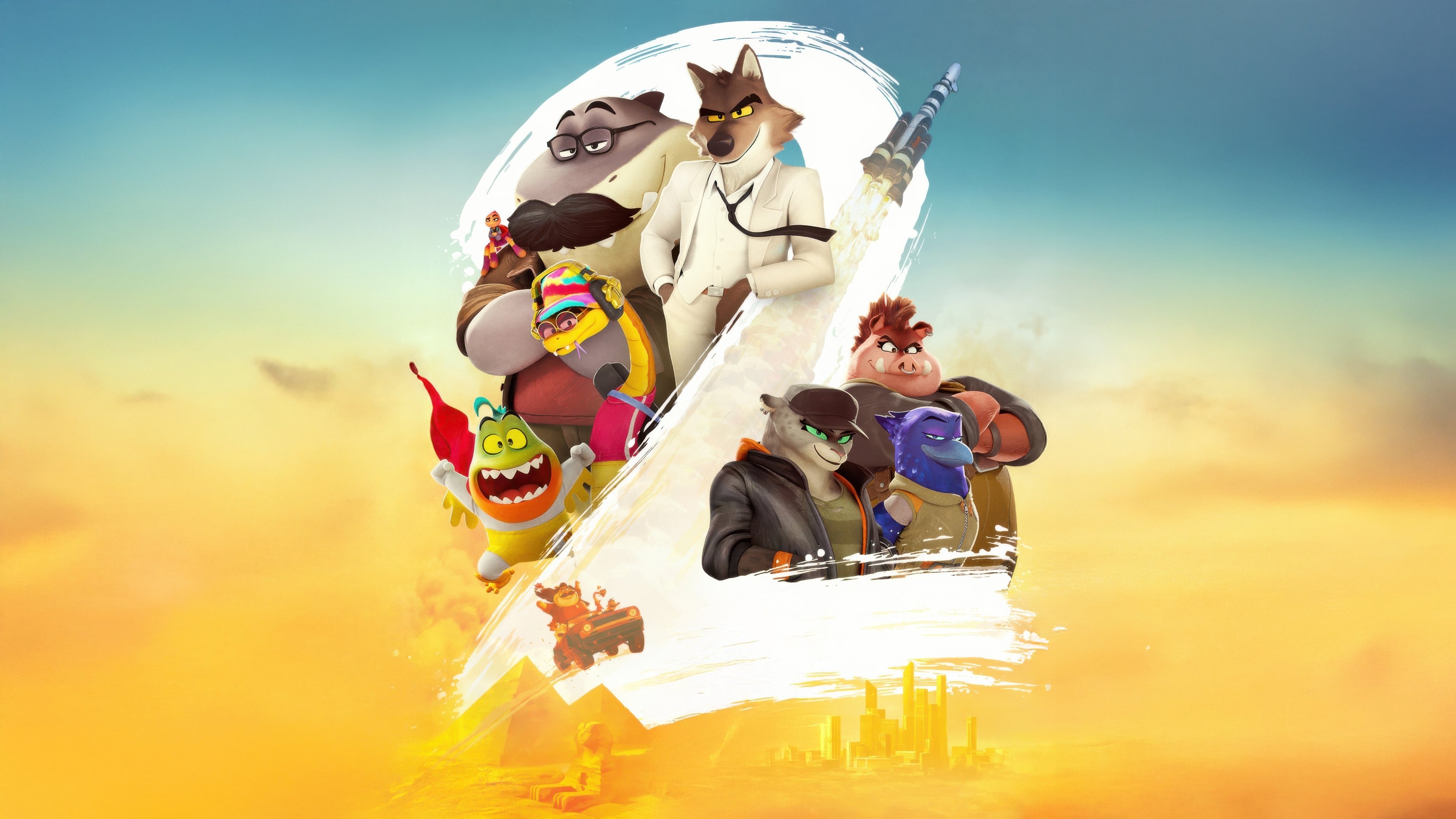
When The Bad Guys 2 premiered on July 24, 2025, it arrived at a fascinating moment in animation. The sequel faced that classic pressure all follow-ups encounter: how do you recapture lightning in a bottle? Yet what director Pierre Perifel delivered was something smarter than a simple rehash. Instead of just upping the ante with bigger heists and louder action, the film leaned into something more thoughtful—the genuine struggle of redemption when the world refuses to believe you’ve changed. That thematic depth, wrapped in a breakneck 1 hour 44 minute runtime, became the secret sauce that separated this from being just another animated cash-grab.
The numbers tell part of the story. An $80 million budget might sound substantial, but for a major DreamWorks tentpole, it’s actually quite efficient. Yet the film proved audiences were hungry for more, pulling in a staggering $239.4 million worldwide. That’s not just success—that’s a statement. It suggested the first film had built genuine goodwill, and more importantly, that audiences were invested in these characters and their peculiar journey toward legitimacy.
What makes this financial performance particularly interesting is how it reflects the film’s thematic concerns. Much like the Bad Guys themselves struggling to prove they’ve changed their ways, The Bad Guys 2 had to earn audience trust that it deserved to exist. And it did, earning that trust through smart storytelling rather than cynical nostalgia.
> The film found its groove by asking: what happens when reformed villains discover that redemption isn’t a destination—it’s an ongoing, exhausting process.
Sam Rockwell returned as Mr. Wolf, and his performance carries the entire emotional weight of the narrative. Rockwell has always excelled at playing characters caught between their nature and their aspirations, and here he brought both world-weary resignation and desperate hope to a character who just wants to be good. Marc Maron brought his characteristic deadpan energy to the supporting cast, while Awkwafina brought infectious charm and a willingness to go completely unhinged for comedic effect. The chemistry between these voice actors felt genuine—you believed these were friends who’d genuinely bonded through their first crime-fighting adventure, now struggling together with civilian life.
What Perifel understood that many sequels don’t is that character development is just as important as spectacle. The film balanced:
- Genuine emotional stakes about belonging and acceptance
- Kinetic action sequences that justified the theatrical experience
- Character arcs that felt earned rather than recycled
- Humor that worked for both kids and the adults dragged along
The critical reception of 7.7/10 from 626 votes reflects this balance—it’s solid, respectable, the kind of score that suggests audiences found genuine quality rather than just competent entertainment. That’s meaningful. In an era when sequels are often viewed with instant skepticism, earning that kind of reception requires craft.
Culturally, The Bad Guys 2 arrived at a moment when audiences were increasingly fatigued by remakes and reboots that treated existing IP as merely a familiar wrapper for recycled stories. This sequel offered something different:
- A genuine continuation of character arcs rather than a reset
- Exploration of how redemption operates in practice, not just theory
- Animation that pushed technical boundaries while serving the story
- A runtime that respected audience attention spans
The film’s influence on subsequent animated sequels has been subtle but real. It proved you don’t need to exponentially escalate stakes or introduce entirely new casts to justify a follow-up. Sometimes the most interesting story is watching flawed characters genuinely try to change, only to discover the world doesn’t always cooperate with your redemption arc.
DreamWorks Animation demonstrated with this project that they understood what made their original film click—not just a clever conceit about bad guys gone good, but actual emotional stakes beneath the humor and heist mechanics. The studio’s willingness to invest significantly in Perifel’s vision, giving him the resources to maintain the animation quality and voice talent, paid off in both critical goodwill and audience enthusiasm.
Looking back from 2025, it’s clear that The Bad Guys 2 occupies an interesting space in animation. It’s not revolutionary, but it’s genuinely well-crafted. It’s a sequel that respects the original while asking harder questions. It proved that franchise filmmaking can serve character development, that animation deserves to explore themes of social acceptance and redemption, and that audiences will show up for stories that treat them with respect. In an industry that often defaults to spectacle over substance, that feels genuinely significant—and worth remembering.