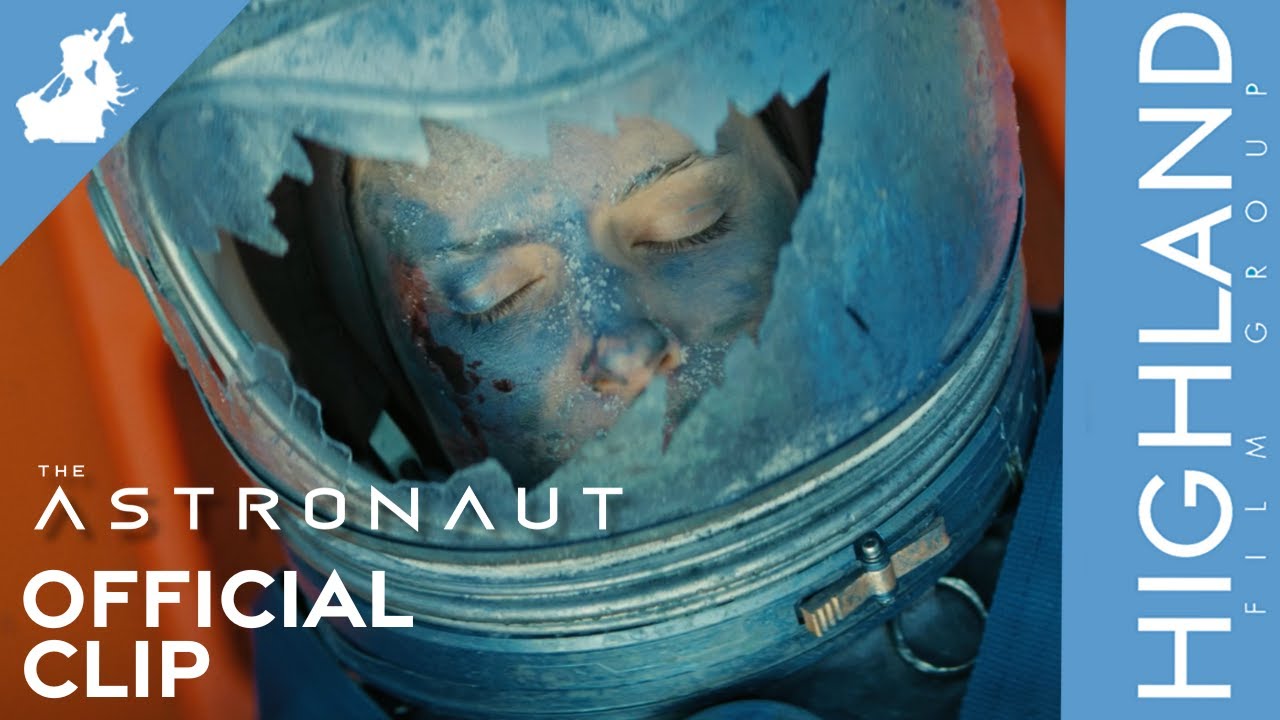
When The Astronaut premiered at SXSW in March 2025, it arrived carrying that particular kind of sci-fi promise that makes genre enthusiasts sit up and pay attention—a stripped-down thriller about what happens when you bring something back from space that shouldn’t have made the return journey. What writer-director Jess Varley has crafted here is something deliberately intimate and claustrophobic, the kind of film that understands that sometimes the best science fiction horror doesn’t need a massive budget or sprawling spectacle. It just needs a genuinely unsettling premise and actors willing to dig into the psychological weight of it all.
The film’s tagline—”She didn’t come back to Earth alone”—contains the entire thriller within it, and Varley seems acutely aware that restraint is often more terrifying than excess. In a runtime of just 90 minutes, the film compresses its narrative into something lean and purposeful, never overstaying its welcome but also never cutting corners on atmosphere. This lean approach actually works in the film’s favor, creating a tense chamber piece where every moment counts and every character interaction carries potential menace.
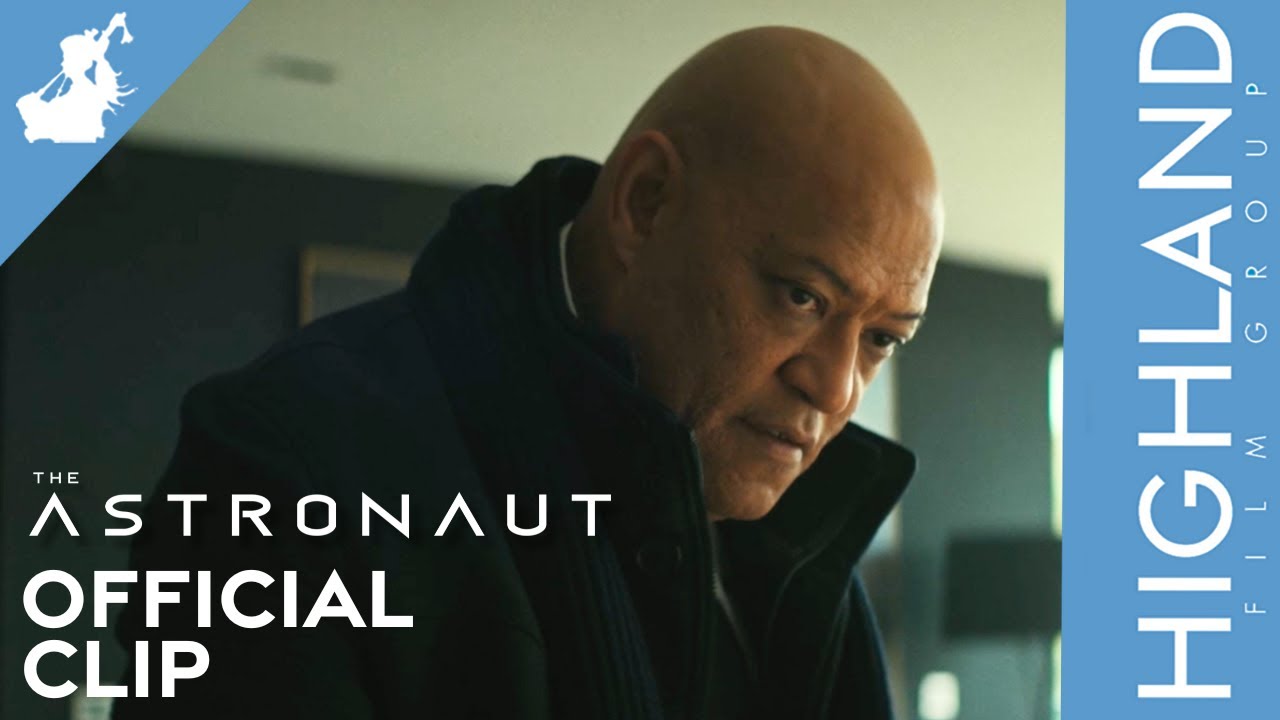
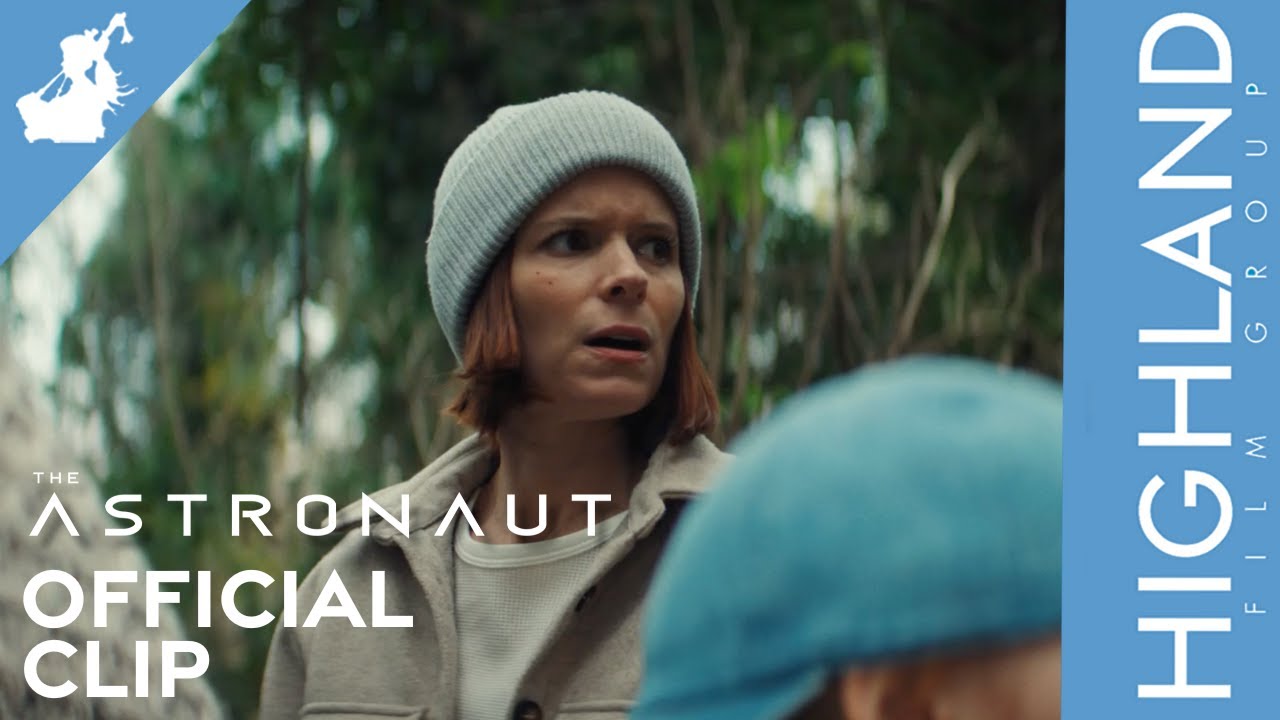
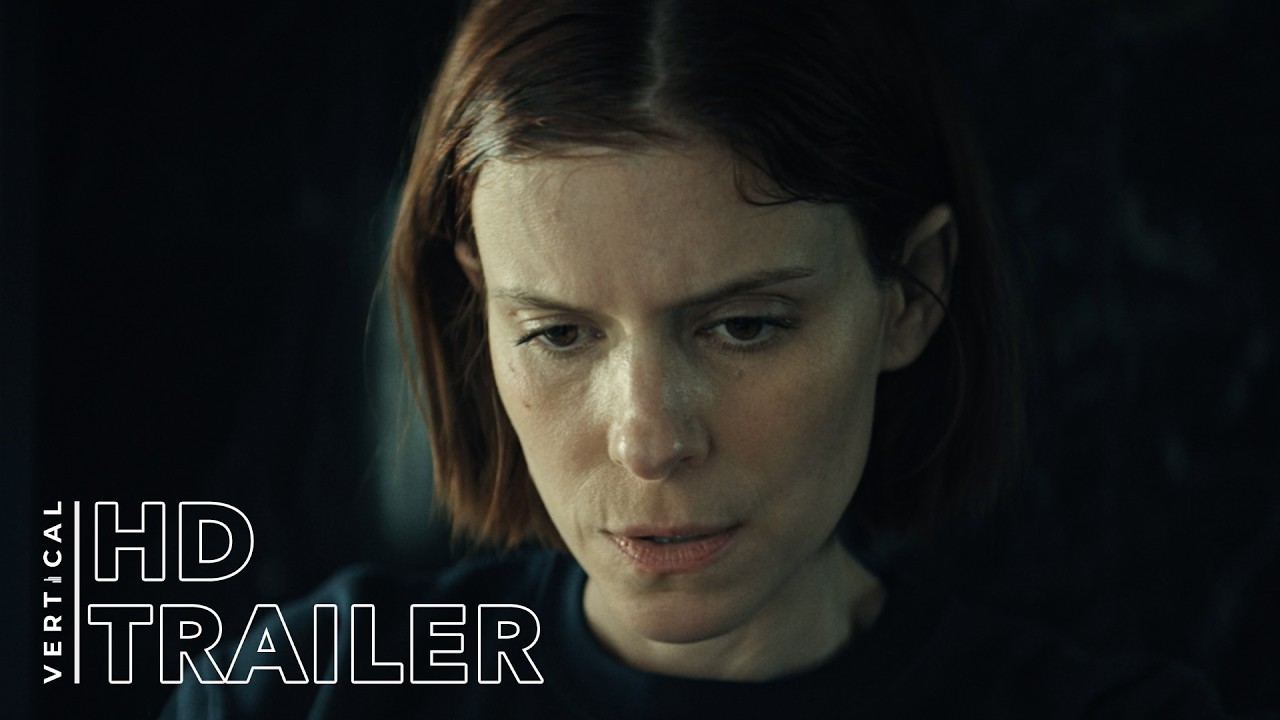
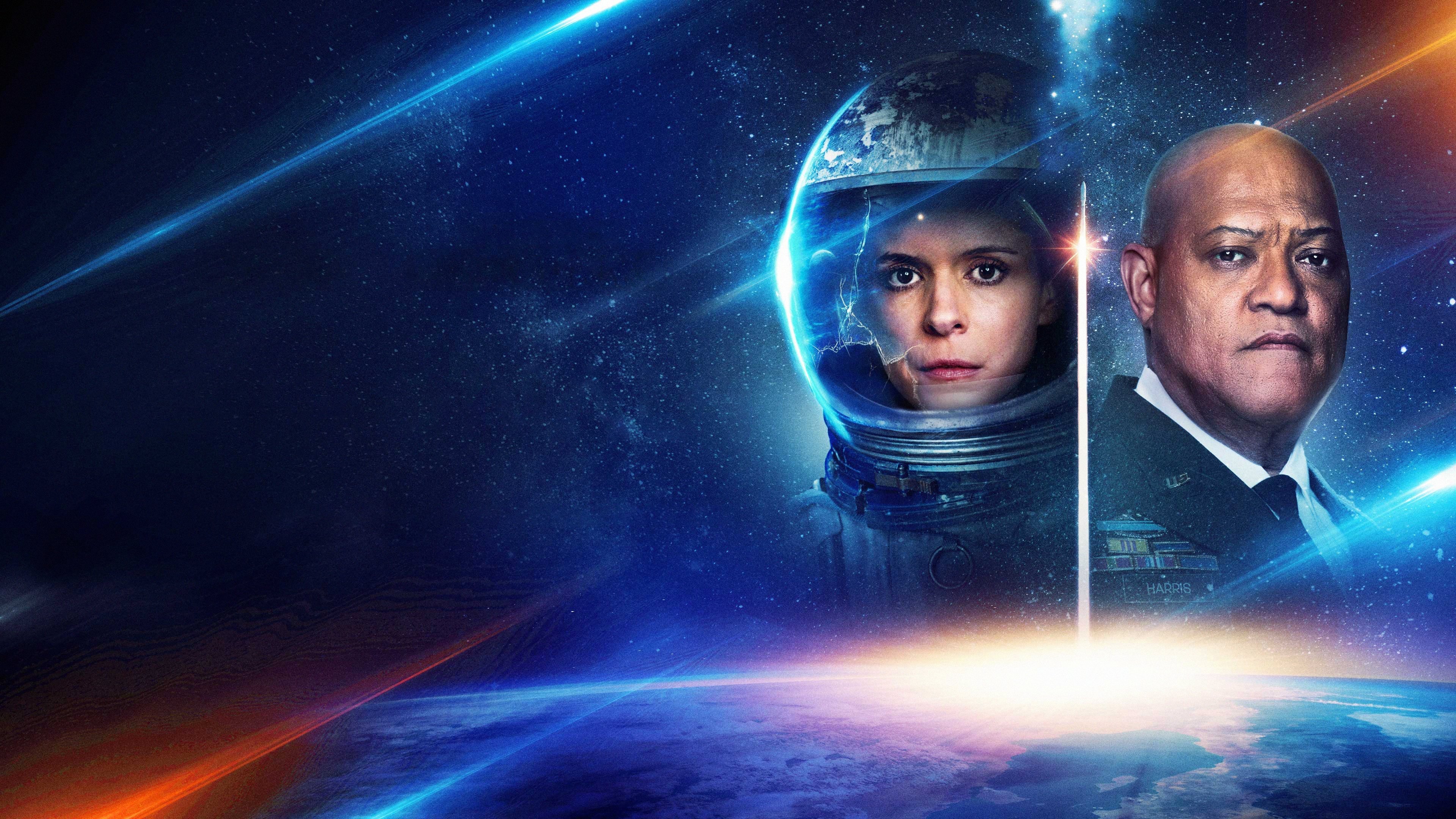
Kate Mara carries the emotional and physical weight of the film, grounding the sci-fi horror elements in a very human story about an astronaut grappling with what may have hitched a ride back to Earth during her mission. Mara has always excelled at playing characters under duress—there’s a particular intensity she brings to moments of isolation and paranoia—and she uses those instincts effectively here. Opposite her, Laurence Fishburne brings gravitas and ambiguity to what could have been a straightforward authority figure role, while Gabriel Luna rounds out the ensemble as someone caught between belief and skepticism about what’s actually happening.
> The film’s real achievement is in its understanding that first contact doesn’t always mean what we expect it to. Sometimes it means something came home with us.
What makes this collaboration work is that none of these performers seem interested in playing their roles broadly or for easy sympathy. There’s a wariness in every scene, a sense that nobody’s quite sure who—or what—they’re dealing with. Varley directs with an eye toward tension rather than jump scares, letting the horror emerge from character interaction and the slow realization that something fundamental has changed about the world they inhabit.
When the film was released on September 26, 2025, after Vertical’s acquisition of U.S. rights, it landed in a marketplace already saturated with space-based thrillers and creature features. The 5.7/10 rating that’s accumulated from early viewers tells an interesting story about its reception—it’s clearly not a crowd-pleaser in the traditional sense, nor was it likely intended to be. There’s something deliberately unsettling about Varley’s vision that doesn’t neatly resolve or offer cathartic answers. Some viewers will find that refreshingly bold; others will find it frustratingly ambiguous. That division, oddly enough, speaks to the film’s success in unsettling its audience.
The film’s place in contemporary sci-fi cinema is worth considering carefully:
- It arrived during a moment when the genre was increasingly dominated by high-concept spectacle, making its commitment to intimate character study something of a countercultural choice
- The 90-minute runtime deliberately works against modern blockbuster expectations, suggesting confidence in pacing and narrative economy
- Its horror elements emerge from plausible scientific uncertainty rather than elaborate practical effects or CGI set pieces
- The focus on what astronauts bring back rather than what they encounter in space represents a subtle but significant thematic shift
The financial picture—unknown budget against unknown box office—actually reinforces the film’s artistic integrity. This was clearly a passion project for Varley and her collaborators, not a tentpole designed to generate franchise potential. That kind of creative freedom shows in every frame, even if it doesn’t always result in a film that reaches mainstream audiences.
What The Astronaut offers cinema-goers is a reminder that science fiction can be philosophically challenging without being pretentious, and that horror can operate effectively in human spaces rather than grand catastrophic scenarios. Varley’s direction suggests someone deeply interested in what happens in the margins of big ideas—not the first contact itself, but the aftermath, the contamination, the slow realization that knowledge can’t be unknowable.
The legacy of this film may not be measured in awards or box office receipts, but in its influence on filmmakers thinking about how to make intimate science fiction thrillers in an era of overwhelming spectacle. It proves that you don’t need unlimited resources to create genuine unease. Sometimes all you need is a compelling question, strong performers willing to sit with ambiguity, and a director confident enough to trust her audience’s intelligence. The Astronaut may not be for everyone, but for those it’s for, it’s exactly what cinema should be doing—making us think about impossible questions long after the credits roll.