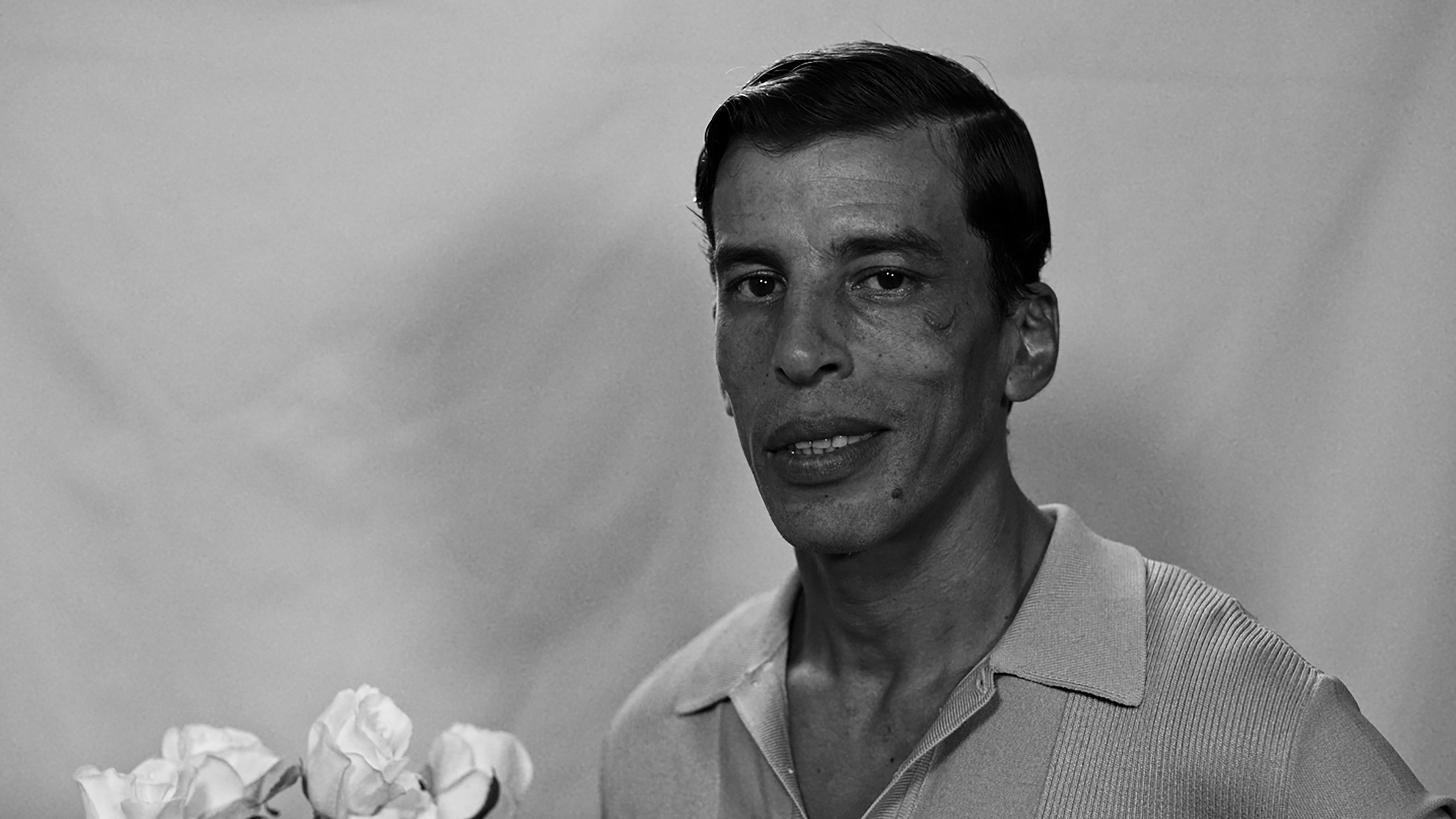
There’s something particularly exciting happening in Arab cinema right now, and The Arab is positioned right at the heart of this cultural moment. Scheduled for release on January 31, 2026, this film arrives during a genuinely transformative period for filmmakers from the region—a time when stories that were once marginalized are finally commanding international attention and critical acclaim. It’s worth paying attention to what director Malek Bensmaïl is crafting here, because it’s part of a larger conversation reshaping how these narratives get told and heard.
Bensmaïl brings a distinctive sensibility to this project. He’s a filmmaker who understands the weight of cultural specificity while refusing to reduce his stories to mere representation. Working with a cast that includes the extraordinary Hiam Abbass—an actor whose presence alone carries the gravity of complex, lived experience—alongside Dali Benssalah and Nabil Asli, he’s assembled talent capable of navigating nuance and emotional depth. This isn’t a film that sounds like it’s going to rely on shortcuts or easy answers. The 1 hour 46 minute runtime suggests a filmmaker committed to precision rather than sprawl, which is refreshing in its own right.
What makes this production particularly intriguing is the creative infrastructure supporting it. The collaboration between Hikayet Films, Archipel 33>35, Need Productions, and Tita Productions represents a genuinely international approach to filmmaking—partnerships that reflect how contemporary cinema increasingly operates across borders. Currently in production, the film is building momentum quietly but deliberately. There’s an anticipation here that doesn’t depend on marketing blitzes or viral moments; it’s grounded in genuine artistic credibility and the moment we’re living through.
The broader context matters enormously. Arab cinema is finally breaking through in 2026 with projects earning Oscar recognition and bold new releases showcasing powerful stories. Consider what’s happening simultaneously:
- Multiple Arab productions generating serious awards conversation
- Platforms like the Red Sea Film Festival actively supporting regional storytelling
- International recognition at festivals like Sundance becoming routine rather than exceptional
- A genuine infrastructure emerging that allows Arab filmmakers to work with significant resources and global reach
The Arab isn’t arriving in a vacuum. It’s entering a landscape where audiences, critics, and institutions are genuinely hungry for these narratives.
What’s particularly compelling about Hiam Abbass’s involvement is what she brings to any project she touches. She’s spent her career refusing sanitized roles, instead inhabiting characters with psychological complexity and historical awareness. Paired with Dali Benssalah, whose work often explores questions of identity and belonging, and Nabil Asli, there’s a palpable sense that this ensemble is designed to excavate something real. The title itself—The Arab—is deliberately provocative in its simplicity, almost daring audiences to reconsider what that designation actually means beyond stereotype or assumption.
The real significance of this film may lie not in what it is, but in what it represents about who gets to tell stories, how, and to whom.
The specificity of the release date—January 31, 2026—places this squarely in awards season conversation, which suggests the production companies have genuine confidence in what Bensmaïl has created. This isn’t a film being quietly shelved or dumped into a release schedule. It’s being positioned, which indicates serious institutional backing and belief in its resonance.
Malek Bensmaïl’s creative vision appears rooted in authenticity rather than exoticism. There’s a difference between filmmakers who use Arab stories as material and filmmakers who understand these narratives as lived reality. The talent assembled here—particularly Abbass—suggests this falls decidedly into the latter category. The runtime, the cast selections, the production partnerships—all of it points toward a filmmaker interested in specificity over universalism, psychology over plot mechanics.
The 0.0/10 rating on the database, of course, reflects that the film hasn’t been released yet and hasn’t accumulated votes. This is actually a blank slate, which feels appropriate. We’re not evaluating something that already exists; we’re anticipating something in formation.
What matters most is this: The Arab is arriving at a moment when audiences have proven they’re ready for complex, uncompromising narratives from Arab filmmakers. It’s featuring actors of genuine distinction. It’s being directed by someone who clearly thinks cinematically about identity and representation. And it’s part of a larger wave that’s reshaping how global cinema sounds, looks, and feels.
The film will be released into a landscape that’s finally prepared to receive it properly—not as novelty or tokenism, but as cinema. That’s genuinely worth anticipating.