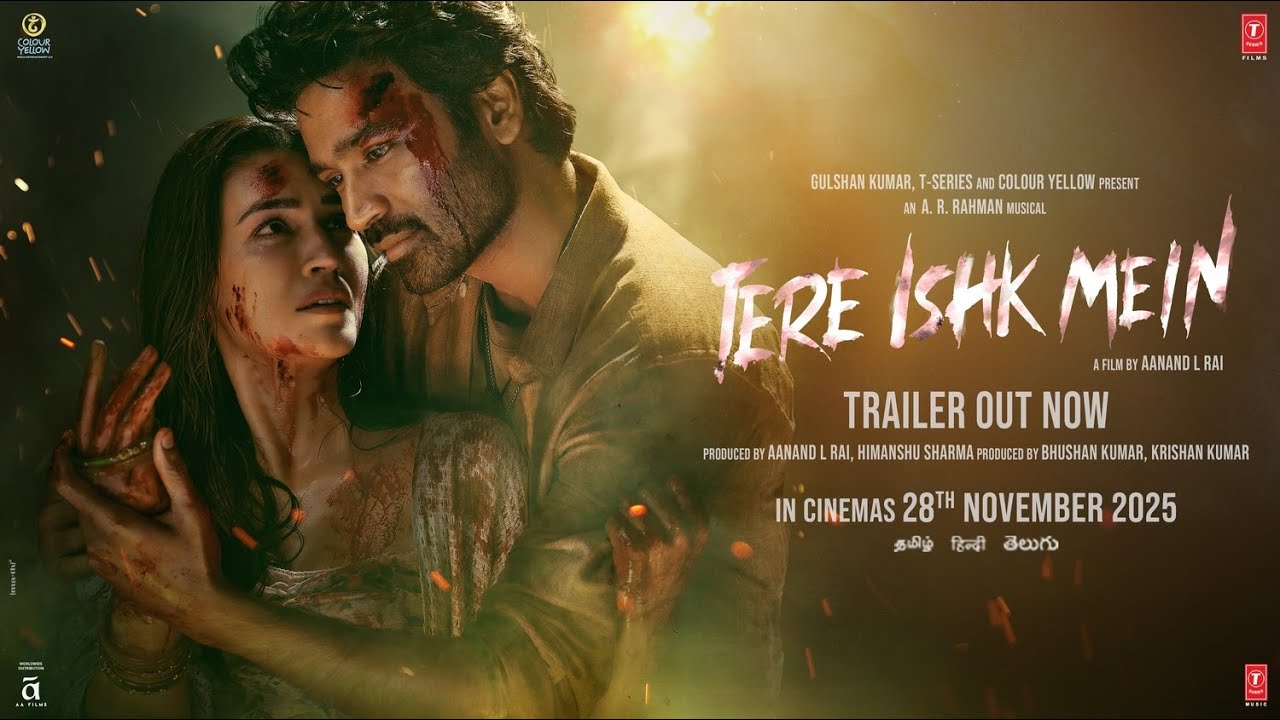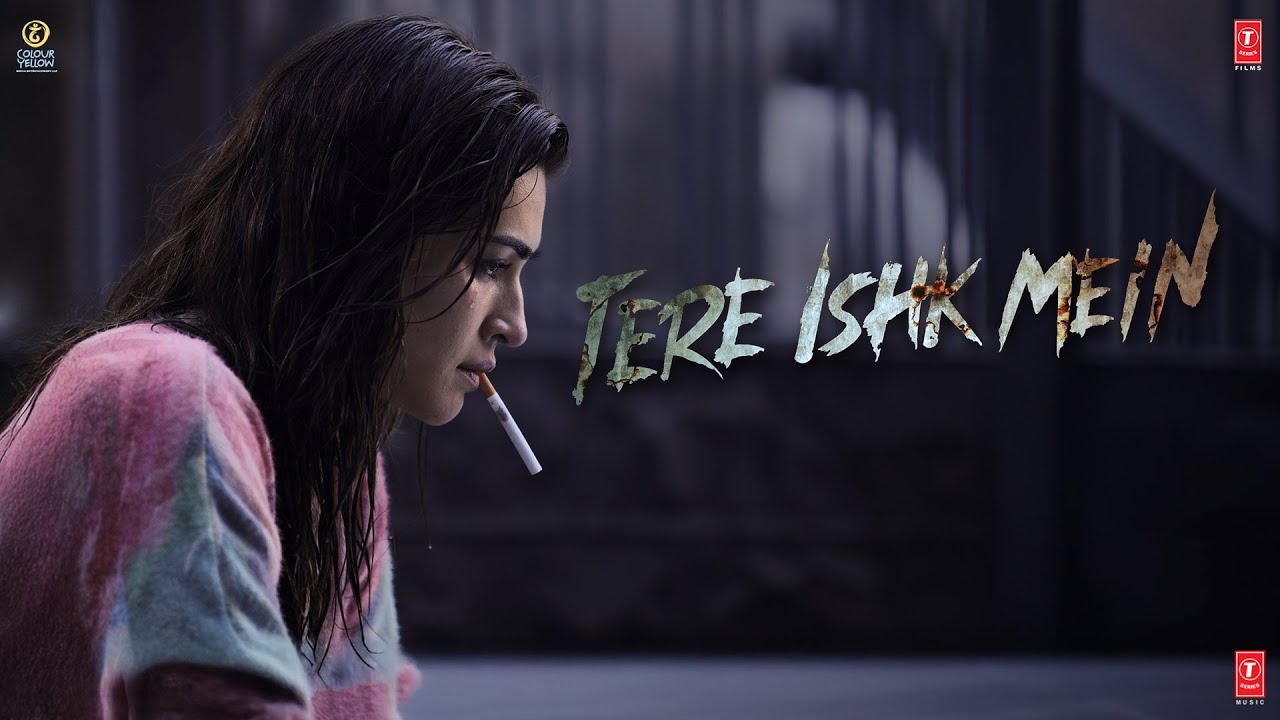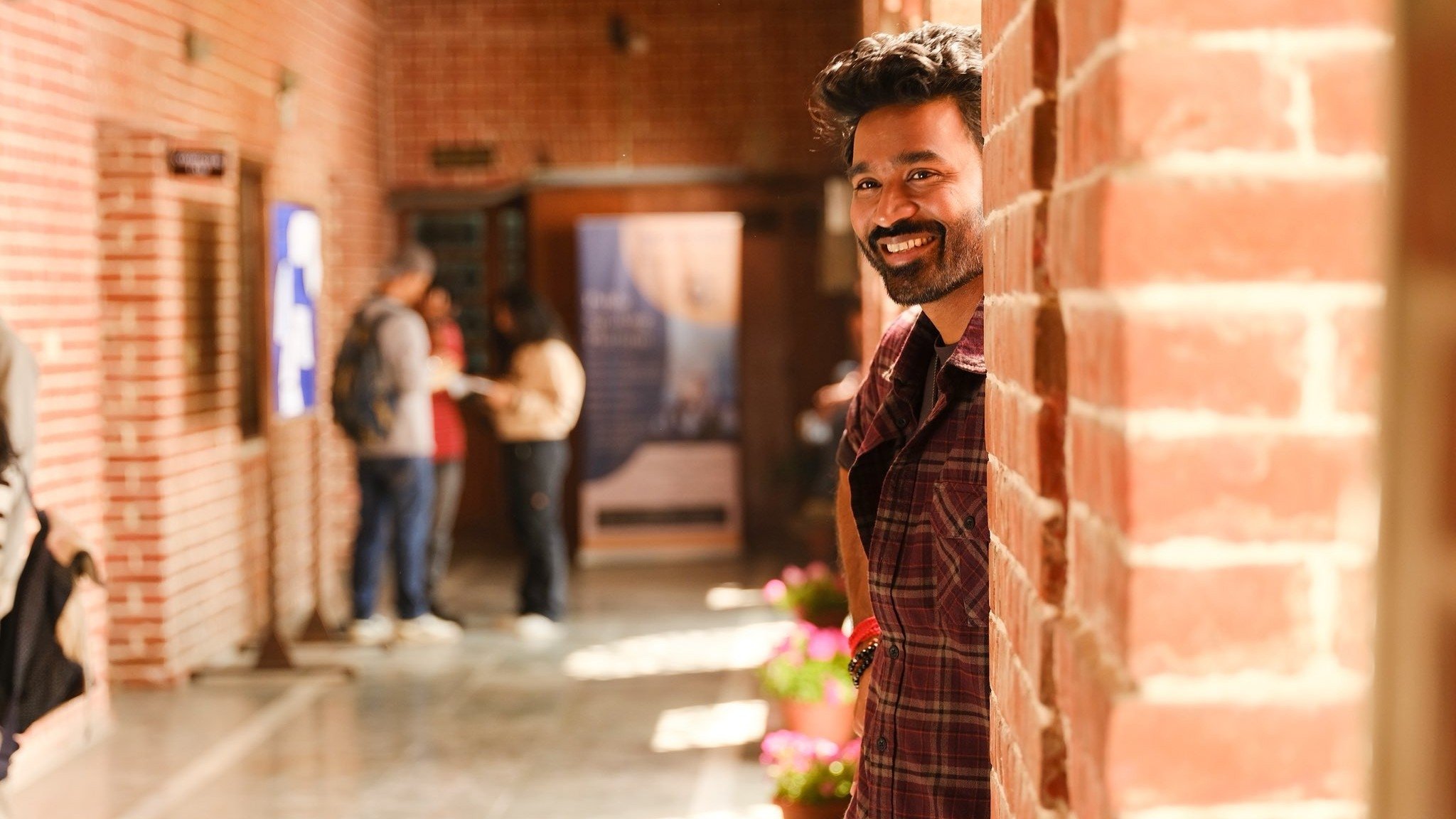
When Tere Ishk Mein premiered in late November 2025, it arrived with considerable expectations—and honestly, it delivered in ways that felt both surprising and inevitable for a Dhanush vehicle directed by Aanand L. Rai. This wasn’t just another romance-drama trying to coast on star power; it was a calculated statement about where contemporary Hindi cinema could go when you pair a visionary director with actors willing to take emotional risks. The film’s opening weekend proved that audiences were hungry for exactly what it offered, with the movie storming ticket windows and establishing itself as a genuine commercial force.
What makes Tere Ishk Mein particularly fascinating isn’t just its surface-level appeal, but how it represented a meaningful chapter in Dhanush’s evolving career trajectory. After what had been a challenging year for the actor, this reunion with Aanand L. Rai—the director behind some of his most memorable work—felt like a return to purpose. The film didn’t just perform respectably; it became his highest-grossing venture, surpassing Rs 93 crore domestically and proving that Dhanush’s star power hadn’t dimmed—it had merely been waiting for the right narrative vehicle.
> “Some souls are meant to collide. Some love stories are destined to burn brighter.” That tagline speaks volumes about the film’s thematic core, and it’s not just marketing speak—it’s genuinely reflective of the philosophical weight Rai brings to his storytelling.
The runtime of 2 hours and 47 minutes is worth noting here because it’s telling about Rai’s approach. This isn’t a lean, efficient action-romance. It’s a film that takes its time to build emotional infrastructure, to let scenes breathe, to develop the complicated dynamics between Dhanush’s character and the world around him. In an era where streaming has conditioned audiences to prefer tighter narratives, Rai doubled down on the unhurried examination of human connection—and audiences responded positively to that choice.
Pairing Dhanush with Kriti Sanon was genuinely inspired casting. Sanon brought a counterbalancing energy—where Dhanush tends toward brooding intensity, she embodies a kind of luminous presence that made their on-screen dynamic feel electric and genuinely lived-in. Their chemistry wasn’t manufactured; it felt earned through the screenplay’s careful construction of moments where these two people genuinely had to collide. The addition of Priyanshu Painyuli added another layer of complexity to what could have been a straightforward love triangle, instead creating something more nuanced about desire, obligation, and choice.
What Aanand L. Rai brought to this project was his signature sensibility:
- An almost meditative approach to action sequences, where violence felt consequential rather than cartoonish
- Visual storytelling that prioritized intimate moments over spectacle
- A willingness to let his actors sit with uncomfortable emotional truths
- Production design that reflected the film’s thematic concerns about destiny and collision
The budget of $9.5 million was substantial—neither a lavish Bollywood mega-production nor a lean indie effort, but rather a mid-tier investment that forced the filmmakers to be strategic about where money went. The result was a film that looked expensive in terms of craft without being ostentatious about it. Colour Yellow Productions and T-Series understood they weren’t making a Marvel-style spectacle; they were funding an emotional epic that needed to resonate on a human scale.
Now, let’s address the elephant in the room: the critical reception hovering around 5.7/10 from available votes. That’s genuinely curious—and telling. It suggests a disconnect between what critics were looking for and what the film was attempting to deliver. Critics often privilege irony, subversion, and narrative innovation, while Tere Ishk Mein played its emotional cards with sincerity. In an industry that had grown cynical about love stories, Rai’s earnestness might have read as outdated to some observers. Yet that very earnestness resonated with audiences who’d grown tired of meta-commentary and wanted to simply feel something.
The box office performance—that mysterious “Unknown” revenue figure that eventually crystallized into Rs 93 crore—tells us that whatever critical reservations existed, they didn’t penetrate the general audience’s embrace of the film. This is increasingly the story of contemporary Bollywood: critical and commercial responses operating in entirely different universes. Tere Ishk Mein didn’t need critical validation because it had something more valuable—genuine audience connection.
What will likely endure about Tere Ishk Mein isn’t any revolutionary narrative technique, but rather:
- A masterclass in how to execute a romance-action hybrid without sacrificing either element
- Proof that sincerity in romantic filmmaking still has currency with audiences
- The reaffirmation of Aanand L. Rai as a director capable of balancing commercial appeal with artistic integrity
- Evidence of Dhanush’s range and his ability to carry a film that demands both vulnerability and intensity
Looking back at Tere Ishk Mein now, what strikes you isn’t that it was a perfect film—those critical reservations weren’t entirely unfounded—but that it was a necessary one. In a landscape increasingly dominated by franchise IP and algorithms, it represented a director and actors choosing to invest in a story about human collision, about love as both transformative and destructive force. That choice, and the audience’s embrace of it, might ultimately be its most significant legacy.