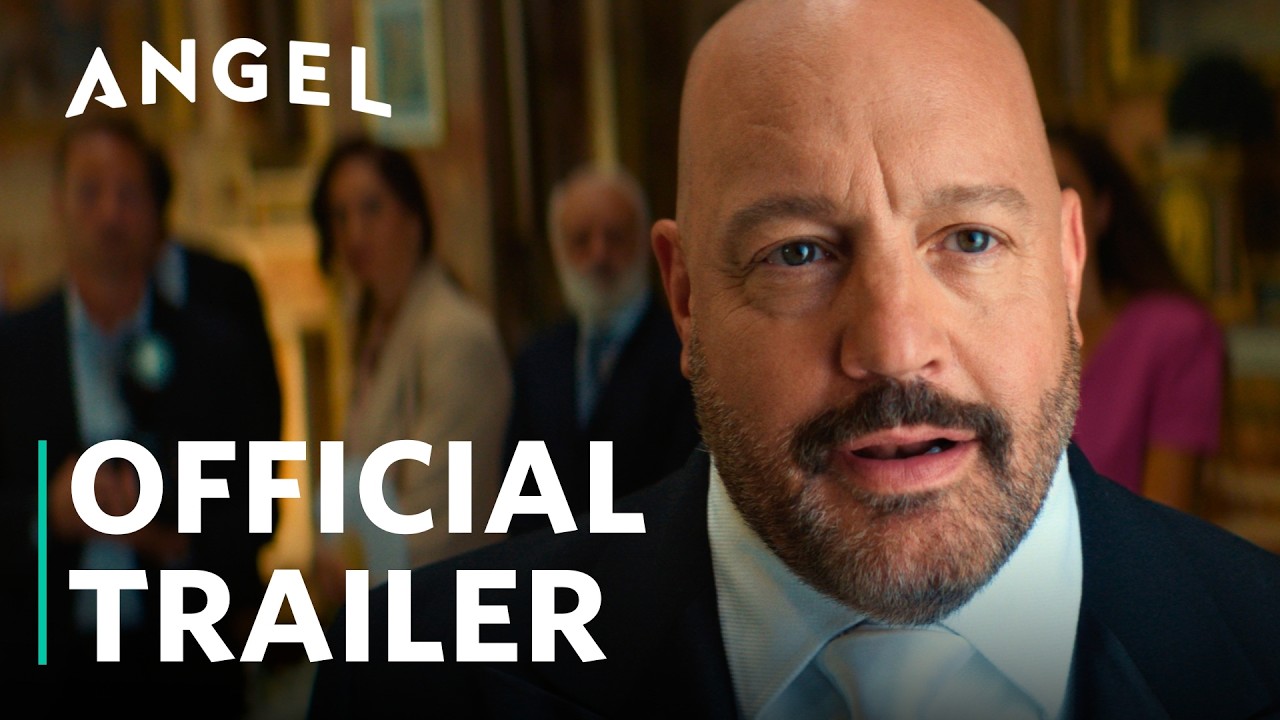
There’s something refreshingly bold about a romantic comedy that starts with rejection. Solo Mio, set to release on February 5, 2026, is building considerable anticipation around what could be one of the year’s most charming explorations of heartbreak and self-discovery. Director Charles Kinnane has crafted a premise that feels both deeply relatable and genuinely cinema-worthy: after being left at the altar in Rome, the protagonist decides to take his honeymoon alone anyway. It’s a premise that walks the tightrope between comedy and pathos, and that’s exactly what makes it matter.
Let’s start with what we know about the creative vision here. Charles Kinnane, working alongside his brother Dan Kinnane (best known for their collaborative work on Home Team), is bringing a particular sensibility to this material—one that understands how humor and vulnerability can coexist. The Kinnane brothers have demonstrated an ability to balance emotional authenticity with genuine comedy, and Solo Mio represents another opportunity to see that collaboration evolve. This isn’t just a film about being dumped; it’s about choosing yourself when the world seems to be telling you that you’ve failed.
The casting choices deserve serious attention here. Kevin James has spent years perfecting the art of the relatable everyman—someone who can make you laugh while also making you genuinely care about his character’s journey. Pairing him with Alyson Hannigan, an actress with proven chemistry-building skills and a sharp comedic timing, suggests that the film will balance humor with real emotional beats. Kim Coates rounds out this trio, bringing a gravitas and presence that could anchor some of the film’s heavier moments. This isn’t a random ensemble; it’s a carefully considered group of performers who understand both comedy and heart.
The premise itself speaks to a cultural moment: we’re living in an era where self-care and personal agency are increasingly central to how we understand happiness. Solo Mio taps into that conversation in a way that feels organic rather than preachy.
What’s particularly interesting about this project is the production infrastructure supporting it. With studios including A Higher Standard, Nickel City Pictures, Kinnane Brothers, and LB Entertainment all involved, there’s clearly institutional confidence in what Kinnane is building. These aren’t random partners—they represent a coalition of producers and studios willing to invest in a romantic comedy that dares to center male vulnerability and self-love. That’s increasingly rare in an industry that often treats the romance genre as a formula to be followed rather than a canvas for genuine storytelling.
The February 5, 2026 release date is strategically positioned as well. Coming just after Valentine’s Day, the film will catch audiences in a particular emotional register. Those who’ve recently celebrated the holiday will be primed for romance, while those who experienced the holiday differently—the single, the heartbroken, the disillusioned—will find a story that validates their experience. It’s smart counterprogramming that understands its audience.
The project’s tagline, “All roads lead to (being left in) Rome,” is worth unpacking. There’s a clever inversion there—Rome is traditionally the city of romance, the honeymoon destination of dreams. By ironically subverting that expectation, the filmmakers are signaling that the real story here isn’t about romance with another person; it’s about romance with life itself, with travel, with self-discovery. That’s a thematic throughline that gives the comedy real weight.
Here’s what makes Solo Mio potentially significant in the broader cinematic landscape:
Male vulnerability in comedy: While films have increasingly centered female characters discovering themselves, fewer films allow male protagonists to be genuinely emotionally vulnerable. This film appears to change that equation.
The travel film dimension: Beyond the romance-comedy framework, Solo Mio is also a travel film. Rome itself becomes a character, a setting where personal transformation can unfold.
Reclaiming the honeymoon narrative: Traditionally, the honeymoon is about coupledom. This film reframes it as a journey of self-discovery, which feels genuinely fresh.
The Kinnane brothers’ trajectory: For fans of these filmmakers, Solo Mio represents their continued evolution toward more emotionally sophisticated comedy.
The film hasn’t been released yet, and we don’t yet have audience reception data—the IMDb rating sits at 0.0/10 simply because votes haven’t accumulated—but the behind-the-scenes momentum is real. The world premiere generated genuine excitement, and early reactions from those who’ve seen it in festival or preview settings have been warmly enthusiastic. This isn’t hype; it’s the building sense that something thoughtful has been created here.
What Solo Mio might ultimately accomplish is demonstrating that the romantic comedy genre hasn’t exhausted its possibilities. It can still tell stories that matter, that reflect how we actually live and love and fail and grow. By centering a man choosing himself after heartbreak, by setting that story in one of the world’s most beautiful cities, and by assembling a cast and creative team that clearly understands the assignment, Kinnane has created something with genuine cultural resonance. When it arrives on February 5, 2026, audiences will likely discover that sometimes the best love story is the one you have with yourself.