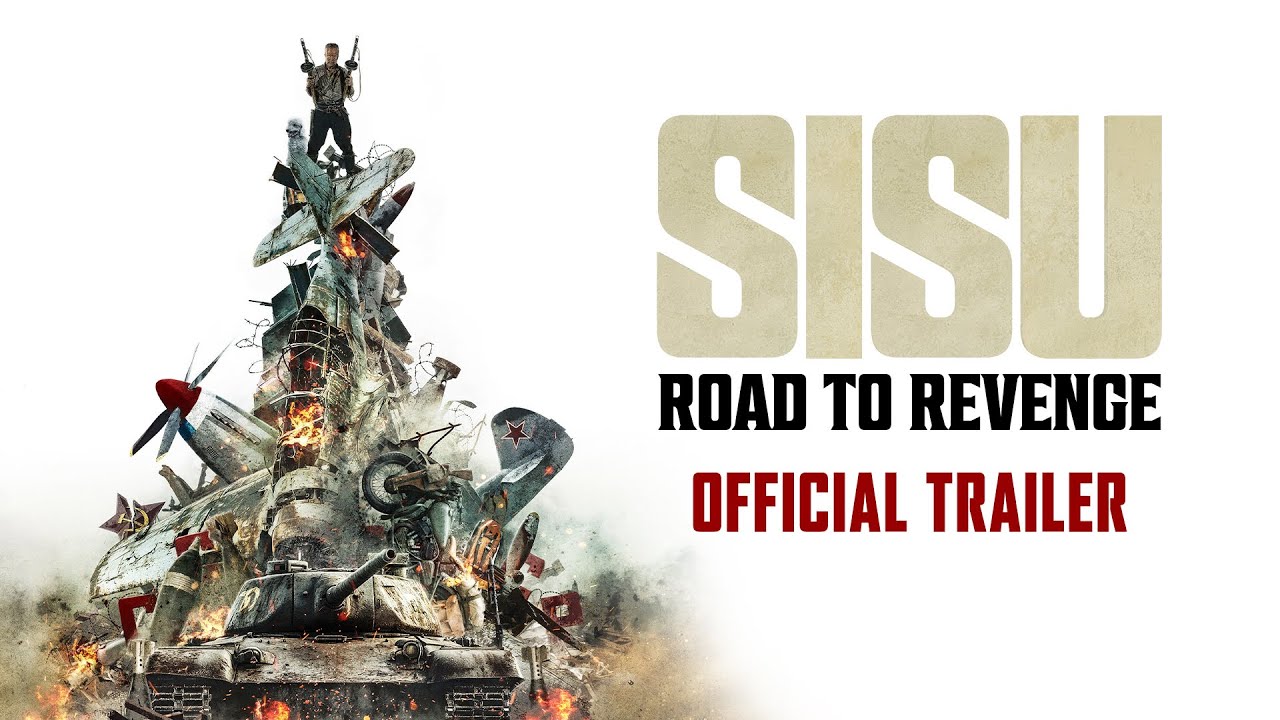
When Jalmari Helander’s Sisu: Road to Revenge premiered in October 2025, it arrived as a curious proposition—a revenge thriller from the Finnish director of the cult classic Sisu, now returning to familiar thematic territory but with a distinctly different approach. What emerged was a meditation on trauma, loss, and the price of vengeance wrapped in the framework of a lean, muscular action film. The film’s journey from screen to box office tells us something important about how audiences connect with stories about grief and retribution in contemporary cinema.
The premise is deceptively simple: a man returns to the house where his family was murdered during wartime, intending to dismantle it and rebuild it elsewhere—a symbolic reclamation of what was stolen. But when the Red Army commander responsible for the killings resurfaces, the mission transforms into something far more primal. It’s the kind of setup that could easily devolve into exploitation, yet Helander treats the material with a gravity that elevates it beyond standard genre fare.
The numbers, while not blockbuster territory, reveal something nuanced about the film’s reception. Produced on a $12.2 million budget, the film ultimately grossed $9.7 million worldwide, finishing slightly underwater at the box office. That might sound like a failure in conventional terms, but context matters here. The film opened against Wicked: For Good, one of the year’s biggest releases, and still managed $575,000 in Thursday night previews. In the domestic market, it pulled in $4.5 million against international revenues of $5.2 million—a split that suggests the film found its truest audience overseas, particularly in markets that have long appreciated Nordic cinema’s unflinching approach to violence and morality.
What’s striking is that the film’s modest box office performance didn’t diminish its critical and cultural footprint. The 7.4 rating from nearly 500 voters reflects a genuinely engaged audience, not the polite indifference of a forgotten release. This distinction matters because it speaks to the film’s durability—it’s the kind of movie that builds reputation through word-of-mouth and festival circuits rather than opening weekend dominance.
Helander’s creative vision here is fundamentally about restraint and consequence. The director doesn’t fetishize violence; instead, he makes each act of brutality feel costly, inevitable, and morally ambiguous. This is worlds apart from the cathartic revenge fantasies that dominate mainstream action cinema. By condensing the narrative into a taut 89 minutes, Helander ensures there’s no room for filler—every scene exists to deepen our understanding of his protagonist’s psychological state.
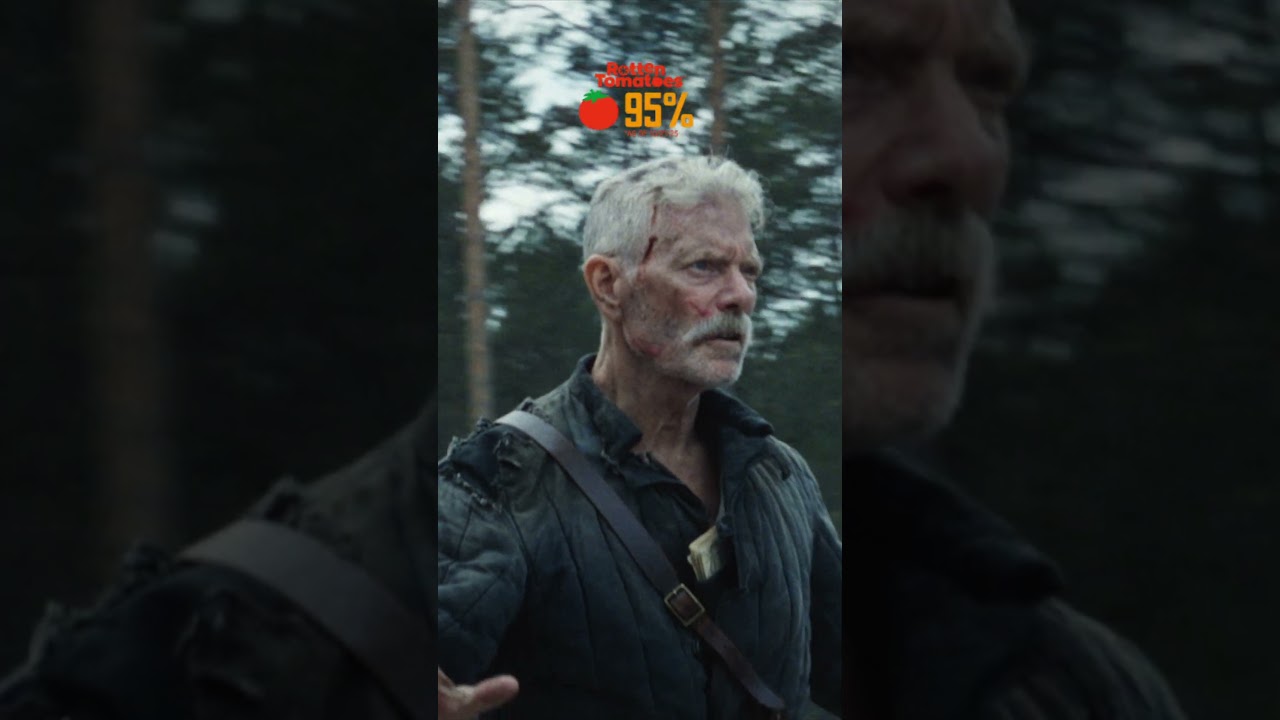
The casting deserves particular attention. Jorma Tommila, who collaborated with Helander on the original Sisu, brings a weathered authenticity to the lead role. There’s no vanity in his performance; he’s a man hollowed out by loss, moving through the narrative with the grim determination of someone who has already accepted he might not survive his own mission. When Stephen Lang and Richard Brake enter as antagonists, they don’t feel like cartoonish villains but rather men shaped by their own wartime experiences—a complexity that transforms the conflict into something more philosophically engaging than simple good-versus-evil storytelling.
> The film’s true legacy may lie not in box office numbers but in its refusal to simplify the moral architecture of revenge narratives, proving that commercial cinema can still accommodate genuine artistic ambition.
What makes Sisu: Road to Revenge significant within the broader landscape of action cinema is its willingness to sit with discomfort. The 2025 release landscape was crowded with spectacle and comfort food narratives, yet this film carved out space for something grimmer and more reflective. It suggests that there remains an audience hungry for war films and revenge stories that don’t provide easy catharsis—films that leave you thinking about cycles of violence rather than feeling triumphant about justice served.
The international success ratio is particularly telling. While domestic audiences sometimes prefer their action films lighter and their resolutions cleaner, the film’s stronger international performance indicates that European and other global audiences embraced Helander’s more austere aesthetic. This positioning Sisu: Road to Revenge as part of a growing movement toward Nordic noir sensibilities infiltrating world cinema—a movement that values psychological depth alongside physical action.
Looking at its cultural staying power, the film has already influenced conversations about how contemporary cinema can grapple with historical trauma without exploiting it. Film festivals have programmed it alongside retrospectives of Helander’s work, and critics have used it as a reference point for discussions about the ethics of revenge narratives in post-conflict societies. Whether it generates direct sequels or not, its influence will likely be felt in how future filmmakers approach similar material.
The short runtime deserves recognition as a creative choice rather than a limitation. In an era when action films routinely stretch toward two and a half hours, Helander’s commitment to economy feels refreshingly confident. He trusts his audience to infer emotional depths rather than spelling everything out, resulting in a film that respects viewer intelligence.
Sisu: Road to Revenge ultimately matters because it demonstrates that cinema still has room for uncompromising voices—even when box office returns tell a complicated story. It’s a film made with conviction by artists who understood exactly what story they wanted to tell and refused to dilute it for broader appeal. That kind of artistic integrity, regardless of commercial performance, is what keeps cinema vital.