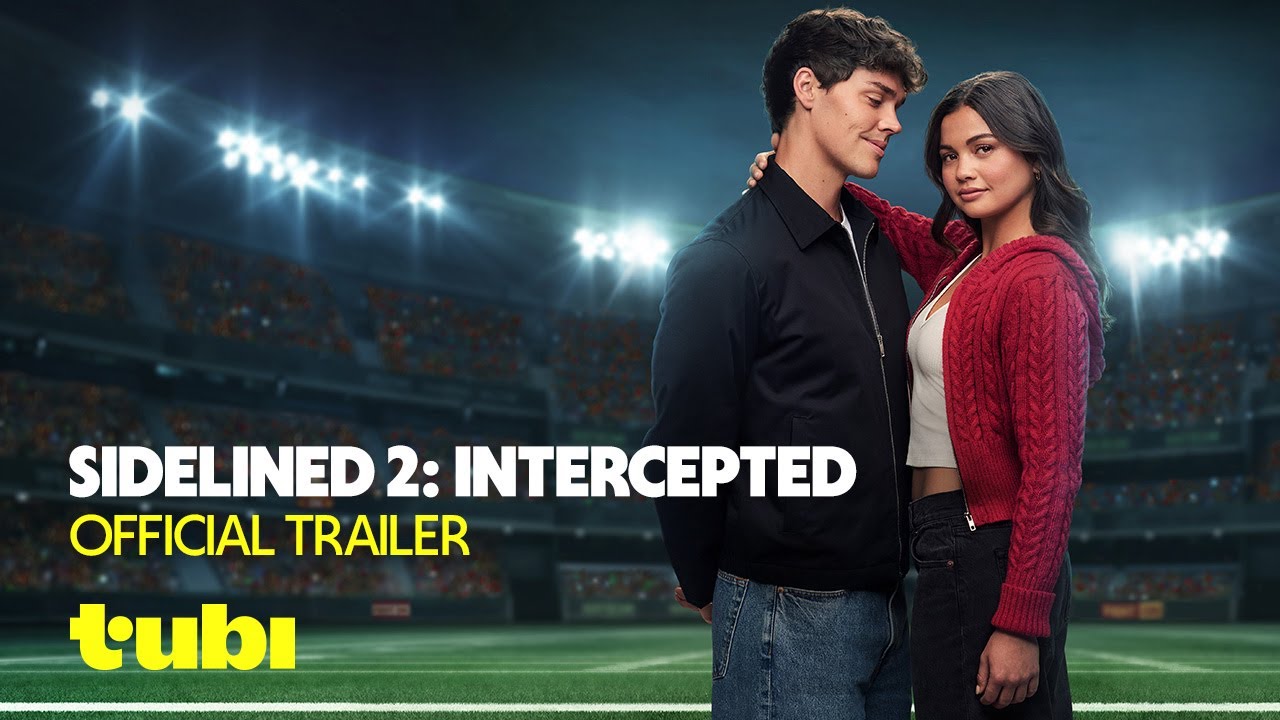
When Sidelined 2: Intercepted premiered in late November 2025, it arrived at an interesting inflection point for streaming romance comedies. The film manages to do something that’s increasingly rare in this space—it treats its sequel status not as a cash grab, but as an opportunity to deepen what worked about the original while acknowledging that characters, like real people, face evolving challenges. Director Justin Wu clearly understood that audiences returning to this world wanted stakes that felt genuine, not just recycled obstacles dressed up in new packaging.
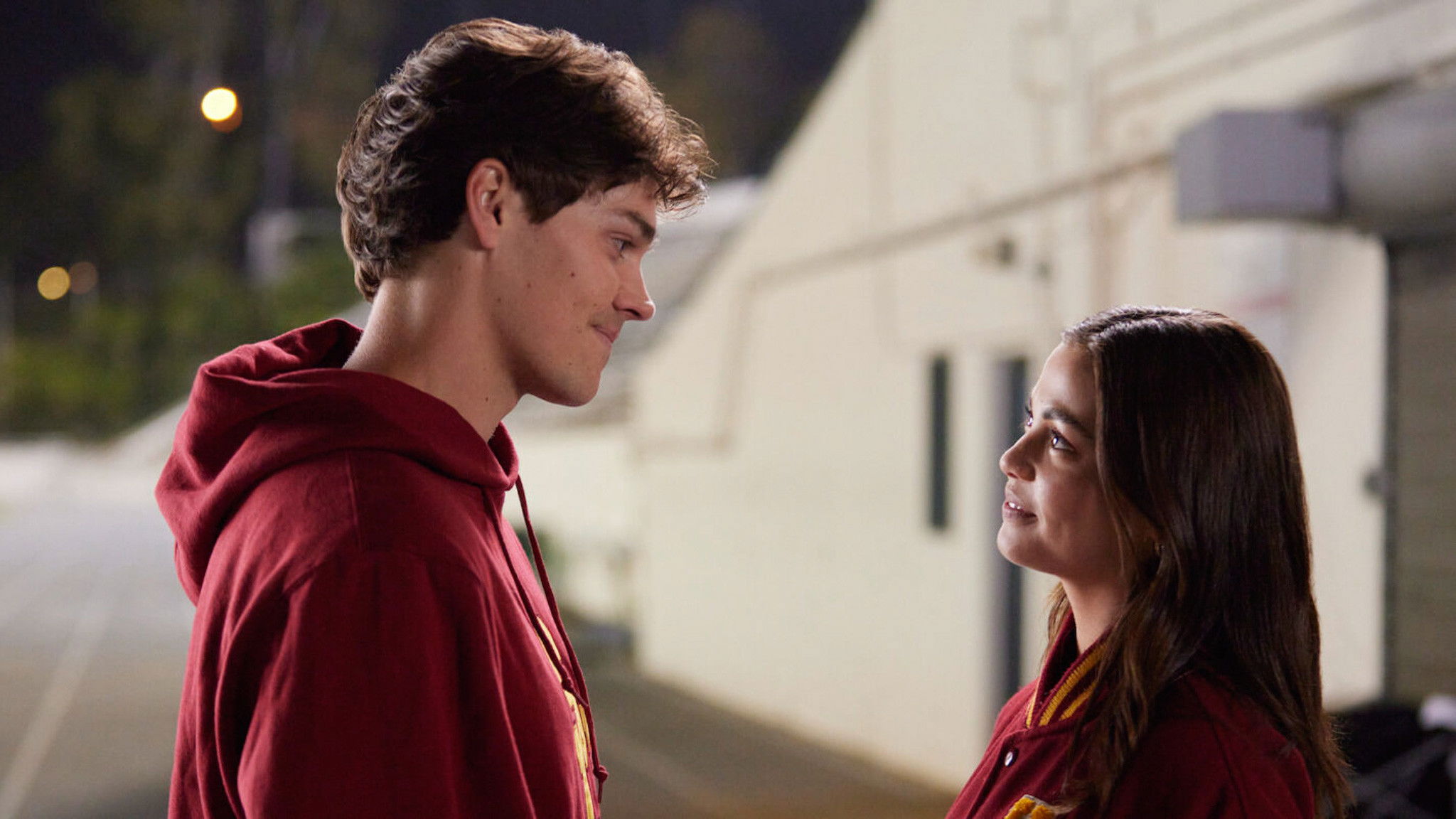
The film’s premise centers on quarterback Drayton and dancer Dallas navigating a relationship tested by his recovery from a professional setback and her growing uncertainty about her own path forward. It’s a simple enough setup, but what makes it resonate is how the narrative refuses to treat these as separate problems that get solved by the end of act two. Instead, Wu weaves them together—the couple’s personal struggles become inseparable from their ability to trust each other when the future feels uncertain. That’s mature storytelling for a genre often dismissed as lightweight, and it’s worth noting.
What Justin Wu brings to the director’s chair is a real sense of clarity about tone. Many rom-coms fail because they can’t decide whether they’re playing moments for laughs or emotional weight. Wu manages both here without the tonal whiplash that derails lesser films. The 1 hour 40 minute runtime actually works in the film’s favor—there’s no bloat, no subplot that overstays its welcome. Every scene feels purposeful, which is a remarkable achievement in a genre where films often meander just to hit the two-hour mark.
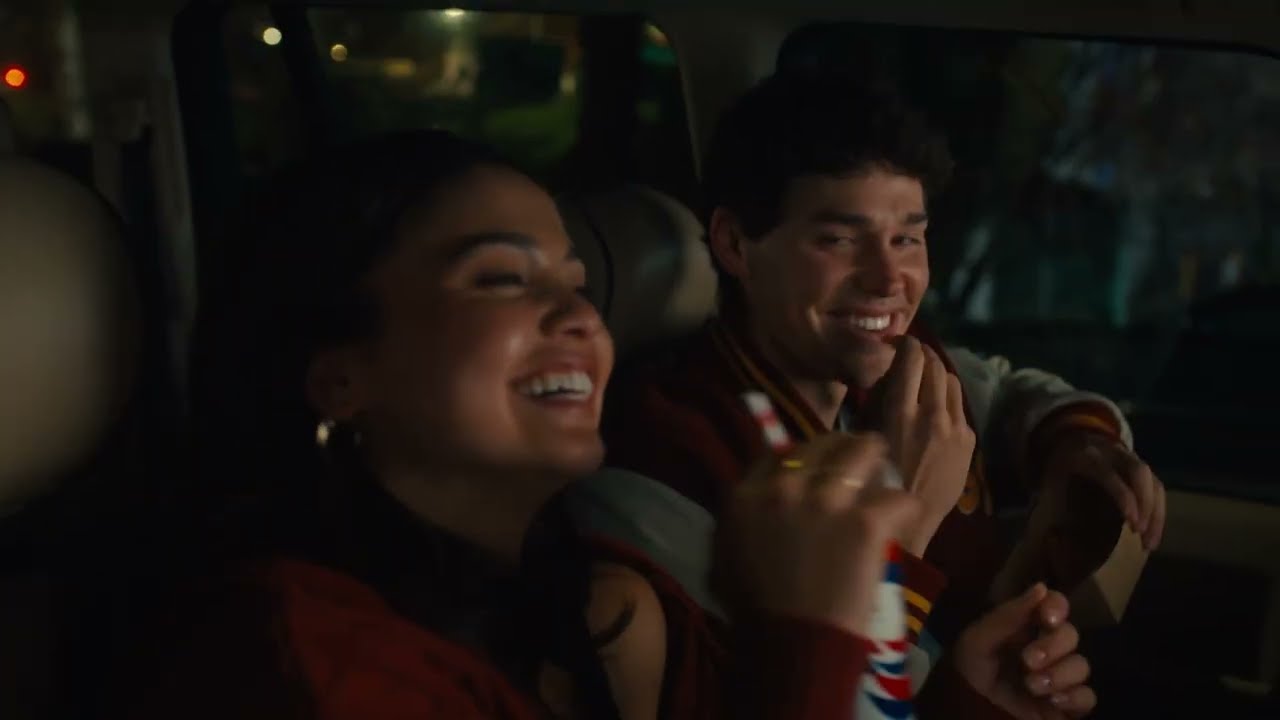
The cast deserves significant credit for making the material sing. Noah Beck carries the film with a maturity that suggests he’s moved past his social media origins into genuine acting craft. His Drayton isn’t just frustrated about his physical recovery—there’s real vulnerability in how Beck plays the character’s fear that he’s letting Dallas down, that his injury has fundamentally altered the relationship’s balance. Siena Agudong brings equal complexity to Dallas, portraying a woman caught between loyalty and self-preservation. Their chemistry works because it’s built on mutual respect rather than manufactured sparks.
Charlie Gillespie rounds out the primary cast in a supporting role that functions as the film’s emotional compass. There’s a scene midway through where Gillespie’s character articulates something about commitment and vulnerability that could have felt preachy in less capable hands. Instead, it lands because of the groundwork these actors have built together.
What’s particularly interesting about this film’s reception is how it reveals shifting audience expectations:
- The 7.4/10 rating from early viewers suggests solid approval without breakthrough acclaim
- Critics and audiences seem aligned on the film’s strengths—strong performances, genuine emotional moments—even if they differ on whether it reinvents the rom-com formula
- The film found its audience through streaming platforms, which speaks to how this genre continues evolving in the digital age
- Word-of-mouth emphasis on character development indicates viewers are hungry for romance stories that treat adults like adults
The production itself represents an interesting collaborative moment. Wattpad WEBTOON Studios bringing digital storytelling sensibilities together with Marshall Arts, Great Pacific Media, and Thunderbird Entertainment suggests a deliberate strategy to blend web-native audiences with traditional film production expertise. That’s not always successful—sometimes these partnerships feel like they’re fighting against each other. Here, it seems to have worked, resulting in a film that feels contemporary without chasing trends.
> “When it’s all on the line, hold on tight.” That tagline does more work than you might initially think. It’s ostensibly about the relationship, but it also speaks to the film’s thematic core—the idea that the hardest part of commitment isn’t the honeymoon phase, but the moment when you have to choose whether to stay when things get difficult.
The film’s significance lies in how it positions the romance comedy franchise. By extending this series into a second installment that complicates rather than simplifies the central relationship, Wu and the creative team are arguing for something: that rom-coms can be franchise-building vehicles without sacrificing the emotional intelligence that makes the genre work. We’re past the era where every rom-com needs to wrap up in a neat bow by the final frame. Audiences have grown up, and so have the films being made for them.
Whether Sidelined 2: Intercepted will be remembered as a watershed moment for the genre remains to be seen, but it deserves recognition as a genuinely well-executed example of contemporary romantic comedy. It respects its audience’s intelligence, trusts its cast to carry emotional weight, and understands that sometimes the most compelling stories about love are the ones that acknowledge how difficult it actually is. In a landscape crowded with forgettable streaming content, that matters.