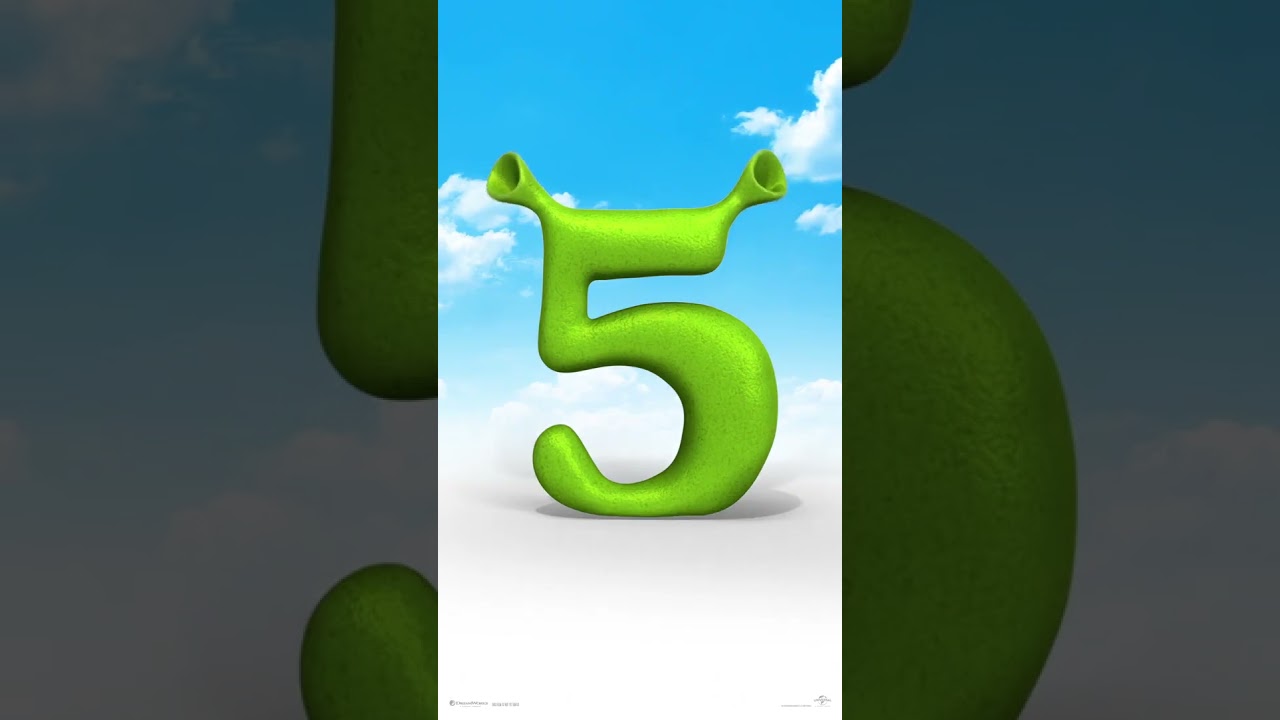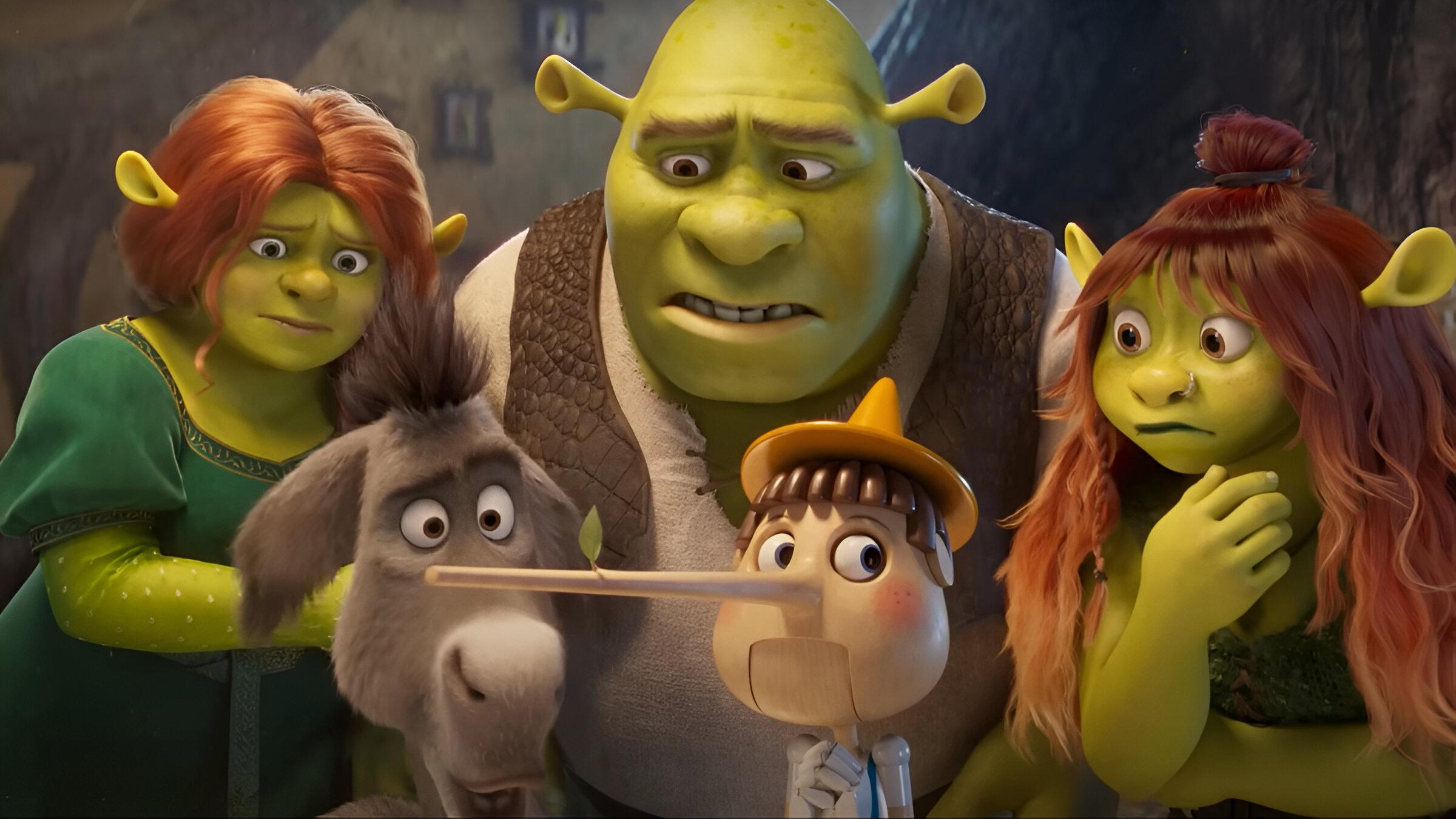
There’s something almost magical about the fact that we’re still talking about Shrek. A franchise that debuted in 2001 has managed to remain culturally relevant across generations, and now DreamWorks Animation is preparing to bring the beloved ogre back for another adventure. Shrek 5 is scheduled to arrive on June 30, 2027, and honestly, the anticipation building around this project tells us something important about what audiences genuinely want from their animated films in this era.
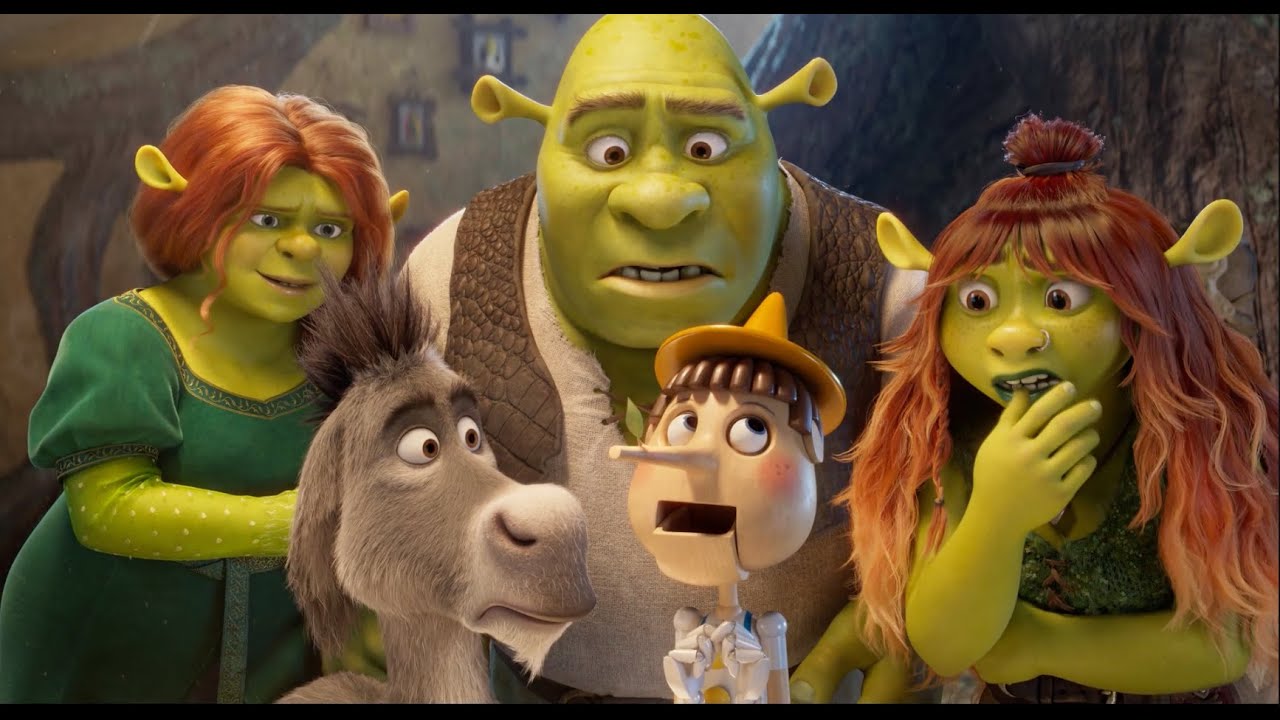
Let’s talk about what we actually know so far. The film is currently in production, with Walt Dohrn at the helm as director—a choice that matters more than you might think. Dohrn isn’t some outsider coming to revitalize a tired franchise; he’s deeply embedded in the Shrek universe and understands its comedic DNA in a way that commands respect. The return of Mike Myers, Eddie Murphy, and Cameron Diaz in their iconic roles signals something crucial: this isn’t a reboot attempting to erase what came before. This is a genuine continuation with the foundational voices intact.
The decision to move the film’s release from December 23, 2026 to a summer date is particularly telling. Studios don’t shuffle release calendars casually—this shift to June 30, 2027 speaks to strategic confidence. Moving away from the crowded, competitive holiday window suggests the filmmakers and studio believe this project is strong enough to command its own space and attention. Summer releases carry their own weight and prestige, especially for animated tentpoles with genuine cultural currency.
Here’s what makes Shrek 5 genuinely significant:
- Legacy preservation through continuity – By keeping the original voice cast, DreamWorks is honoring what made these characters resonate in the first place
- Evolving franchise storytelling – The Shrek films have consistently grown more sophisticated in their humor, balancing adult comedy with genuine heart
- Cultural longevity – Few animated franchises maintain relevance across decades; Shrek’s ability to do so deserves serious consideration
- Creative stability – Having Walt Dohrn guide this chapter provides directorial consistency that matters
The real question isn’t whether Shrek 5 will be commercially viable—it almost certainly will be. The question is what conversations it will spark about animated filmmaking, franchise evolution, and what happens when beloved properties return after extended absences.
The creative partnership between Dohrn and his returning cast is where things get interesting. Mike Myers bringing Shrek’s particular brand of gruff warmth, Eddie Murphy’s endlessly quotable Donkey energy, and Cameron Diaz’s Fiona—these are voices audiences have spent over two decades with. They’re not just characters; they’re cultural touchstones. The chemistry between Myers and Murphy specifically has been one of cinema’s great animated pairings, and the fact that they’re reuniting suggests we’ll see a return to the comedic rhythm that made the earlier films work so well.
What Walt Dohrn brings to this project is directorial vision informed by deep institutional knowledge. He understands the franchise’s balance between satirical humor targeting adults and genuine emotional beats that resonate with kids. This is perhaps the most delicate tightrope animated sequels must walk, and having someone at the helm who’s navigated it before matters enormously. The In Production status tells us we’re still in the phase where the actual shape of this film is being determined—dialogue is being refined, sequences are being animated and reanimed, and creative decisions are still being made.
The fact that the film currently sits at a 0.0/10 rating with zero votes is, frankly, exactly what you’d expect from a 2027 film we haven’t seen yet. But that blank slate is also symbolic of something larger: we’re approaching this with genuine uncertainty and curiosity rather than predetermined judgments. There’s something refreshing about that in our current media landscape.
Shrek 5 arrives at an interesting moment in animation. We’ve seen reboots fail spectacularly, nostalgia-driven projects underwhelm, and franchises attempt comebacks decades later with mixed results. What distinguishes this project is that fundamental commitment to continuity—this isn’t trying to reimagine Shrek for a new generation by casting new voices or reinventing the visual style. Instead, it’s saying: these characters still matter, these performers still own these roles, and we have more story to tell.
When this film releases on June 30, 2027, it will tell us something about what modern audiences value. Are we hungry for genuine continuations that respect what came before, or have we moved past franchises entirely? Will the original voice cast bring the same magic to these characters, or does comedy age in ways we can’t predict? These aren’t trivial questions—they shape how studios approach legacy franchises moving forward.
The creative team clearly believes there’s something worth exploring in returning to Far Far Away. Whether it’s Shrek’s continued evolution as a character, Fiona’s place in this world, or the endless comedic potential of a talking donkey, there’s intention behind this project. Walt Dohrn, Mike Myers, Eddie Murphy, and Cameron Diaz aren’t assembling for a paycheck—they’re returning because they believe in what this story can be.
That belief, right now, before release, before reviews, before box office numbers—that is what makes Shrek 5 genuinely worth our anticipation.