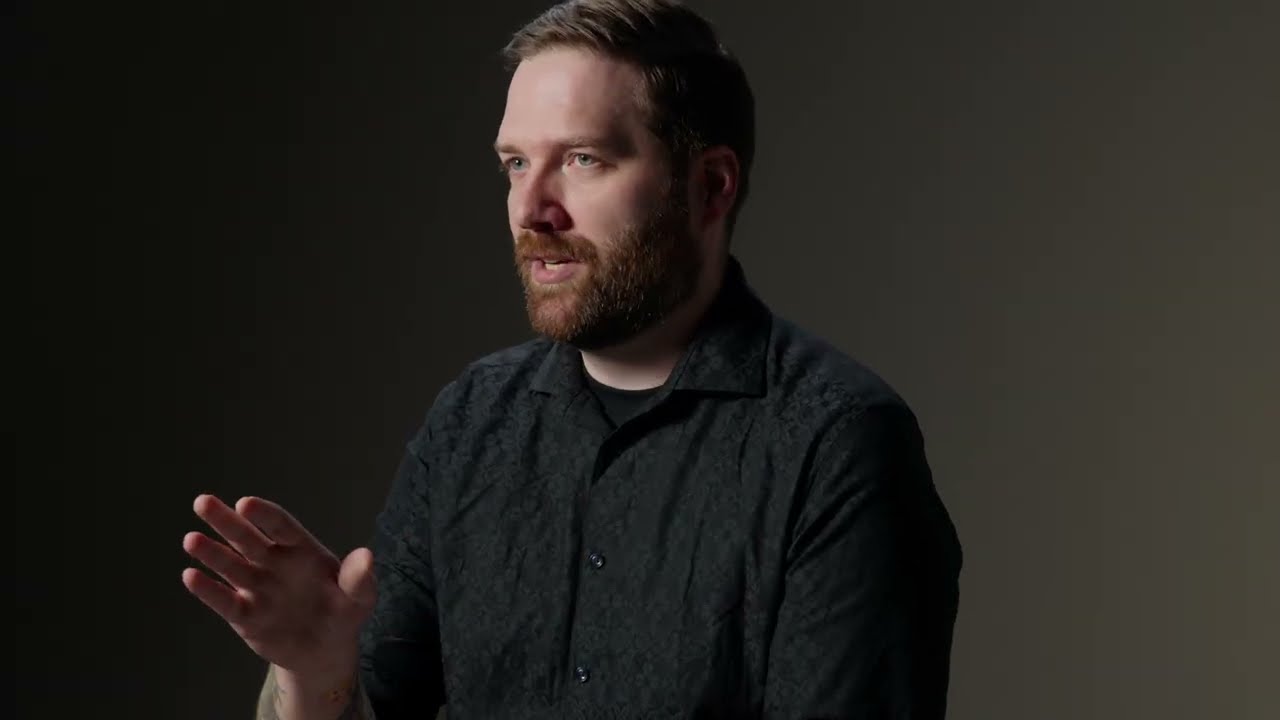
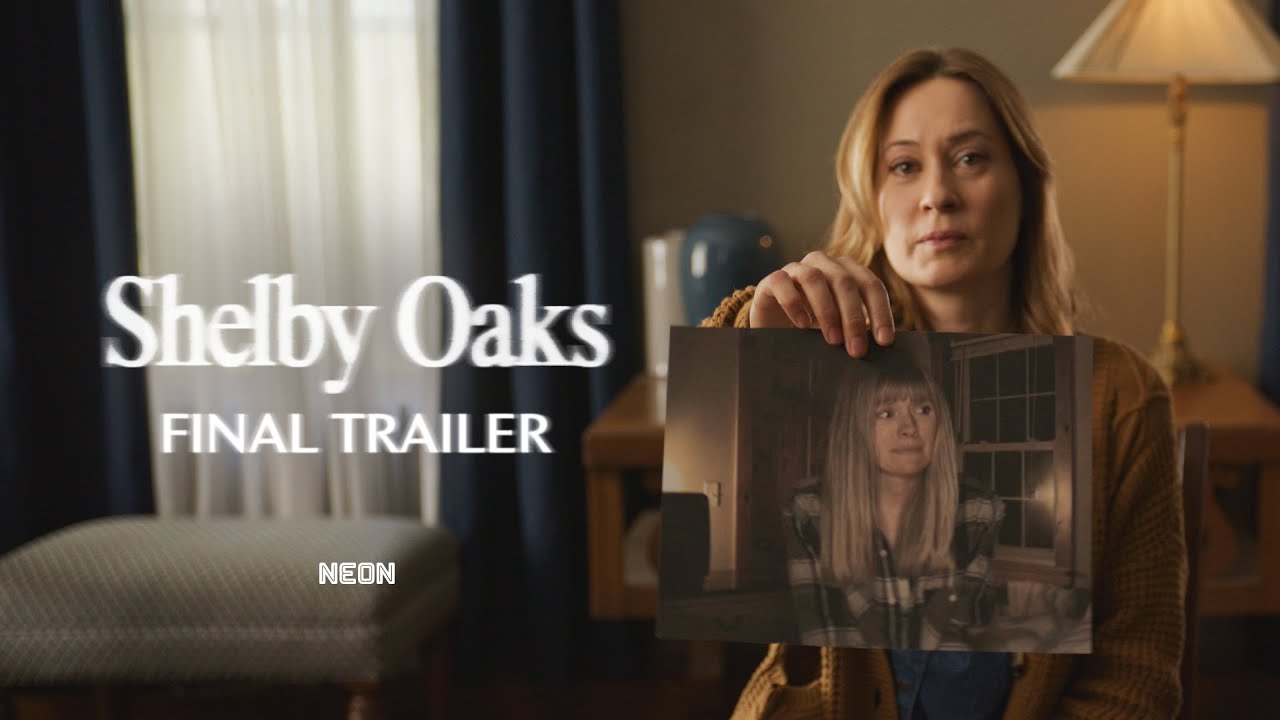
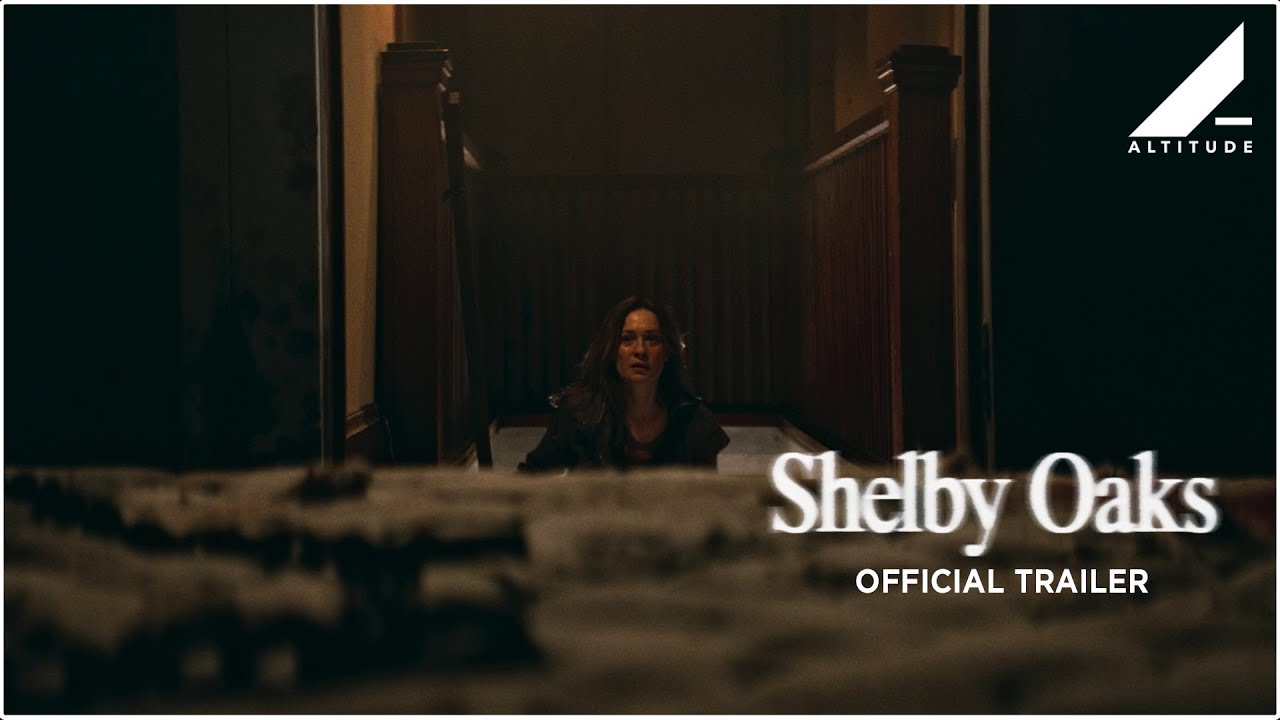
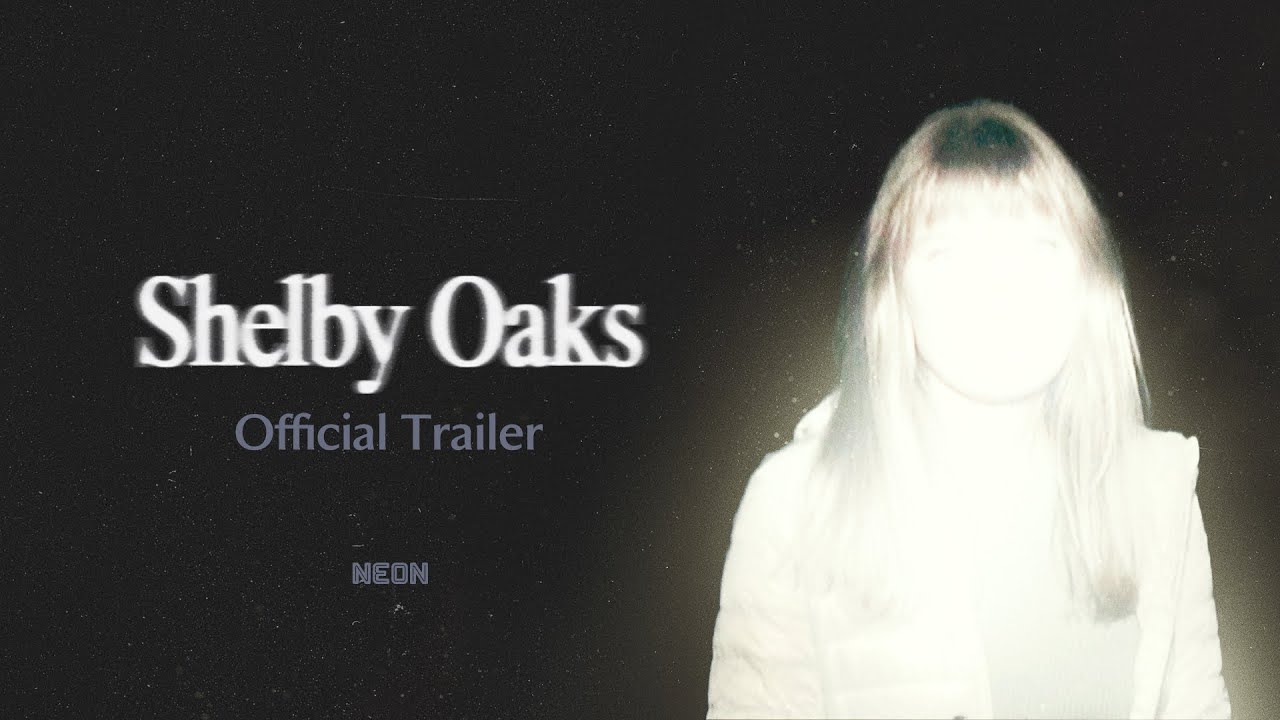
When Shelby Oaks premiered in October 2025, it arrived with a deceptively simple premise wrapped in mystery: “Who took Riley Brennan?” What unfolded was a lean, hungry piece of horror filmmaking that proved sometimes the most effective genre exercises come from constraint rather than spectacle. Director Chris Stuckmann—a filmmaker who’d earned credibility as both a critic and creator—brought a $1.4 million vision to life that would eventually gross over $6 million worldwide, a testament to word-of-mouth momentum in an era when audiences crave authentic scares over manufactured blockbuster thrills.
Let’s talk about what makes this film’s financial performance meaningful. Opening with $2.35 million domestically, Shelby Oaks didn’t come out swinging like a tentpole feature. Instead, it demonstrated the enduring viability of modestly-budgeted horror that connects with audiences on a visceral level. The film’s legs—pulling in nearly $4.5 million domestically and $6.6 million globally—tell the story of a movie that worked harder after opening weekend, surviving on recommendations and repeat viewings rather than massive marketing saturation. In a landscape increasingly dominated by franchise entries and IP-dependent projects, this matters profoundly.
The critical reception, sitting at 5.8/10 across 175 votes, presents an interesting paradox. On the surface, it looks like middling reception, yet the film’s box office trajectory suggests audiences connected with something critics struggled to articulate or perhaps undervalued. This disconnect—between critical consensus and audience response—has become increasingly common in horror, a genre where emotional impact and genre satisfaction often matter more to viewers than structural perfection or thematic sophistication.
What Stuckmann accomplished in 91 minutes proves remarkably efficient:
- A mystery framework that tightens rather than meanders
- Character work that avoids exposition dumps and cheap shortcuts
- Visual storytelling that trusts the audience’s intelligence
- Performances anchored by genuine unease rather than jump-scare mechanics
The cast assembled here deserves specific attention. Camille Sullivan carries the film with a performance that balances vulnerability and determination—the kind of protagonist work that makes horror narratives feel lived-in rather than performed. Brendan Sexton III, an actor who’s built a career on unsettling intensity, brings exactly the right kind of menace to the proceedings. And Keith David, whose presence alone can elevate any scene, lends gravitas to a story that could’ve easily descended into schlock without his grounding influence. These three didn’t make a flashy ensemble piece; they made something that felt genuinely dangerous.
> The film’s real significance lies in how it challenges the assumption that horror requires massive budgets to deliver meaningful scares. Shelby Oaks operates almost like a chamber piece—confined spaces, limited cast, focused conflict—which paradoxically makes it feel more claustrophobic and unsettling than productions ten times its budget.
Stuckmann’s creative vision appears rooted in a fundamental trust in the genre itself. Rather than deconstruct horror tropes or wink at the audience with meta-awareness, he simply asked: what if we made people genuinely afraid with limited resources and committed performances? The theatrical cut that emerged after Fantasia screenings incorporated refinements that suggested an artist genuinely engaged in his material, willing to revise and reconsider rather than simply protecting his first instinct.
The cultural landscape surrounding Shelby Oaks‘ release matters too. It came out during a period when audiences increasingly sought alternatives to prestige horror that privileges ambition over execution. Ari Aster’s baroque visual style, Robert Eggers’ auteurial eccentricity—these had become the conversation. Shelby Oaks arrived offering something different: efficient, brutal genre storytelling that didn’t apologize for simply wanting to unsettle viewers. There’s something almost retro about that commitment, a throwback to ’90s horror filmmaking where plot clarity and character stakes mattered more than philosophical subtext.
Where does this film sit in the larger ecosystem of 2025 horror?
- It proved modestly-budgeted horror still has theatrical viability when executed with conviction and craft
- It demonstrated that audiences will sustain interest in mystery-driven narratives if the emotional throughline remains taut
- It showed that strong ensemble casting can elevate limited material into something genuinely compelling
- It reinforced that director-driven projects continue to connect with audiences hungry for personal vision
The legacy of Shelby Oaks may not crystallize immediately in awards recognition or cultural omnipresence. Yet it represents something increasingly valuable: a film that understood its own scope, executed within that scope flawlessly, and trusted audiences to meet it halfway. In an industry often obsessed with franchise potential and expandable universes, there’s something quietly radical about a 91-minute mystery that simply wants to ask a question and let you sit uncomfortably in the answer.
For emerging filmmakers watching from the sidelines, Stuckmann’s film offers a masterclass in constraint as strength. For audiences fatigued by horror that feels engineered rather than felt, Shelby Oaks arrived as something scarcer than jump scares: genuine filmmaking conviction applied to genuine scares. That’s worth remembering.