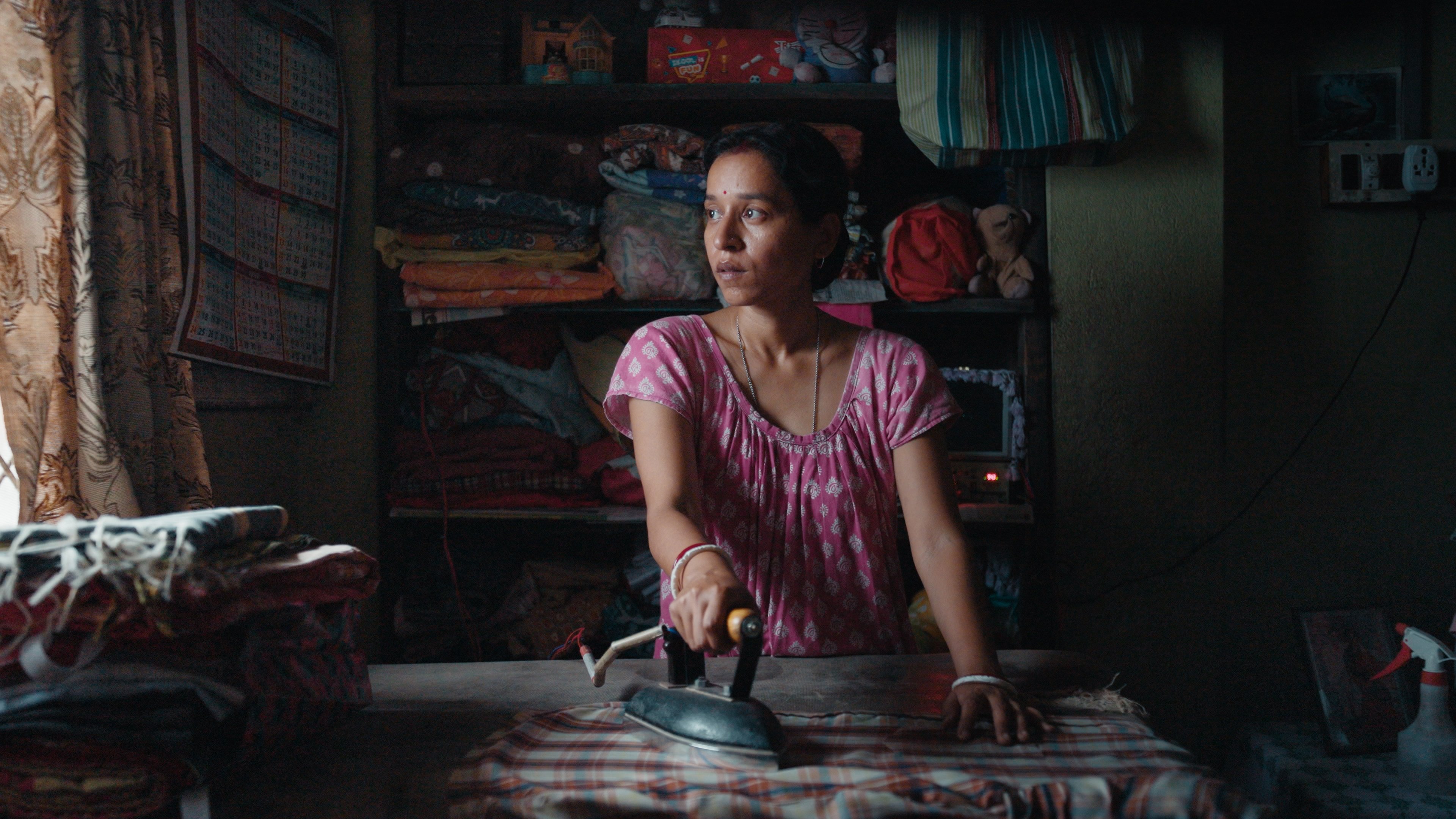
There’s something genuinely exciting brewing in the independent film circuit right now, and it centers on a small Indian drama that’s already making waves before it will be released on February 5, 2026. Shadowbox, directed by Tanushree Das, is the kind of film that reminds you why cinema matters—not because it’s flashy or commercially calculated, but because it has something real to say about the messy, complicated lives people actually live.
What’s particularly striking about Shadowbox is the pedigree it’s already accumulated. The film has already screened at the prestigious Berlin International Film Festival, where it earned recognition in the Perspectives strand. More impressively, it took home the Revelation Award for Best Film in the Discoveries Section at LEFFEST, a distinction that signals serious cinematic credibility. This isn’t a film being positioned as a crowd-pleaser; it’s being recognized by festival circuits that champion artistic integrity and fresh voices.
At its core, Shadowbox explores some genuinely weighty terrain:
- PTSD and psychological trauma in the context of everyday working-class life
- Marriage dynamics strained by economic pressure and untreated emotional wounds
- Gender roles and the invisible labor women perform in holding families together
- Mental health as something that extends beyond individual struggle into family systems
The narrative follows an ex-soldier’s wife navigating multiple jobs, trying to keep everything together while her husband struggles with the aftermath of military service. It’s the kind of story that doesn’t announce itself with dramatic music cues—it quietly observes how trauma ripples through intimate relationships.
“Husbands are best when they are dead” is thrown out as a joke by a secondary character, but it carries the dark humor and honest desperation that apparently threads through the film.
This is where Tillotama Shome comes in. Shome has proven herself one of Indian cinema’s finest actors, capable of conveying entire emotional landscapes through subtle shifts in expression. She’s the kind of performer who can make a scene about waiting in line at a government office feel like profound cinema, and casting her in this material feels exactly right. She will carry much of the film’s emotional weight, playing a woman caught between societal expectations, personal survival, and the complications of loving someone who can’t quite heal.
Chandan Bisht and Sayan Karmakar round out the cast, and the collaboration between these three actors suggests Das has assembled people committed to authenticity over performance. There’s no sense these are stars playing roles—there’s a feeling these are actors interested in excavating character.
What’s particularly fascinating about this production is the sheer number of organizations involved:
- Moonweave Films and Kiterabbit Films leading the production
- Multiple micro-production companies and post-production studios suggesting a genuinely collaborative, perhaps even crowdsourced approach to filmmaking
- The Sumitra Gupta Foundation for the Arts involvement, pointing toward institutional support for meaningful cinema
- A collective that feels less like a traditional studio system and more like a network of artists choosing to work together
This production structure itself is significant. It suggests Shadowbox isn’t a film made within traditional power structures but rather built by a community of filmmakers committed to a specific vision.
Tanushree Das as director brings a documentary-like precision to intimate drama. There’s no sense in what we know about this film that she’s interested in melodrama or cinematic flourishes for their own sake. The 91-minute runtime speaks to this economy—Das appears to trust her material and her actors enough not to pad scenes with unnecessary moments. Every minute feels like it will count.
The film’s current rating of 0.0/10 on database aggregators isn’t a reflection of quality—it’s simply the absence of public audience ratings before release. This is actually appropriate for a film of this stature; it will find its audience through festival circuits, word-of-mouth, and critics who recognize its significance, rather than through algorithm-driven hype.
What matters most is that Shadowbox is being made in a moment when cinema urgently needs stories like this. We’re living through a time when mental health, economic precarity, and the dissolution of traditional support systems are reshaping how people experience intimacy and family. A film that looks unflinchingly at these realities, that trusts actors and audiences enough not to oversimplify, feels necessary.
When Shadowbox reaches audiences in early 2026, it’s likely to spark important conversations about masculinity in crisis, female resilience, and what we owe to people we love when they’re struggling. That’s not a small thing. That’s a film that understands cinema as a tool for empathy and understanding. In a landscape increasingly dominated by franchise content and streaming comfort-watching, that feels like something worth paying attention to.