When Sentimental Value was released in August 2025, it arrived quietly at first—a Norwegian family drama with a modest budget of $7.8 million and a runtime stretching just over two hours. But what Joachim Trier had crafted wasn’t meant to shout. It was meant to settle into your bones, the kind of film that whispers truths about family, memory, and the weight we carry from our past. By the time the year wound down, the whispers had become a roar: nine Oscar nominations, a sweep at the European Film Awards, and a 7.6-rated film that somehow managed to mean everything to everyone who encountered it.
The Creative Vision Behind the Frame
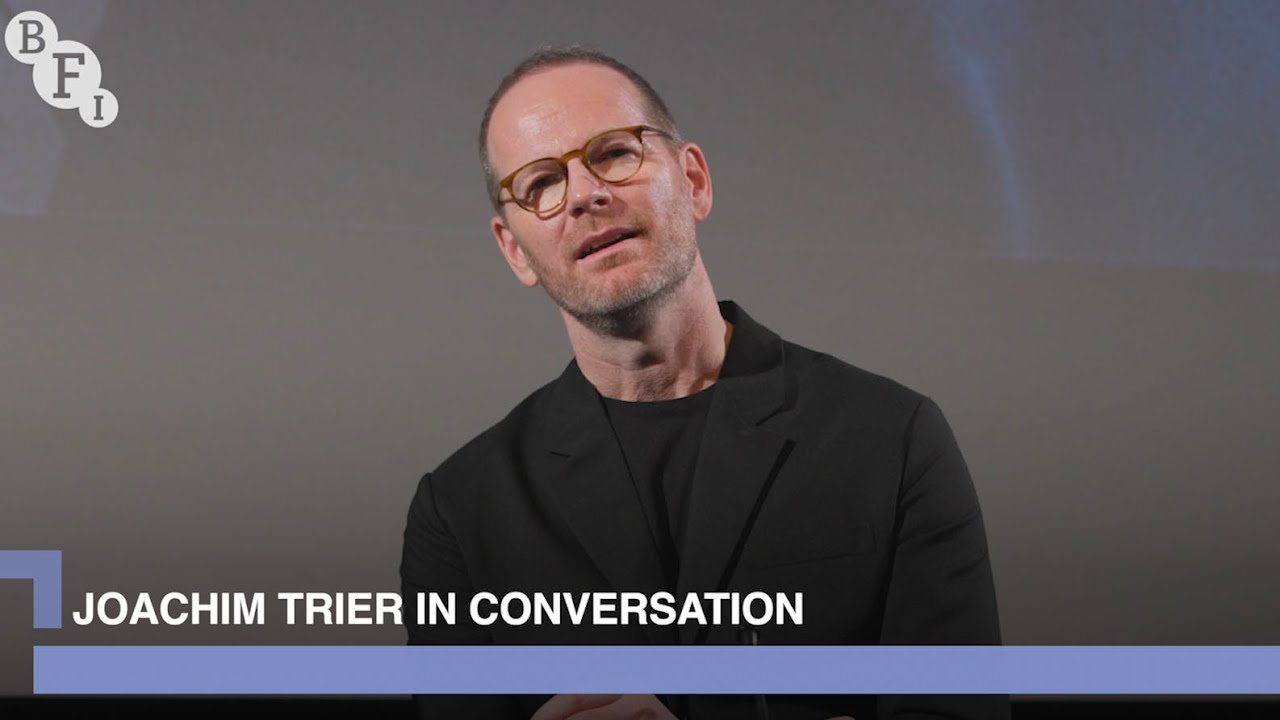
Trier has always been a filmmaker interested in the spaces between people—those uncomfortable silences where real emotion lives. What makes Sentimental Value particularly striking is how he assembled a genuinely multinational production to tell what is fundamentally a Norwegian story. You’ve got producers and financiers from Denmark, Germany, France, and the UK all investing in this intimate character study. That level of European collaboration speaks to something crucial: this film transcends national borders while remaining rooted in something deeply specific about Northern European sensibility. It’s the kind of project that only works when everyone involved trusts the director’s vision completely.
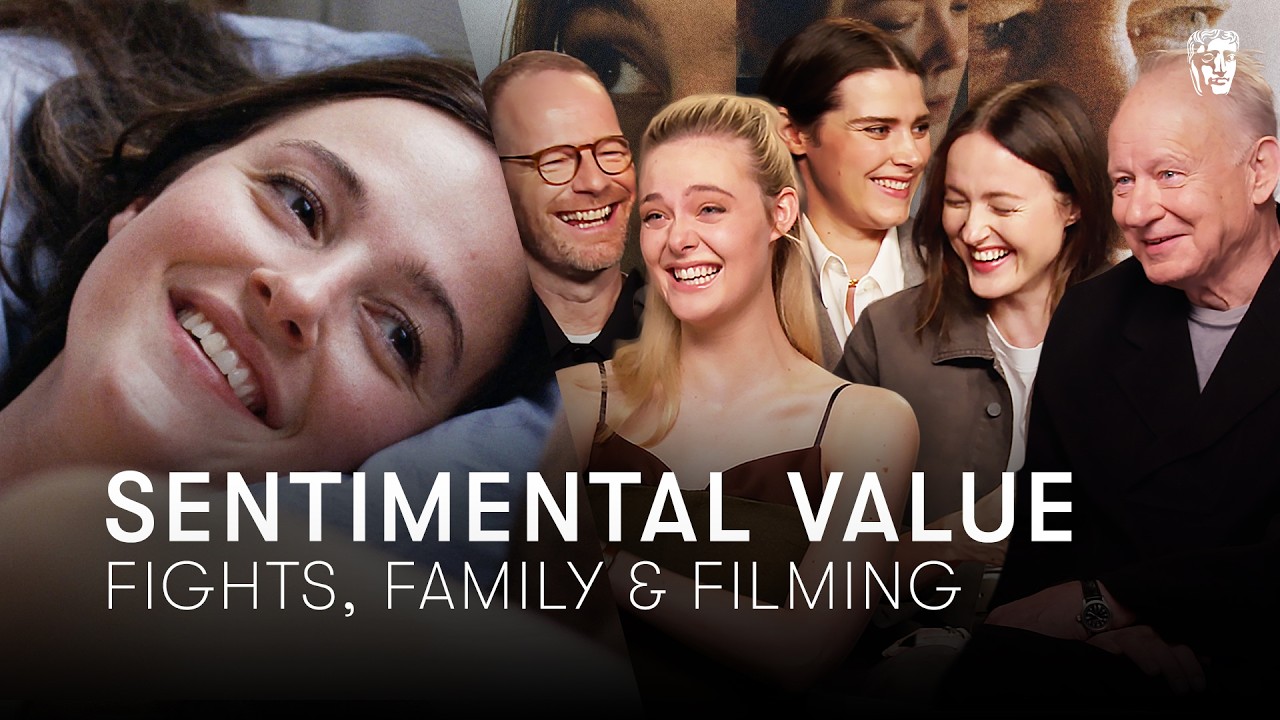
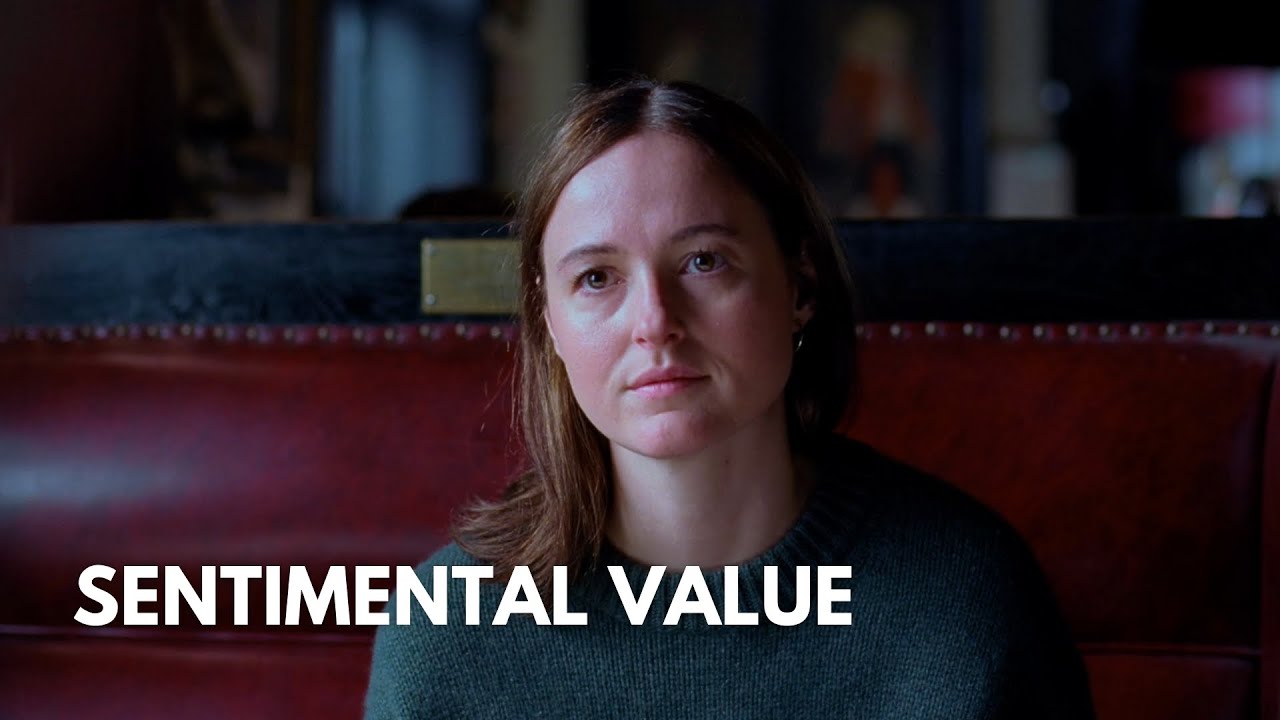
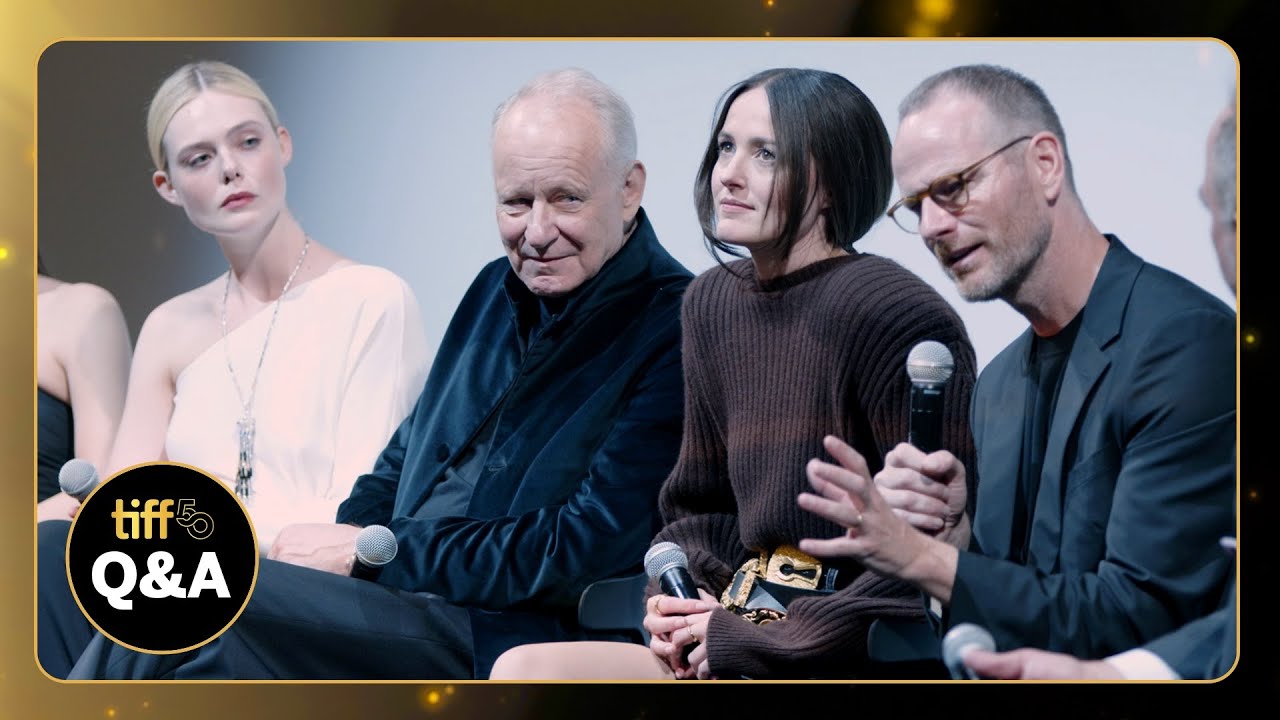
And that vision hinges on performance, which is where the casting becomes essential. Renate Reinsve, who had already proven herself in Trier’s earlier work, carries the emotional weight of the narrative with a kind of restraint that feels almost radical in contemporary cinema. Alongside her, Stellan Skarsgård brings gravitas and complexity—he’s a performer who understands that sometimes the most powerful moments come when you’re barely moving at all. Then there’s Inga Ibsdotter Lilleaas, whose presence creates a different kind of tension, a generational bridge that forces the older characters to confront who they’ve become.
> The film understands something fundamental: that family dramas don’t need melodrama to be devastating. They need truth, specificity, and actors brave enough to sit with uncomfortable silences.
Breaking Even and Breaking Through
Here’s what’s worth noting about the box office: a $7.8 million budget returning $20 million worldwide isn’t just respectable—it’s a genuine success story for European cinema. But more importantly, it’s proof that audiences were hungry for this kind of substantive storytelling. This wasn’t a tentpole film or a franchise entry. It was just a film about family, memory, and the choices that shape us. That it resonated across multiple markets, languages, and cultures suggests that Trier tapped into something universal beneath the specifically Norwegian details.
The critical reception—a 7.6 rating from nearly 330 voters—tells an interesting story too. It’s not a unanimous masterpiece in the traditional sense. Some viewers found it slow or emotionally remote. But there’s something honest about that moderate rating for a film that won’t be for everyone but means everything to those it reaches. These aren’t comfortable, easy films. They’re demanding in the best way.
A Masterclass in Restrained Storytelling
What stands out about Sentimental Value across its 133 minutes is the commitment to understatement. This is a film that trusts its audience to understand what isn’t being said. Consider how Trier structures the narrative:
- Long takes that let scenes breathe naturally, avoiding the quick-cut rhythms of contemporary mainstream cinema
- Sparse dialogue that carries enormous weight precisely because words are chosen so carefully
- Ordinary locations—homes, kitchens, modest Norwegian landscapes—that become emotionally charged through context and performance
- Temporal shifts that explore how the same family members remember events completely differently
This approach could easily feel tedious in less capable hands, but Trier and his cinematographer create visual language that’s quietly hypnotic. There’s beauty in the restraint, dignity in the slowness.
The Awards Recognition and Cultural Moment
The film’s sweep at the European Film Awards wasn’t surprising in retrospect, but it mattered. In a cultural moment obsessed with spectacle and immediate gratification, a film about the accumulated weight of family history won the industry’s most prestigious regional award. That’s significant. It says something about what European filmmaking values and what it wants to champion globally.
Then came the Oscar nominations—nine of them—placing Sentimental Value among the year’s most recognized international films. Whether or not it converted those nominations into wins, the recognition validated something important: that intimate, character-driven European cinema still commands global respect and attention.
Why It Endures
What makes Sentimental Value genuinely important isn’t just its immediate success or awards recognition. It’s that the film refuses easy catharsis or neat resolution. Families don’t resolve their wounds in two hours and thirteen minutes—they learn to live with them, to understand them differently, to find small moments of grace within the ongoing complexity. That’s what Trier understands, and that’s what makes his film feel true in a way that lingers long after the credits.
The real legacy of Sentimental Value will be measured in how it influences filmmakers to trust their material, their actors, and their audiences. In an industry constantly chasing the next trending format, Trier made a film that proves the power of simplicity, specificity, and genuine human connection. That’s worth remembering.






![Official Trailer #2 [Subtitled]](https://img.youtube.com/vi/zBFstFXdk90/maxresdefault.jpg)



![Official Trailer [Subtitled]](https://img.youtube.com/vi/CbHbW7De3W4/maxresdefault.jpg)
![Official Trailer [Subtitled]](https://img.youtube.com/vi/lKbcKQN5Yrw/maxresdefault.jpg)
![Clip [Subtitled]](https://img.youtube.com/vi/MqZto6qIwBQ/maxresdefault.jpg)