There’s something genuinely exciting happening with Jay Duplass’s See You When I See You, which is scheduled to make its world premiere at the 2026 Sundance Film Festival on January 27th. In an era where we’re often chasing the next big spectacle, this film represents something increasingly rare: a character-driven drama helmed by a filmmaker who understands that the most compelling stories often come from intimate, messy human moments. The fact that it’s landing in Sundance’s prestigious Premieres section speaks volumes about the kind of project the festival programmers believe will resonate with audiences looking for something genuinely substantive.
Let’s talk about why this matters before we even get into the details. Jay Duplass has spent years building a reputation as someone who gets human complexity. Whether you know him as an actor, director, or one half of the acclaimed Duplass Brothers duo, there’s a consistent thread running through his work: an unflinching interest in how people actually relate to each other, awkwardness and all. With See You When I See You, he’s stepping into the director’s chair to explore something that feels both deeply personal and universally relatable.
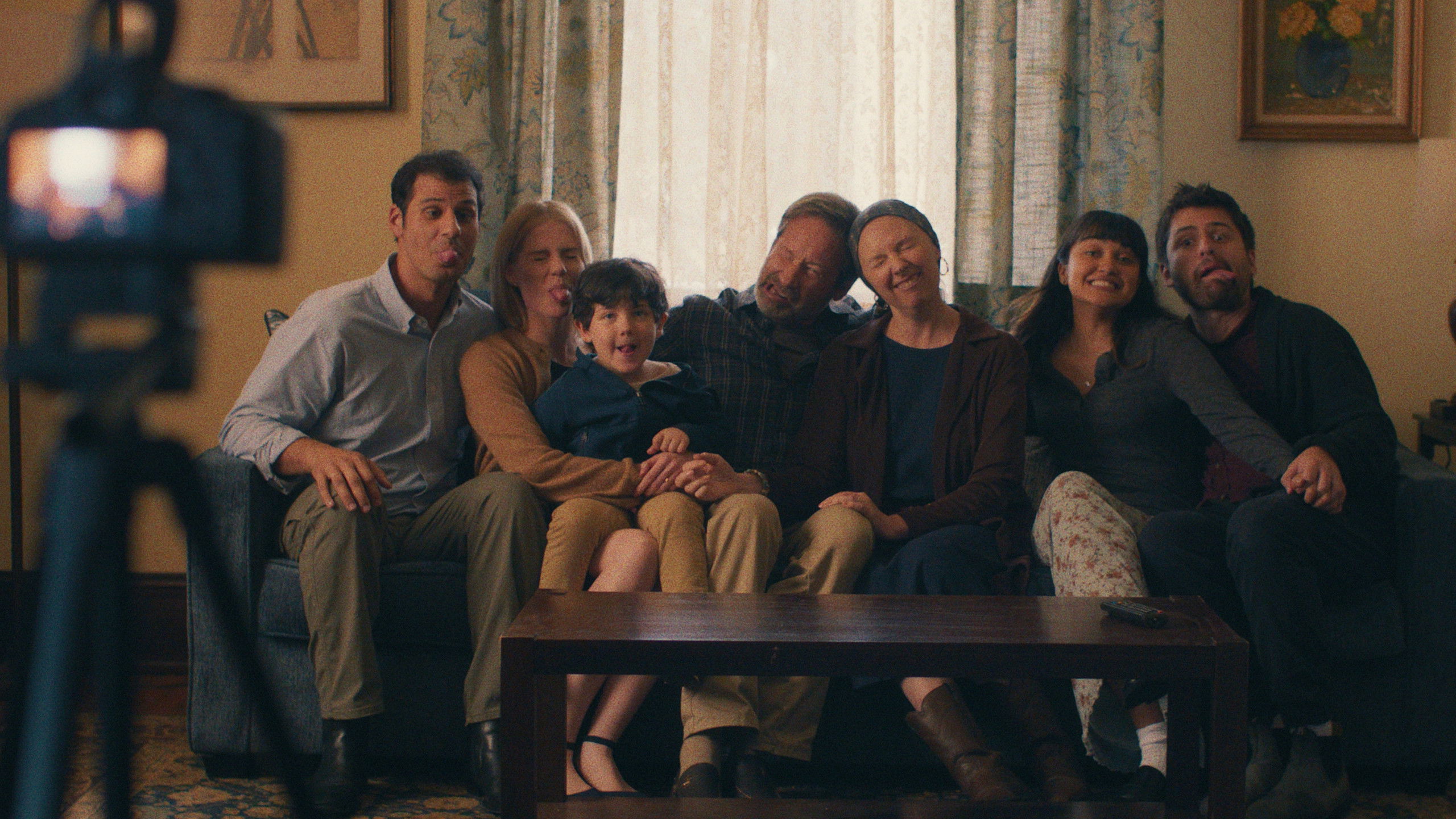
The cast assembled here is worth paying attention to. You’ve got Cooper Raiff, an actor who’s shown genuine range in choosing projects that prioritize character over commercial appeal. Alongside him, there’s David Duchovny, an actor with decades of experience finding depth in complex roles, and Kaitlyn Dever, whose work in recent years has demonstrated a remarkable ability to ground stories with authenticity and emotional weight. This isn’t a cast put together for marquee value—it’s a cast assembled because these actors understand material like this and know how to inhabit it with honesty.
The most interesting films in today’s landscape aren’t always the ones with the biggest budgets or the glossiest production values. They’re the ones where filmmakers trust their material and their audiences enough to sit with uncomfortable truths.
What makes See You When I See You particularly intriguing as we head toward its Sundance debut is how it fits into the broader conversation about contemporary cinema. Here’s what we’re looking at:
- A return to intimate storytelling in a landscape increasingly dominated by franchises and IP
- A filmmaker in Jay Duplass who understands the comedy inherent in real human interaction without ever reducing his characters to jokes
- A cast committed to understated, truthful performances rather than broad emotional gestures
- A production team (Astute Films, Winter Coat Films, and Duplass Brothers Productions) dedicated to supporting independent voices
At roughly 1 hour and 42 minutes, the film isn’t trying to be more than it needs to be. There’s wisdom in that restraint. It suggests Duplass trusts his story enough to tell it cleanly without padding or unnecessary subplot bloat. In a medium where we’ve become accustomed to three-hour running times as a marker of prestige, there’s something refreshing about a filmmaker confident enough to say, “This is the story, this is how long it takes to tell it, and that’s enough.”
The Sundance premiere itself will be significant. This isn’t a film sneaking into the festival—it’s positioned as one of the event’s marquee offerings. Beyond the January 27th premiere at the Eccles Theatre, there are additional screenings scheduled throughout the festival weekend, including slots at The Ray Theatre on January 28th and another screening on January 30th. The programming team clearly believes this film will generate conversation, and they’re giving it multiple opportunities to reach an audience.
What’s particularly fascinating is how See You When I See You arrives at a moment when audiences seem genuinely hungry for films that trust them. We’re tired of manipulation. We’re tired of stories that mistake plot mechanics for genuine human conflict. What we’re gravitating toward are narratives that understand that sometimes the most dramatic moments in life are also the quietest ones—a conversation that doesn’t go where we expected, a relationship that shifts in ways we can’t control, the gap between what we say and what we mean.
Jay Duplass as director brings a perspective shaped by his work as an actor and filmmaker within independent cinema. He’s spent enough time on sets, in editing rooms, and collaborating with his brother Mark to understand what actually moves an audience. That’s not something you can fake or rush into. It’s something you develop through years of being genuinely curious about why certain moments land and others don’t.
The creative collaboration at work here feels intentional. These aren’t random casting choices or a director working with actors he happened to know. This is a filmmaker who’s thought carefully about who can embody the emotional intelligence his story requires. When you look at the track records of Raiff, Duchovny, and Dever, what stands out is their shared commitment to playing characters with full humanity intact—flaws, contradictions, and all.
As we move toward the January 27th premiere, what’s worth considering is what this film might ultimately represent. In a film landscape that often feels fragmentary and increasingly corporate, See You When I See You arrives as a gentle reminder that there’s still an appetite—both among filmmakers and audiences—for stories that sit with us, that don’t have all the answers mapped out, that trust us to find meaning in the spaces between dialogue and action. That’s not a small thing. That’s exactly the kind of cinema that reminds us why we show up to watch movies in the first place.