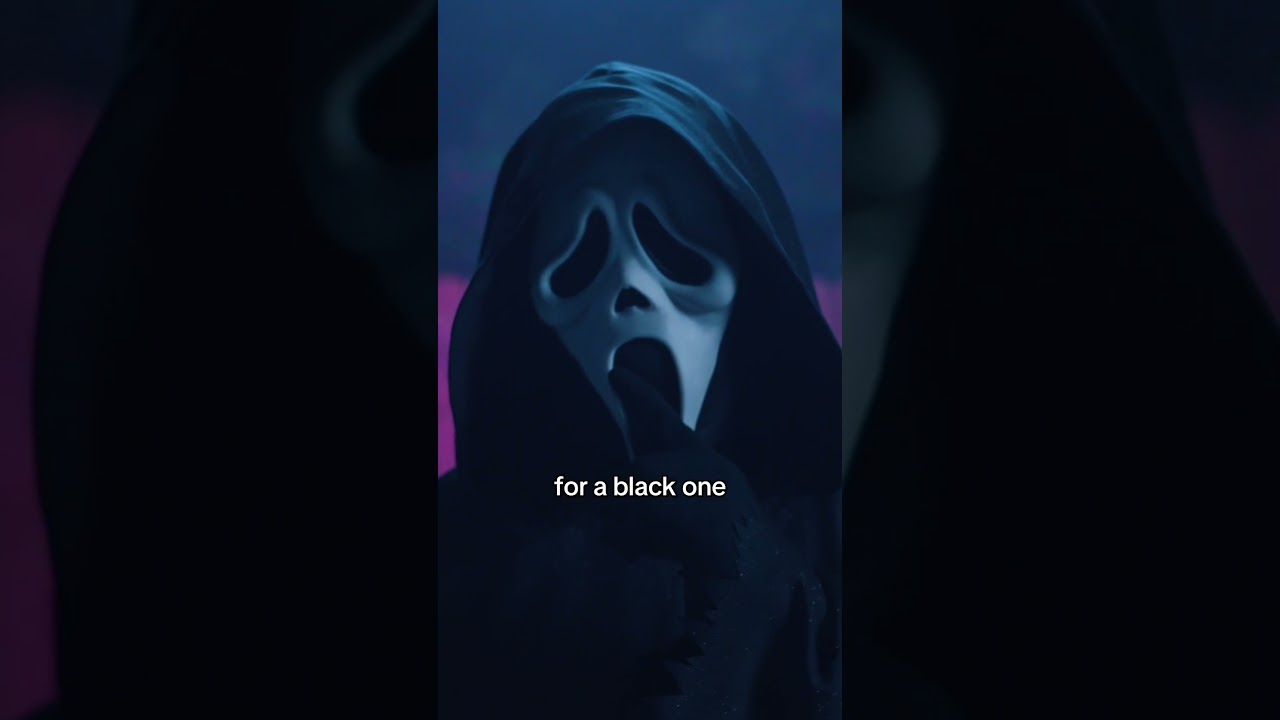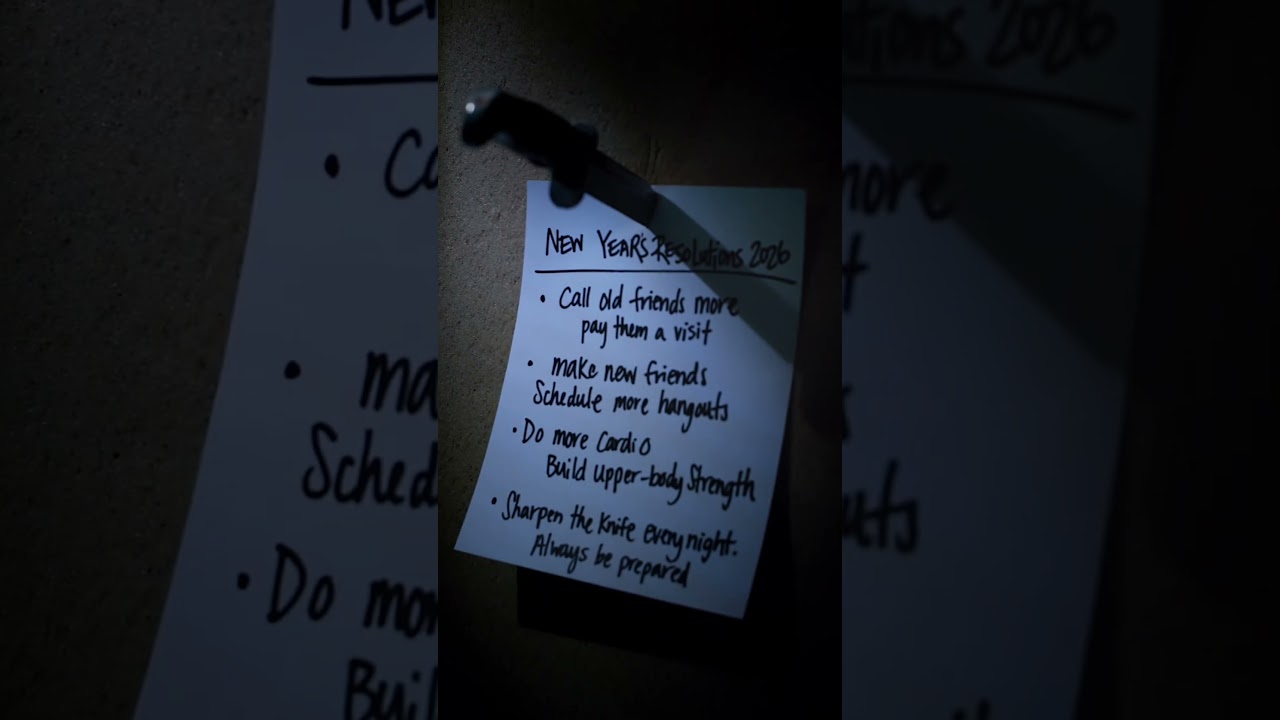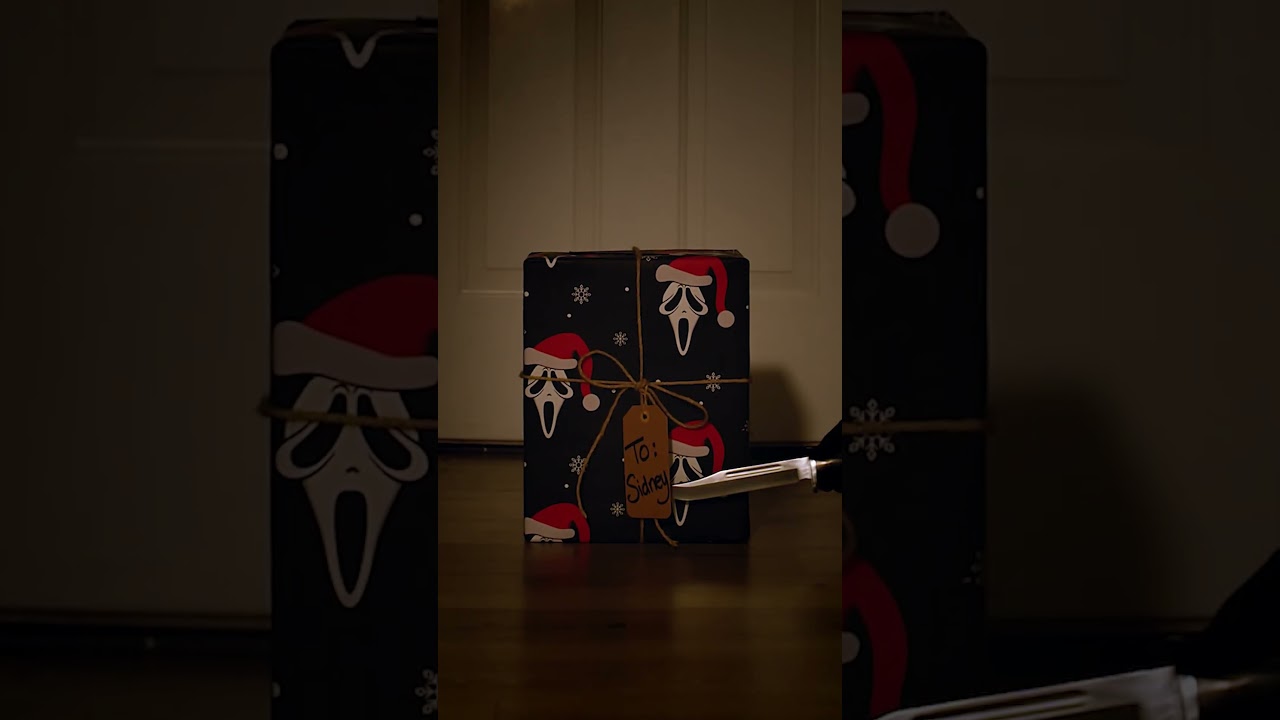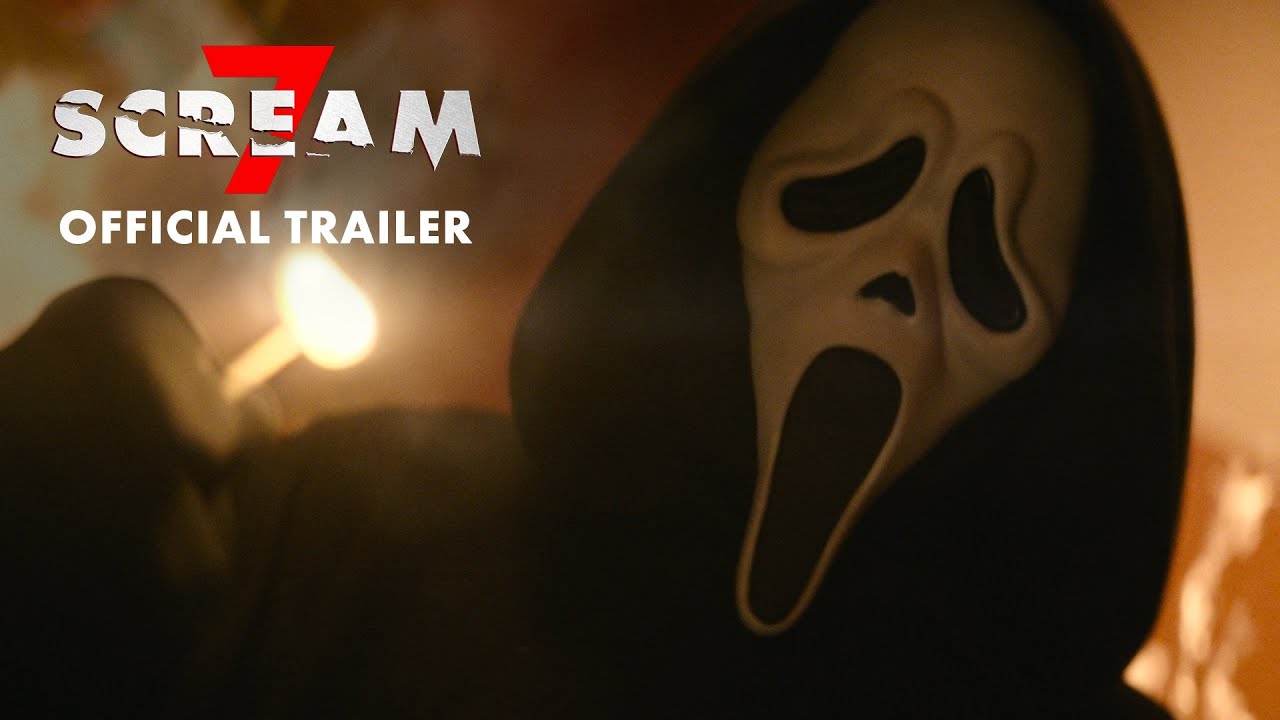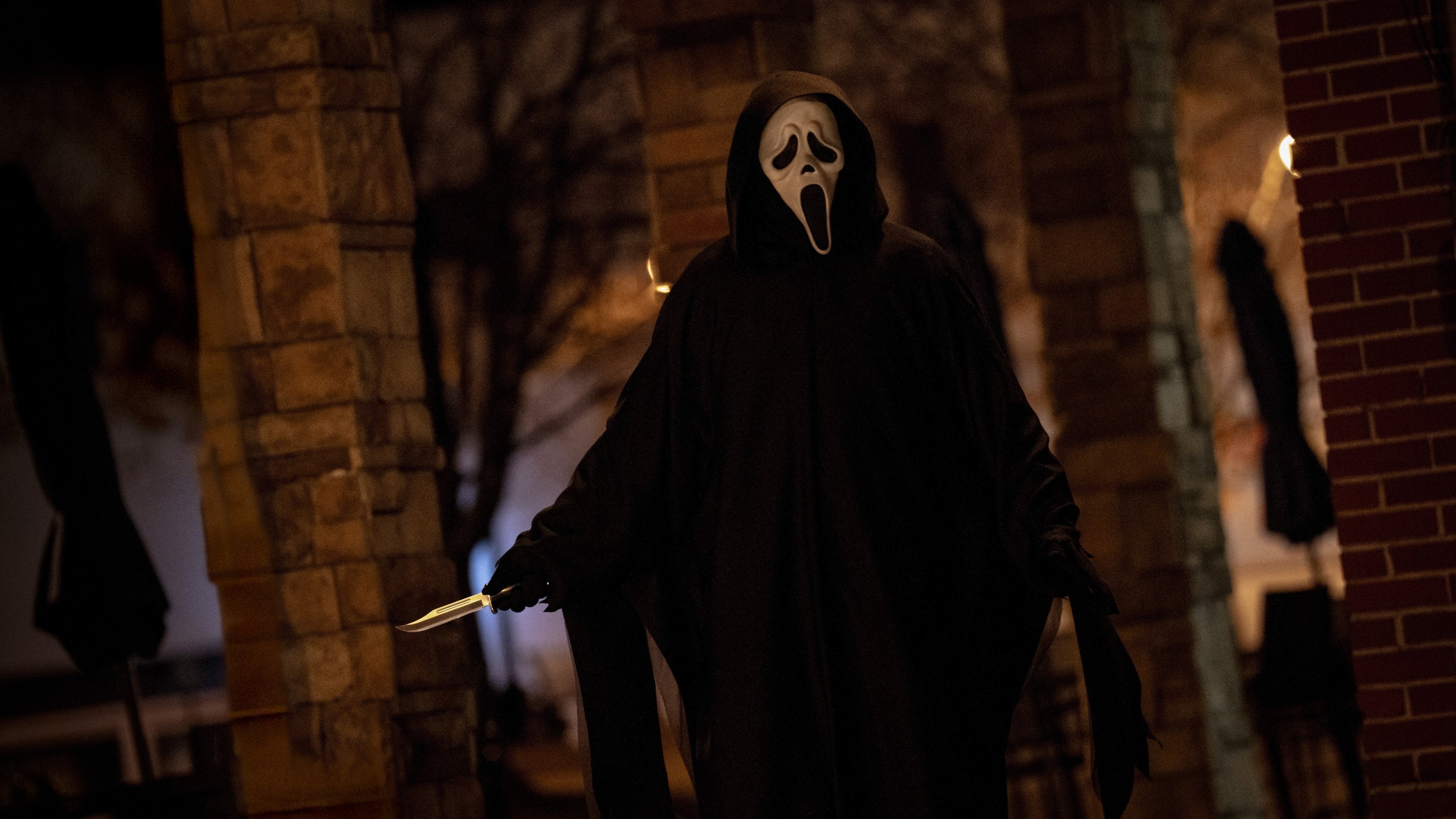
There’s something genuinely electric about Kevin Williamson returning to direct Scream 7—not just because the franchise needs fresh blood, but because Williamson is coming back to the property he created with a clear creative vision. This isn’t a case of handing off the keys to someone else; it’s the architect himself reclaiming the blueprint. When a creator of that magnitude decides to dive back into their own legacy, especially after the franchise has experienced some turbulent waters in recent years, it signals that there’s a story worth telling. The film is scheduled to hit theaters on February 27, 2026, and the anticipation is already building in ways that suggest audiences have been waiting for exactly this moment.
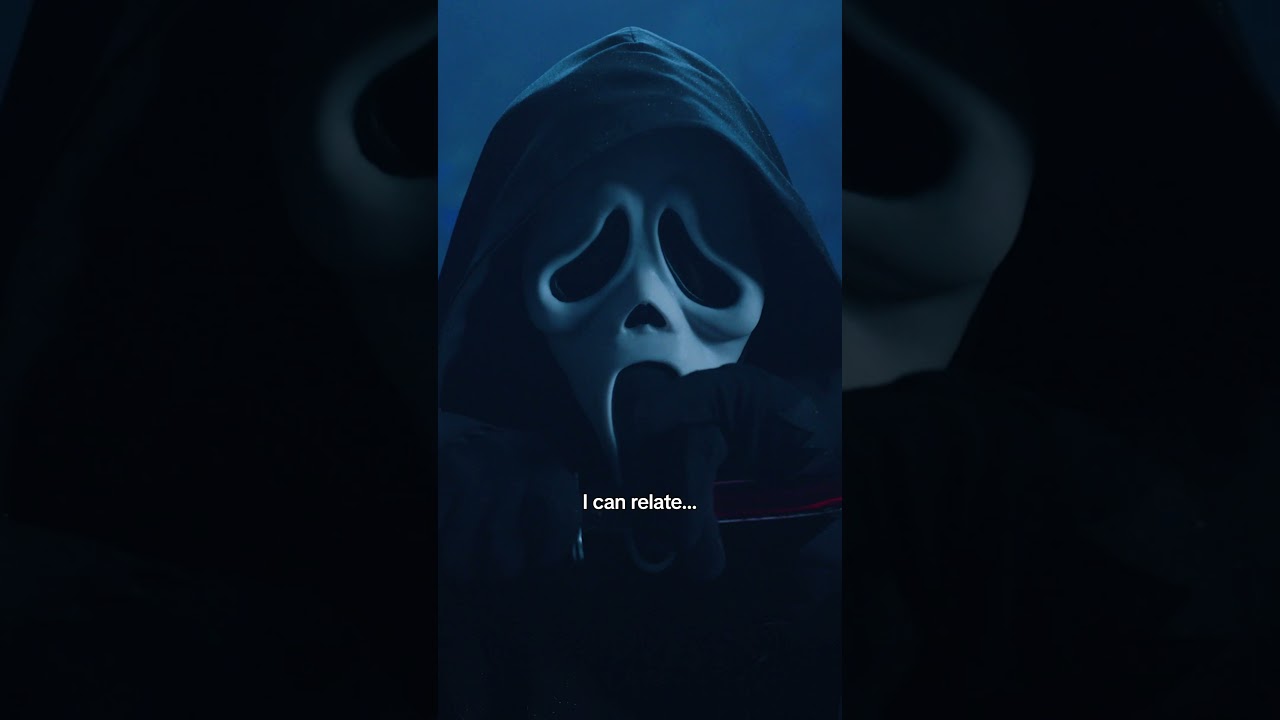
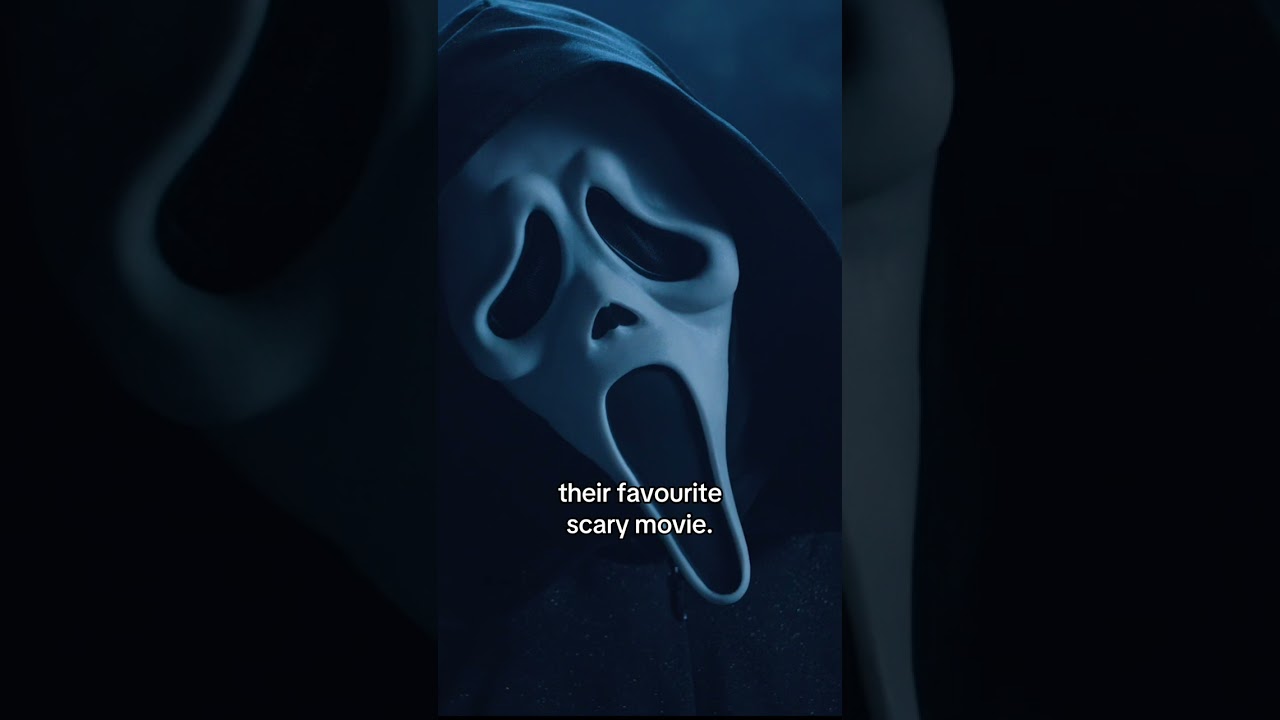
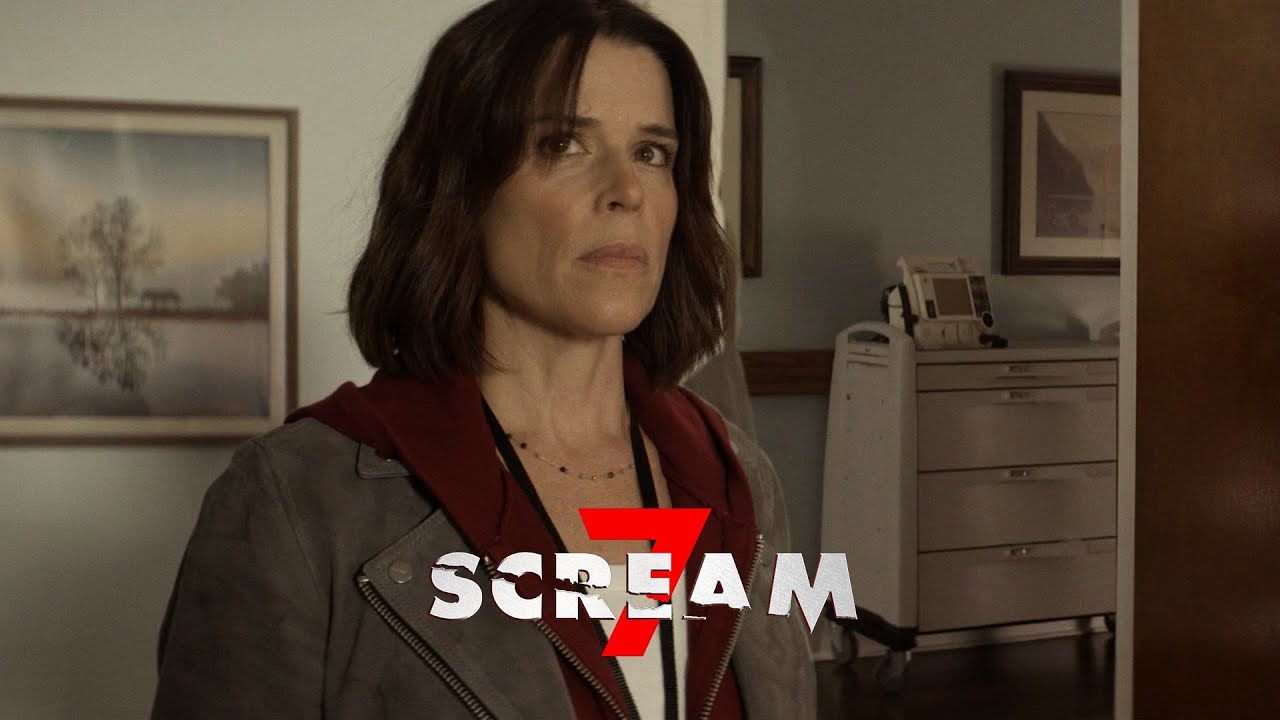
What makes this project particularly compelling is the cast reunion happening on screen. Neve Campbell is returning as Sidney Prescott—arguably the most iconic final girl in horror cinema—and Courteney Cox is back as Gale Weathers, the ambitious journalist who’s been woven into the fabric of this franchise since day one. These aren’t cameos or brief appearances; these are the core characters carrying the narrative forward. But here’s where it gets interesting: the introduction of Isabel May to the ensemble suggests that Williamson isn’t just retreading familiar ground. The plot reportedly centers on Sidney having built a new life, only to have it disrupted when a new Ghostface emerges—and more crucially, when Sidney’s daughter becomes the killer’s target. That’s a fundamental shift in the Scream formula that could either feel like a natural evolution or a desperate attempt to recapture lightning in a bottle. Either way, it’s thematically potent.
The tagline—“Burn it all down”—feels almost defiant in its simplicity. It suggests that Williamson isn’t interested in gentle callbacks or nostalgia-baiting. There’s an intensity implied in those four words that speaks to a filmmaker ready to deconstruct what the Scream franchise has become and rebuild it from the ground up. This is particularly significant given how meta the series has always been about horror tropes and audience expectations. If any director can pull off a genuine reinvention while honoring what came before, it’s the man who essentially invented the rules of modern slasher cinema.
“Burn it all down” doesn’t sound like a franchise playing it safe. It sounds like a filmmaker with something to prove.
The production lineup is equally notable. You’ve got Paramount Pictures leading the charge alongside Project X Entertainment, Domain Entertainment, Outerbanks Entertainment, Imaginary Forces, and Spyglass Media Group—a significant collaborative effort that speaks to the confidence studios have in this project. This isn’t a low-budget, backburnered sequel. This is a film that’s being treated as a major tentpole release, and the fact that it will be the first Scream film to receive an IMAX release is telling. That decision alone suggests the filmmakers are crafting something visually expansive and immersive, which is a departure from the intimate, confined spaces that have traditionally served the franchise well.
Consider what Scream 7 represents in the broader horror landscape right now:
- A franchise course correction — The series needed a recalibration, and bringing back both Williamson and Campbell sends a clear message about where priorities lie
- The evolution of final girl mythology — Sidney passing the torch (quite literally, through her daughter) updates the conversation about what we expect from our horror heroines
- Thematic depth through meta-commentary — The Scream films have always worked because they understand the grammar of horror; this entry will likely do the same for where horror (and by extension, cinema) stands in 2026
- A blueprint for legacy horror — Other aging franchises are watching to see how Scream 7 balances honoring the past with building the future
The early forecasts suggest a domestic opening weekend in the $20M–$40M range, which indicates solid but not blockbuster expectations—appropriate for a mid-franchise entry that’s attempting reinvention rather than guaranteed spectacle. No box office or budget figures have been confirmed yet, and interestingly, the film currently sits at 0.0/10 on rating sites since it hasn’t been released, which is perfectly normal but worth noting. This is uncharted territory; we genuinely don’t know how audiences will respond until they actually see it.
What’s genuinely intriguing about Williamson’s approach—and this is where his returning as director becomes crucial—is that he understands the contractual obligation filmmaking has to its audience. The Scream films work because they acknowledge both what audiences expect from horror and what genuinely frightens them. Sidney’s daughter becoming a target isn’t just a plot point; it’s a statement about generational trauma, about how violence perpetuates itself, about legacy as curse as much as blessing. That’s thematically rich territory, and it’s exactly the kind of layered storytelling Williamson has always excelled at.
The February 27, 2026 release date is positioned perfectly—early enough in the year to avoid major blockbuster competition, late enough that it can build momentum through word-of-mouth heading into spring. It’s a calculated placement that suggests confidence without arrogance.
What we’re really anticipating here, when you strip away the marketing and the nostalgia, is whether Williamson can prove that legacy horror franchises don’t have to choose between honoring their roots and embracing genuine innovation. Scream 7 will either become a masterclass in franchise revitalization or a cautionary tale about trying to recapture something that belongs to a specific moment in time. Either way, it’s going to spark conversations—about horror, about femininity and violence, about what we want from cinema as we move deeper into the 2020s. That’s why we’re paying attention.