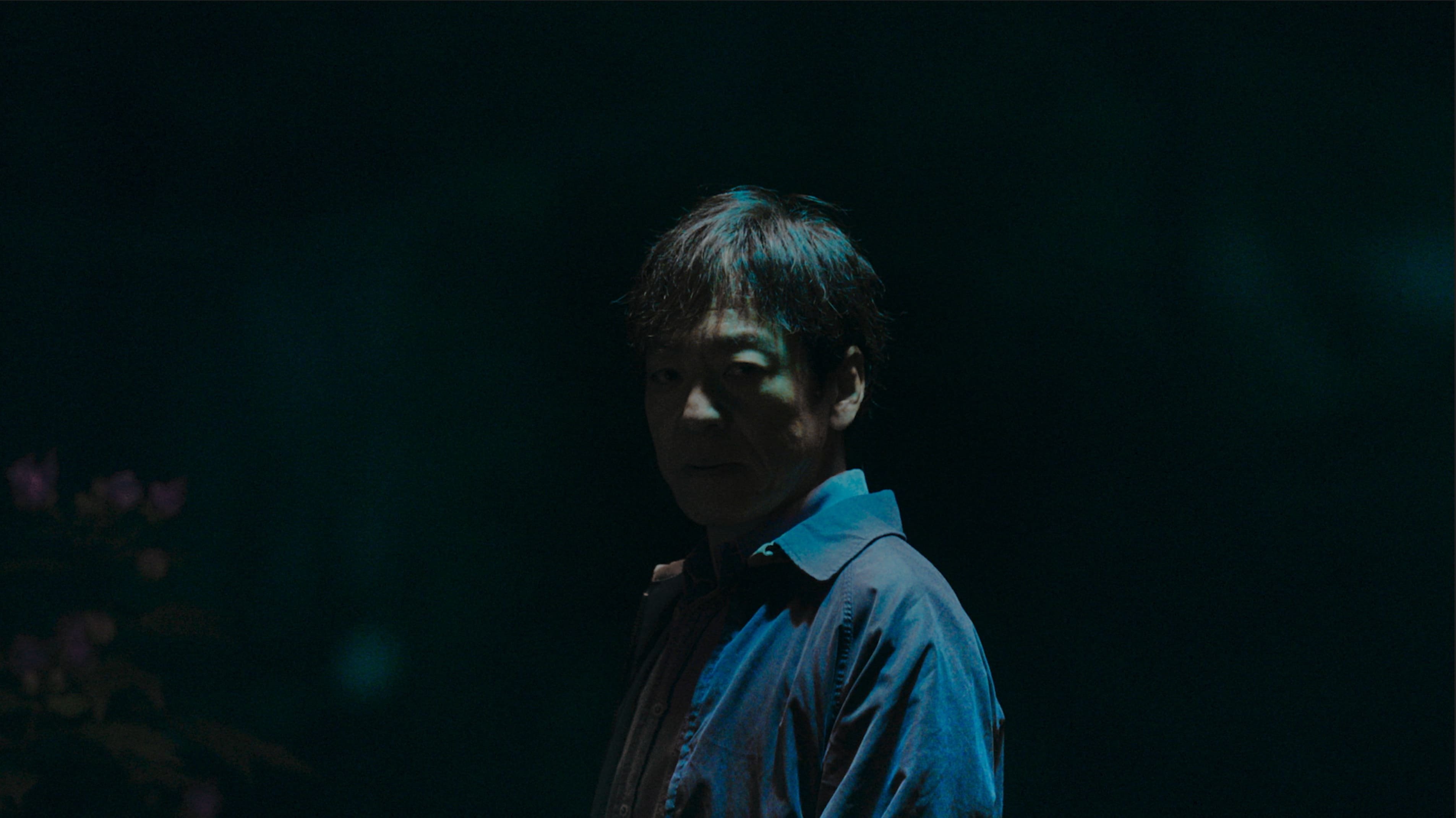
There’s something quietly exciting happening in the lead-up to Yutaro Seki’s Sai: Disaster, even if the film world hasn’t fully turned its spotlight on it yet. Set to arrive on February 20, 2026, this crime drama represents the kind of project that doesn’t need massive pre-release hype to matter—it has the ingredients built right into its DNA. With a runtime of 2 hours and 8 minutes and a creative team that’s already proven its mettle on the international stage, this feels like the sort of film that will quietly command attention when it finally reaches audiences.
What’s particularly intriguing about this project is how it’s positioning itself within the contemporary landscape. The film has already been selected for San Sebastian Film Festival’s main competition, which tells you immediately that we’re not dealing with something safe or conventional. San Sebastian doesn’t just throw its main competition slots at any drama—there’s a curator’s eye at work, someone who recognized that Seki’s vision had something worth championing on a global platform. That kind of institutional validation, before the film has even hit wider release, suggests the creative team is working at a level that transcends typical festival circuit fare.
Let’s talk about the people involved, because honestly, that’s where you start to understand why this project matters:
- Teruyuki Kagawa brings the kind of gravitas that Japanese cinema relies on for its most morally complex characters
- Sena Nakajima has been part of some genuinely daring recent projects, known for refusing the easy emotional choice
- Ryuhei Matsuda has a gift for inhabiting characters caught between worlds—exactly what crime drama thrives on
- The production involves dentsu, Bitters End, and CANOPUS, studios with histories of backing substantive work
- This isn’t a celebrity-driven vehicle. It’s a carefully assembled ensemble where each actor brings a different kind of intelligence to the frame.
The film’s selection for San Sebastian’s main competition, coupled with international sales handled by Bitters End, suggests Sai: Disaster is being positioned as a work with something to say beyond its national borders.
Yutaro Seki as director is the real through-line here. Directors don’t get selected for festival main competitions without a demonstrated artistic vision, and Seki’s willingness to tackle crime and disaster—genres that can easily slide into melodrama or oversimplification—suggests he’s interested in the texture of how societies break down. That’s not the kind of question that gets asked lightly in contemporary cinema. It requires patience, nuance, and a belief that audiences will sit with uncomfortable complexity.
Here’s what becomes clear when you examine the bones of this project:
- The ambition is structural, not just thematic — a 128-minute runtime indicates careful pacing rather than bloat
- The cast suggests moral ambiguity will be central — these actors specialize in characters you can’t quite pin down
- The festival selection indicates international resonance — this isn’t a film playing only to domestic audiences
- The production companies involved have track records for meaningful work — not every studio backs every director
The timing of the release is worth considering too. We’re in a moment where crime dramas have become almost ubiquitous, from prestige television to streaming platforms, yet Sai: Disaster is choosing theatrical release. That’s a statement in itself. It’s saying that this story requires the communal experience of cinema, the way a room full of strangers processes moral complexity in real time. That’s old-fashioned thinking in the best possible way.
What’s fascinating is that even at this stage, with a 0.0/10 rating simply because no audiences have seen it yet, the film exists in a kind of anticipatory space. There’s no noise to cut through, no discourse to get lost in. Just the quiet confidence of a project that’s been selected for prestigious competition, backed by serious producers, and anchored by actors who don’t take roles lightly. That kind of clarity—the absence of manufactured hype—might be exactly what allows a film to do its actual work.
Sai: Disaster will be released on 2026-02-20, and when it arrives, it’s likely to become one of those films that people reference when they want to discuss what Japanese cinema is actually thinking about right now.
The broader context matters too. We’re in an era where international film festivals are becoming increasingly important as cultural bellwethers, where a film’s presence in competition at San Sebastian or Busan tells you more about its ambitions than a marketing budget ever could. Seki’s film is part of that conversation—part of a global cinema culture that’s still asking serious questions about power, failure, and how societies respond to their breaking points.
What remains to be seen is whether Sai: Disaster will fulfill the promise that its production and selection suggest. But that’s always the gamble with cinema, isn’t it? The real work happens in the theater, in those two hours and eight minutes where a director gets to speak directly to an audience. Based on everything visible before the release, Yutaro Seki seems to have something genuine to say—and the cast and crew around him are ready to listen and respond.