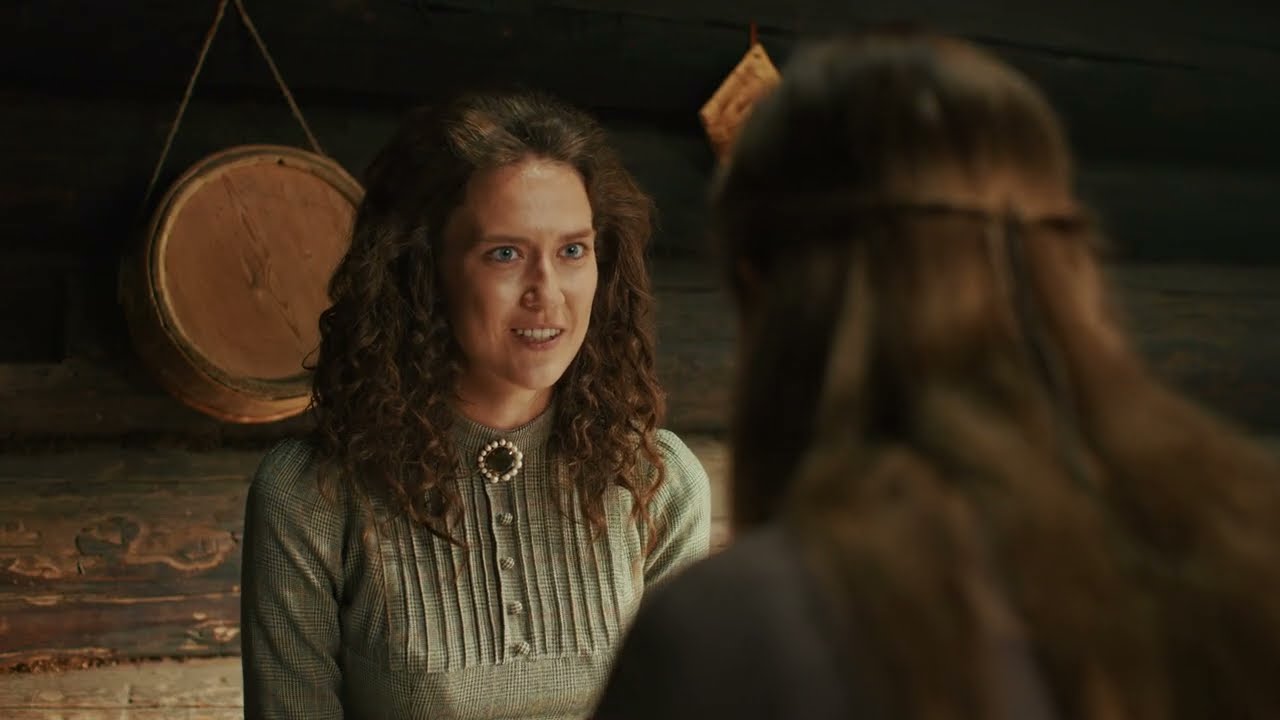
There’s something genuinely exciting brewing in Estonian cinema right now, and Säärane mulk is shaping up to be one of those projects that reminds us why we keep an eye on smaller national film industries. Scheduled for release on February 27, 2026, this comedy is already generating quiet anticipation among those paying attention to what’s happening in the region’s creative scene. While it hasn’t hit theaters yet and the initial ratings are still at that inevitable 0.0/10 (which simply means the film hasn’t reached audiences for review), there’s real substance here worth discussing before the curtain rises.
Ergo Kuld is the name driving this project forward as director, and that’s where the conversation should begin. Kuld brings a distinct sensibility to Estonian filmmaking—someone willing to work in comedy, a genre that requires genuine skill to pull off without resorting to easy laughs. Comedy is deceptively difficult to execute well, especially when working within a smaller film industry where the audience and cultural context are more specific and nuanced. The fact that Kuld is taking on this project suggests he’s bringing a clear vision about what he wants to say, what kind of story Säärane mulk will tell.
The casting itself tells us something about the ambitions here. Maria Teresa Kalmet, Ago Anderson, and Amanda Rebeca Padar form an interesting ensemble. These aren’t random selections—they’re actors with their own weight in the Estonian film landscape, performers who can carry comedy with actual character depth. When you’re building a comedy around specific actors rather than just a script, you’re often aiming for something more layered than straightforward gag-work. There’s a real possibility this will be character-driven humor, the kind that lingers because you actually care about who’s delivering the punchlines.
The production itself is a collaborative effort worth noting:
- HansaFilm, Taska Film, and Kassikuld are pooling resources, which suggests confidence in the project’s potential
- Multiple production companies backing a comedy indicates they see commercial and artistic viability
- This kind of multi-studio support suggests the film is positioned as something more ambitious than a modest indie venture
That triangular support structure is meaningful. In filmmaking, money talks, and when more than one studio believes in a project, it usually means the script, the director, and the talent have demonstrated real promise during development.
What makes Säärane mulk particularly interesting is how it arrives at a moment when Estonian cinema seems increasingly willing to engage with genre filmmaking on its own terms.
Comedy has historically been undervalued in film criticism, treated as somehow less serious than drama or art house cinema. But that’s changing, and projects like this represent a shift toward recognizing that a well-made comedy is just as worthy of artistic investment as anything else. Kuld’s decision to work in this space, with this cast and these production partners, suggests he’s not interested in apologizing for the form—he’s embracing it.
The creative collaboration here seems particularly promising when you consider how the film will likely function. Comedy often works best when there’s genuine rapport between performers, when the timing between actors feels natural rather than constructed. With Kalmet, Anderson, and Padar together, there’s potential for that organic quality to emerge. They’ll be playing off each other’s rhythms, building comedic moments through interaction rather than just hitting scripted beats.
What’s particularly worth considering is how Säärane mulk might fit into broader conversations about Estonian culture and identity:
- Comedy as cultural commentary — many of the best comedies smuggle genuine social observation into their humor, offering audiences a chance to laugh at themselves
- Language and specificity — Estonian-language comedy has its own particular flavor, jokes that only land if you understand the cultural context
- International resonance — the best comedy often travels across borders by being deeply specific to where it comes from
This is where Kuld’s vision becomes significant. He’s not making a film designed to play to international audiences primarily—he’s making something rooted in Estonian sensibility. But the best regional cinema often finds unexpected audiences precisely because it’s authentic to its origins rather than trying to dilute itself for broader appeal.
The road to February 27, 2026 will be interesting to follow. As production wraps and the team moves into post-production, more details will likely emerge—behind-the-scenes glimpses, maybe festival selections, word-of-mouth from industry insiders. The 0.0/10 rating currently attached to the film is simply a placeholder, a reminder that we’re in the anticipation phase. That number will change once audiences experience what Kuld has created, and that moment of discovery is worth looking forward to.
Säärane mulk matters not because it’s guaranteed to be a masterpiece, but because it represents something vital in cinema: a director with a clear vision, talented performers committed to nuanced work, and production companies believing enough in an idea to fund it seriously. That combination doesn’t always yield gold, but it rarely produces something worthless. This is a film worth watching for, worth thinking about in advance, and worth keeping on your calendar for early 2026.