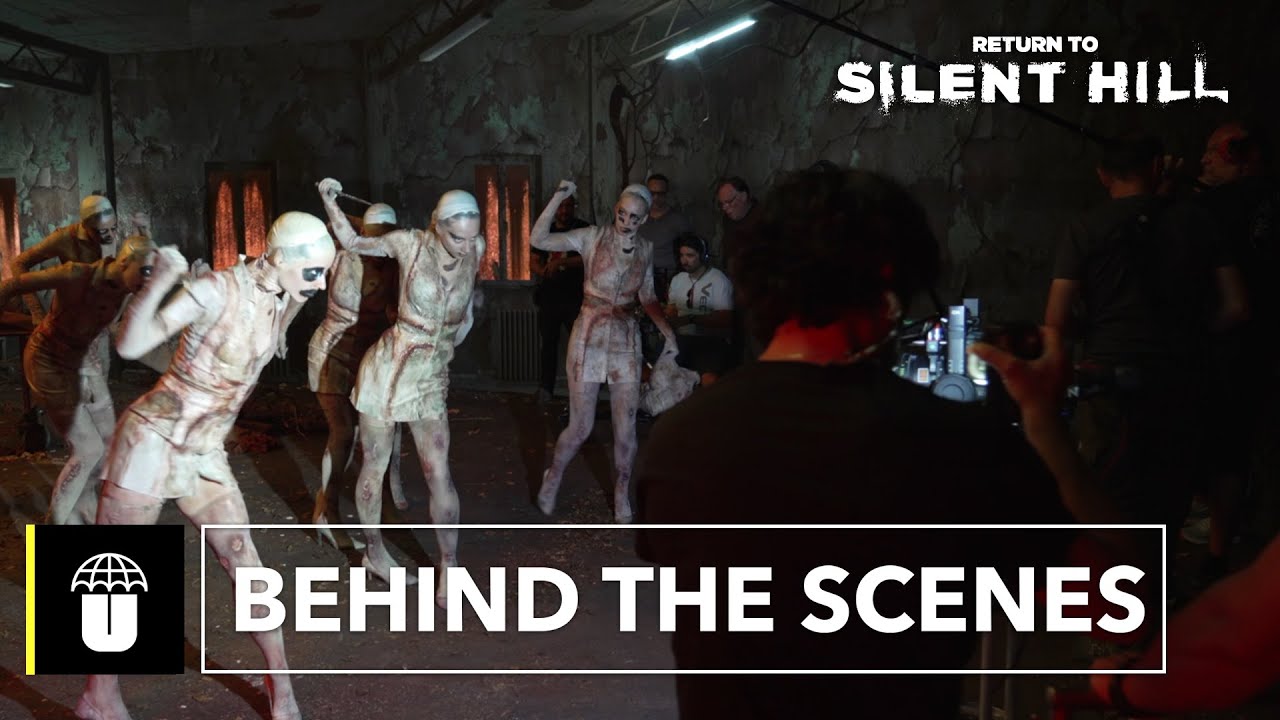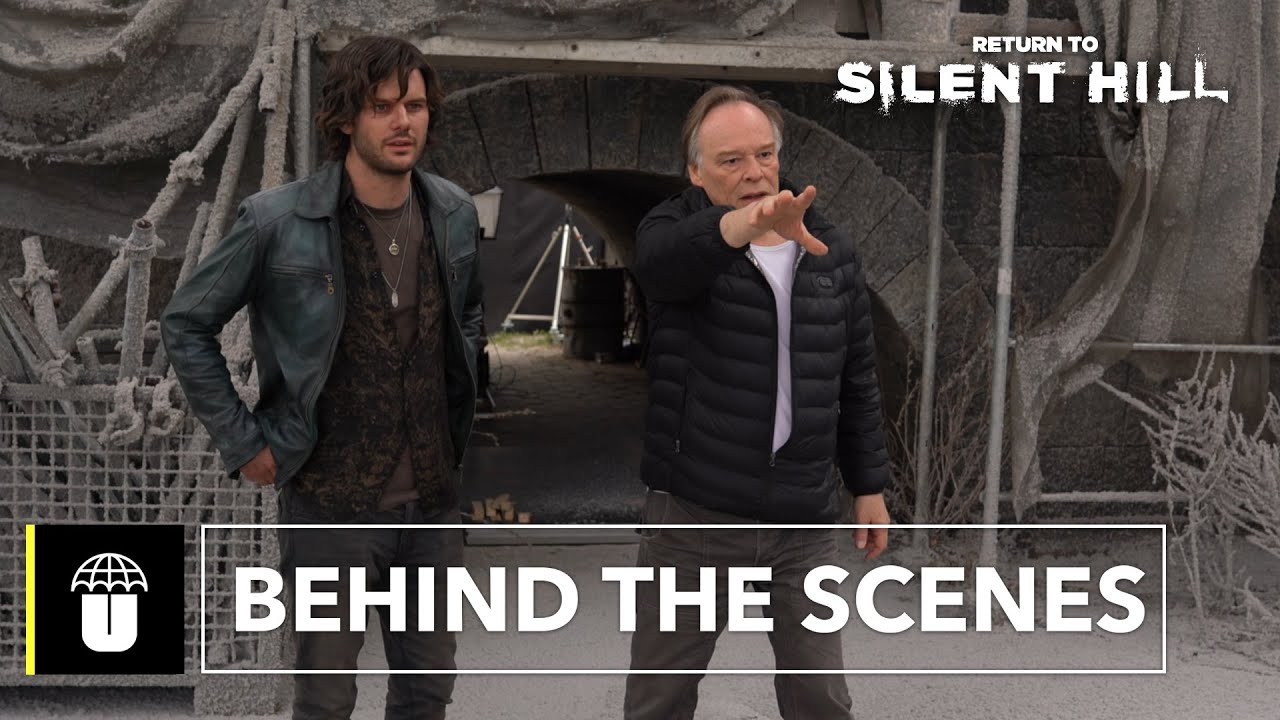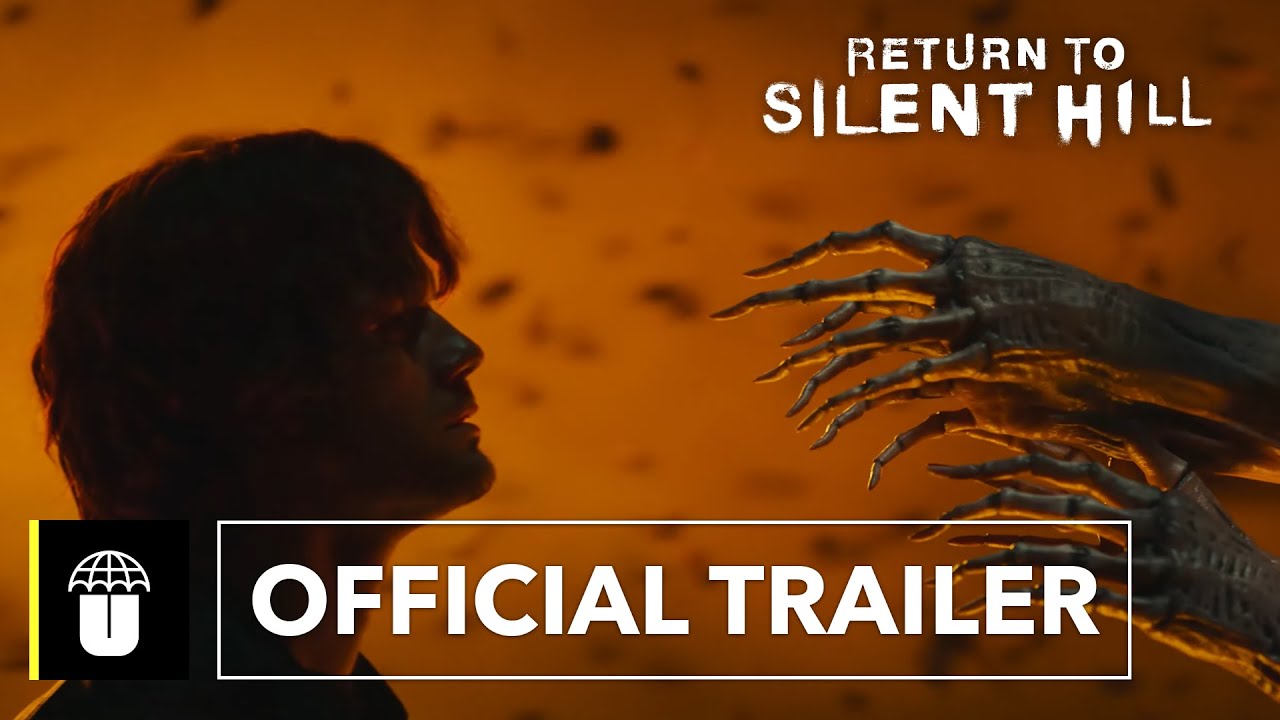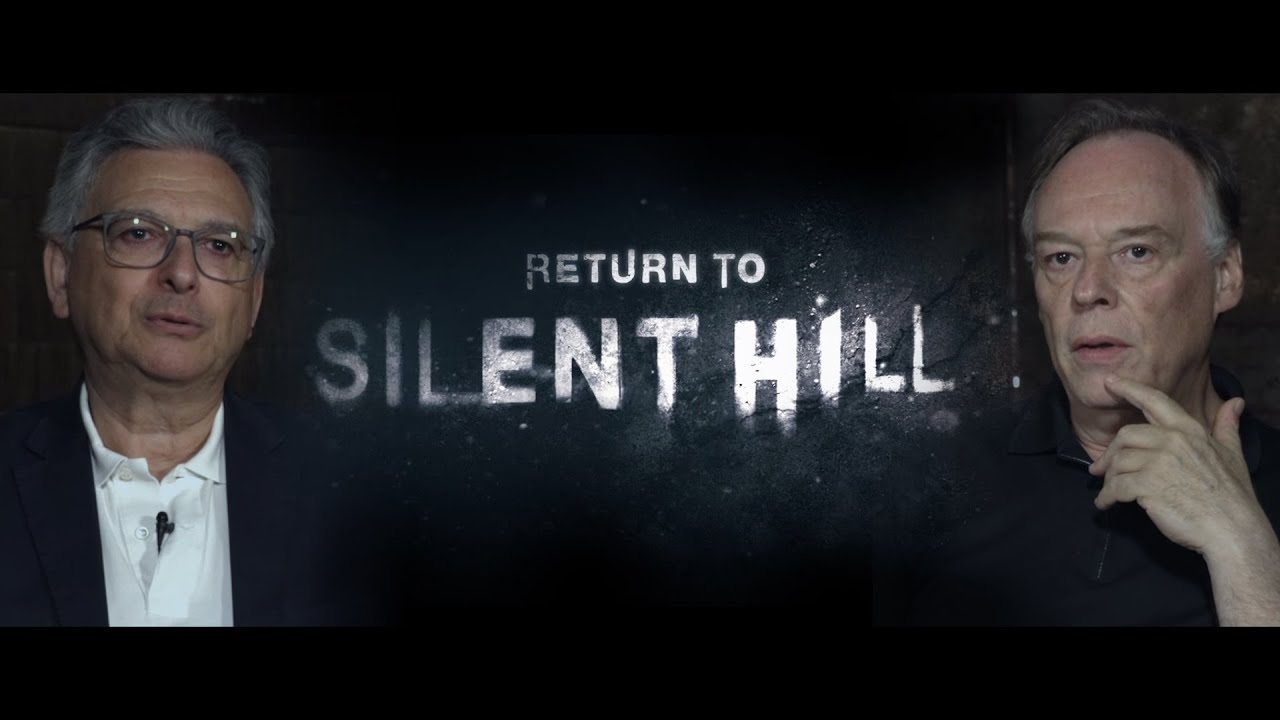
There’s something compelling about a filmmaker returning to a property they’ve already shaped, especially when that filmmaker is Christophe Gans—the director who helmed the 2006 Silent Hill adaptation that, love it or hate it, proved you could translate psychological horror from gaming console to multiplex. Now, nearly two decades later, Gans is set to revisit the fog-shrouded town of Silent Hill with Return to Silent Hill, scheduled to arrive on January 21, 2026, and the anticipation building around this project speaks volumes about both his artistic ambitions and the enduring grip this franchise maintains on audiences.
What makes this particular film worth paying attention to isn’t just that it exists—it’s how it exists. This is a filmmaker who understands the source material, who gets the visual language of dread that Konami built into those games. Unlike some video game adaptations that feel like they’re translating from one medium to another with one hand tied behind their back, Gans comes back to Silent Hill as someone who’s already proven he can think cinematically within that world. The fact that he’s returning voluntarily, that he’s been given another shot at this story, suggests the studios involved—Konami, Davis Films, Hassell Free Productions, and Ashland Hill Media Finance—believe in a specific vision worth pursuing.
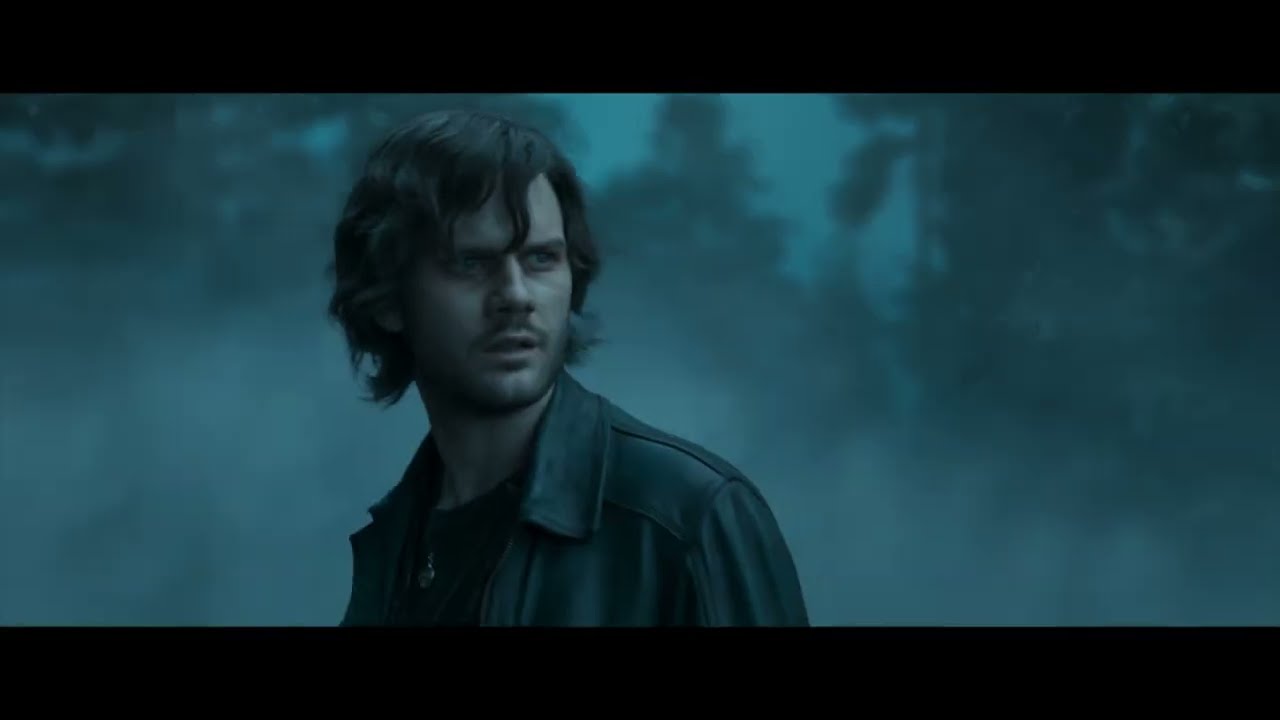
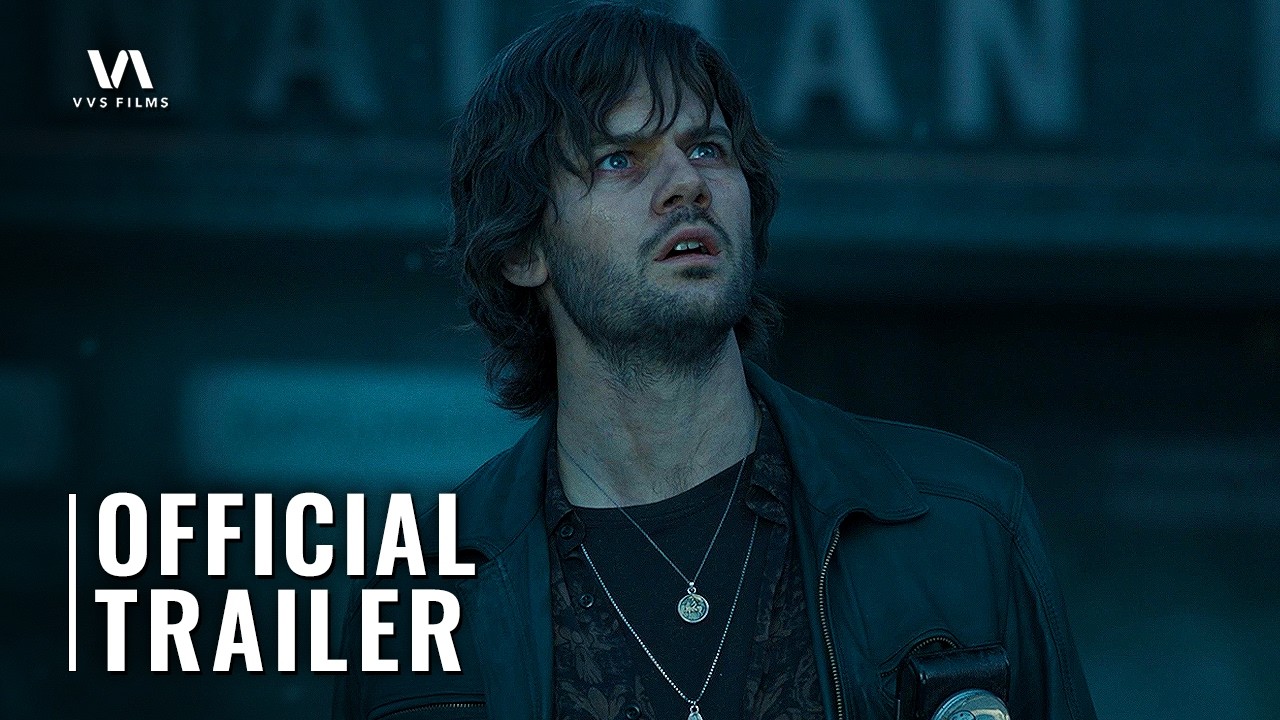
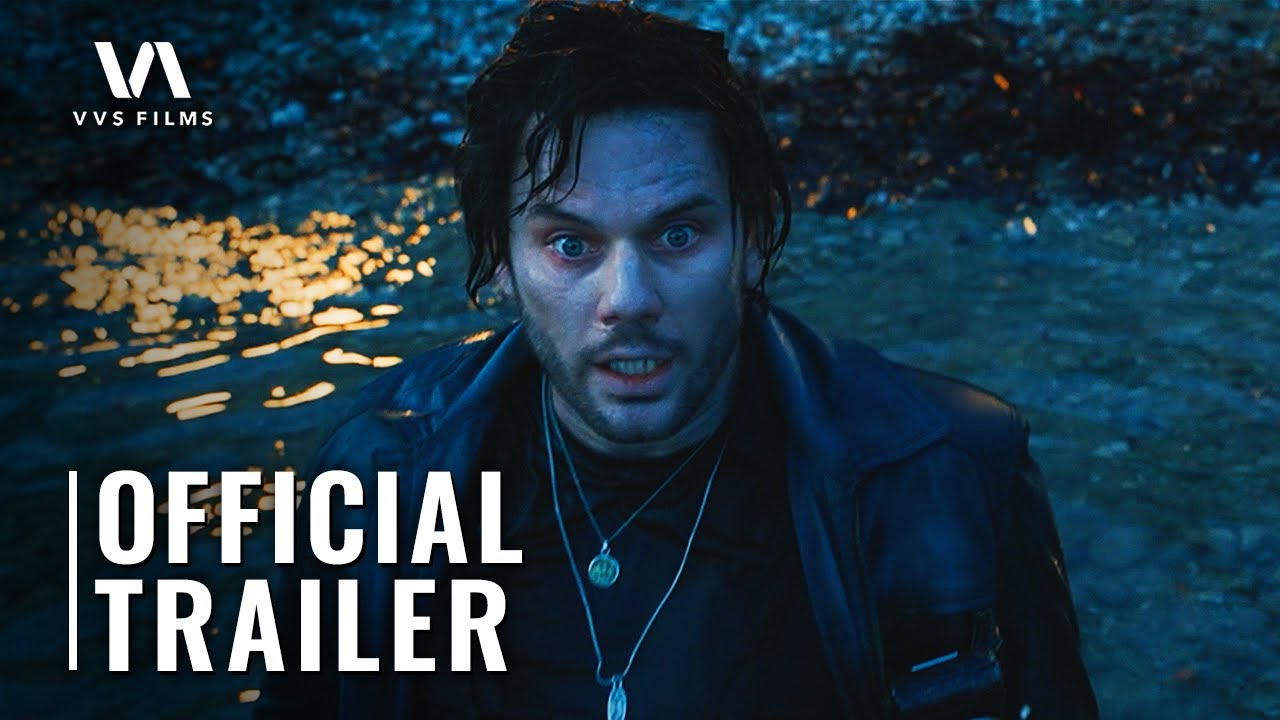
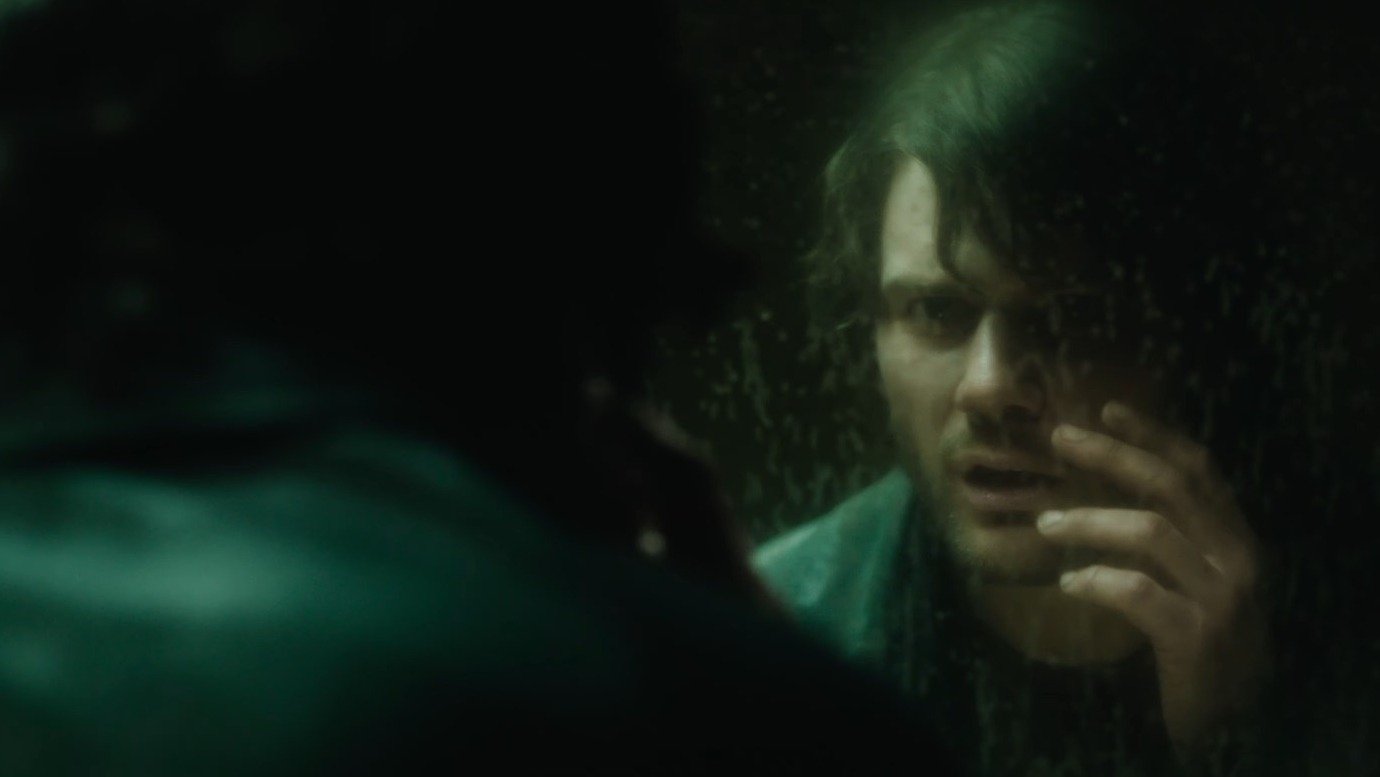
The narrative itself taps into something primal. We’re told that James, portrayed by Jeremy Irvine, receives a mysterious letter calling him back to Silent Hill in search of his lost love. It’s a premise built on guilt, which according to the film’s tagline—“Guilt is a place you can never leave”—is the real horror lurking beneath the town’s supernatural surface. That’s sophisticated horror storytelling right there. This isn’t about jump scares or grotesque monsters; it’s about the way our consciences trap us, the way shame can create its own geography of suffering.
The real genius of Silent Hill has always been psychological. The town itself becomes a manifestation of internal torment, and that’s territory Gans clearly wants to explore again.
The ensemble cast assembled for this project is noteworthy:
- Jeremy Irvine brings a certain gravitas and vulnerability to leading roles, which should serve him well as a man consumed by guilt and desperate searching
- Hannah Emily Anderson and Evie Templeton round out the cast in roles that remain somewhat mysterious, which is fitting for a film still building its mystique before release
- The casting suggests Gans wants actors capable of subtle, internalized performances rather than bombastic genre theatricality
With a runtime of 1 hour 46 minutes, this won’t be an indulgent, bloated production. It’s lean, focused—the kind of runtime that suggests Gans has a clear story to tell without fat to trim. In an era where horror films often stretch toward two-and-a-half hours, there’s something refreshing about that commitment to concision.
The production timeline is interesting too. Gans has been working on bringing this vision to life for what must be considerable preparation, which matters in horror filmmaking. Atmosphere doesn’t happen accidentally. The sound design, the visual compositions, the color grading—these are all deliberate choices that accumulate into dread. This isn’t a project that feels rushed or opportunistic; it feels considered.
What’s particularly intriguing is how Return to Silent Hill will position itself within the broader landscape of horror cinema in 2026. We’ve seen a resurgence of serious, character-driven horror in recent years, films that understand that scares work best when we care about the people experiencing them. A film that foregrounds guilt and loss rather than relying solely on spectacle feels precisely aligned with where thoughtful horror audiences have been gravitating.
There’s also the matter of legacy and artistic statement. For Gans, this isn’t just another job—it’s a chance to revisit themes and spaces he’s already explored and potentially deepen them. Directors don’t typically return to their own work unless they have something more to say. The fact that Gans is bringing James back to Silent Hill suggests he’s interested in exploring new dimensions of the character, new manifestations of the town’s particular tortures.
The international dimension of this release shouldn’t be overlooked either. The film is scheduled for theatrical release in the United States through Cineverse and Iconic Events Releasing on January 23, 2026, with France and other territories following. There’s already chatter suggesting strong advance ticket sales, particularly in China, where the film could perform remarkably well. That kind of global anticipation indicates this project transcends niche fandom—it’s speaking to something universal about fear, regret, and the places we revisit in our worst moments.
As we count down toward January 2026, Return to Silent Hill represents something worth caring about: a veteran filmmaker returning to material with clear intent, a cast capable of anchoring psychological horror, and a story that understands fear lives in our hearts before it manifests in any monsters. Whether Gans ultimately succeeds or stumbles, the fact that a project this thoughtful is being greenlit and anticipated tells us something encouraging about where cinematic horror is headed. This is a film worth watching when it arrives.