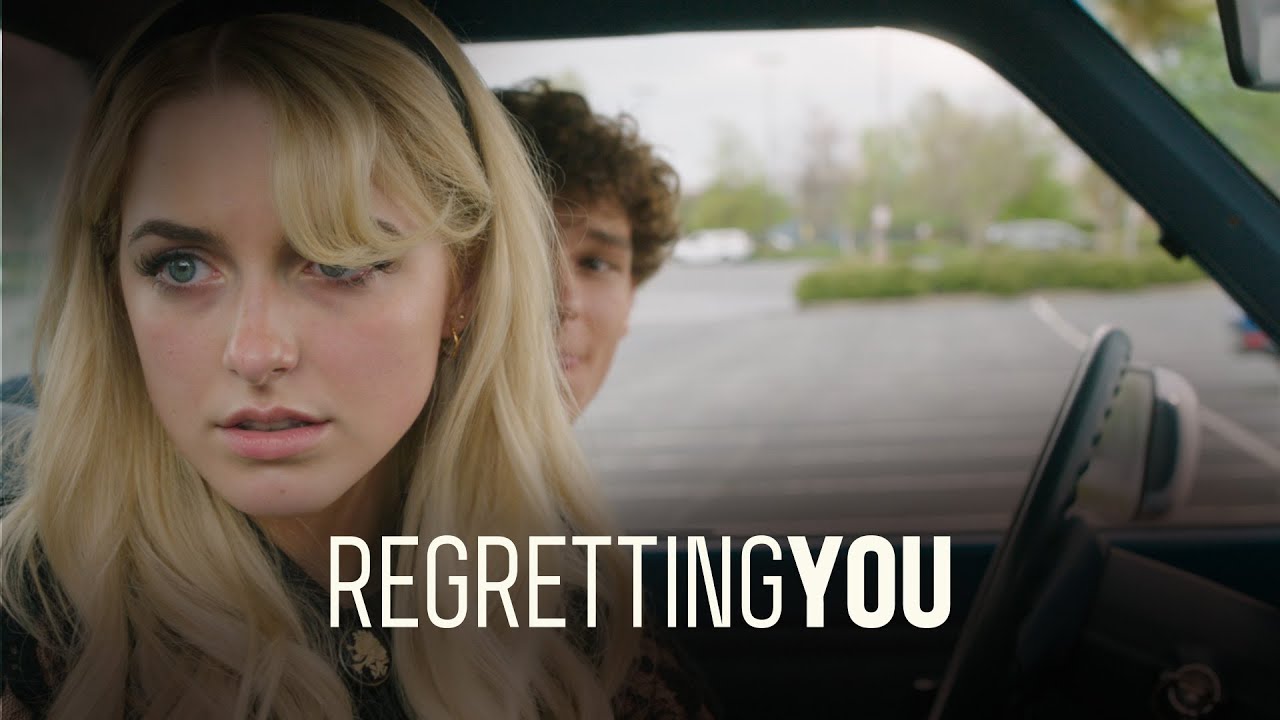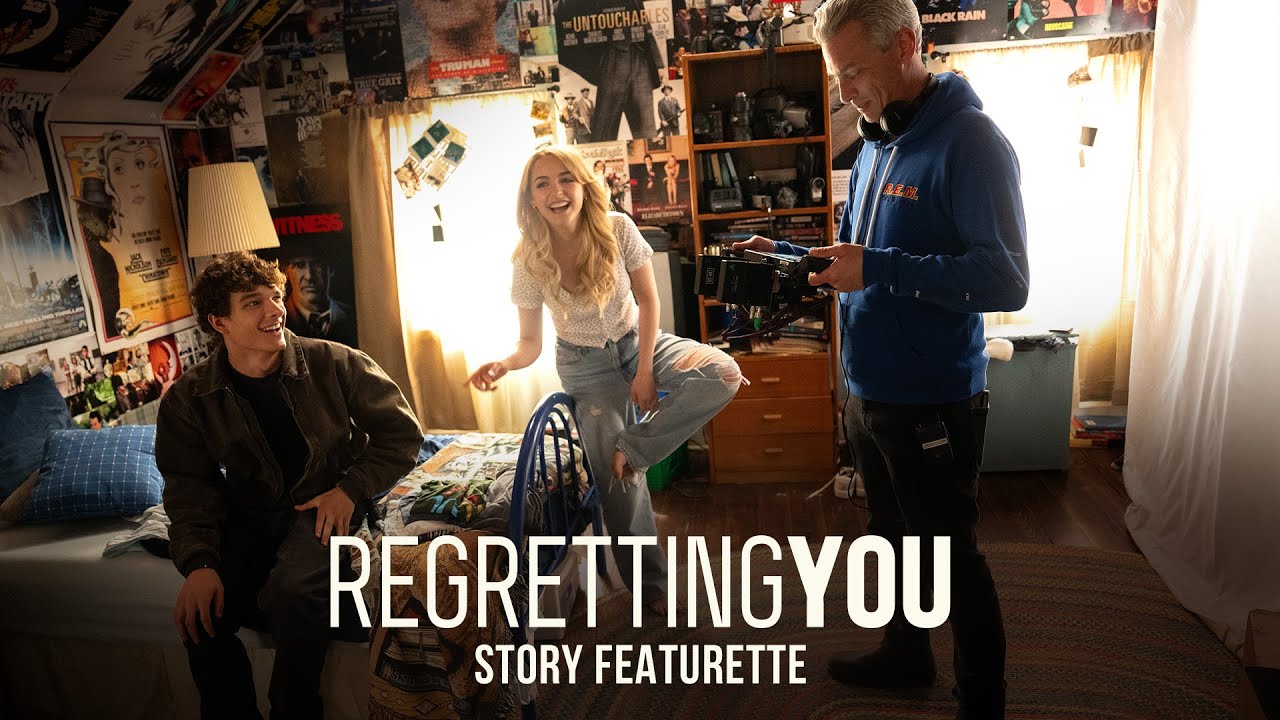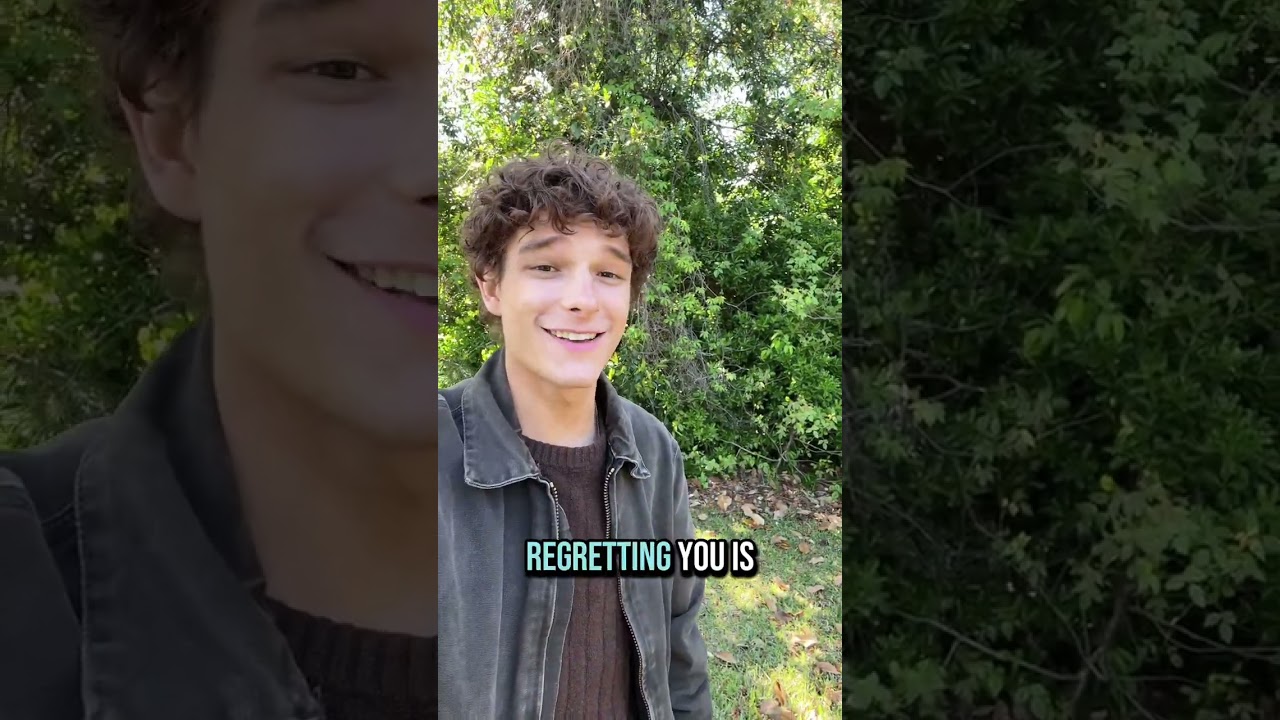
When Regretting You premiered in October 2025, it arrived at an interesting inflection point for the Colleen Hoover adaptation machine. Director Josh Boone had already found massive success with It Ends with Us, so expectations were sky-high for this follow-up. What emerged was a film that proved both more ambitious and more divisive than its predecessor—a two-hour emotional gut-punch that doesn’t always work, but when it does, it genuinely stings. The film ultimately grossed over $90 million worldwide against its $30 million budget, which reads as a solid success even if the theatrical run had its share of stumbles along the way.
The core story centers on the fractured relationship between Morgan Grant (Allison Williams) and her teenage daughter Clara (Mckenna Grace) in the aftermath of an unthinkable tragedy: the sudden death of Morgan’s husband Chris (Dave Franco). What makes this narrative compelling isn’t the tragedy itself—grief is well-trodden territory in cinema—but rather how Boone and his ensemble commit to exploring the messy, often ugly ways families fall apart before they can come back together. This isn’t a film about healing or redemption in any neat, conventional sense.
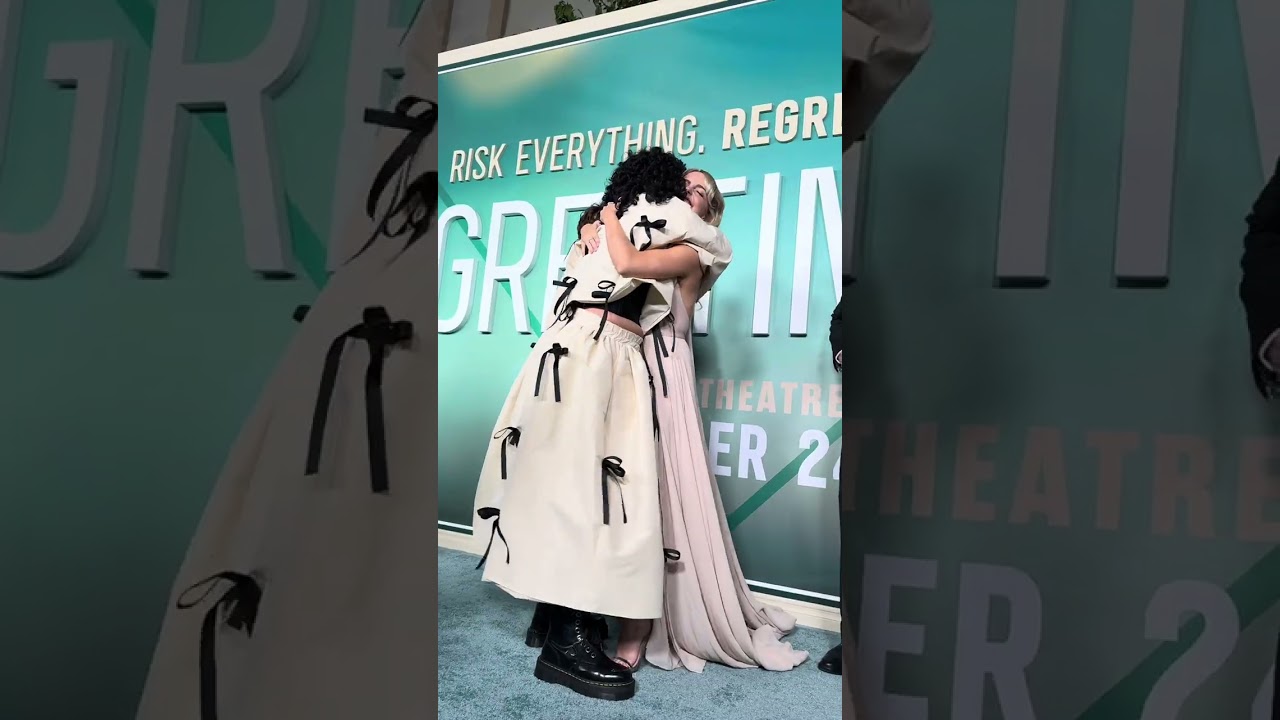
> “Risk everything. Regret nothing”—the film’s tagline—becomes increasingly ironic as the narrative unfolds, revealing the fundamental truth at the story’s heart: that the biggest regrets often come not from the risks we take, but from the ways we fail to connect with the people closest to us.
What Josh Boone brings to the material is a visual and emotional restraint that distinguishes it from typical melodrama. At just under two hours, the pacing never allows the sentimentality to calcify; scenes end before they can manipulate, and conversations frequently cut off mid-gesture, mirroring how real grief interrupts communication. Boone frames much of the action in tight domestic spaces—kitchens, bedrooms, cars—which amplifies the claustrophobia of watching two people who love each other slowly become strangers.
Allison Williams delivers perhaps her finest dramatic work to date, capturing Morgan’s transformation from grieving widow to something more complicated: a woman whose pain gradually curdles into resentment toward her daughter for simply being alive when her husband isn’t. It’s a performance that risks audience sympathy, and Williams doesn’t shy away from that risk. Meanwhile, Mckenna Grace—who’s become something of a secret weapon in recent years—brings surprising depth to Clara’s teenage rage, making her more than just a moody archetype. Their scenes together crackle with genuine friction.
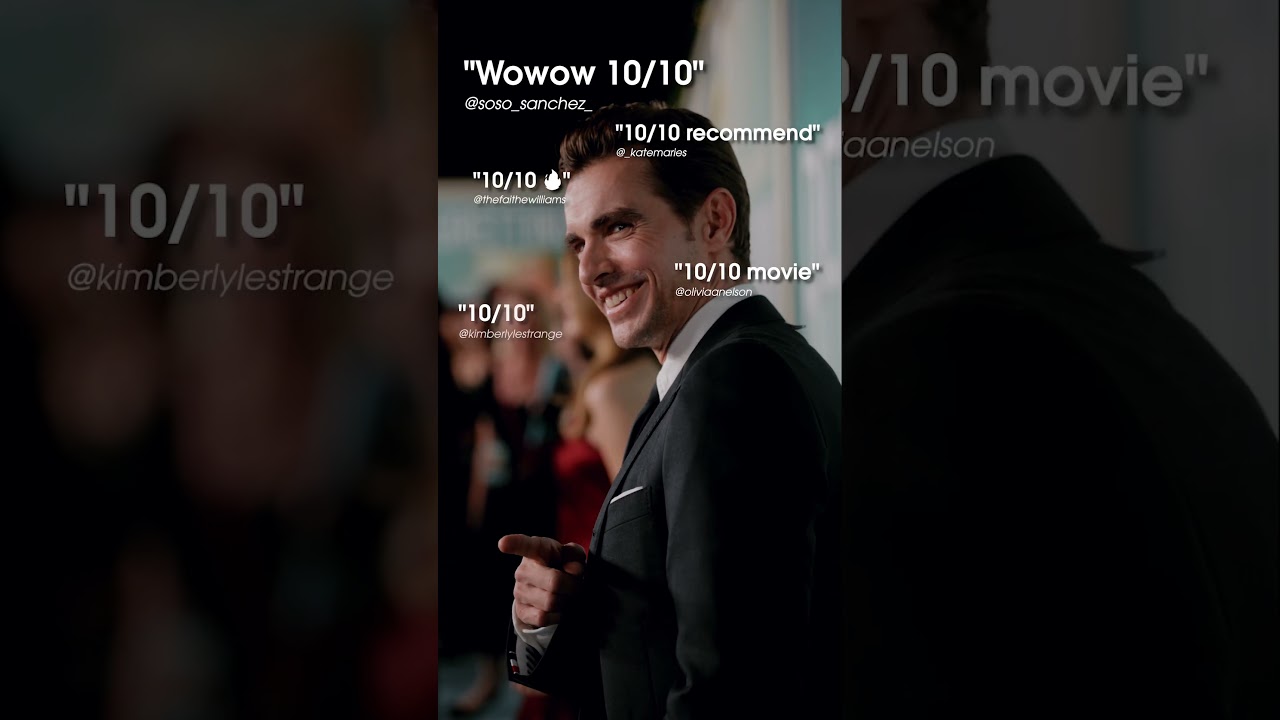
Dave Franco’s screen time is limited, but his presence haunts the entire film. Boone uses flashbacks strategically, and Franco makes Chris feel like a genuine person rather than a plot device—which makes his absence feel that much more destructive to the family he leaves behind.
The film’s reception tells an interesting story about contemporary cinema:
- Critics gave it a solid 7.0/10 average, acknowledging the strong performances and craft while noting occasional moments of overwrought emotion
- The box office told a more complicated narrative, with opening weekend earnings far below projections, suggesting Hoover fatigue might be setting in despite the overall financial success
- Audiences seemed more forgiving than initial numbers indicated, with word-of-mouth eventually helping the film find its footing internationally
- The film underperformed in mainstream multiplex competition but overperformed in smaller markets and on secondary theatrical runs
The real cultural staying power of Regretting You lies not in critical accolades or opening weekend dominance, but in how it’s reshaped conversations about grief narratives in contemporary drama. By centering the perspective of a mother and daughter rather than a romantic couple, it’s influenced a new wave of intimate family dramas that recognize there are love stories beyond romance—and sometimes the hardest relationships to navigate are with the people we share our homes with.
The film hasn’t launched a thousand think pieces or sparked major award season campaigns, and that’s actually okay. Some films matter not because they’re perfect or universally beloved, but because they ask audiences to sit with discomfort for 116 minutes and consider that loving someone and resenting them aren’t mutually exclusive. That’s the kind of nuance that tends to age well, even when initial box office competition suggests otherwise.
What Regretting You ultimately represents is maturation within the Hoover adaptation ecosystem. It’s willing to be unglamorous, unsentimental, and uncertain about its own emotional conclusions. In a landscape crowded with feel-good dramas and tidy resolutions, that willingness to sit in ambiguity feels genuinely radical.