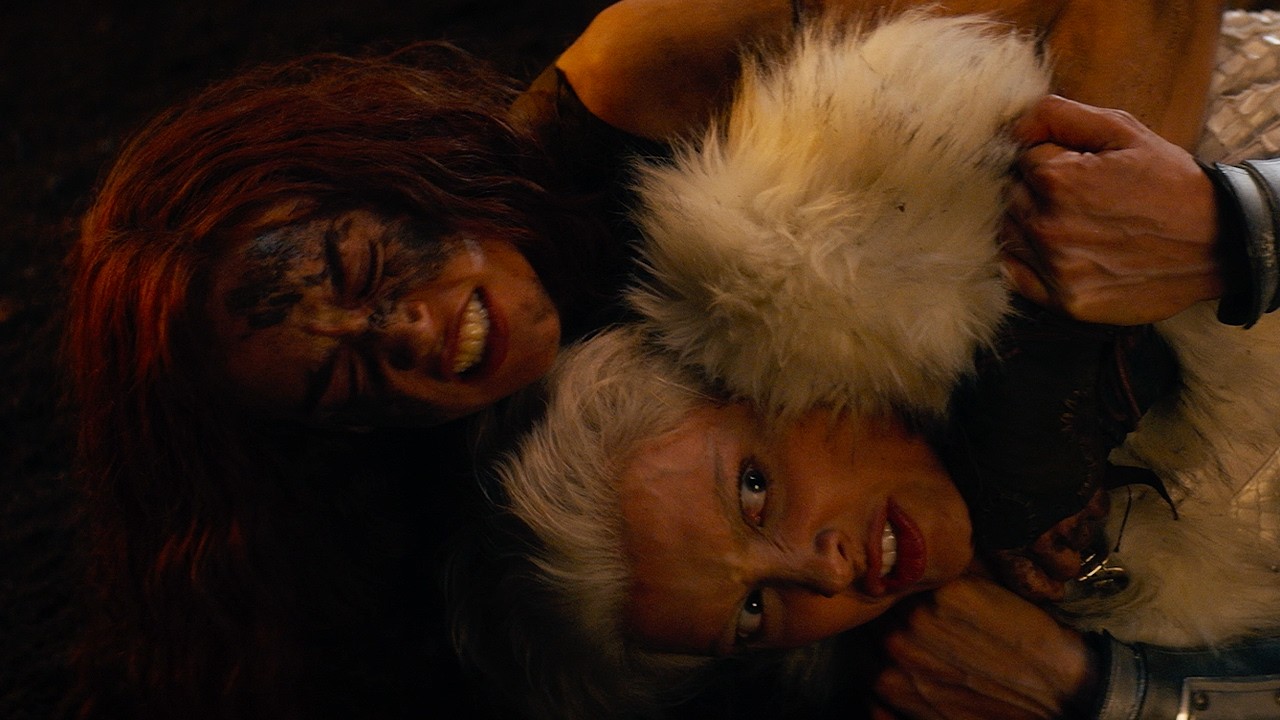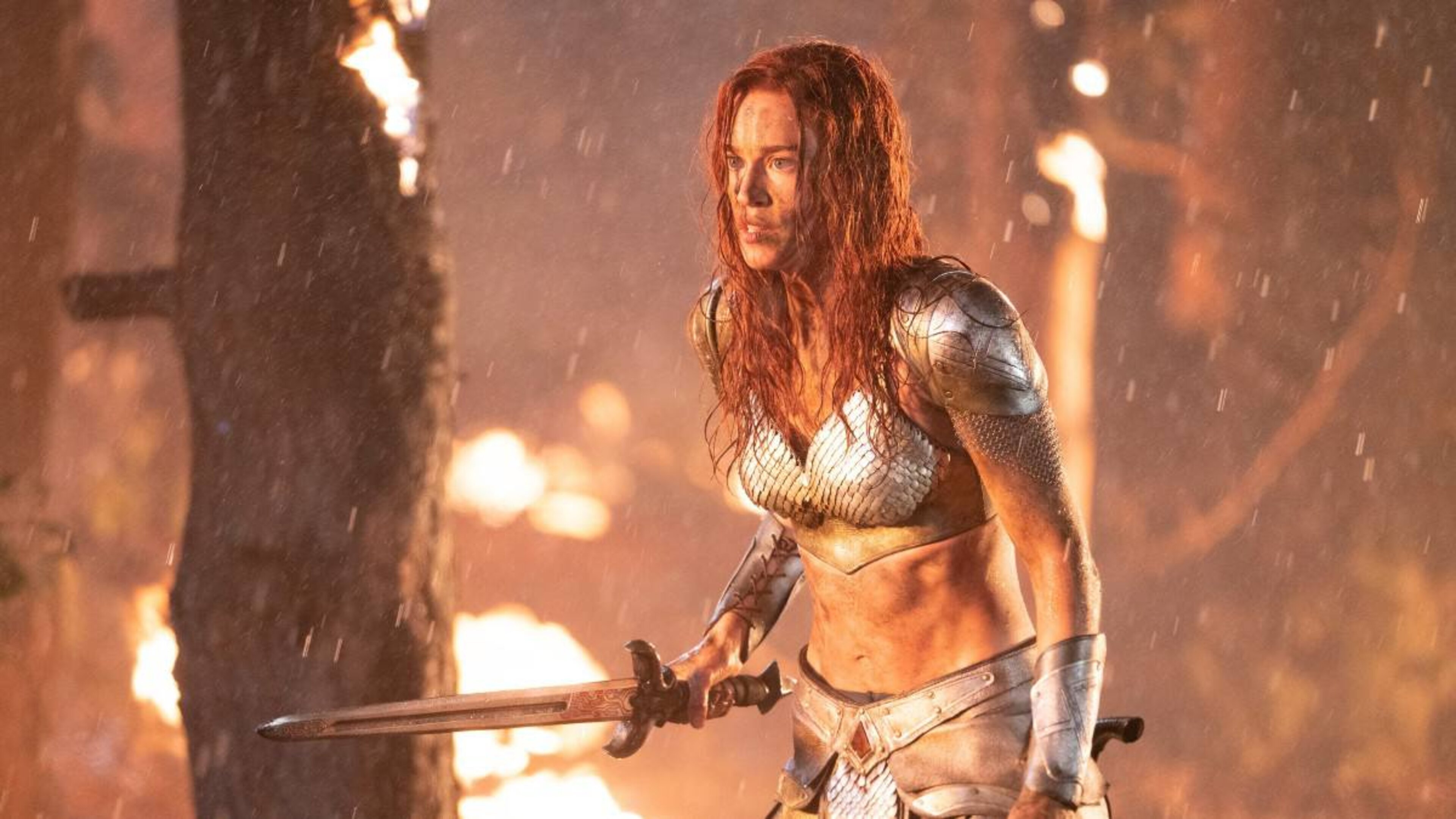
When Red Sonja came out in July 2025, it arrived quietly—almost apologetically. Director MJ Bassett’s reimagining of the legendary sword-and-sorcery character hit theaters with a whimper rather than the clash of steel you’d expect from a barbarian fantasy epic. The numbers told a sobering story: $271,461 at the box office against an undisclosed budget that almost certainly dwarfed that return. Critics weren’t kind either, settling the film at a modest 5.7/10. But here’s the thing about Red Sonja—sometimes the most interesting films to discuss aren’t the ones that succeeded on opening weekend.
What makes this film worth examining isn’t its commercial viability or critical consensus. It’s what it represents about how Hollywood approaches legacy properties and female-driven action fantasy in the 2020s. Bassett, known for her work in the action genre, clearly had a specific vision for bringing Robert E. Howard’s crimson-haired warrior to the screen. She inherited decades of baggage—from the campy 1985 Brigitte Nielsen film to countless comic book iterations—and had to decide what parts of that legacy to honor and what to burn away.
The creative team assembled around this project tells us something interesting about independent filmmaking’s role in genre cinema. With Millennium Media, Mark Canton Productions, Courtney Solomon Productions, and Campbell Grobman Films pooling resources, this was a collaborative effort in the truest sense. It wasn’t a major studio tentpole, which meant different constraints and, potentially, different creative freedoms. That coalition structure itself suggests something about how sword-and-sorcery fantasy was being financed in 2025—not as a surefire blockbuster bet, but as a passion project worth multiple stakeholders’ investment.
Matilda Lutz brought a different energy to Sonja than we’d seen before. Rather than playing the character as invincible or mythic, Lutz seemed to excavate the warrior’s humanity—the anger, the vulnerability, the complicated relationship between her power and her personhood. Robert Sheehan and Wallis Day rounded out the ensemble, creating what felt like genuine ensemble dynamics rather than a hero surrounded by supporting players. In just 1 hour and 51 minutes, Bassett had to establish a world, a protagonist’s trauma, and stakes worthy of an empire’s fall.
> “A hero will rise… An empire will fall.” The tagline promised classical fantasy stakes, but what the film seemed more interested in exploring was the cost of that rise.
The film’s compressed runtime actually becomes relevant when you consider what Bassett was attempting. There’s a lean, almost economical quality to the storytelling that you don’t often see in fantasy films. Rather than sprawling world-building exposition, we get immediate action and character revelation. Whether that works or doesn’t depends largely on your tolerance for implied backstory and rapid narrative momentum. For some viewers, it feels refreshingly efficient. For others, it feels truncated—another victim of post-production reshaping or budgetary constraints.
This brings us to perhaps the most telling aspect of Red Sonja‘s journey: its cultural insignificance in the moment, paired with its potential long-term relevance. The film didn’t spark discourse. It didn’t inspire think pieces about representation or genre evolution. It simply existed, performed poorly, and disappeared from most conversations. Yet there’s value in studying failures, particularly when they involve interesting creative people taking swings at established properties.
The legacy of Red Sonja (2025) likely won’t be measured in awards or cultural moments. You won’t see it reshaping the sword-and-sorcery landscape or influencing a wave of imitators. What it might represent instead is a cautionary note about the challenges of adapting literary source material in an oversaturated marketplace. Here was a character with genuine pedigree and an interesting creative team, and yet the combination couldn’t overcome fundamental questions about audience appetite and marketing reach.
For film historians and genre enthusiasts, though, Red Sonja becomes a fascinating artifact:
- A snapshot of mid-2020s fantasy cinema – revealing what independent producers thought audiences wanted and where their assumptions proved wrong
- A record of MJ Bassett’s directorial approach – her instincts about pacing, action choreography, and character-driven fantasy
- Evidence of the Matilda Lutz moment – when the actor was positioning herself within action cinema
- An example of property-based storytelling in an era of franchise saturation – attempting to resurrect a lesser-known intellectual property without major studio backing
The 5.7/10 rating, while harsh, shouldn’t be read as a complete dismissal. It suggests a film with ideas that doesn’t quite execute them—a common fate for mid-budget genre projects. Those are often the most interesting films to examine because they’re trying something without unlimited resources or creative control.
What resonates about Red Sonja, ultimately, is the attempt itself. In an industry increasingly risk-averse, particularly around female-led action fantasy, the simple fact that this film was made and released matters. It didn’t become a franchise cornerstone or cultural phenomenon. It made barely any money and received middling reviews. But it existed, and it represented someone’s genuine creative effort to bring a character to life in a specific way.
That’s not nothing. It’s actually everything when you’re building a complete picture of how cinema evolves—not through flashy successes, but through a thousand small efforts, some brilliant and some stumbling. Red Sonja stumbled, but at least it tried to dance.