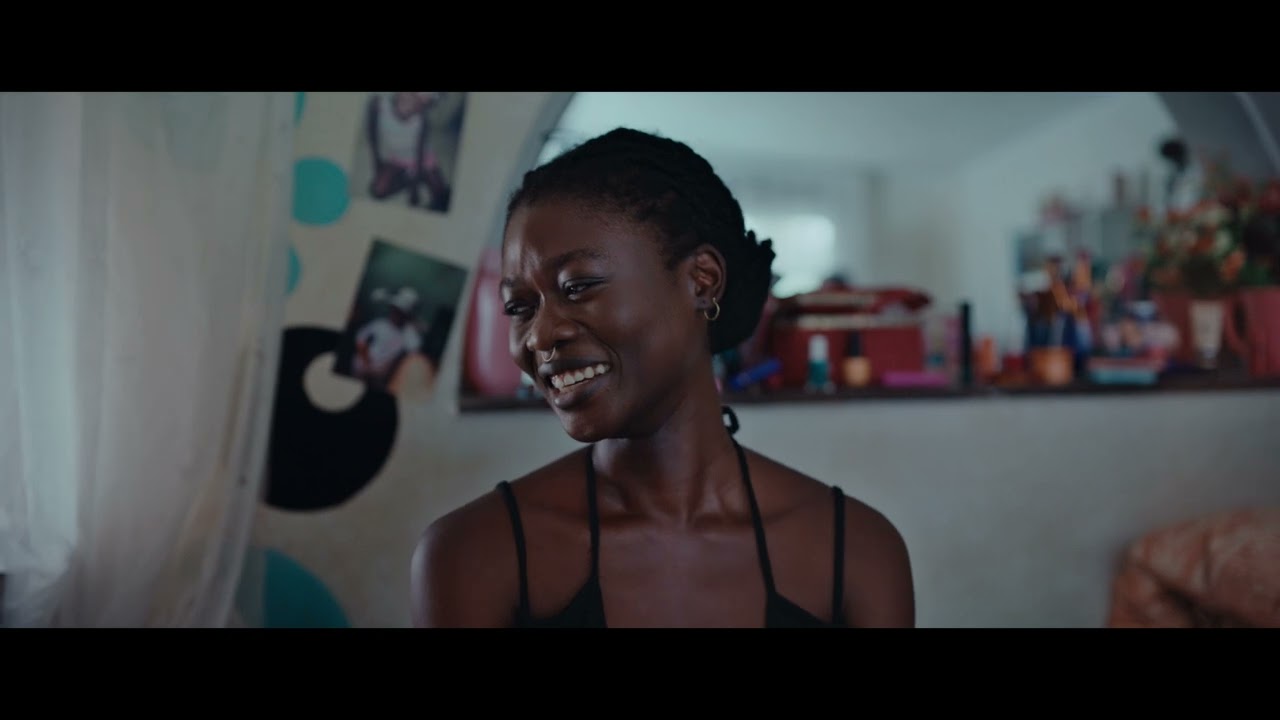
There’s a particular kind of electricity that fills the film world when a project emerges from festival season with serious accolades attached—and Promised Sky has already begun generating that unmistakable buzz. Scheduled for release on January 28, 2026, Tunisian director Erige Sehiri’s latest film is set to arrive carrying the weight of genuine recognition, having taken home the prestigious Etoile d’Or at the Marrakech International Film Festival, with jury president Bong Joon-ho among those championing its vision. This isn’t hype built on marketing dollars or pre-release speculation; it’s the kind of anticipation that comes from critical consensus and filmmaking excellence.
What makes this victory particularly resonant is the film’s identity as a female-led drama helmed by a woman director working within the challenging framework of international cinema. Sehiri has crafted something that clearly speaks across borders and sensibilities—the fact that Bong Joon-ho’s jury recognized it at Marrakech signals a film with both artistic substance and emotional authenticity. In an industry landscape where women-directed dramas often struggle for visibility and resources, Promised Sky’s trajectory from production through festival success to theatrical release feels genuinely significant.
The creative team assembled here deserves particular attention:
- Erige Sehiri as director—a voice emerging with undeniable skill and perspective
- Aïssa Maïga in the cast—an actress of remarkable range and depth, known for choosing projects with real substance
- Laëtitia Ky and Déborah Naney rounding out a female-centered ensemble that suggests a collaborative vision focused on nuanced, character-driven storytelling
- A budget of $6.8 million—modest but thoughtfully deployed across a 92-minute runtime, suggesting disciplined filmmaking over spectacle-chasing
This isn’t a film that will arrive with trailer saturation or franchise anticipation. Instead, it’s coming to audiences as something more rare: a piece of cinema with festival pedigree and genuine artistic credibility, earning its release through the strength of its execution rather than pre-ordained marketing machinery.
The Marrakech recognition, particularly the Best Actress honor alongside the top prize, suggests a film where performance and direction are in perfect synchronicity—where the actors aren’t simply executing a vision, but deepening and enriching it through their presence.
The production itself reflects a thoughtful international collaboration. With studios including Maneki Films, Henia Production, Canal+, and MAD Solutions, we’re looking at a project that bridges European broadcasting infrastructure with independent film sensibilities. Canal+’s involvement particularly signals that this is conceived as prestige cinema meant to reach serious viewers—the kind of drama that serves the platform’s commitment to artistic cinema alongside entertainment. This mix of partners suggests a film made with conviction rather than compromise.
It’s worth noting that Promised Sky will arrive with a 0.0/10 rating on release—a simple reminder that this is a film stepping into the world completely fresh, untested by the audience metrics that tend to drive discourse online. There’s something almost refreshing about that blank slate in an era of pre-release review bombing and algorithmic sentiment analysis. This film will be experienced first, then discussed—which is exactly how cinema should work.
The dramatic form itself—that core 1 hour 32 minutes—speaks to intentionality. We live in an era where dramas can drift toward excess, testing audience patience with runtime ambitions. Sehiri’s discipline here, whatever the narrative demands, suggests filmmaking that respects the viewer’s time while honoring the emotional truth of the material. Feature length without self-indulgence is harder to achieve than it appears.
What conversations might this film spark when it arrives in late January? Consider the potential:
- Female representation in cinema—how women-led dramas are funded, premiered, and distributed across different markets
- North African and Middle Eastern voices—the growing visibility of Tunisian and broader regional filmmaking on the international stage
- Festival to theatrical pathways—how smaller, award-winning films navigate release strategies in an increasingly fragmented viewing landscape
- International co-productions—the creative strength that emerges when European and African sensibilities collaborate without colonial power dynamics
Erige Sehiri is building something beyond a single film here—she’s establishing a directorial voice. This release will matter not just as Promised Sky arriving in theaters, but as a marker in her trajectory. The actresses involved—particularly Aïssa Maïga, whose work consistently elevates material and expands what’s possible within dramatic storytelling—are choosing to be part of this vision, which itself suggests something worth witnessing.
When Promised Sky releases on January 28, 2026, it won’t carry the weight of blockbuster expectations or franchise obligations. Instead, it will arrive as cinema does at its best: as a complete artistic statement, already vetted by serious international film professionals, ready to meet audiences willing to engage with it. That’s the kind of film that reminds us why cinema still matters—not as spectacle or distraction, but as a profound tool for human connection and artistic expression.