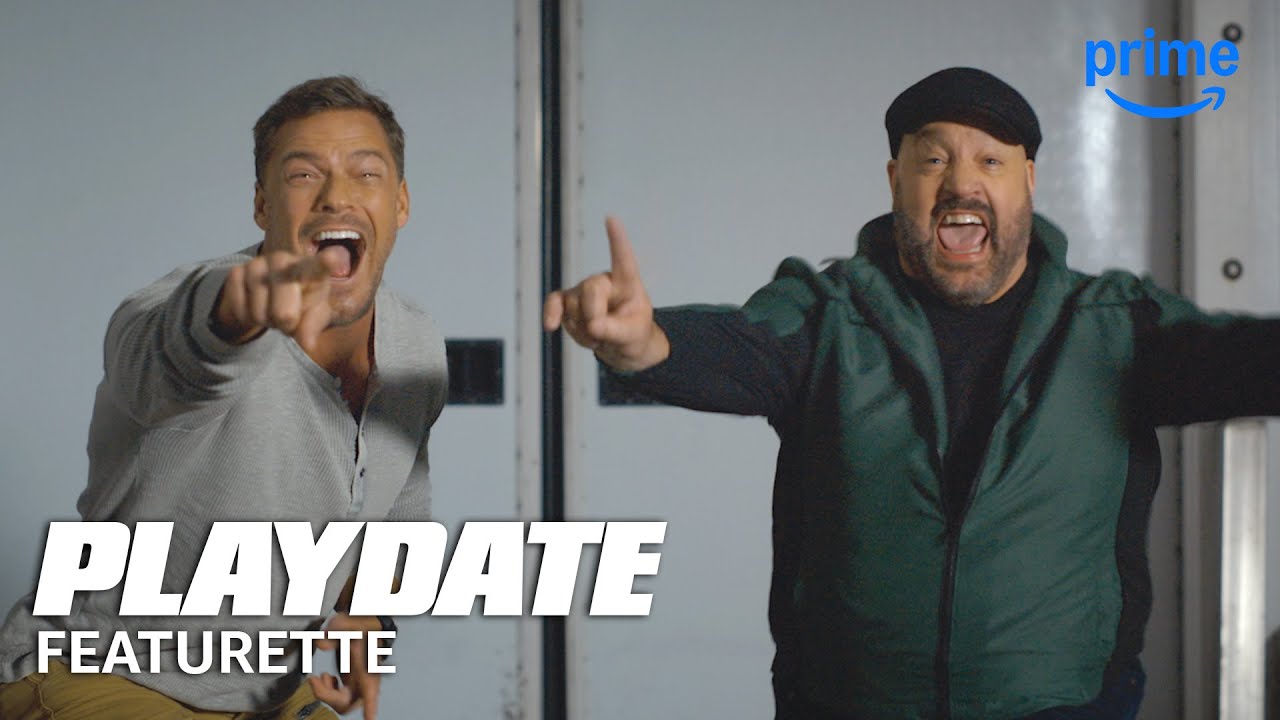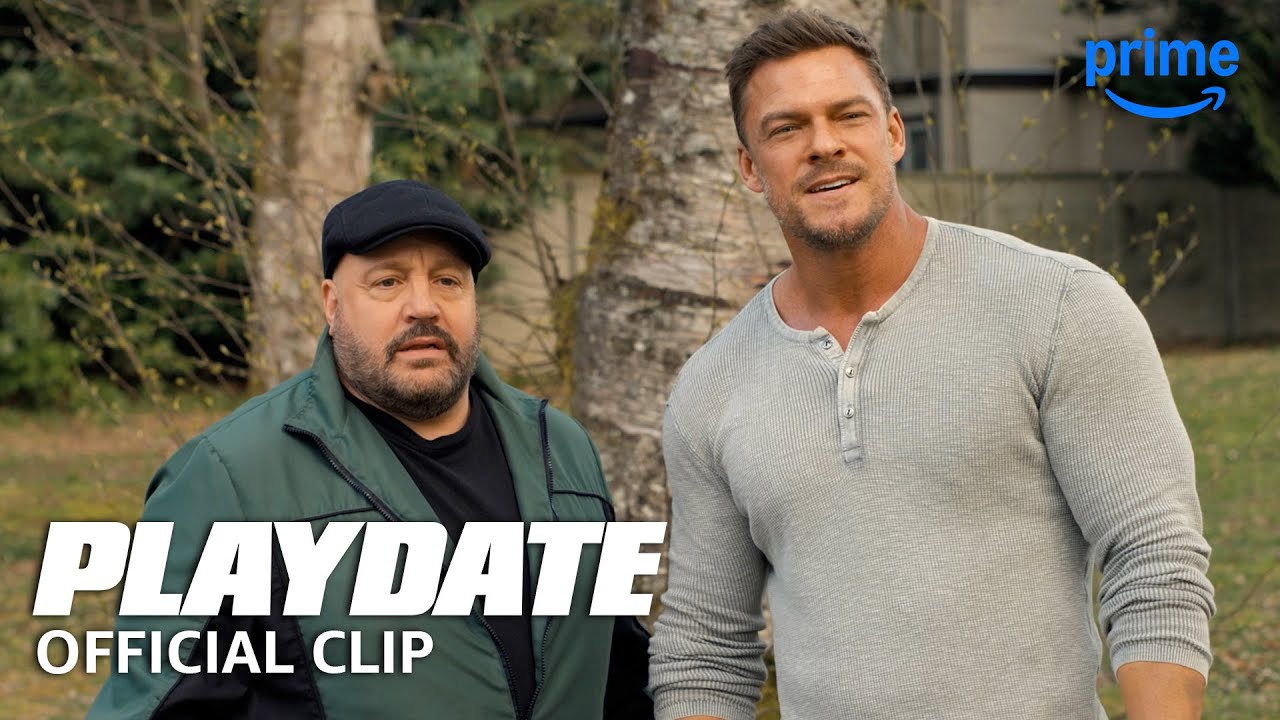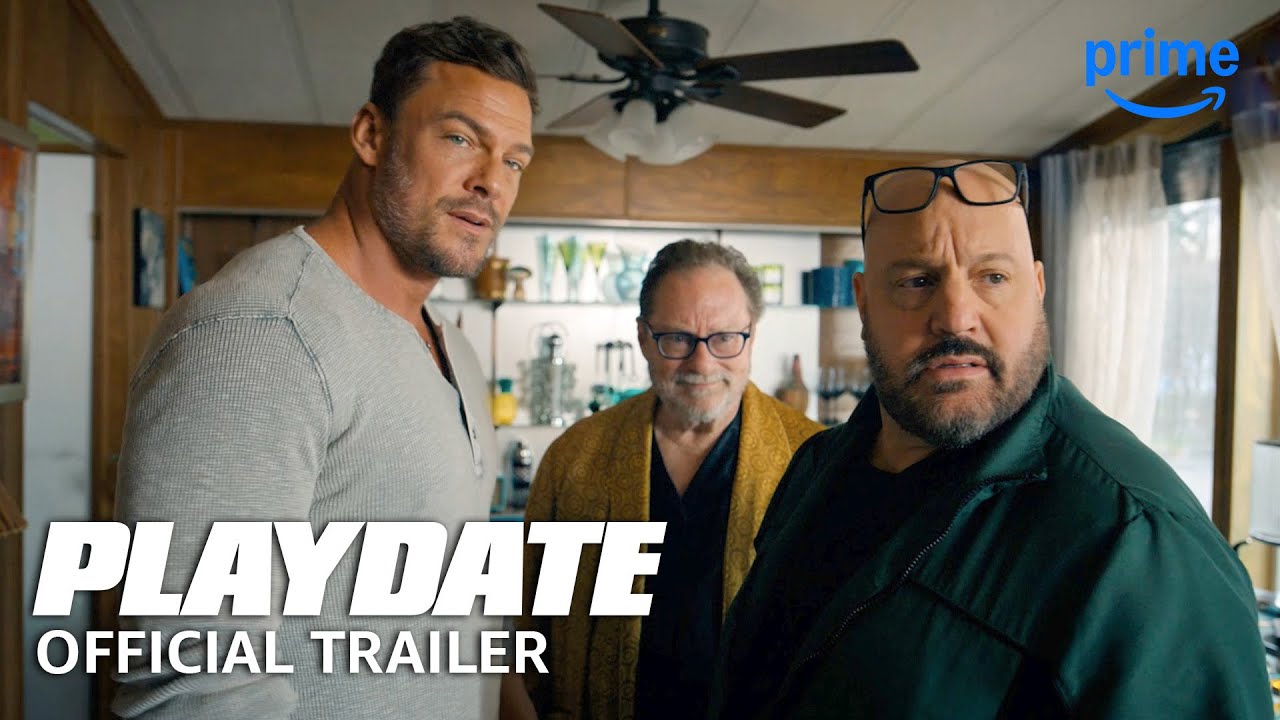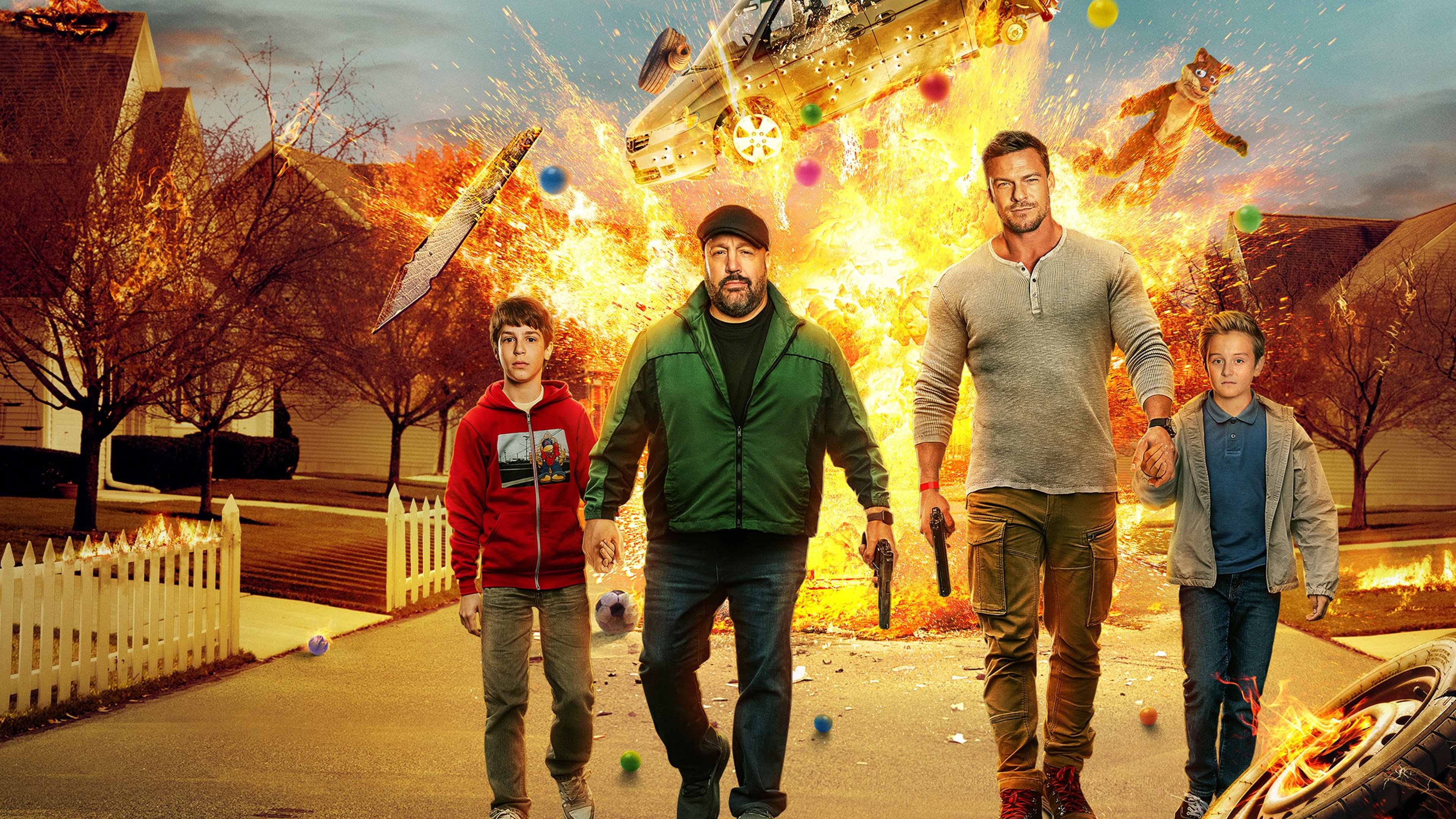
When Playdate premiered on Prime Video in November 2025, it arrived at a peculiar moment in cinema history—one where the line between theatrical ambition and streaming pragmatism had become increasingly blurred. Director Luke Greenfield’s action-comedy, anchored by Kevin James and Alan Ritchson as two stay-at-home dads whose innocent afternoon spirals into comedic chaos, tapped into something that resonated with audiences in ways that transcended typical release metrics. The film’s 6.0/10 rating might suggest middling critical reception, but that score masks a more interesting story about what audiences actually wanted from their entertainment in 2025.
The premise alone—two dads navigating an afternoon playdate that “gets real,” as the tagline promised—seemed deceptively simple. Yet it represented something genuinely fresh in the action-comedy space: the domestication of the buddy cop formula. Rather than jaded detectives or burnt-out agents, we had two fathers trying to manage kids, snacks, and unexpected violence. That shift in perspective, bringing the action-comedy genre into suburban living rooms and backyard barbecues, gave the material a grounded quality that most contemporary comedies were missing.
What made this collaboration work:
- Kevin James brought his signature everyman vulnerability—that ability to make a character simultaneously competent and completely bewildered by circumstance
- Alan Ritchson provided the physical comedy counterweight, his imposing frame creating immediate contrast with James and generating laughs through sheer presence
- Sarah Chalke rounded out the ensemble, adding dimension to what could have been one-dimensional supporting roles
The chemistry between James and Ritchson drove the film’s emotional core, making their escalating predicament genuinely funny rather than just loud
Luke Greenfield, known for his work on Hall Pass and his ability to balance crude humor with surprising heart, brought that same sensibility to Playdate. The director understands that action-comedies work best when the audience actually cares about the characters beneath the mayhem. With a brisk runtime of just 1 hour and 33 minutes, Greenfield trimmed away excess fat, moving the narrative at a pace that kept audiences engaged without overstaying its welcome.
The release on Amazon MGM Studios’ Prime Video platform proved strategically brilliant. Rather than chasing theatrical box office numbers—where the projections had initially suggested around $150 million domestically—the film found its true audience in the streaming ecosystem. That decision reflected a larger industry recognition: sometimes the biggest wins aren’t measured in opening weekend numbers but in sustained engagement and word-of-mouth momentum that Playdate apparently generated over the following weeks.
> What Playdate ultimately demonstrated was that the action-comedy genre remained vibrant and relevant, provided filmmakers were willing to refresh its DNA with new perspectives and genuine character work.
The film’s trajectory as an “instant streaming hit” that continued gaining traction month after its November 12 debut spoke volumes about its cultural staying power. This wasn’t a flash-in-the-pan viral moment—it was the kind of film people were still talking about, still recommending to friends, still discovering well into 2026. In an era of content oversaturation, that kind of sustained relevance matters immensely.
Key elements that shaped its legacy:
- Subversion of expectations — The film took a familiar genre and rooted it in contemporary family dynamics
- Accessibility — At 93 minutes, it respects the audience’s time while delivering complete storytelling
- Ensemble chemistry — The cast genuinely seemed to enjoy working together, and that joy translated on screen
- Thematic resonance — Beneath the action beats, it engaged with real anxieties about parenthood and masculinity in 2025
Critically, Playdate occupied an interesting space. The 6.0/10 rating suggested critics weren’t unified in their enthusiasm, yet audiences clearly connected with something the film was offering. This disconnect reflects a broader cultural moment where mainstream critics and general audiences often experience movies through fundamentally different lenses. The film’s willingness to embrace broad comedy alongside genuine action sequences meant it didn’t neatly fit into critical categories—it was too comedic for pure action enthusiasts, perhaps too action-heavy for comedy purists.
What Playdate ultimately demonstrated was that the action-comedy genre remained vibrant and relevant, provided filmmakers were willing to refresh its DNA with new perspectives and genuine character work. By centering the experience around stay-at-home dads rather than traditional action heroes, Greenfield created something that felt contemporary without being trendy, funny without relying on easy cynicism, and exciting without abandoning emotional stakes.
As we look back on 2025’s streaming landscape, Playdate represents something worth celebrating—a film that understood its audience, delivered on its promises, and did so with evident craftsmanship and care. In an industry often chasing the next trend, sometimes the most significant achievement is simply making something entertaining, well-constructed, and genuinely rewatchable. That’s the legacy Playdate left behind.