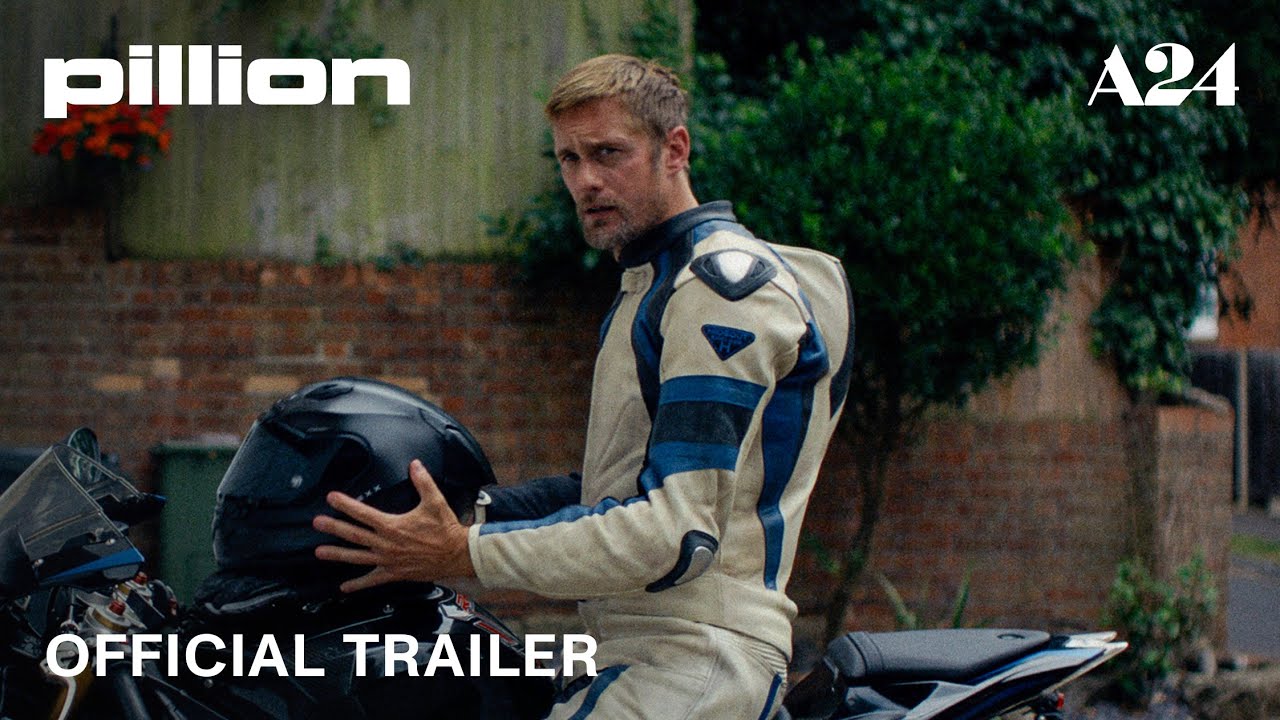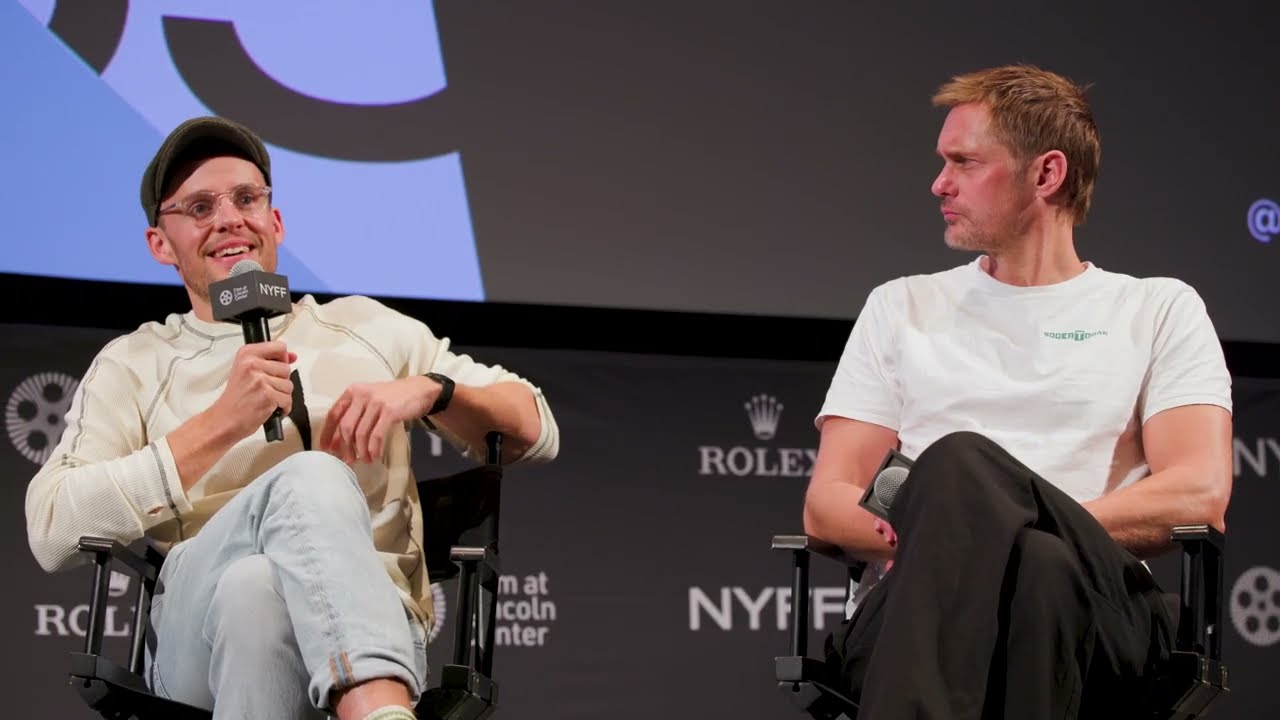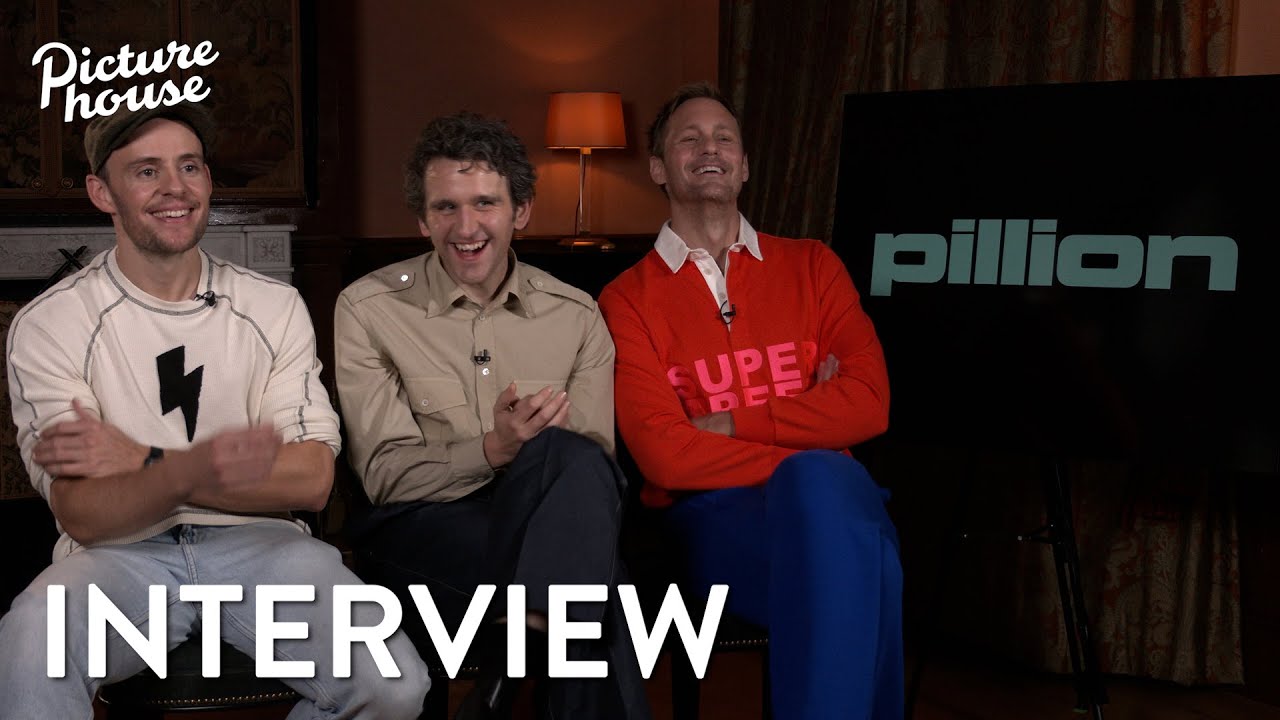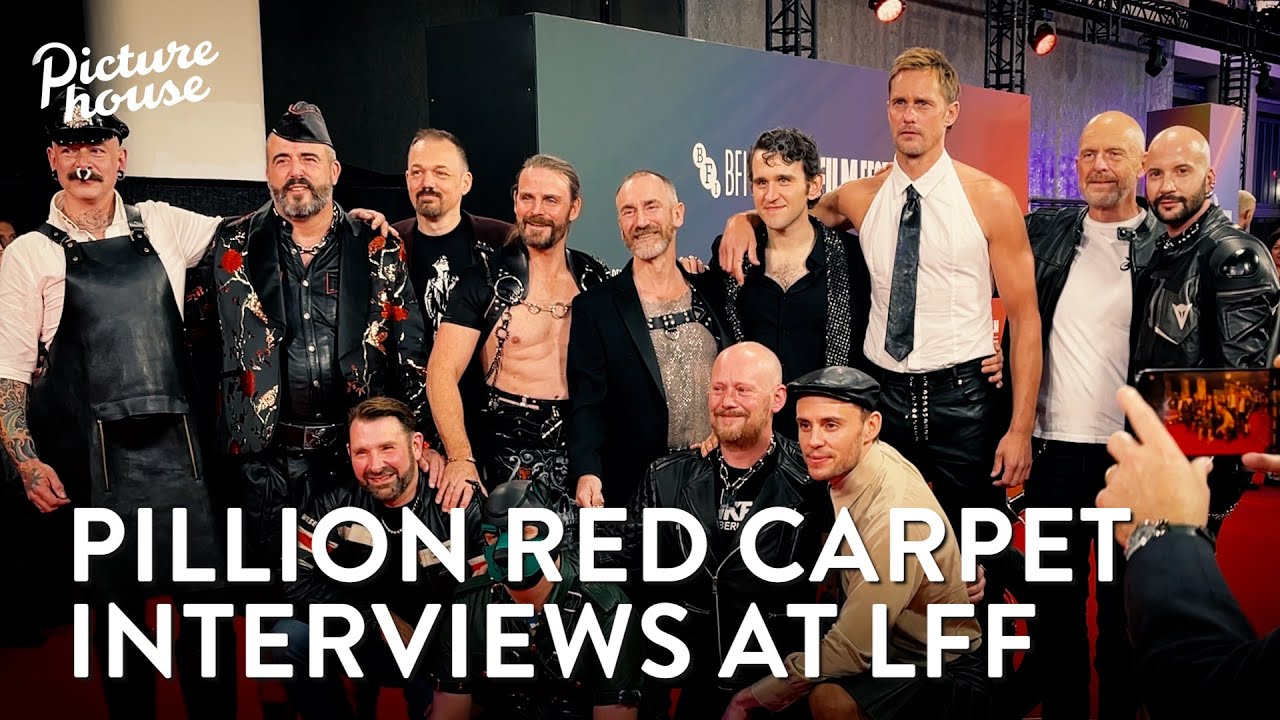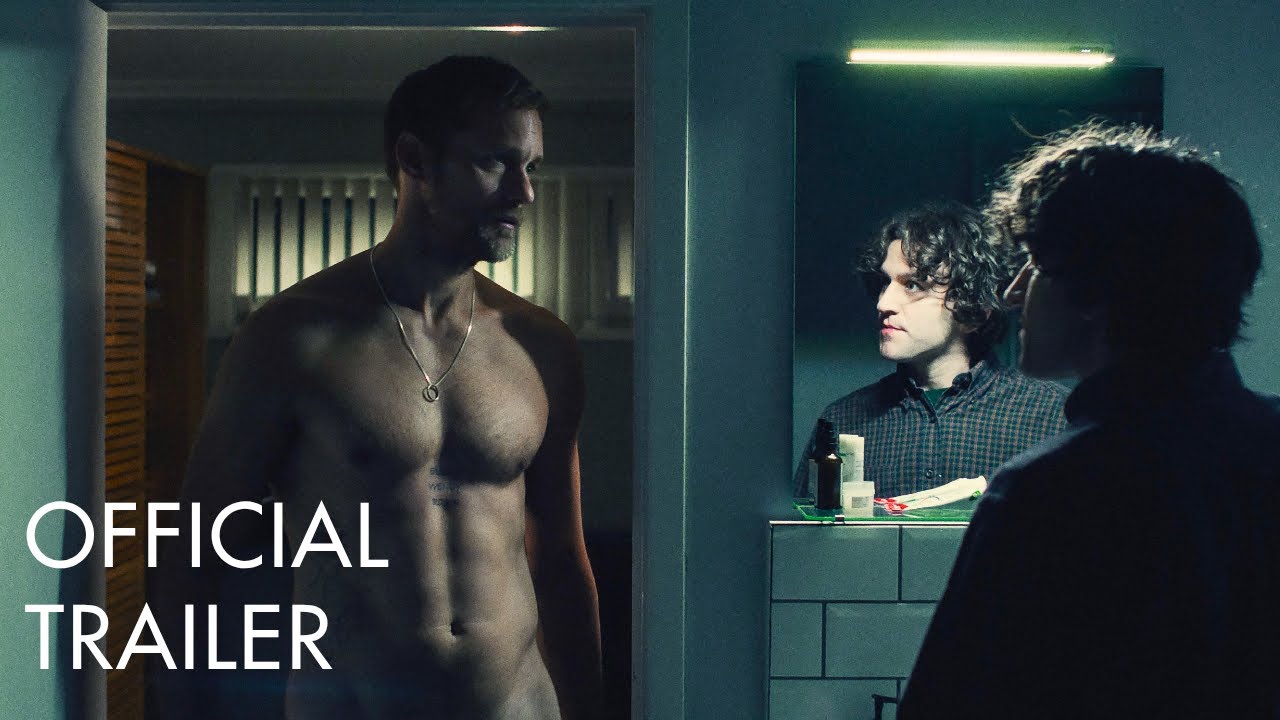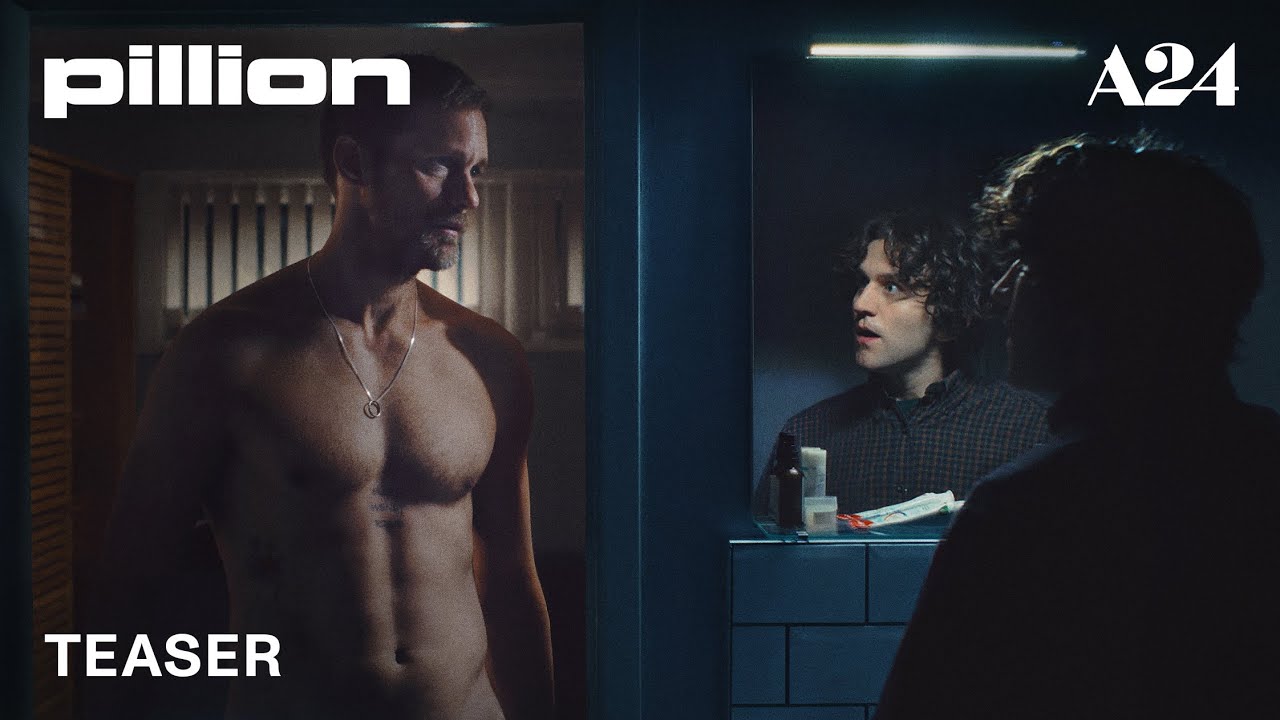
When Pillion premiered in late November 2025, it arrived as something quietly radical—a film that refused to play it safe, even as it came with modest expectations and an even more modest box office showing. With just $1,460,316 at the till against an undisclosed budget, this wasn’t a financial blockbuster. But what happened next told a different story entirely. The film swept the 2025 British Independent Film Awards, claiming four prizes including Best British Independent Film, a recognition that spoke to something the box office hadn’t quite captured yet. Sometimes cinema’s real victories aren’t measured in multiplexes.
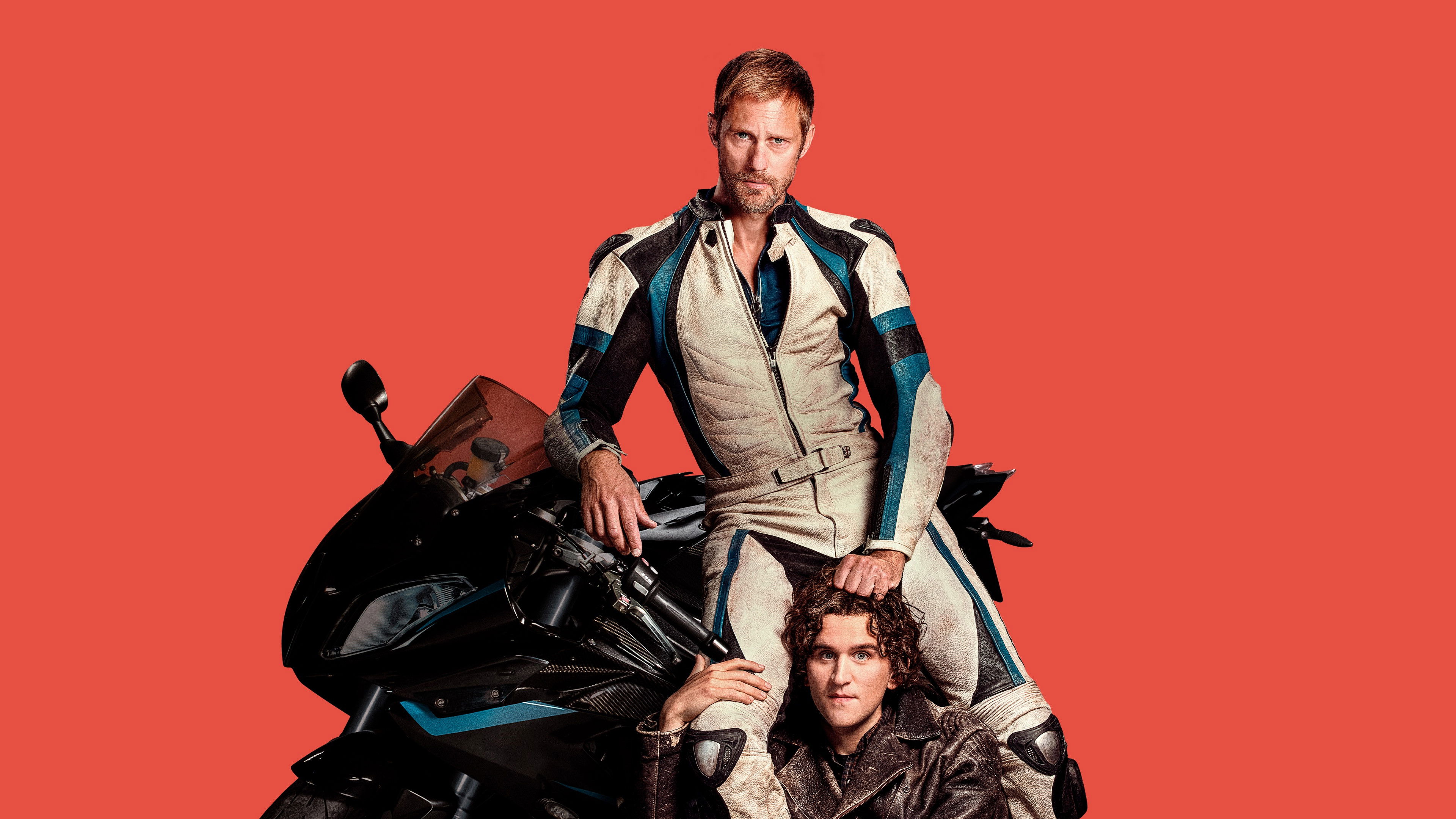
Director Harry Lighton made his feature debut with Pillion, and the film immediately announced itself as the work of someone unafraid to explore complicated emotional and physical territory. This is a romance that doesn’t shy away from desire, vulnerability, and the messier aspects of human connection—it’s a BDSM biker romance, after all, and that alone signals Lighton’s willingness to center stories that mainstream cinema often relegates to the margins. The fact that the film earned such significant institutional recognition suggests that the industry was ready for this kind of specificity, this kind of honesty about what it means to want someone and to be wanted in return.
The runtime of 1 hour and 47 minutes is deceptively lean. Lighton uses every minute to build an intimate portrait of desire and connection, refusing filler while maintaining a narrative momentum that keeps you invested. This brevity actually becomes part of the film’s power—there’s an economy to the storytelling that forces clarity. You’re in this relationship, observing these two men, and the compressed timeframe makes every moment count.
Harry Melling and Alexander Skarsgård carry the film with a palpable chemistry that crackles even when the scenes are quiet. Melling brings a particular intensity to his performance, a vulnerability that opens up the space for genuine intimacy. Skarsgård, meanwhile, finds depth in restraint, suggesting layers of complexity beneath a surface that could easily have been one-dimensional. The dynamic between them feels lived-in, earned. Lesley Sharp, in a supporting role, adds another dimension to the emotional landscape—she’s the kind of presence that grounds the film in something recognizably human, even as it explores the extraordinary aspects of these characters’ lives.
What makes Pillion significant in the broader landscape of contemporary cinema includes:
- Genre expansion: It’s a romance, yes, but one that refuses the sanitization that romantic cinema often demands. The film treats BDSM not as spectacle or kink-for-kink’s sake, but as a genuine language of intimacy between two people.
- British independent cinema at its best: Backed by BBC Film, BFI, Element Pictures, Fremantle, and September Film, this is the kind of project that the British film infrastructure exists to support—ambitious, character-driven, unafraid.
- A debut feature that announces a significant new voice: Lighton’s work suggests a filmmaker with a clear vision and the skill to execute it, which bodes well for whatever comes next.
The critical reception—a 6.3/10 from 45 votes—tells an interesting story. It’s not a universally beloved film, and that’s okay. Strong work often divides audiences. What matters is that it found its audience, and found it with enough conviction that major institutions took notice. The BIFA recognition positioned Pillion as the year’s essential British independent film, a designation that carries real weight.
> The film treats desire as a serious subject worthy of serious cinematic attention, and in doing so, it expands what we think contemporary romance can be.
The cultural moment in which Pillion arrived matters. We’re living through a period where representation has become democratized—streaming services and independent platforms mean that stories once deemed “too niche” can find audiences. Yet institutional recognition remains rare. A film like this winning at BIFA signals that the British film establishment is willing to champion work that centers marginalized perspectives and experiences. That’s significant not just for Pillion, but for the filmmakers watching who might see a path forward for their own ambitious projects.
What’s particularly smart about Pillion is that it doesn’t position itself as “important” or “issue-driven” in the way films about queerness sometimes do. It’s simply the story of two people navigating desire, power, and connection. The specificity of that story—the bikes, the leather, the explicit negotiations around consent and pleasure—becomes the vehicle for something universal about what it means to trust another person with your vulnerability. That’s what resonates.
Looking ahead, Pillion will likely be remembered as a turning point—not just for Lighton as a filmmaker, but for what it represented about the state of British independent cinema in 2025. It’s a film that took risks, that trusted its audience to meet it halfway, and that emerged with institutional validation. The box office may have been modest, but the legacy, it seems, will be considerable. This is how significant cinema often begins—quietly, decisively, with four wins at an awards ceremony and a clear sense that something important just happened.