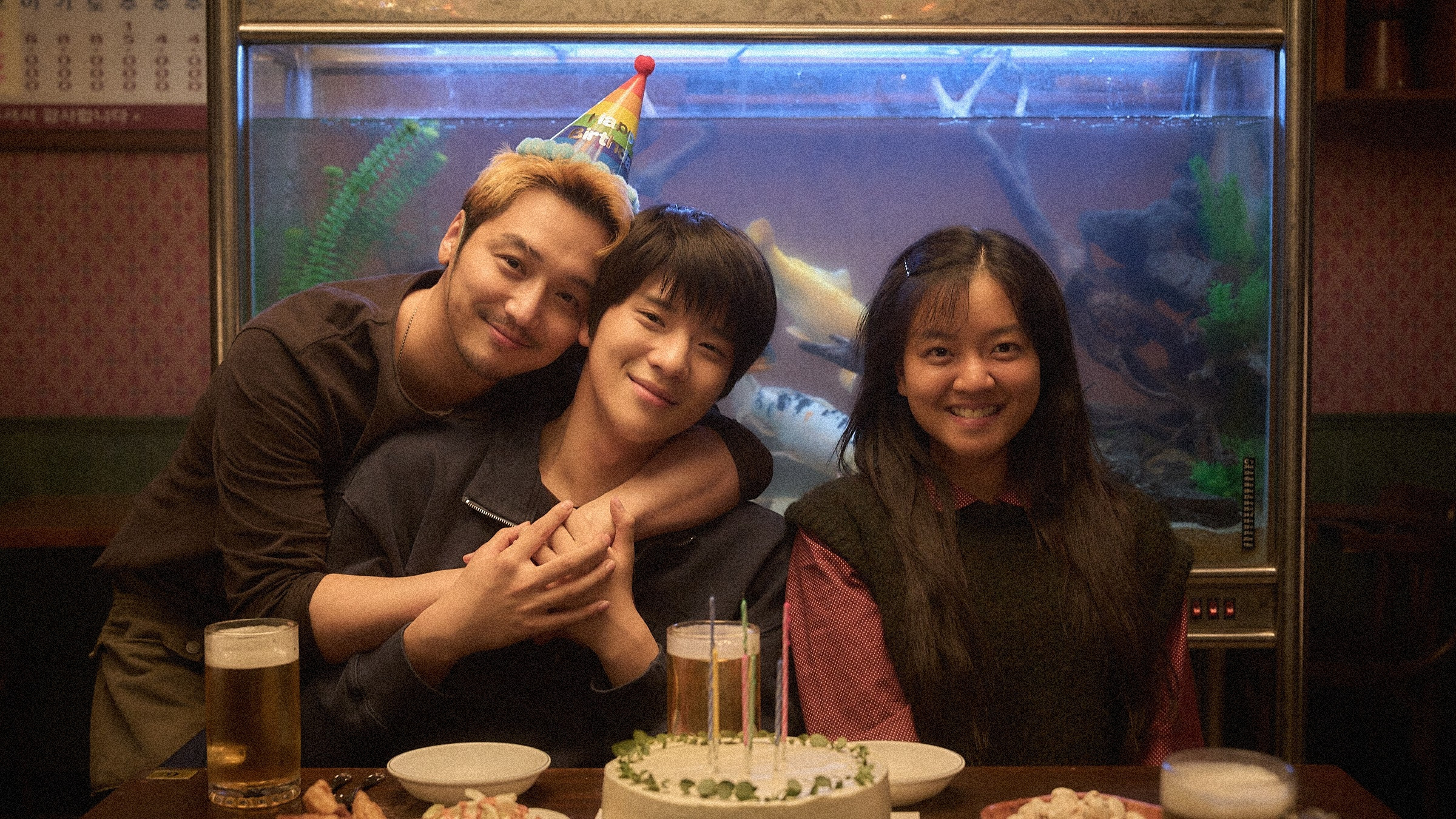
There’s something quietly exciting brewing in the Korean cinema landscape right now, and Pavane is poised to be one of those films that sneaks up on audiences in the best possible way. Director Lee Jong-pil is bringing this romantic drama to life, and it’s scheduled to release on February 20th, 2026 through Netflix—a platform that’s been increasingly committed to showcasing substantial international storytelling rather than just filling content quotas. The fact that Netflix is highlighting this among their Korean slate for the year tells you something about the confidence surrounding this project.
What makes Pavane particularly worth our attention right now, even before its release, is the caliber of its ensemble. Ko A-sung brings her characteristic depth and nuance to lead roles; Byun Yo-han has proven himself a versatile actor capable of moving between intense drama and subtle emotional work; and Moon Sang-min rounds out the cast with his own proven ability to inhabit complex characters. This isn’t a random assembly of talent—this is a thoughtfully curated group of actors who understand how to communicate volumes through restraint.
The production itself, mounted by The LAMP and Plus M Entertainment, suggests serious backing and artistic ambition. These aren’t fly-by-night operations; they’re studios with track records of investing in character-driven material. At nearly two hours, Pavane is being given the runtime to breathe, to let relationships develop at their own pace rather than rushing toward convenient plot beats. That’s increasingly rare in an era of streamlined storytelling.
What matters here is the fundamental question: How do we love? How do we say goodbye? How do we move forward? These are the territories that romance dramas at their best explore, and Lee Jong-pil appears to be working in that tradition.
Here’s what we can reasonably anticipate about Pavane’s potential impact:
- A meditation on connection: Rather than plotting the typical romantic arc, the film seems positioned to examine what draws people together and what tears them apart
- Performances over spectacle: With three compelling actors and no reported action sequences or visual spectacle in the marketing, the focus will squarely rest on human moments
- Netflix’s international expansion: This release reinforces the platform’s strategy of treating Korean cinema as serious dramatic territory, not just a content category
- Conversations about romance in contemporary film: The film will likely spark discussions about how modern romantic dramas handle vulnerability and commitment
What’s particularly intriguing is how Lee Jong-pil is positioning Pavane within the current landscape. Korean cinema has been having a fascinating conversation with itself lately about tradition versus modernity, about how to honor emotional storytelling in an age of quick cuts and constant distraction. A film that commits itself to a 113-minute examination of romantic relationships—not a heist, not a thriller, just people and their choices—feels almost countercultural in 2026.
The title itself offers a clue to the director’s sensibility. A pavane is a slow, stately dance—methodical, deliberate, with each movement mattering. It’s the opposite of frantic. That suggests Lee Jong-pil isn’t interested in manufactured drama or convenient emotional spikes. He’s likely after something more dignified, more earned. The kind of film where a glance across a room means something because we’ve spent time understanding why.
None of this is to say Pavane will be a perfect film—it hasn’t been released yet, and the rating currently sits at 0.0/10 simply because audiences haven’t had a chance to experience it. That blank slate is actually refreshing; we’re approaching this without preconceptions or inflated expectations. What we have instead is promise: the promise of a creative team working in earnest, of a platform willing to distribute serious work, and of actors invested in exploring emotional truth.
The real significance of Pavane might reveal itself only after its February release. Will it spark the kind of conversation about contemporary romance that makes critics and audiences revisit it months later? Will it become a reference point for how to handle intimate storytelling? Or will it be a smaller, quieter success—the kind of film that finds its audience gradually, through word-of-mouth and streaming recommendations?
That uncertainty is actually part of what makes it worth paying attention to now. We’re at that rare moment before a film enters culture, before it becomes a known quantity. Pavane is being built on craft, on trust in actors and director, on the belief that audiences still hunger for something genuine. In February 2026, we’ll find out if that belief is justified. For now, this feels like the kind of film worth keeping an eye on—a small, serious piece of cinema in a world that often demands much louder things.