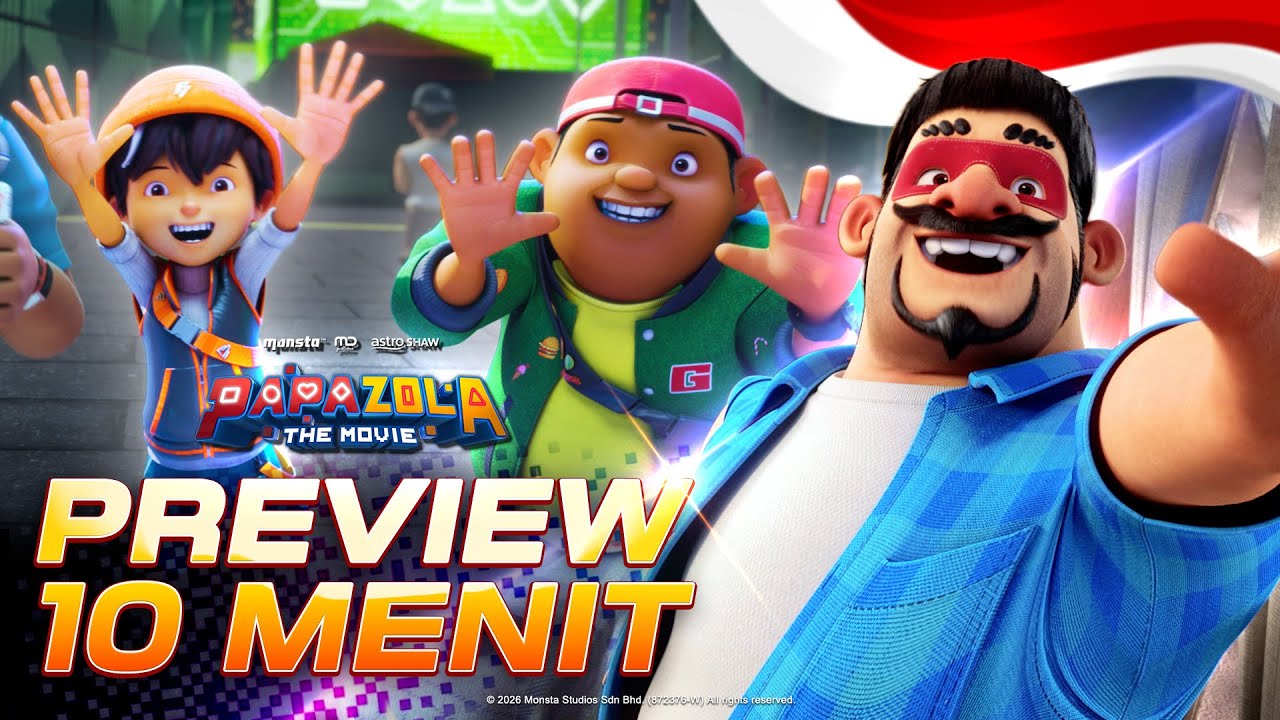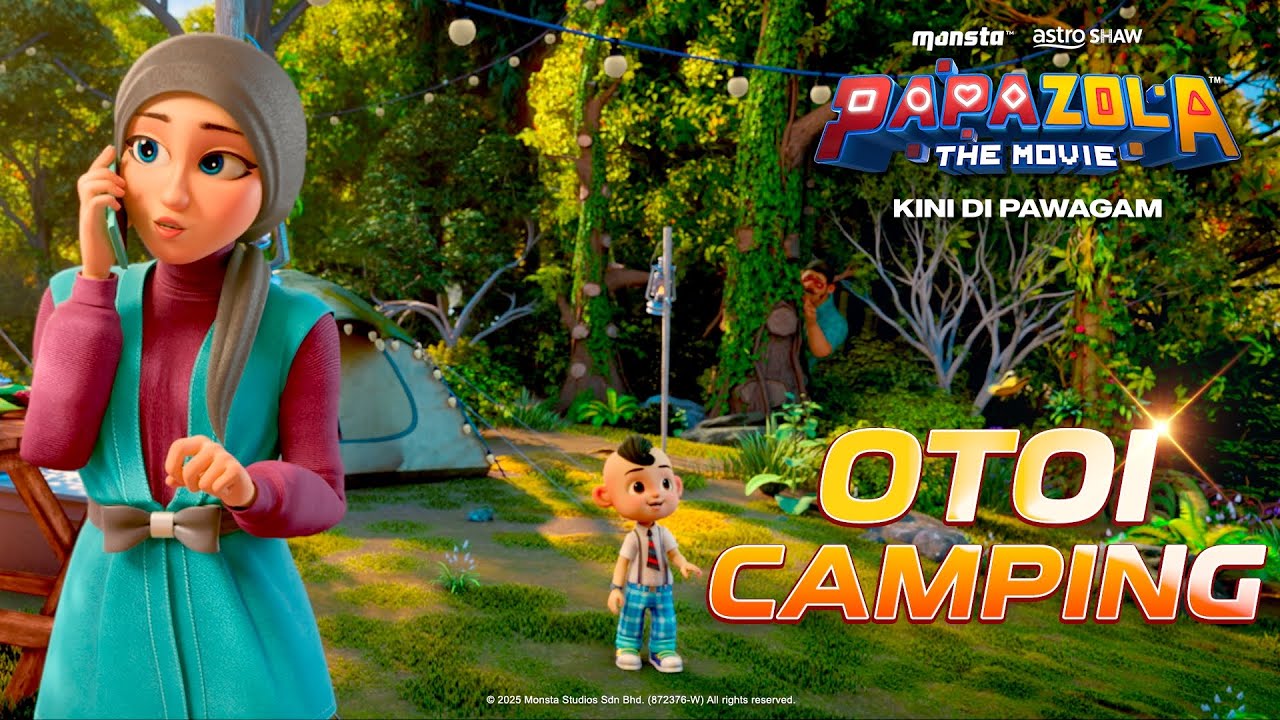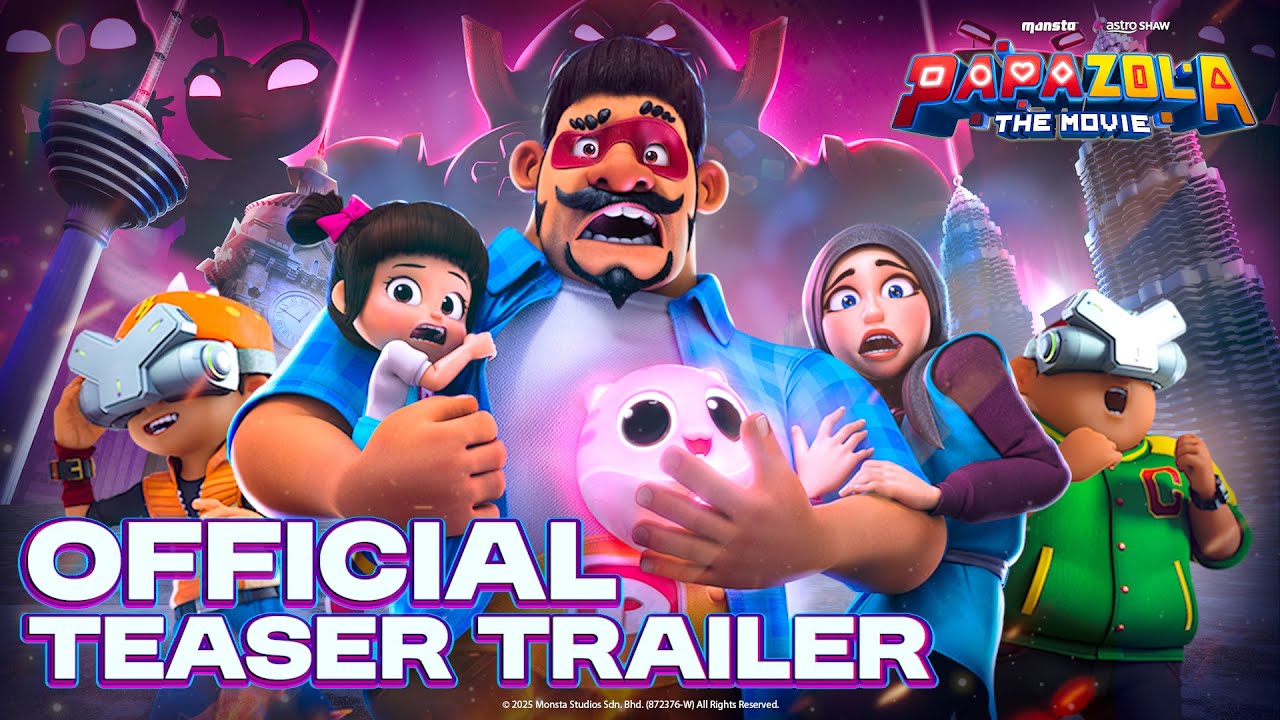
When Papa Zola: The Movie premiered on December 11, 2025, few could have predicted it would fundamentally reshape Malaysia’s animation industry. What started as a bold creative endeavor from director Nizam Razak has since become a cultural phenomenon—and frankly, a watershed moment for Southeast Asian animation at large. This isn’t just another animated film that did well at the box office; it’s a film that proved Malaysian audiences had an appetite for homegrown animation on a blockbuster scale, and that appetite was apparently insatiable.
The numbers tell part of the story. In its first four days alone, the film crossed RM 10 million at the Malaysian box office—a figure that would have seemed audacious for any local animated production just months prior. By the time it hit eighteen days in release, it had already accumulated over RM 43 million. And then it kept going. As of mid-January, Papa Zola: The Movie had crossed RM 61 million (approximately $15 million USD), officially becoming the biggest animated film of all time in Malaysia. To put that in perspective, this is the kind of performance usually reserved for major international studio releases, not domestic productions.
But here’s what makes this achievement truly significant: it wasn’t built on spectacle alone. At 1 hour and 51 minutes, the film proves that you don’t need bloated runtime or excessive production flourishes to connect with audiences. Director Nizam Razak, working with the vocal talents of Ieesya Isandra and Noor Ezdiani Ahmad Fauwzi, along with his own performance in the lead role, crafted something lean, purposeful, and genuinely engaging. The pacing serves the story rather than the other way around—a lesson many bigger-budget productions could stand to learn.
> What Papa Zola: The Movie accomplished extends far beyond box office dominance. It fundamentally answered a question the Malaysian film industry had been grappling with: could homegrown animation compete not just artistically, but commercially with imported content?
The film’s creative vision reflects Nizam Razak’s understanding of what resonates with his audience. Rather than chasing Hollywood formulas, he grounded the film in a distinctly Malaysian sensibility. The collaboration between Razak, Isandra, and Ahmad Fauwzi created something that felt both personal and universal—a delicate balance that most filmmakers spend their entire careers trying to achieve.
The critical reception, sitting at a solid 8.5/10 rating, reflects genuine appreciation rather than hype-driven enthusiasm. With only two votes recorded at this early stage, the rating carries weight precisely because it’s earned rather than inflated by popularity. What’s remarkable is that viewers across different demographics seemed to connect with the material. The film manages to function simultaneously as:
- A family experience that parents genuinely enjoy alongside their children
- An action-adventure with genuine stakes and excitement
- A comedy with humor that lands across age groups
- Science fiction world-building that expands possibilities for Malaysian animation
The partnership between Astro Shaw and Monsta Studios proved essential. Both companies understood they were backing something that could reshape the industry’s trajectory, and they invested accordingly—not just in budget, but in distribution, marketing, and belief. Their support allowed Razak’s vision to reach the broadest possible audience, which is ultimately what transformed a great film into a cultural event.
What’s perhaps most important about Papa Zola: The Movie is what it signals about the future. For five consecutive weeks, it remained the box office number one in Malaysia, which speaks to both the film’s quality and its genuine cultural resonance. This wasn’t a flash in the pan—it was audience members returning to theaters, bringing friends and family, and helping spread word-of-mouth recommendations. That kind of staying power indicates the film tapped into something deeper than novelty.
The legacy of Papa Zola will likely manifest in two immediate ways:
- A shift in industry confidence – Malaysian studios now have empirical proof that local animation can achieve blockbuster-level success, potentially unlocking future investments in the sector
- A blueprint for filmmakers – Razak’s approach to storytelling, character, and pacing offers a model that balances artistic integrity with commercial appeal
Looking back at Papa Zola: The Movie from our vantage point, it’s clear this film matters because it refused to accept predetermined limitations. It asked: What if a Malaysian animated film could be the biggest in the country’s history? And then it answered that question decisively. In doing so, it didn’t just succeed as entertainment—it succeeded as cultural validation. For an industry often overshadowed by international competitors, that’s everything.