There’s something distinctly compelling about watching a filmmaker like Vishal Bhardwaj return to the crime-action space with a fresh vision. O’Romeo is shaping up to be one of those films that doesn’t just entertain—it provokes, challenges, and reminds us why cinema matters as a storytelling medium. Scheduled for release on February 13, 2026, this collaboration between Bhardwaj, Shahid Kapoor, Triptii Dimri, and Avinash Tiwary is already generating the kind of anticipation that suggests something genuinely different is brewing in Indian cinema.
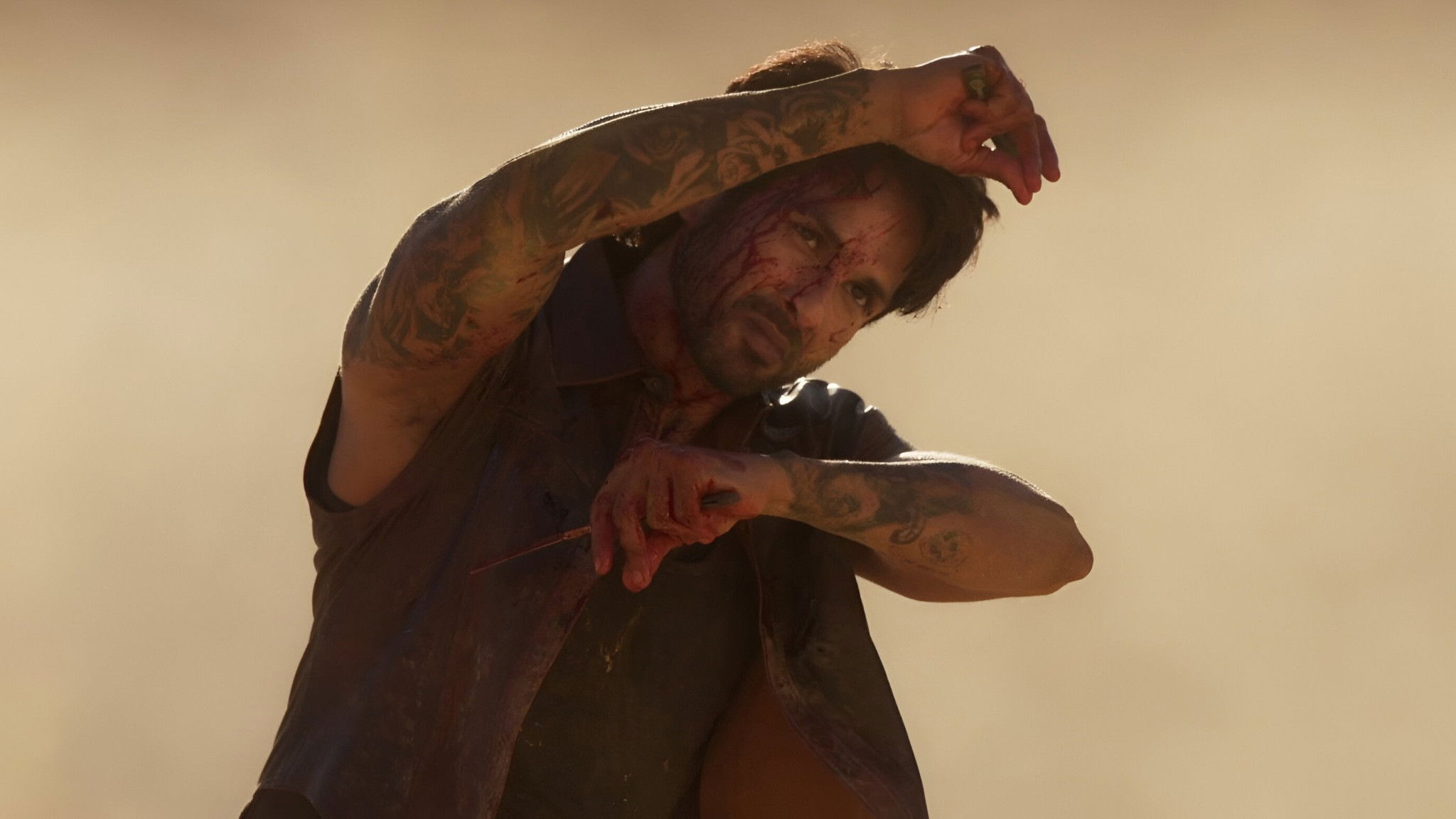
The early indicators are fascinating. From the teaser materials that have surfaced, we’re looking at a Shahid Kapoor we haven’t seen in quite some time—completely transformed with full-body tattoos, embodying a character that’s clearly operating in morally gray territories. This isn’t the charming lead or the romantic hero we’ve grown accustomed to; this is an actor willing to disappear into darkness, and that kind of commitment is exactly what a Vishal Bhardwaj thriller demands.
What makes this project particularly noteworthy:
Director’s pedigree: Vishal Bhardwaj has built his reputation on intelligent crime dramas that burrow deep into character psychology. Films like Ishqiya and Matka King proved he understands how to blend genre conventions with genuine artistic ambition.
The casting chemistry: Pairing Shahid with Triptii Dimri creates an interesting dynamic—their teased “love-hate saga” suggests the film will explore complicated human connections rather than simple good-versus-evil narratives.
Production backing: With Nadiadwala Grandson Entertainment and Vishal Bhardwaj Films behind it, this has the resources and creative autonomy necessary for an ambitious vision.
The visual language: Early imagery hints at a moody, atmospheric thriller with visual storytelling that goes beyond typical action fare.
What’s particularly intriguing is how O’Romeo arrives at a moment when Indian cinema is reassessing what crime narratives can achieve. This isn’t a film trying to replicate what’s already worked; it’s building something intentionally provocative. The very title—a dark reimagining of Shakespeare’s lovers—suggests Bhardwaj is interested in subverting romantic and heroic archetypes. Love, crime, passion, and violence will likely collide in ways that refuse easy categorization.
The film taps into something audiences are hungry for: complex characters operating outside traditional moral frameworks, stories that don’t pretend the world is simpler than it actually is.
The controversies surrounding the film—including production-related legal disputes that have made headlines—actually underscore something important: this is a project willing to exist in uncomfortable spaces. Whether these external pressures affect the final product or not, they signal that O’Romeo is taking risks, making choices that weren’t focus-grouped or sanitized for universal appeal.
What Bhardwaj typically brings to his work:
Psychological depth: His characters are rarely one-dimensional; they’re contradictory, flawed, and achingly human.
Visual sophistication: Every frame serves the narrative; cinematography becomes language.
Sound design as storytelling: His films use audio landscapes to create mood and reveal character.
Subversion of genre: Bhardwaj respects genre conventions while finding ways to complicate and challenge them.
Shahid Kapoor stepping into this director’s vision is significant because it suggests an actor at a point in his career where he’s seeking transformation rather than repetition. The full-body tattoo look alone indicates a willingness to be unrecognizable, to commit fully to inhabiting someone fundamentally different. Triptii Dimri, meanwhile, continues to prove herself one of the more interesting actors in contemporary Hindi cinema—she brings intelligence and complexity to female characters that could easily be one-dimensional.
The film’s coming-soon status means we’re still in the anticipation phase, which is actually valuable space to occupy. There’s no IMDb score yet (the 0.0/10 rating simply reflects zero votes from an audience that hasn’t seen it), no reviews to manage expectations or disappointment. What exists instead is pure potential—the sense that something genuine is being created, something that might matter beyond opening-weekend box office numbers.
O’Romeo represents the kind of cinema we need: ambitious, visually distinctive, willing to explore moral ambiguity, and backed by artists confident enough to take real risks.
As we head toward the February 2026 release date, the conversation around this film will likely expand. It’s the type of project that generates discourse beyond entertainment—about storytelling choices, about how Hindi cinema represents crime and passion, about what happens when established actors push themselves into uncomfortable territory. That’s not guaranteed box office success, but it’s almost certainly guaranteed to be interesting, to provoke thought, and to remind audiences why they fell in love with cinema in the first place.