When One Last Adventure: The Making of Stranger Things 5 premiered on January 11, 2026, it arrived as something more than just another behind-the-scenes documentary. It was a farewell letter from a creative team saying goodbye to a universe that had defined a generation’s relationship with prestige television. Director Martina Radwan understood the weight of that moment, crafting a 2-hour-and-3-minute chronicle that doesn’t just chronicle the production of the final season—it captures something larger about creative closure, artistic evolution, and the bittersweet reality of endings.
What makes this documentary matter in the broader landscape of cinema isn’t flashy techniques or revolutionary cinematography. Instead, it’s the film’s honest wrestling with a question that rarely gets explored with such depth: How do you say goodbye? In an era where franchises are routinely extended, rebooted, or resurrected, watching Ross Duffer, Matt Duffer, and Paul Dichter confront the finality of their creation feels almost radical. These creators could have easily milked Stranger Things for years beyond its natural conclusion, yet the documentary positions the fifth season as a deliberate artistic choice—a moment to end on purpose rather than by necessity.
Radwan’s directorial approach deserves particular attention here. She didn’t opt for the glossy, celebratory tone that often defines studio-backed documentaries. Instead, she created space for vulnerability. The filmmaking is intimate without being intrusive, allowing cast and crew to reflect on what these years meant to them. There’s a meditative quality to the pacing that respects the audience’s intelligence. You’re not being told why this matters; you’re being shown why it matters through genuine moments of reflection and creative problem-solving.
The collaboration between the creative team reveals something essential about how major television productions function:
- The Duffer Brothers’ Vision: Ross and Matt brought architectural clarity to their endgame, making deliberate choices about which storylines deserved resolution and which could be left open for interpretation
- Paul Dichter’s Production Acumen: His role in managing the logistical complexity of wrapping a sprawling series is captured with surprising emotional depth
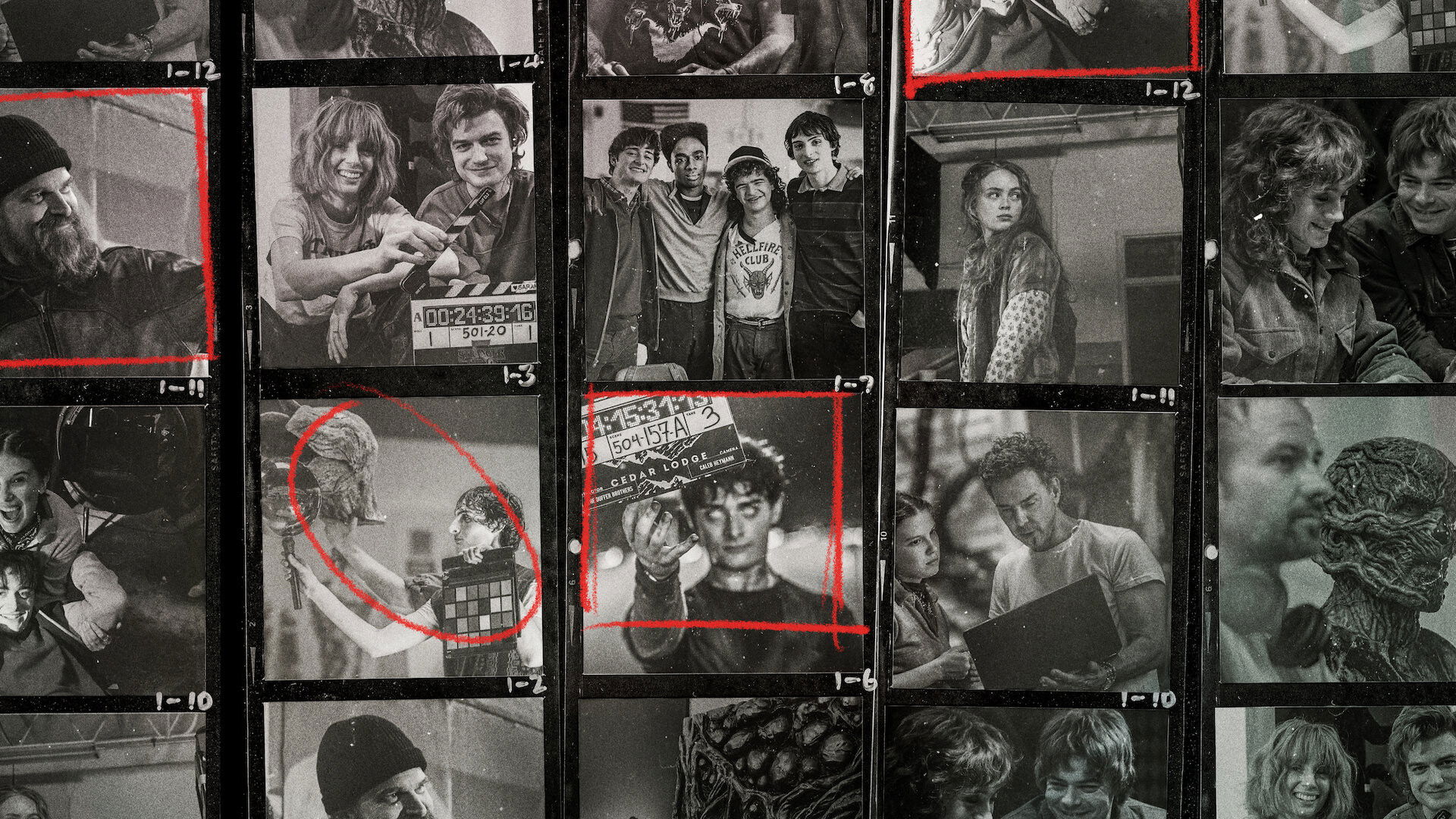
- Ensemble Reflection: Rather than centering on star interviews, the documentary distributes focus across the creative ecosystem—from writers to visual effects supervisors to production assistants
The critical reception of 7.7/10 across 53 votes reflects something interesting about how audiences initially engaged with the film. It’s not a score that screams “masterpiece,” and frankly, that’s appropriate. This isn’t a documentary trying to be a grand artistic statement. It’s measured, purposeful, and maybe even deliberately understated—qualities that actually deepen its impact over time. Early viewers often noted its straightforward approach, with some expecting more “secrets” or shocking revelations. But that’s precisely the point: there are no hidden scandals here, just artists doing the hard work of finishing something they started with genuine care.
> The documentary succeeds not because it reveals anything scandalous, but because it treats the act of artistic closure as inherently valuable and worthy of examination.
The timing of its Netflix release (January 12, 2026, making it immediately available after its theatrical premiere) positioned the documentary in an interesting space within contemporary media distribution. It didn’t compete for box office dominance—that was never the point. Instead, it became a companion piece for the streaming generation that had grown up alongside Stranger Things, offering context and emotional resonance for a journey’s conclusion.
What’s genuinely significant here is the documentary’s influence on how the industry approaches the end of major productions. When you release a chronicle of your final season that emphasizes creative intention over commercial potential, you’re making a statement about what television can be. Subsequent productions have taken note. The documentary demonstrated that audiences respond to honesty about endings—they don’t just want the spectacle of a finale; they want to understand the thinking behind it.
The film’s legacy isn’t built on awards or record-breaking viewership numbers. Instead, it exists as a cultural artifact that validates something important:
- Endings deserve respect: The documentary treated the conclusion of Stranger Things not as a commercial obligation but as a creative milestone
- Process matters as much as product: By focusing extensively on how the season was made, it elevated the work of production design, cinematography, and storytelling craft
- Emotional authenticity resonates: In a landscape glutted with manufactured behind-the-scenes content, genuine reflection stands out
The 2h 3m runtime initially seemed like it might test viewer patience—in an age of shorter streaming formats, that’s substantial. Yet the documentary’s pacing justified every minute. There’s breathing room for conversations to unfold, for ideas to develop, for the weight of finishing a major creative work to sink in. That deliberate pacing has influenced how subsequent making-of documentaries structure their approach.
Martina Radwan’s fingerprints are all over what makes this work special. She understood that her job wasn’t to mythologize Stranger Things or its creators, but rather to document a moment of artistic maturity—the point where creators choose completion over continuation. That’s a harder story to tell than a triumphant narrative about success, and she executed it with remarkable subtlety.
Looking back from 2026, One Last Adventure matters because it captured something real about how major cultural properties end, and why that matters. It’s not the most explosive documentary ever made, but it might be one of the most honest. For a generation that grew up with Stranger Things, that honesty feels like exactly the kind of goodbye they deserved.