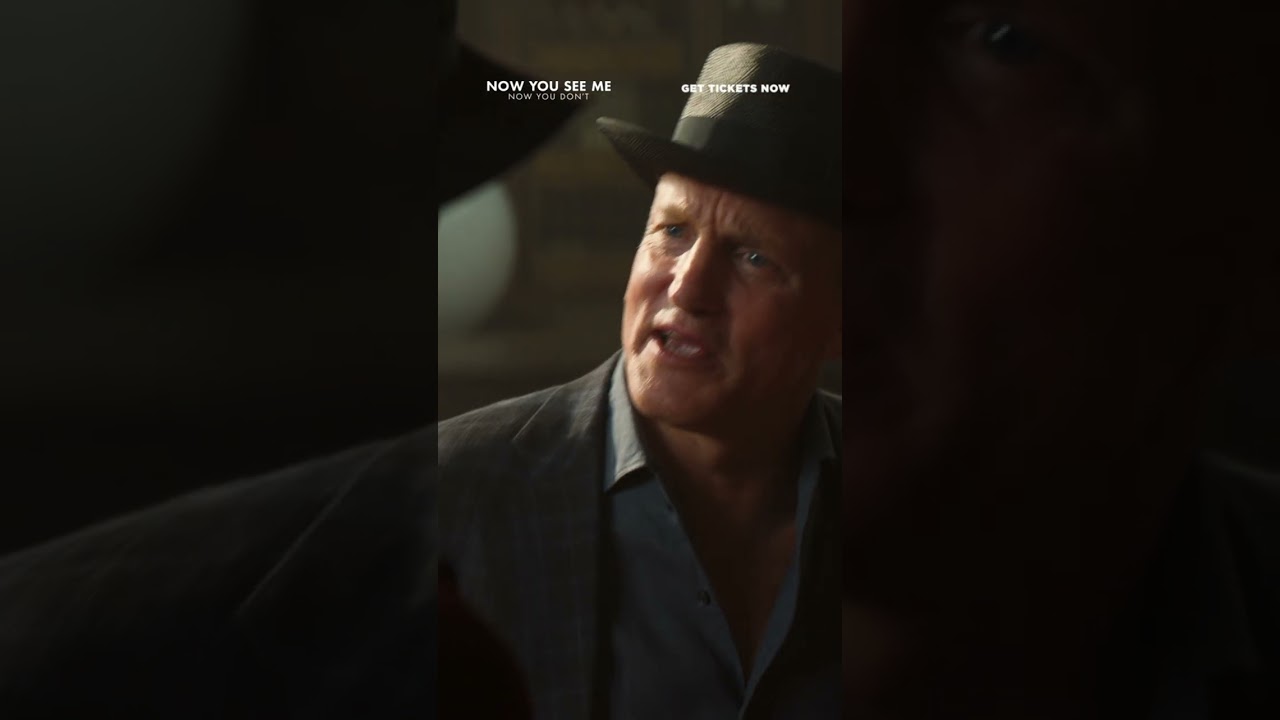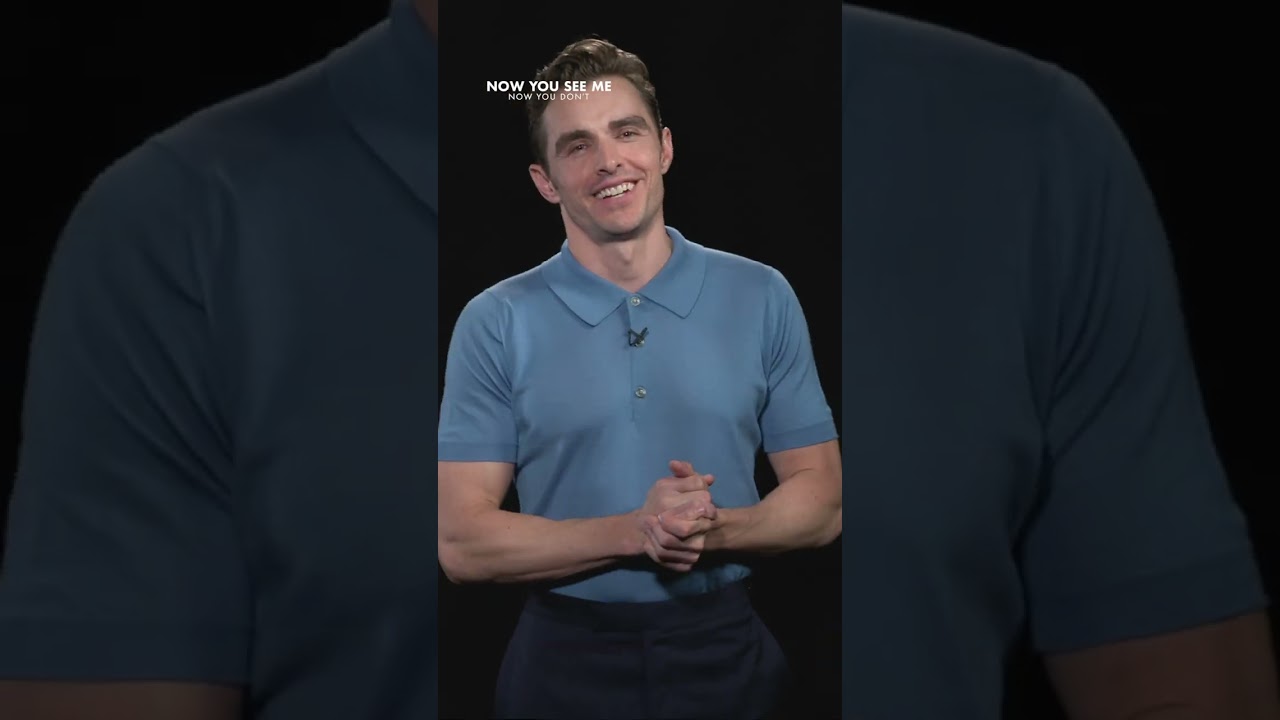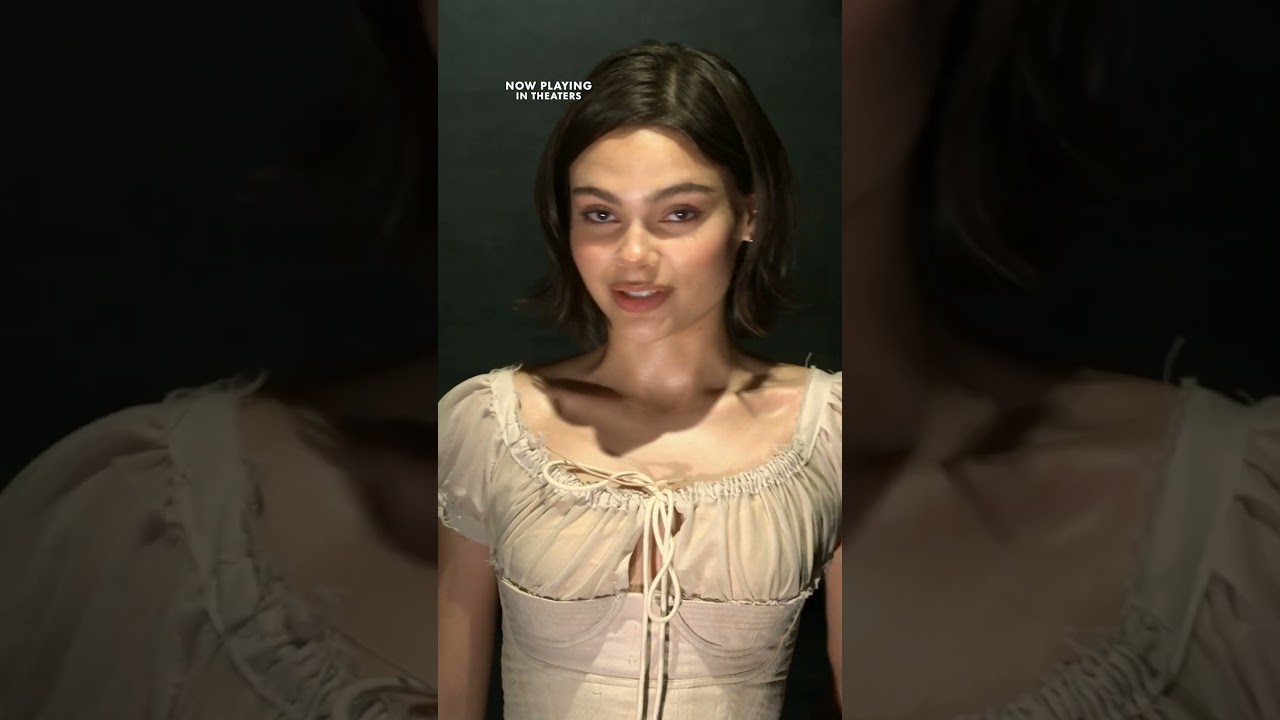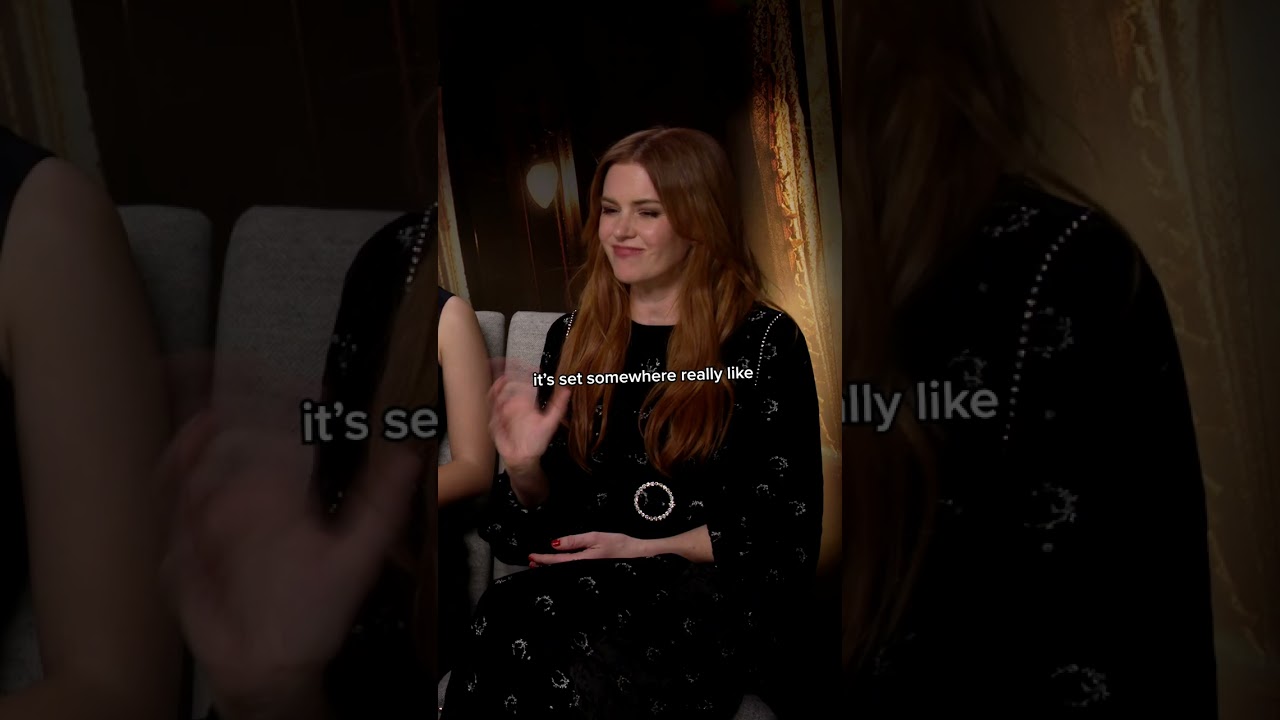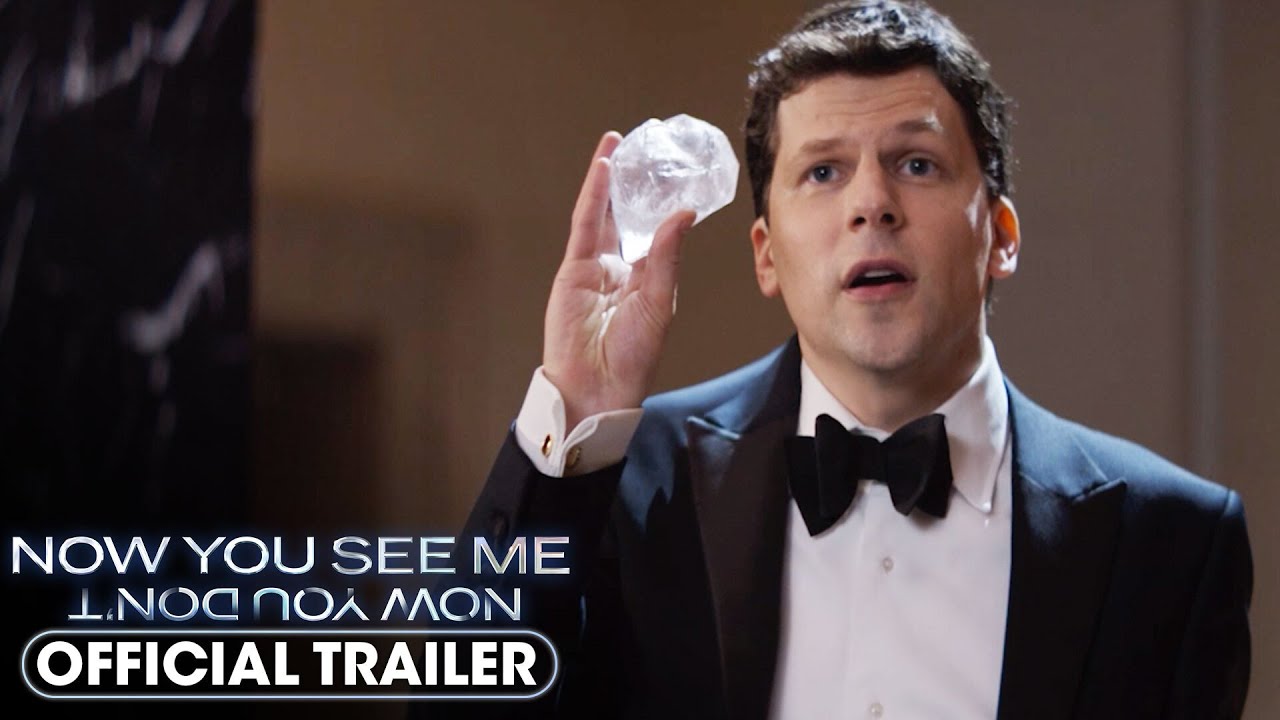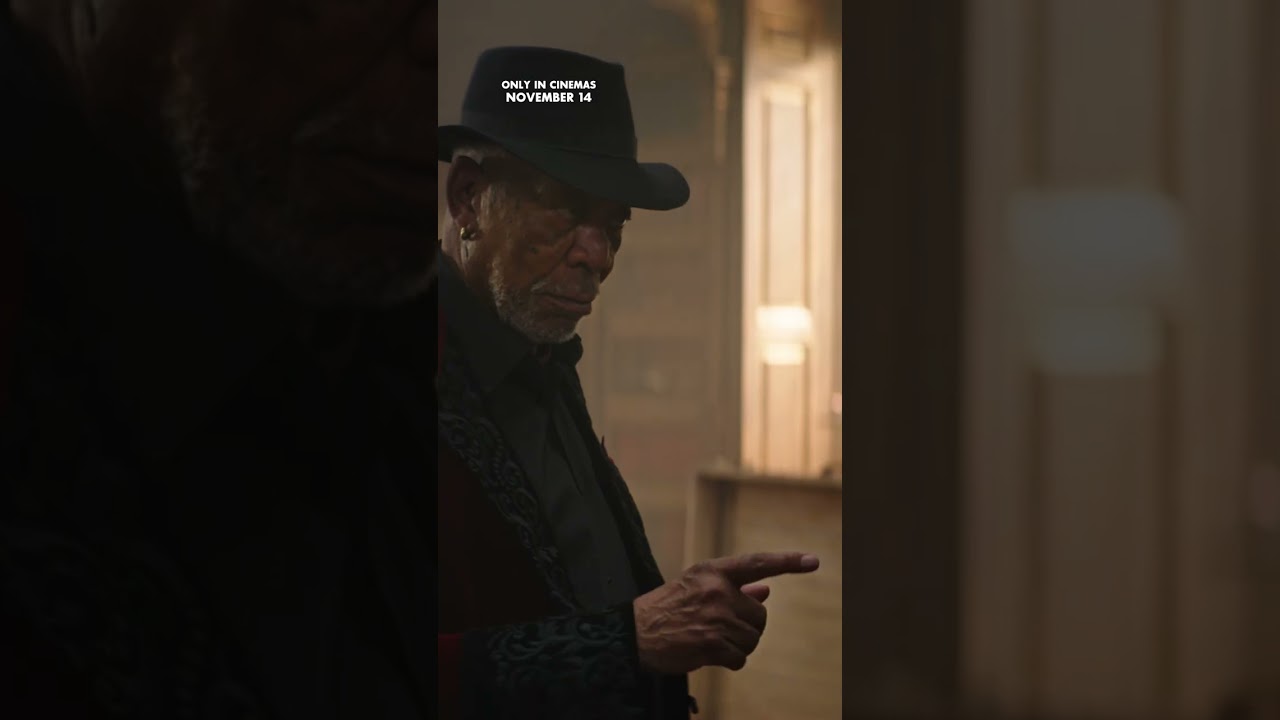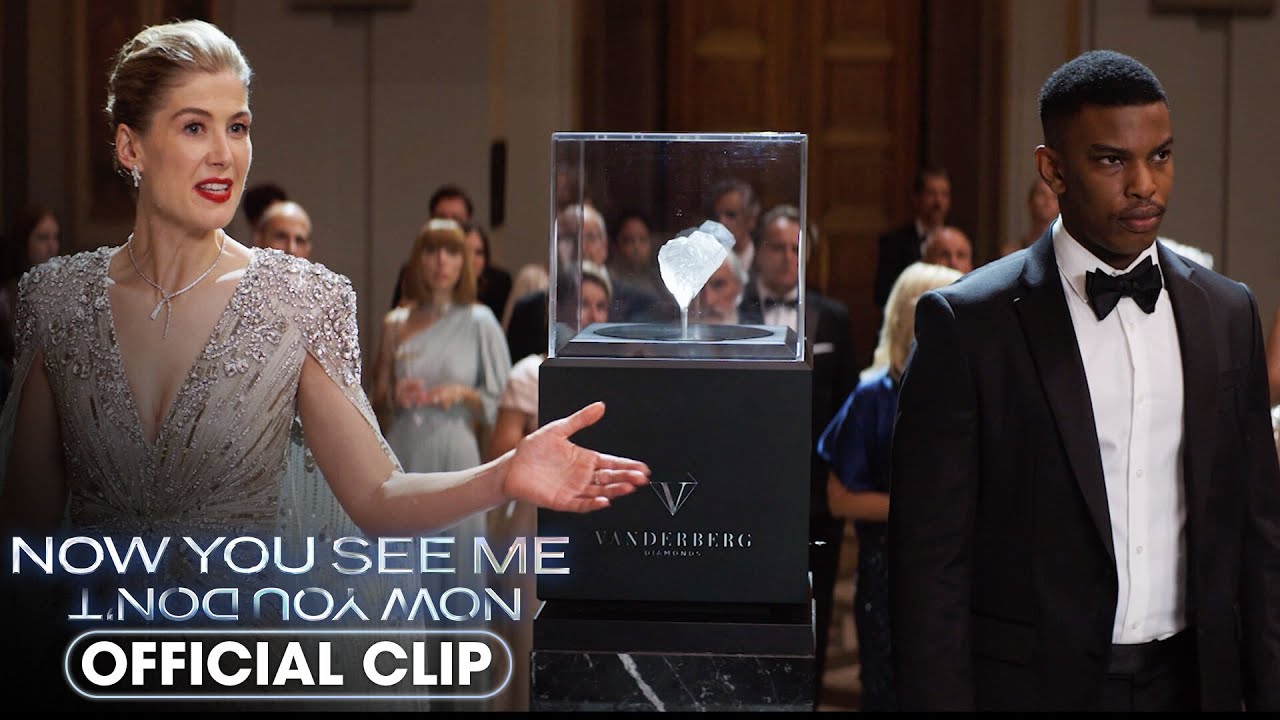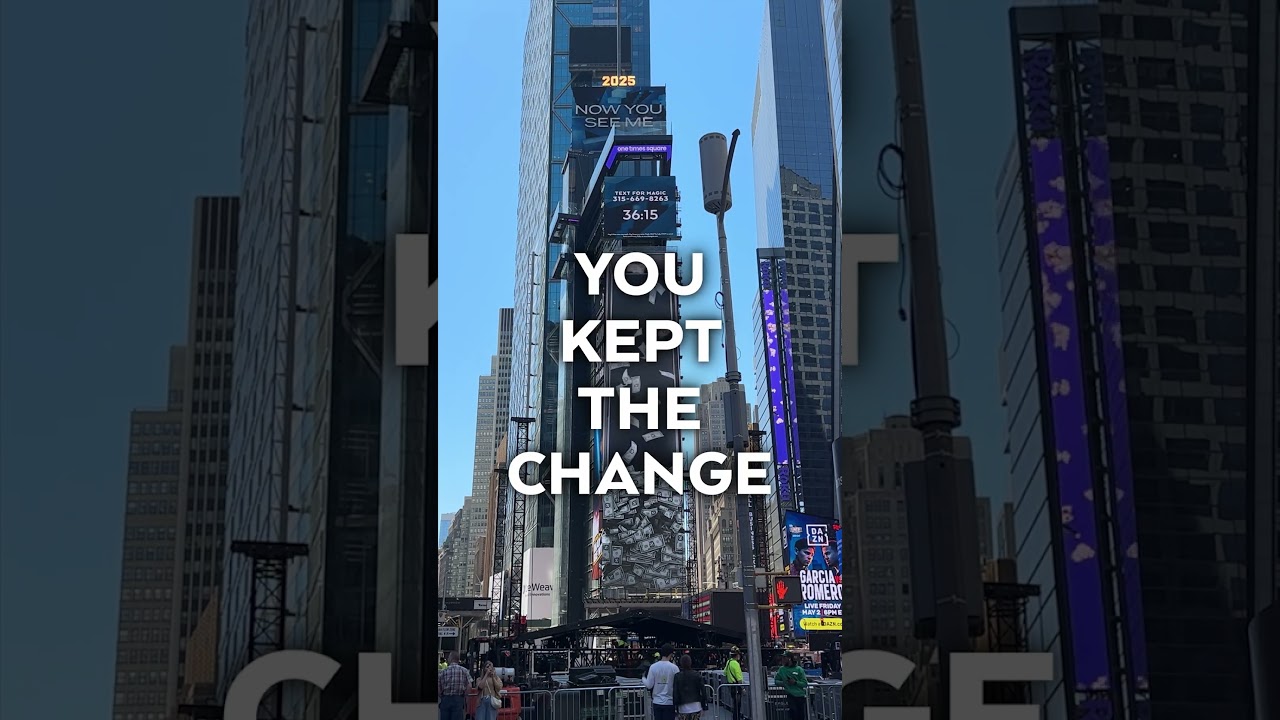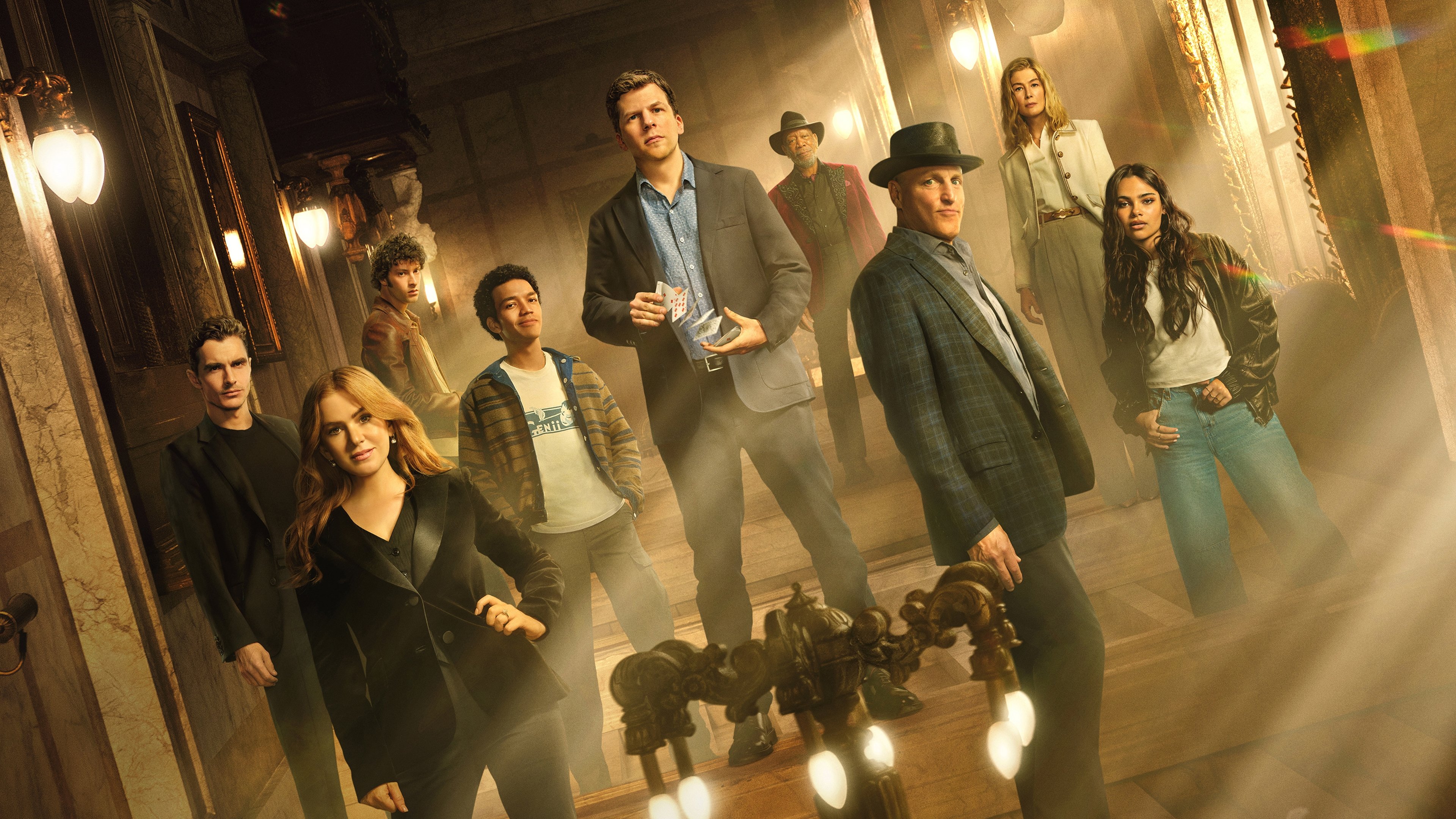
When Ruben Fleischer decided to helm Now You See Me: Now You Don’t, he inherited one of the most commercially reliable franchises in modern cinema—and somehow managed to exceed expectations.
Released in November 2025, this third installment wasn’t just another sequel riding on nostalgia; it became a genuine cultural moment that reminded audiences why the magic heist thriller genre still has real power.
With a $90 million budget that translated into nearly $240 million at the worldwide box office, the film didn’t just recoup its investment—it made a statement about the enduring appeal of mystery, spectacle, and intelligent entertainment.
The financial success tells part of the story, but the real significance lies deeper. Here’s what made this film resonate:
- A franchise that keeps evolving – Rather than rehashing formulas, Fleischer understood that audiences craved something fresh within familiar territory
- The perfect balance of spectacle and substance – A 1 hour 53 minute runtime that respects viewer attention spans while delivering maximum impact
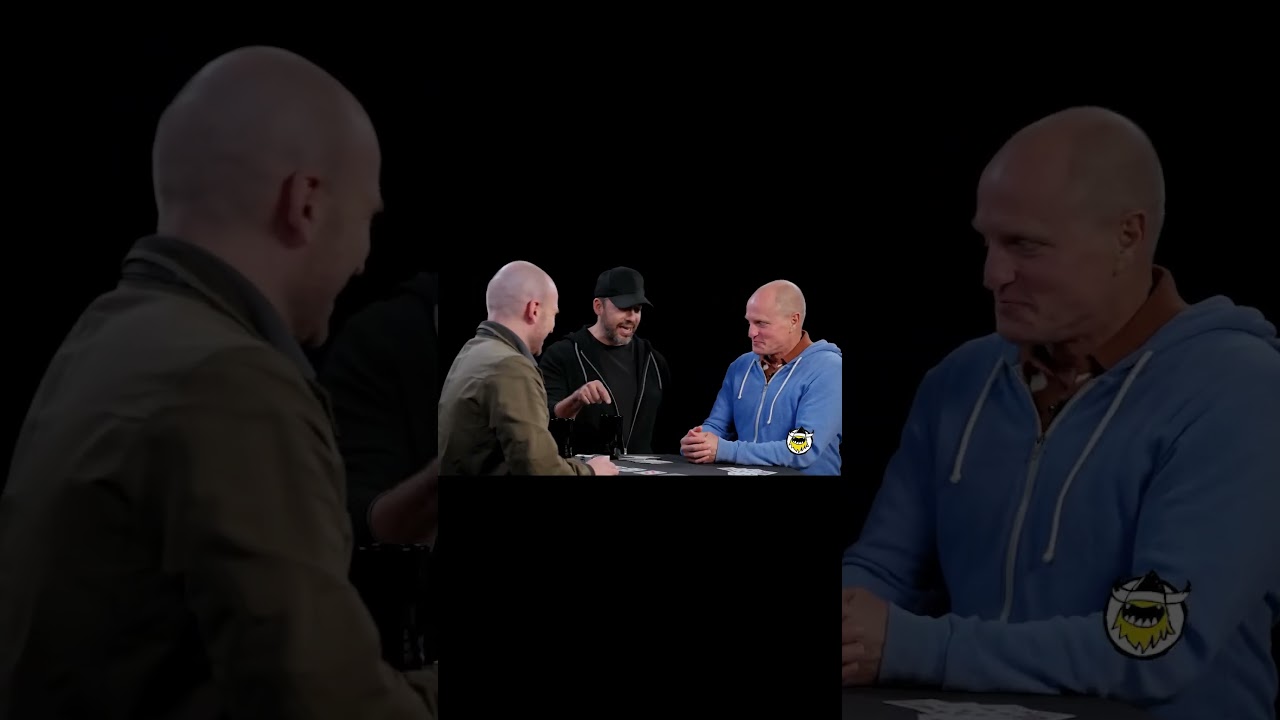
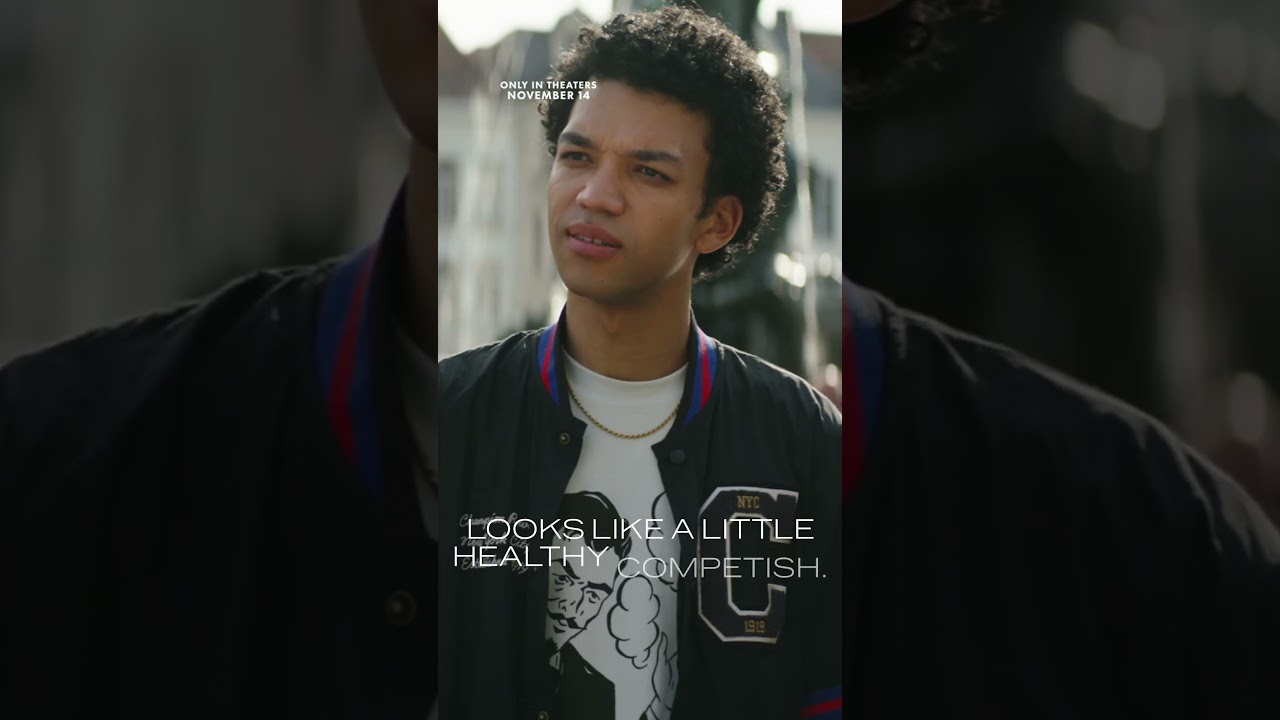
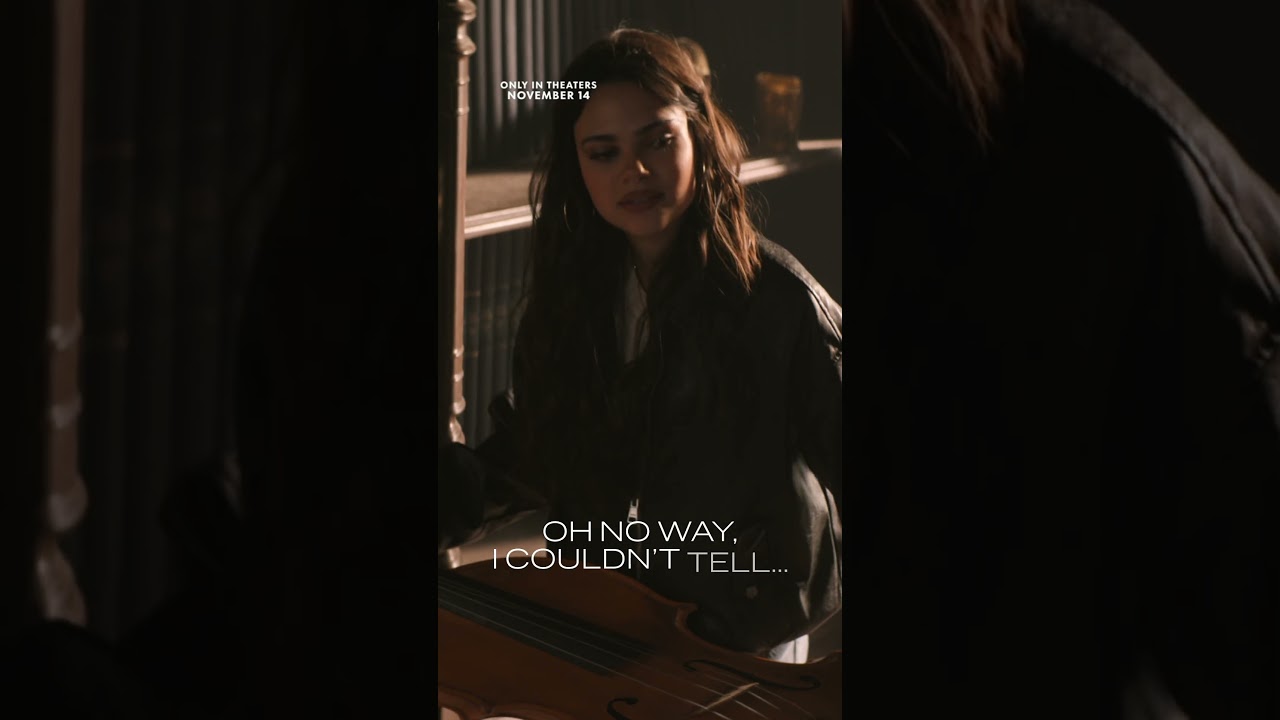
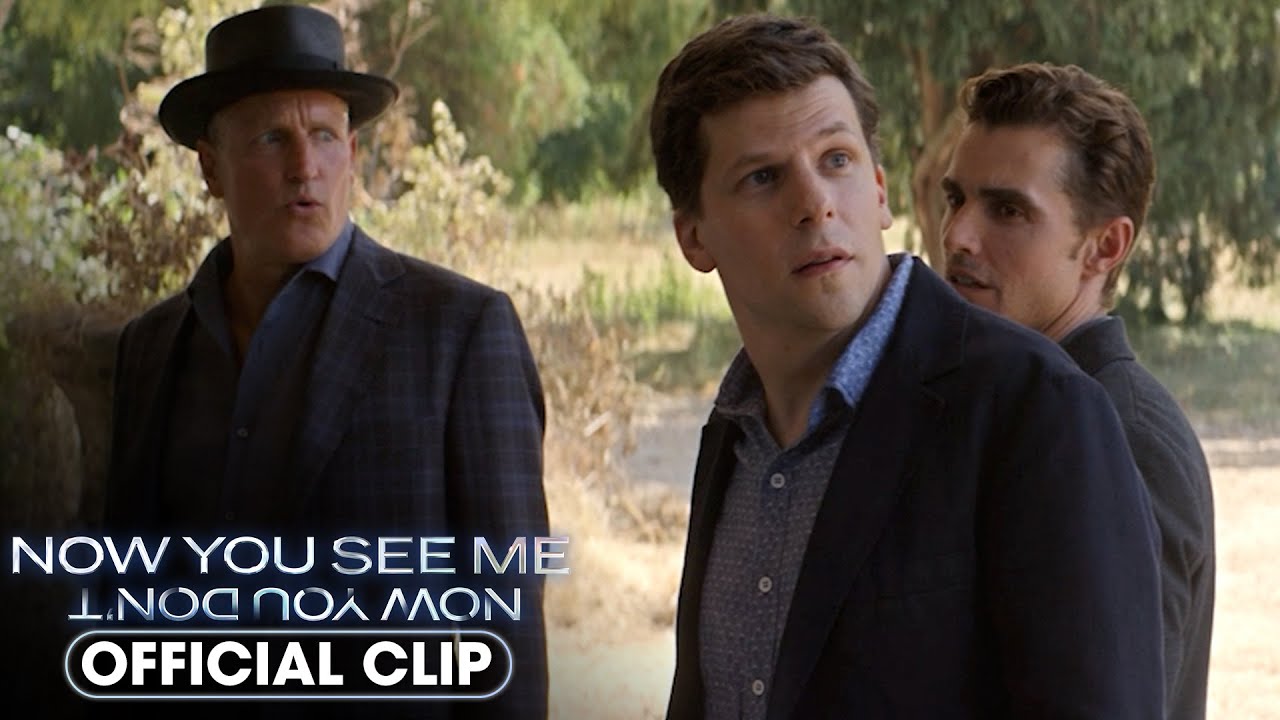
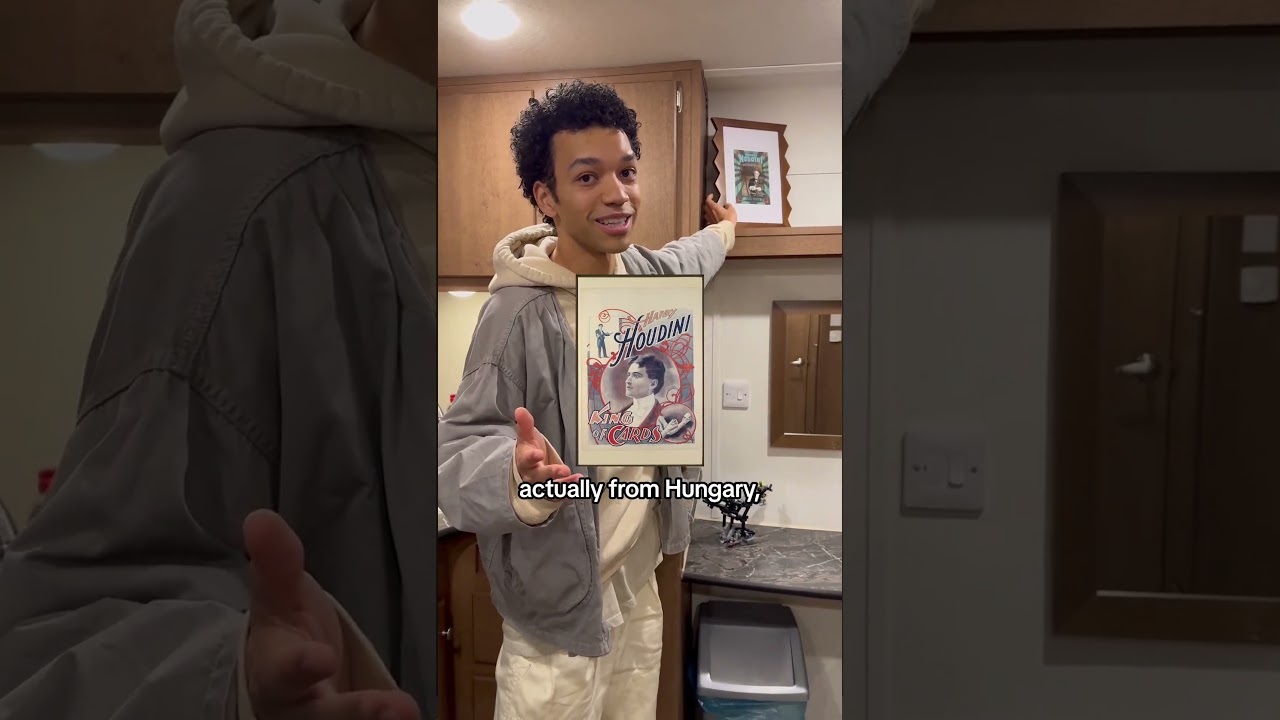
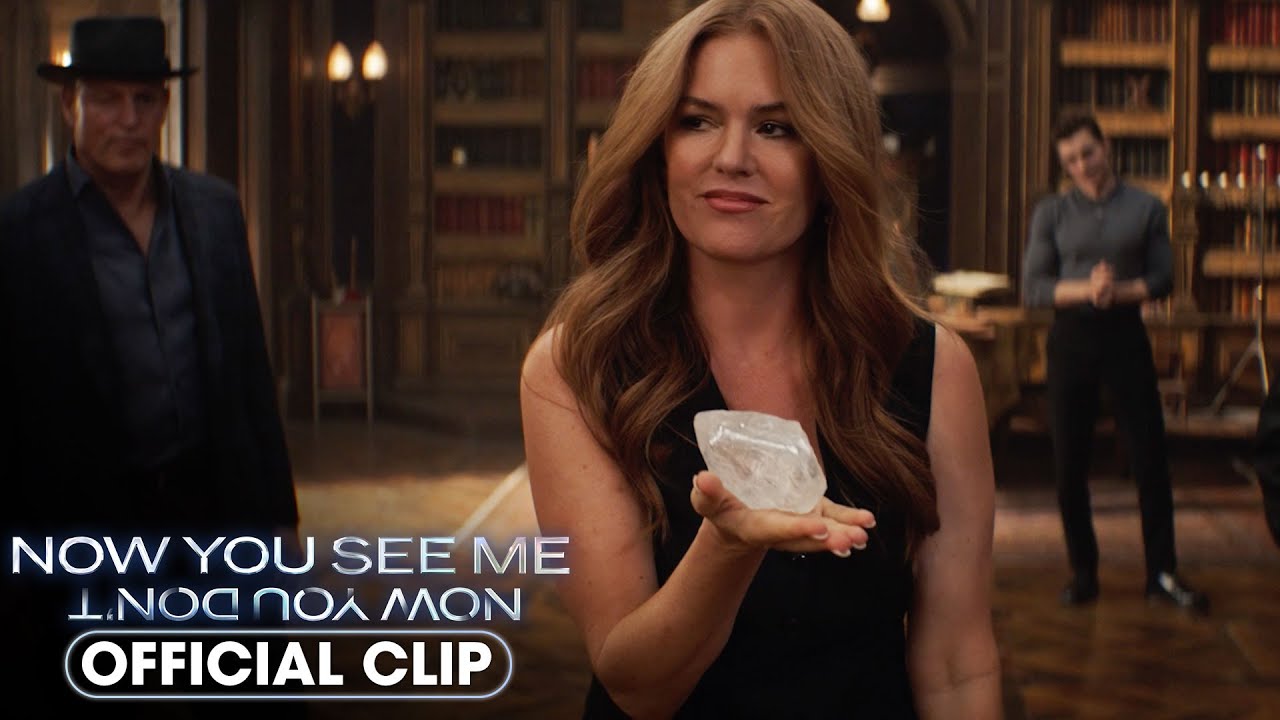
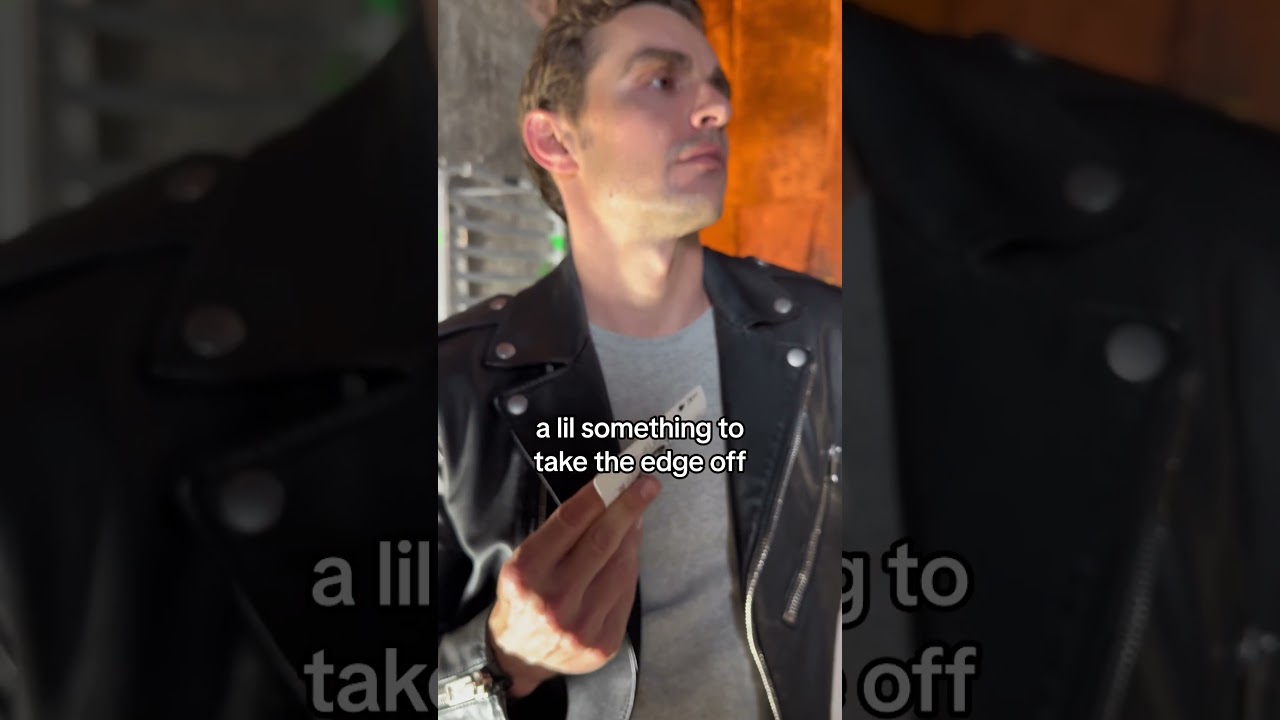
- Cast chemistry that elevated every scene – Jesse Eisenberg, Dominic Sessa, and Ariana Greenblatt created genuine dynamics that felt earned, not forced
The magic wasn’t just in the illusions on screen—it was in how Fleischer convinced audiences that a third entry in a franchise could still surprise them.
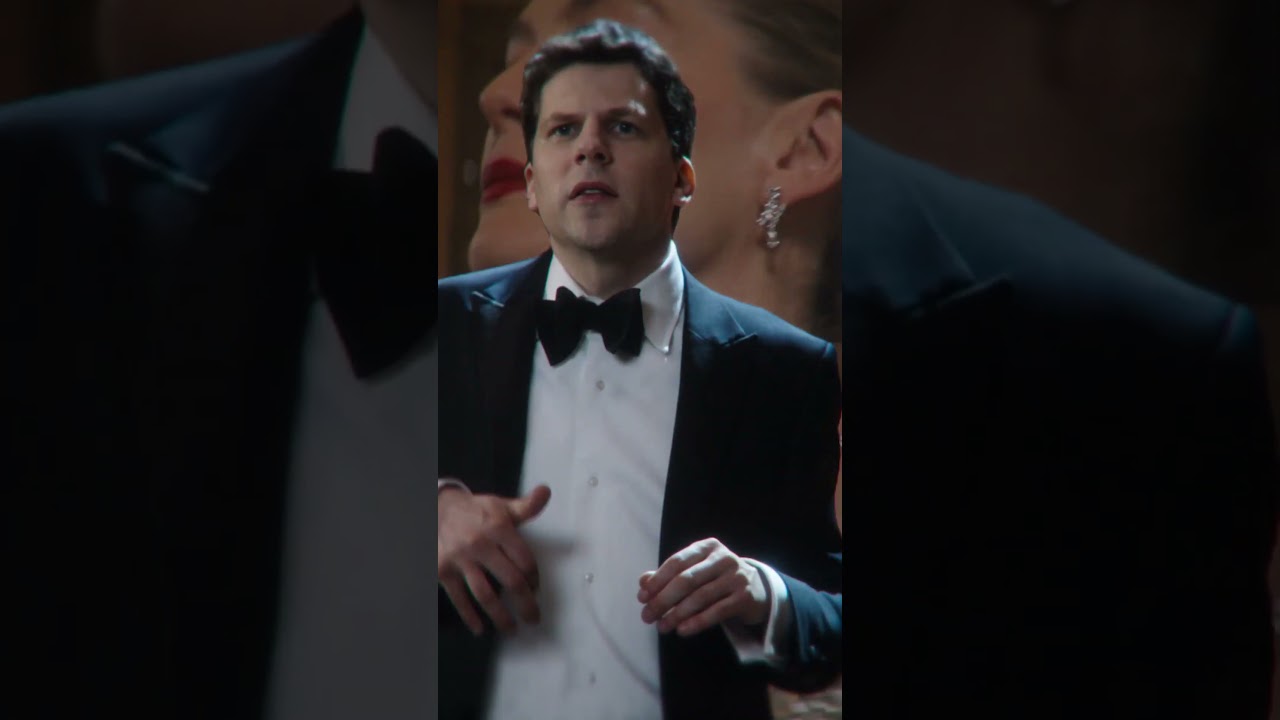
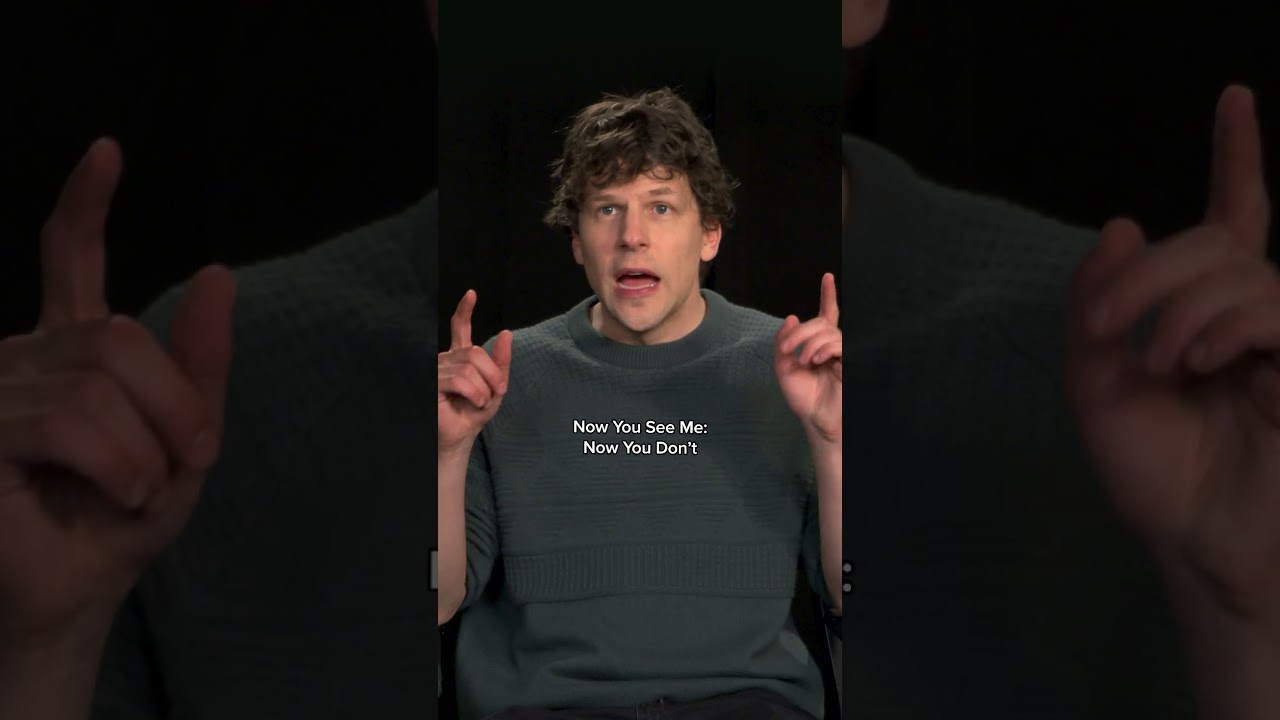
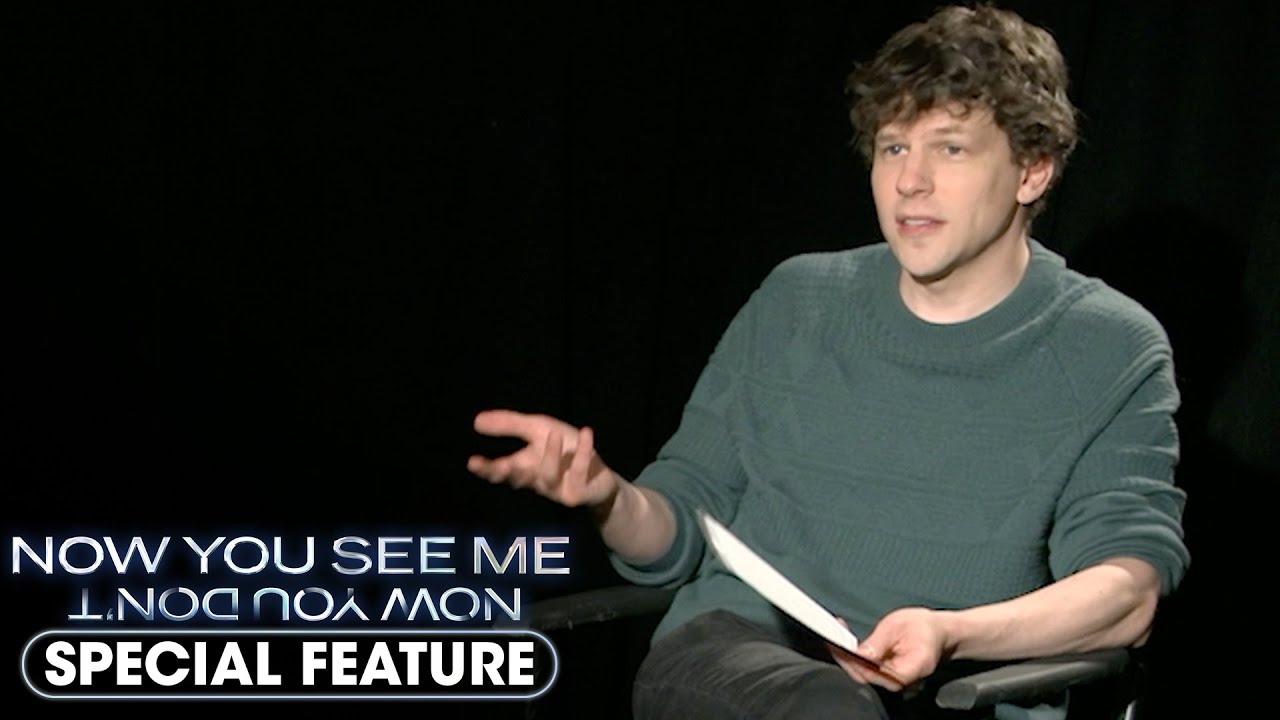
Jesse Eisenberg returned as the intellectual core of the operation, bringing a weariness and wit that suggested a performer who’d genuinely grown with his character. But what’s particularly interesting is how the film wasn’t afraid to pass significant dramatic weight to younger cast members.
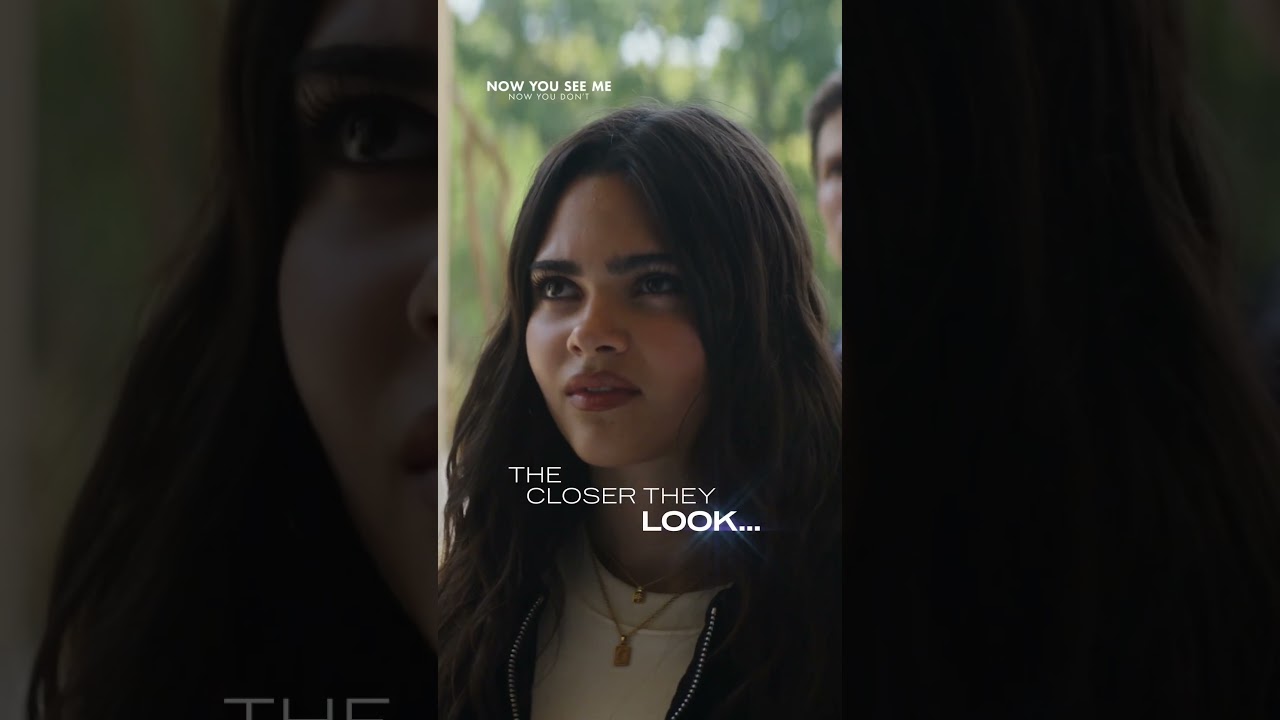
Dominic Sessa, coming off his breakout in The Iron Claw, proved he could hold his own against established talents, bringing vulnerability to what could’ve been a one-dimensional role. And Ariana Greenblatt—a actor who’d been building momentum across major franchises—finally got material that let her shine as more than just a supporting presence.
The critical reception, hovering around 6.6/10, might seem like a red flag to some analysts. But here’s the thing about magic heist thrillers: critics often approach them with different criteria than audiences do.
What seemed like minor narrative stumbles to reviewers mattered far less to the moviegoing public, who came for the craft, the twists, and the sheer fun of being outsmarted. That $239.8 million against the $90 million budget speaks volumes—this was a film that connected viscerally, regardless of critical gatekeeping.
The legacy Now You See Me: Now You Don’t carved out is particularly interesting when you examine its place in the broader thriller landscape:
- Proved franchise fatigue isn’t inevitable – Studios had been nervous about bringing back established franchises post-pandemic, but this film showed audiences still crave carefully crafted continuations
- Demonstrated that spectacle requires intelligence – The film earned its visual moments through actual storytelling, not just CGI bombast
- Normalized ensemble casts in mystery narratives – Rather than centering everything on one protagonist, Fleischer built a genuinely collaborative narrative
“Unlock the illusion” was more than just marketing—it became the film’s thematic north star, suggesting layers beneath the surface that rewarded attentive viewers.
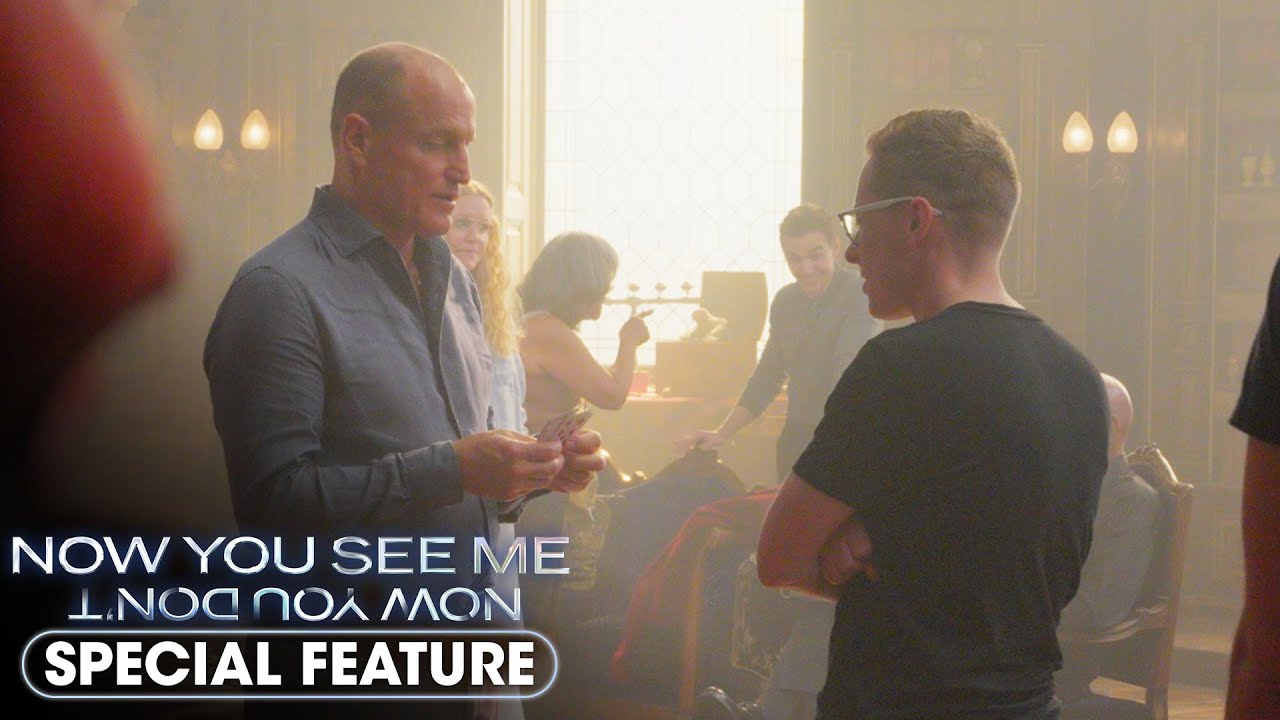
What’s particularly worth noting is how Fleischer’s directorial sensibility managed to feel contemporary without chasing trends. He brought the same visual clarity and rhythm that made his earlier work accessible, but combined it with the sophisticated misdirection that the Now You See Me franchise demands. He understood that in a heist story, the audience’s attention is currency—and he spent it wisely, creating set pieces that were genuinely immersive rather than just impressionistic.
The film’s success also highlighted something producers and studios needed to hear: quality matters. This wasn’t a cynical cash-grab riding on a familiar title. The production design, cinematography, and puzzle-box plotting all felt genuinely considered. When you’re spending $90 million, audiences can sense whether that money was spent thoughtfully or recklessly, and this film chose the former path.
From a cultural standpoint, Now You See Me: Now You Don’t arrived at a moment when audiences were starving for cinema that trusted them. A thriller that doesn’t condescend, a heist film that demands attention, and an ensemble that genuinely works together—these became increasingly rare commodities.
The film’s presence in 2025’s top 20 highest-grossing features wasn’t accidental; it was the result of Fleischer and his collaborators understanding that modern moviegoing audiences want to be engaged, not just distracted.
Looking forward, this film will likely influence how studios approach existing franchises. The lesson here isn’t just “make sequels”—it’s “make sequels that justify their existence.” Sessa, Greenblatt, and Eisenberg proved that ensemble chemistry, when genuinely nurtured, becomes its own form of magic.
And Fleischer demonstrated that thrills, mystery, and character development aren’t mutually exclusive—they’re actually the perfect ingredients for cinema that lasts beyond opening weekend conversations.