When Nobody 2 premiered in August 2025, it arrived at an interesting moment for action cinema. The film wasn’t trying to reinvent the wheel—it knew exactly what it was, and that kind of clarity is increasingly rare in a blockbuster landscape often chasing trends. Director Timo Tjahjanto, the Indonesian filmmaker known for his visceral action sensibilities, brought a brisk confidence to this follow-up, delivering something lean and purposeful. At just 89 minutes, the film respects the audience’s time in a way that feels almost radical compared to the three-hour spectacles that dominate multiplexes. It’s a deceptively simple approach that reveals itself as a strength the more you think about it.
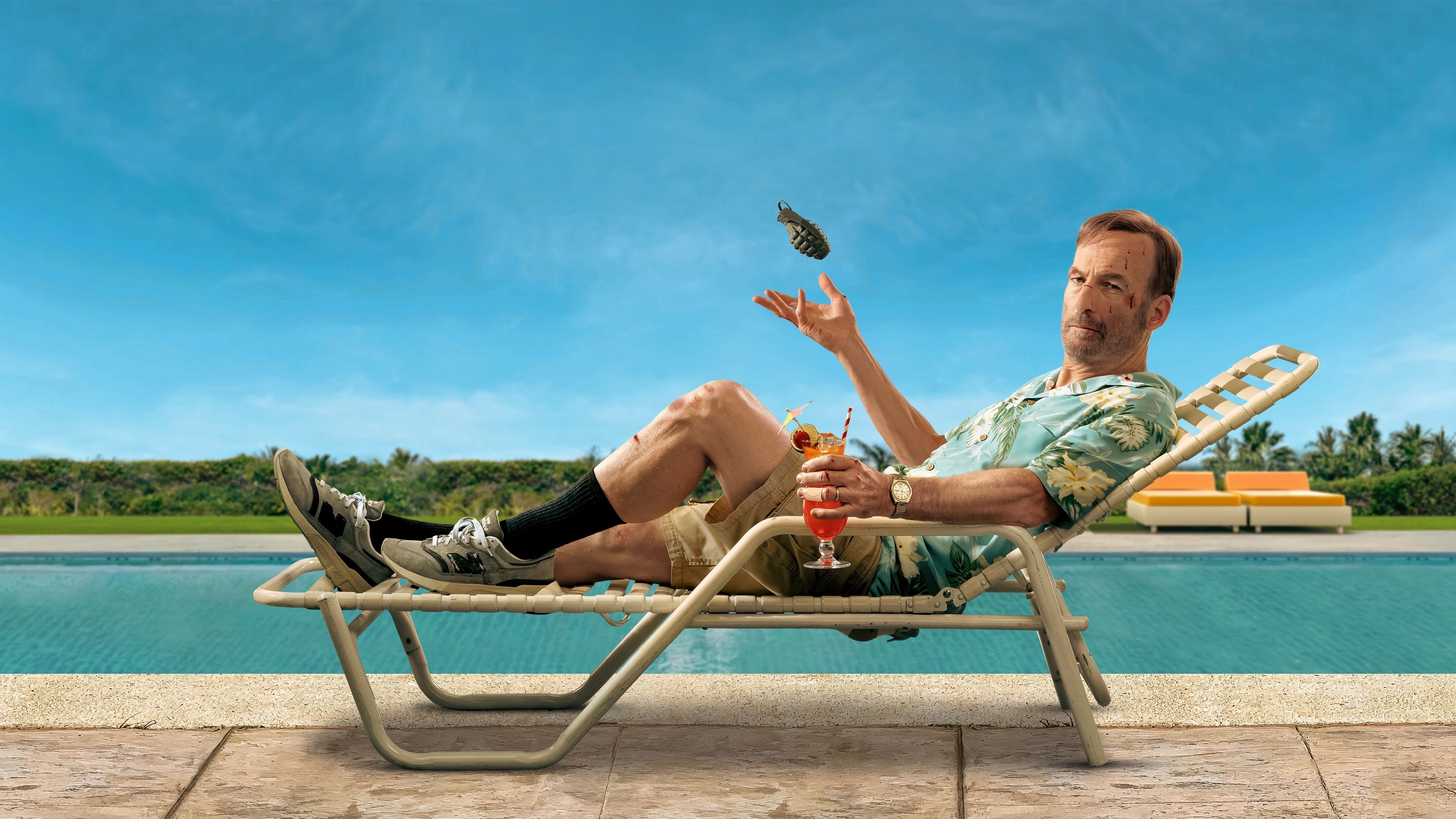
The premise itself—a retired assassin’s vacation gets interrupted by chaos, prompting the tagline “Nobody ruins his vacation”—is refreshingly straightforward. Bob Odenkirk returns as the titular Nobody, and here’s where the casting becomes genuinely interesting. Odenkirk isn’t a traditional action star. His background in comedy and prestige television (Better Call Saul) means he brings a wry, weathered quality to violence. He’s not playing invincible; he’s playing someone tired who reluctantly gets back into an old game. Supported by Connie Nielsen and John Ortiz, the cast creates an ensemble dynamic that feels lived-in rather than perfunctory, anchoring the action sequences with actual character stakes.
> The film proved that sequels don’t need bloated budgets or runtime to justify their existence—sometimes efficiency is its own kind of statement.
Looking at the business side, Nobody 2 deserves recognition for its financial pragmatism. On a $25 million budget, the film grossed $41.6 million worldwide, which might not sound spectacular until you remember that not every action sequel gets made for that kind of lean investment. The opening weekend of $9.4 million was modest—it arrived while other films like Weapons dominated the box office conversation—but the film found its audience gradually. That’s significant because it suggests the sequel had genuine word-of-mouth momentum rather than relying on opening-weekend hype. In an era where front-loaded marketing and massive opening weekends define success metrics, Nobody 2 took a different path.
The critical reception hovering around 7.0/10 tells you something important about the film’s position in cinema. It’s not being hailed as a masterpiece, but it’s clearly competent and entertaining—exactly what you’d want from a mid-budget action thriller. Critics seemed to appreciate what Tjahjanto was doing without losing their heads over it. The rating reflects honest engagement rather than dismissal, which in the current landscape means the film earned genuine respect from both audiences and those who analyze them for a living.
What makes Nobody 2 culturally significant is smaller than monumental, but no less real:
- The proof of concept: It demonstrated that action cinema can thrive without superhero franchising or massive IP attachments
- Director voice in genre filmmaking: Tjahjanto’s specific sensibilities—sharp editing, committed choreography, understanding spatial geography—remain visible throughout
- The veteran action hero archetype: Odenkirk’s exhausted professionalism offered a counterpoint to younger action stars, expanding what “believable hero” could mean
- Efficient storytelling: The runtime became a feature, not a bug—a statement about respecting viewer attention
The film’s legacy might lie precisely in how unpretentious it was. Here was a movie that didn’t try to expand into a cinematic universe, didn’t claim to be more than it was, and succeeded on those terms. In a film landscape obsessed with sequels, prequels, and interconnected narratives, Nobody 2 simply made a good action thriller and let that suffice. That restraint matters.
Tjahjanto’s collaboration with his cast and the production team at Universal Pictures and 87North Productions produced something that felt crafted rather than assembled by committee. The pacing suggests a filmmaker who understood how to build momentum through character rather than just spectacle, and the ensemble—including Nielsen and Ortiz’s supporting work—provided texture that elevated what could have been routine.
The film’s influence on subsequent action filmmaking might be subtle, but it’s there. It proved that audiences still show up for straightforward action cinema when it’s executed with intelligence and efficiency. Following the release, the conversation around mid-budget action films shifted slightly; producers began asking how they could do more with less, how they could emphasize character and clarity over scale and complexity. That’s not revolutionary, but it’s a course correction worth acknowledging.
What endures about Nobody 2 is its refusal to apologize for being exactly what it claimed to be. It’s a vacation that gets ruined, a man who gets pulled back into violence, and a story told in 89 minutes without filler or false profundity. In that simplicity lies a kind of integrity that resonates more deeply the further we get from its release.