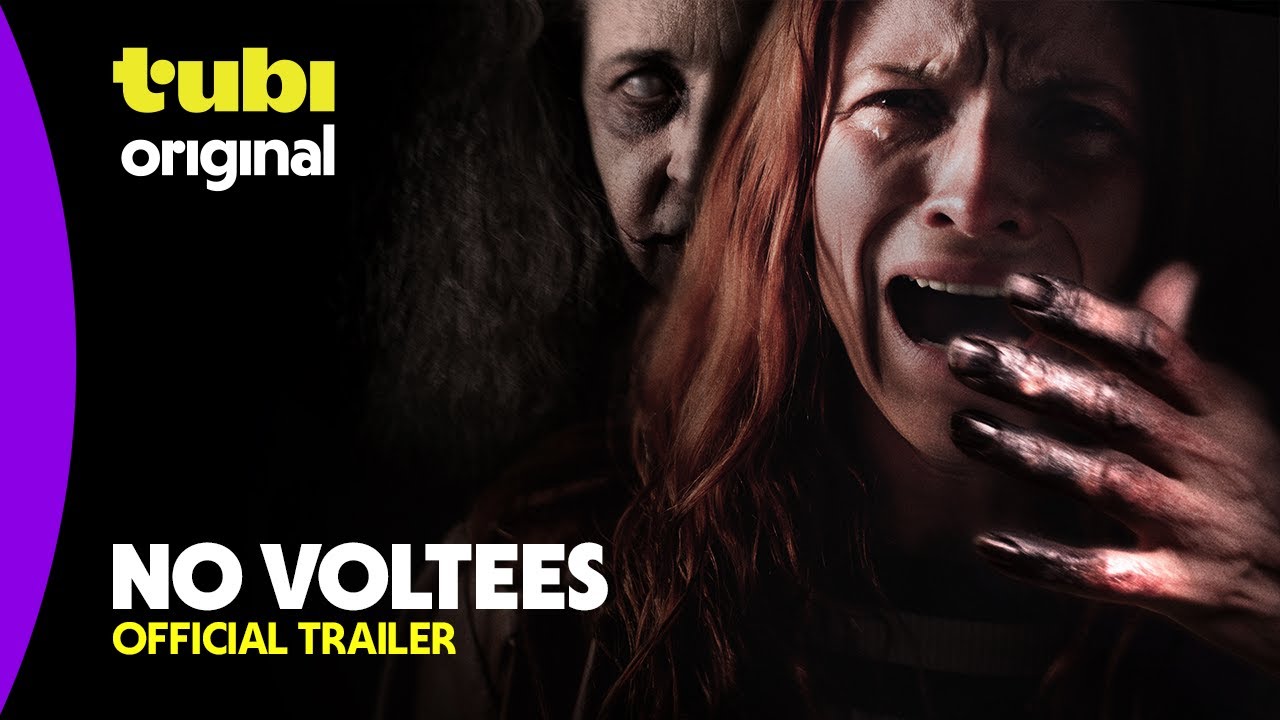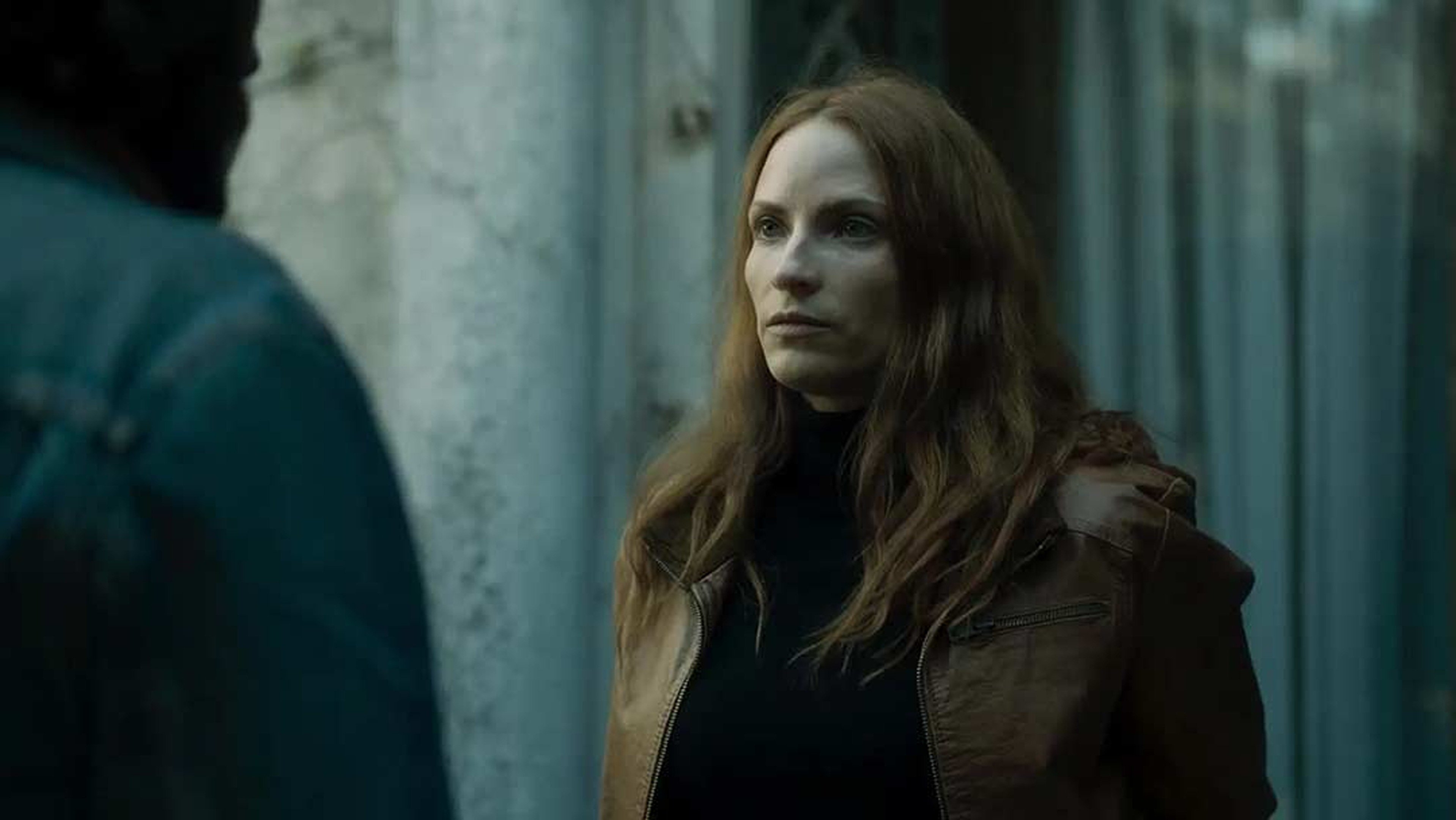
There’s something quietly compelling about a horror film that arrives without fanfare, positioned outside the usual award season machinery that’s currently dominating cinematic conversations. No Voltees, scheduled to release on February 26, 2026, represents exactly that kind of project—one that operates on its own wavelength, helmed by director Alejandro Hidalgo and featuring a cast that includes Paulette Hernández, Alan Alarcón, and Lucero Trejo. While the industry’s attention remains fixated on prestige dramas and feel-good narratives that swept recent award ceremonies, this compact horror effort is quietly building anticipation for audiences seeking something with genuine teeth.
What makes No Voltees particularly intriguing is its positioning within the horror landscape at a moment when the genre continues to prove itself as a legitimate space for artistic expression and cultural commentary. Hidalgo brings a directorial vision to this 1-hour-35-minute feature that suggests restraint and intentionality—not every filmmaker understands that sometimes the most effective scares come from what you don’t show. With a production from Cimarrón Cine, this is a project rooted in a specific creative ecosystem, suggesting a filmmaker with clear thematic priorities rather than studio compromise.
The ensemble cast is particularly noteworthy here. Hernández, Alarcón, and Trejo collectively bring the kind of grounded authenticity that horror desperately needs when it’s working at its best. These aren’t names that typically carry franchise baggage or overwhelming star power—which actually works in the film’s favor. Horror often thrives when audiences engage with characters rather than celebrity personas, allowing the tension to build organically rather than being mediated through preexisting actor mythology.
The absence of pre-release hype doesn’t diminish potential impact; sometimes the most provocative films arrive as surprises rather than spectacles.
What we’re looking at with No Voltees is a film that will be released into a marketplace saturated with franchise entries and calculated algorithm-friendly content. That positioning actually offers a unique opportunity. This is the kind of project that builds word-of-mouth momentum organically, where early audiences become advocates precisely because they discovered something that wasn’t aggressively marketed toward them. In 2026, when streaming platforms and social media create both incredible visibility and constant noise, there’s genuine power in a film that lets its content speak first.
The title itself warrants consideration. “No Voltees”—suggesting something irreversible, a threshold crossed that cannot be undone—hints at thematic territory that goes beyond surface-level scares. This could be exploring:
- Existential dread and the consequences of transgression
- Cultural or personal boundaries and what happens when they’re violated
- Psychological deterioration or the loss of one’s former self
- Commitment to a dark path with no possibility of return
Each of these directions would position No Voltees as something with genuine substance beneath its horror genre classification.
Hidalgo’s creative vision appears grounded in specificity rather than derivative retreading. The horror genre has experienced something of a renaissance over the past decade, with filmmakers like Ari Aster, Karyn Kusama, and others proving that the form can accommodate complex character work, thematic sophistication, and genuine scares simultaneously. There’s no reason to believe that No Voltees, arriving in early 2026, won’t contribute meaningfully to that ongoing conversation about what horror cinema can achieve when treated as a serious artistic medium.
The modest runtime actually suggests confidence in storytelling economy. Not every narrative requires two-plus hours to land its impact; some of the most effective horror operates in compression, building claustrophobic intensity through precise pacing and focused narrative architecture. A 95-minute horror film from a director with clear vision can often outpace overextended efforts that mistake runtime for depth.
Currently sitting at a 0.0/10 rating on review aggregators—which is simply a function of the film not yet having been released and reviewed—No Voltees exists in that fascinating pre-release space where potential hasn’t yet collided with critical and audience response. That blank slate is actually valuable. It means conversations about the film will be shaped by what Hidalgo has actually created rather than by expectations management or pre-established critical consensus.
The film’s positioning within the broader 2026 cinematic landscape is worth considering as well. While prestige dramas and big-budget spectacles continue capturing the industry’s attention and accolades—as evidenced by recent award season coverage—there’s always room for genre cinema to operate as genuine artistic expression. Horror, in particular, has consistently proven its ability to process cultural anxieties and psychological truths in ways that more “respectable” genres sometimes shy away from.
What truly matters about No Voltees isn’t predicting its commercial performance or award recognition. What matters is that Alejandro Hidalgo has created a work of horror cinema that’s clearly grounded in intent and vision, featuring a cast committed to bringing authentic presence to the material. That combination—focused direction, committed performances, and thematic coherence—is precisely what elevates horror from exploitation to art.
When February 26, 2026 arrives and No Voltees reaches audiences, it will be interesting to see whether this quietly assembled film generates the kind of passionate response that transforms it into something people actively discuss and recommend. That’s often how the most interesting films build their legacy—not through awards or opening weekend numbers, but through genuine, organic discovery.