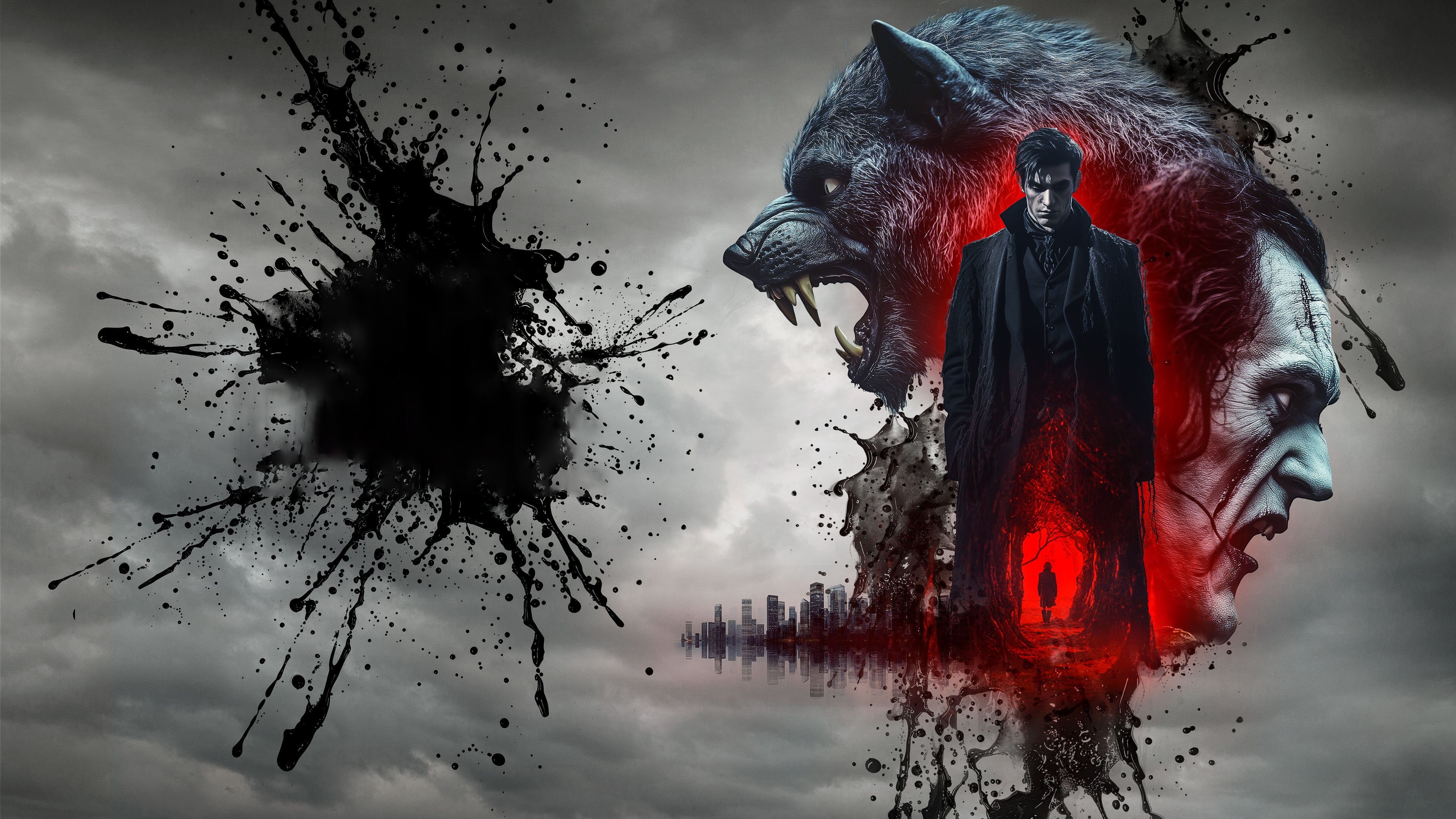
When Night Carnage premiered on July 29th, 2025, it arrived quietly into a landscape already dominated by franchise sequels and streaming debuts. Director Thomas J. Churchill’s lean 80-minute feature—clocking in at just barely over an hour—announced itself not as a blockbuster in waiting but as something more deliberately crafted: a genre experiment that refused to overstay its welcome. That brevity matters. In an era where action and horror films routinely stretch past two hours, Churchill’s decision to tell his story with surgical precision feels almost transgressive.
What makes Night Carnage worth your attention isn’t flashy box office numbers or critical consensus—the film scored a modest 5.8/10 across 62 votes, which tells you something important about how divisive and unmarketable it likely was to mainstream audiences. Instead, what resonates is the collision of creative vision and committed performance that feels genuinely unconventional. Church Hill Productions and Lux Angeles Studios gambled on this blend of action, horror, and romance—a tonal combination that typically doesn’t work—and produced something that at least had the courage to fail interestingly.
The Unusual Alchemy of Genre
The DNA of Night Carnage sits at an intersection where most films fear to tread. Combining action with horror is one thing; adding romance into that mix is another beast entirely. Churchill seemed intent on exploring whether you could build genuine emotional stakes within violence and viscera, whether tenderness could emerge from chaos. It’s the kind of formal risk that rarely connects with audiences searching for clear genre satisfaction, but when it works—even partially—it opens doors that conventional filmmaking keeps locked.
The runtime deserves mentioning again because it’s structural evidence of Churchill’s intent. This isn’t a film padded with exposition or extended sequences designed to milk emotional manipulation. What you get is concentrated, purposeful storytelling that assumes an audience capable of following through suggestion rather than explanation.
Cast as Creative Collaborators
Sadie Katz and Christian Howard carried this project on their shoulders, with Mike Ferguson rounding out a surprisingly intimate ensemble. These are actors with genre credentials—Katz in particular has built a reputation navigating the wilder corners of independent horror and action cinema. What’s significant here is that they’re not slumming in a low-budget production; they’re choosing to work with Churchill on material that demands real physicality and emotional nuance.
The “bloody underworld” these characters inhabit, as the production notes suggest, wasn’t decorated with a massive budget. That constraint likely freed rather than hindered the actors. Without extensive resources, they had to ground their performances in authenticity. Howard’s action work probably carried real weight because it had to. Katz’s presence—described in dispatches as bearing that “wild screen presence” and “bruised-knuckle authenticity”—suggests an actress comfortable in morally complicated spaces where violence and intimacy blur together.
> The film’s real legacy might rest not in immediate box office returns or critical canonization, but in demonstrating that the margins of independent cinema still have room for formal experimentation.
Why the Numbers Don’t Tell the Full Story
Here’s the thing about unknown budgets and unknown box office performance: it usually means a film was made lean and distributed leanly. No massive studio machinery, no four-quadrant marketing campaigns. What this actually reveals is that Night Carnage was created by filmmakers who believed in the material enough to make it anyway, audience projections be damned. That’s either naive optimism or genuine artistic conviction—and frequently, it’s both.
The 5.8/10 rating, spread across 62 votes, suggests the film found its audience but didn’t broaden beyond it. That’s not failure in the way studios measure failure. That’s niche cinema doing what niche cinema does: connecting intensely with those it reaches while remaining invisible to everyone else. Cult films are rarely born from universal acclaim. They’re born from passionate disagreement.
Formal Innovation in the Margins
What Churchill accomplished with his three-act structure, compressed into eighty minutes, speaks to an era where independent filmmakers are learning to work against bloat. The horror-action-romance hybrid demands constant tonal recalibration, which forces both filmmakers and audiences into active viewing. You can’t coast through Night Carnage. The film won’t let you.
The collaboration between Church Hill Productions and Lux Angeles Studios also matters as evidence of how smaller production companies are building networks. These aren’t one-off vanity projects but rather components of emerging ecosystems where directors like Churchill can maintain creative control while distributing through aligned partners.
Legacy and Resonance
Does Night Carnage reshape the landscape of 2025 cinema? Not obviously. Will it win awards or generate franchise sequels? The evidence suggests no. But it exists as proof that unconventional genre blending still finds space in a film landscape increasingly dominated by algorithm-friendly content. It’s a film that asked “what if?” rather than copying “what worked.”
For audiences willing to spend 80 minutes in its bloody, complicated world, Night Carnage offers something rarer than spectacle: the genuine uncertainty of not knowing where a film will take you next. In that sense, Thomas J. Churchill and his cast created something that matters precisely because it refused to matter to everyone.