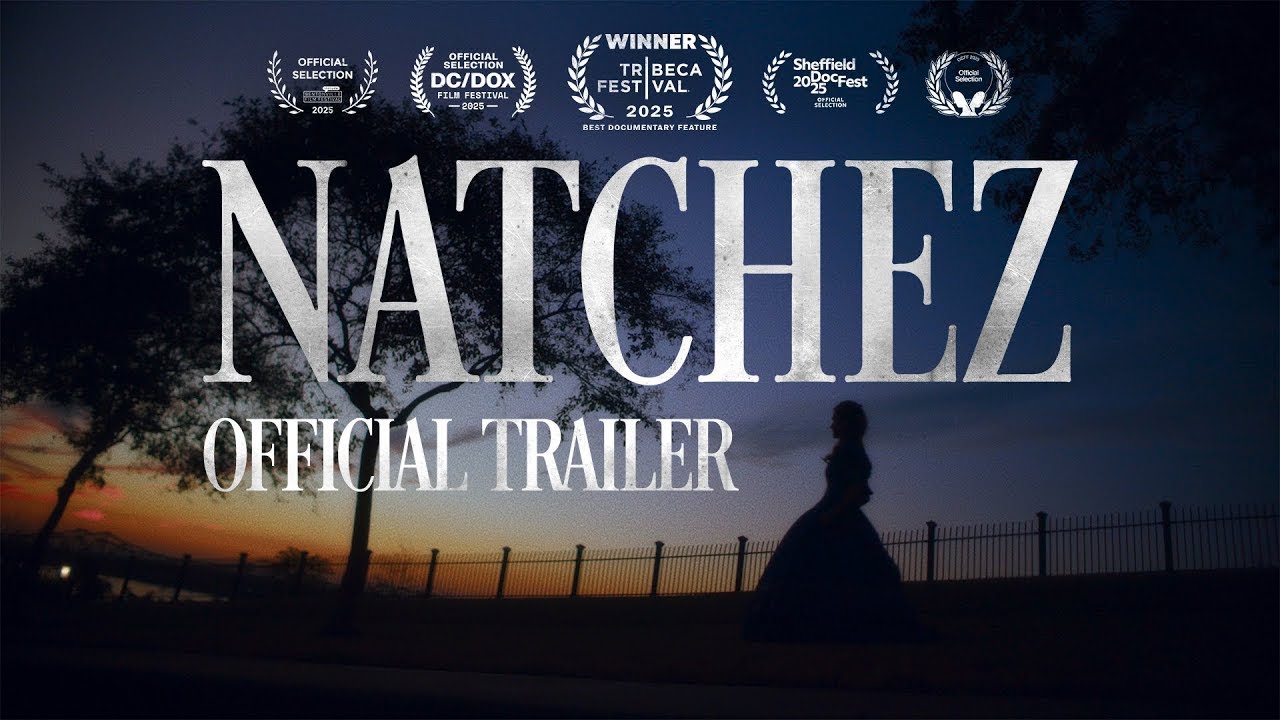
There’s something particularly compelling about a documentary that arrives at just the right cultural moment—when we’re collectively wrestling with questions about history, memory, and reckoning. Natchez, directed by Suzannah Herbert, is set to release on January 30, 2026 at Film Forum in New York City, and everything we’re learning about this project suggests it’s going to spark exactly those kinds of conversations that linger long after the credits roll.
What makes Natchez so anticipated is its ambitious scope and timely focus. The film captures what Herbert describes as an “unsettling clash between history and memory” in the small Mississippi town of Natchez—a place loaded with historical significance, complicated legacies, and the ongoing weight of America’s racial past. This isn’t a straightforward historical recounting; it’s something messier and more honest: a layered mosaic of how real people in a real place grapple with the ghosts that haunt their community. In our current moment, when conversations about historical reckoning have become increasingly urgent and necessary, a documentary willing to sit with that discomfort feels genuinely vital.
Herbert’s creative vision here is particularly noteworthy. She’s not approaching Natchez as an outsider swooping in to “expose” a town’s problems. Instead, her work appears grounded in genuine complexity—acknowledging how the Civil War’s legacy continues to reverberate through the South in ways that are deeply personal and sometimes painfully contradictory. This is the kind of documentary filmmaking that resists easy narratives and simple villains, instead trusting audiences to navigate nuance alongside the people who actually live these histories.
The strength of Natchez seems to lie in its refusal to oversimplify—it’s a documentary that trusts viewers to handle contradiction and complexity.
The production itself speaks to serious intentions. Working with ITVS and Gusto Moving Pictures, Herbert has assembled a project that’s already generating considerable buzz in festival and critical circles. The fact that major distributors like Oscilloscope Laboratories are handling theatrical distribution, rolling out first in New York with a platform release to follow, signals confidence in the film’s resonance and commercial potential. This isn’t a limited-release curiosity—this is a film positioned for genuine reach and conversation.
What’s particularly interesting is the broader ecosystem forming around this film. The 2026 Natchez Literary and Cinema Celebration (scheduled for February 27-28 at The Natchez Convention Center) suggests that Natchez isn’t arriving in a vacuum. Instead, it’s becoming part of a larger cultural conversation about the region, its stories, and its future. When a documentary can catalyze that kind of community engagement and broader dialogue, it transcends the format itself.
The timing of the January 30, 2026 release is worth considering too. This places Natchez squarely in awards season conversation territory, and early indications suggest this is being positioned as Oscar-contending work. Whether or not it captures traditional awards recognition, that positioning reflects how seriously the industry is taking Herbert’s vision. Documentary filmmaking often struggles for visibility and resources; when major studios and distributors rally behind a project, it’s worth paying attention.
Key aspects that signal the film’s potential impact:
- Thematic relevance: A meditation on how communities reckon with historical trauma feels increasingly essential in 2026
- Artistic approach: Herbert’s commitment to capturing complexity rather than imposing narratives creates space for genuine audience reflection
- Distribution strategy: A theatrical rollout suggests confidence in the film’s ability to reach beyond festival circuits
- Regional resonance: The film has clear potential to spark meaningful conversations within the South and beyond
At its core, Natchez represents something we don’t see often enough in documentary cinema: ambitious storytelling grounded in genuine place and genuine people. Herbert isn’t making a film about Natchez so much as with Natchez—capturing how a real community negotiates the weight of history while trying to build futures. That distinction matters enormously.
The 86-minute runtime suggests a focused, purposeful narrative rather than sprawling exposition. That’s smart filmmaking—respecting audience time while still achieving the kind of depth and texture that serious documentary work demands. It’s lean without being rushed, which is a difficult balance to strike.
As we approach the January 30 release, what’s generating real anticipation is the prospect of a film that might actually shift how we talk about the South, memory, and accountability. These conversations aren’t comfortable—they’re not meant to be. But Natchez arrives at a moment when audiences seem increasingly hungry for that kind of unflinching examination. This is documentary filmmaking with stakes, vision, and the serious backing to reach the audiences who need to see it. That’s genuinely worth looking forward to.