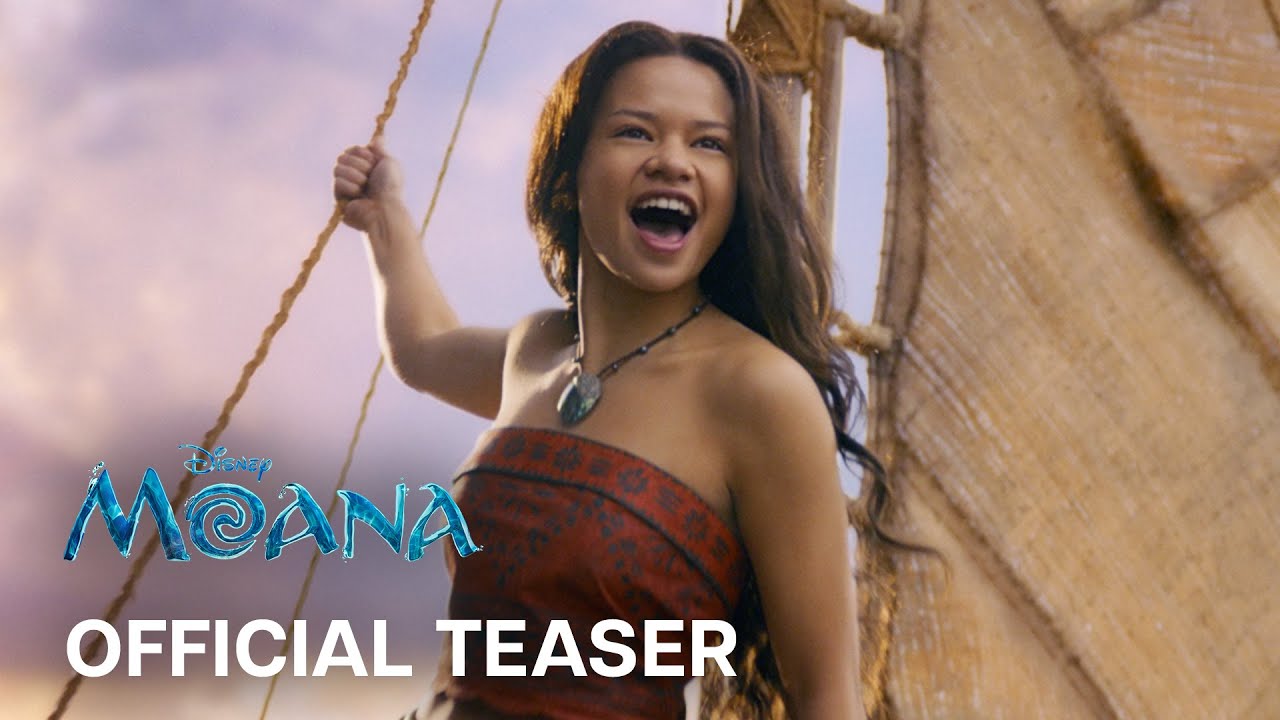
There’s something undeniably intriguing about Disney’s decision to bring Moana into live-action territory. We’re living in a fascinating moment where the studio is willing to take beloved animated properties and reimagine them with real actors, real locations, and real stakes. The live-action Moana is scheduled for release on July 8, 2026, and it’s arriving at a particularly interesting time—right on the heels of the animated sequel’s astronomical success. That’s not coincidence; that’s strategic confidence in the franchise.
Let’s be honest: the bar has been set impossibly high. Moana 2 didn’t just succeed—it became a cultural phenomenon, crossing the $1 billion mark worldwide and proving that audiences still have genuine affection for Moana’s story. The animated films have crafted something special: a narrative about identity, heritage, and personal agency that resonates across generations. So when you’re adapting that into live-action, you’re not just making a movie—you’re preserving something that matters to millions of people while asking whether you can make it matter in a new way.
What makes this adaptation particularly promising is the creative team assembled around it. Director Thomas Kail is bringing serious prestige to this project. Known for his theatrical sensibility and ability to work with ensemble casts, Kail understands how to balance spectacle with intimacy—something that will be crucial when translating an animated epic into live-action form. This isn’t someone known for generic blockbuster fare; Kail has demonstrated an artistic vision that goes beyond box office calculations, which suggests he’s genuinely invested in honoring the source material’s emotional core.
The casting itself tells you something about the project’s ambitions:
- Catherine Laga’aia stepping into the title role of Moana brings Samoan representation directly to the center of the frame—not as a supporting detail, but as the beating heart of the story
- Dwayne Johnson reprising his voice role as Maui in live-action creates continuity with the animated films while also signaling that this isn’t a complete departure from what audiences loved
- Rena Owen joining the cast adds another layer of Pacific Islander representation in key roles
This isn’t a color-blind casting situation; this is deliberate, thoughtful inclusion that acknowledges Moana’s cultural significance.
The live-action adaptation arrives in a cinematic landscape where audiences have become more discerning about how cultural stories are told and by whom.
Why this matters now specifically becomes clearer when you consider the landscape. We’re well past the era where studios could casually adapt stories without consideration for authentic representation. The original animated Moana succeeded partly because it took its Polynesian setting seriously, consulting with cultural experts and centering island perspectives. The live-action version will be watched through that same lens—with audiences ready to assess whether Disney is deepening its commitment to cultural specificity or just cashing in on a proven formula.
The production itself carries weight worth considering. This isn’t a rushed project trying to capitalize on animated success before audiences forget about it. The 2026 release date gives the filmmaking team genuine time to craft something intentional. With productions from Walt Disney Pictures, Seven Bucks Productions (Johnson’s company, which has proven it can maintain quality while scaling), and the Flynn Picture Company, there’s institutional support for doing this right.
What we’re anticipating, then, isn’t just a movie. We’re anticipating a statement about how Disney approaches legacy franchises in an era of greater cultural consciousness. Will Moana live-action be:
- A faithful recreation that honors the animated film while adding new dimensions through real performance and practical locations?
- A vehicle for exploring themes that animation couldn’t quite capture—the physicality of voyaging, the texture of island life, the sensory experience of the ocean?
- An opportunity to deepen character work and give actors room for nuance beyond what animation allows?
These aren’t idle questions. They’ll determine whether this film lands as a worthy companion to the animated originals or feels like it’s simply going through the motions.
The conversation around this film will likely extend far beyond typical box office discourse. Film critics will examine how live-action adaptation intersects with cultural representation. Film scholars will probably discuss what’s gained and lost in translation between animation and live-action storytelling. Audiences invested in the Moana universe will assess whether this expansion of the franchise deepens their connection to these characters or dilutes what made the originals special.
As we count down to July 2026, the film currently shows a 0.0/10 rating—not because anyone’s seen it, but because it hasn’t been released yet. That’s actually refreshing in its honesty. No hype inflation, no premature judgments. Just anticipation. When this film does arrive, it’ll be judged on its own merits: Does it capture the spirit of Moana? Does it add something new? Does it prove that some stories deserve to be told in multiple formats?
Those are the conversations that’ll matter. And they’re worth waiting for.