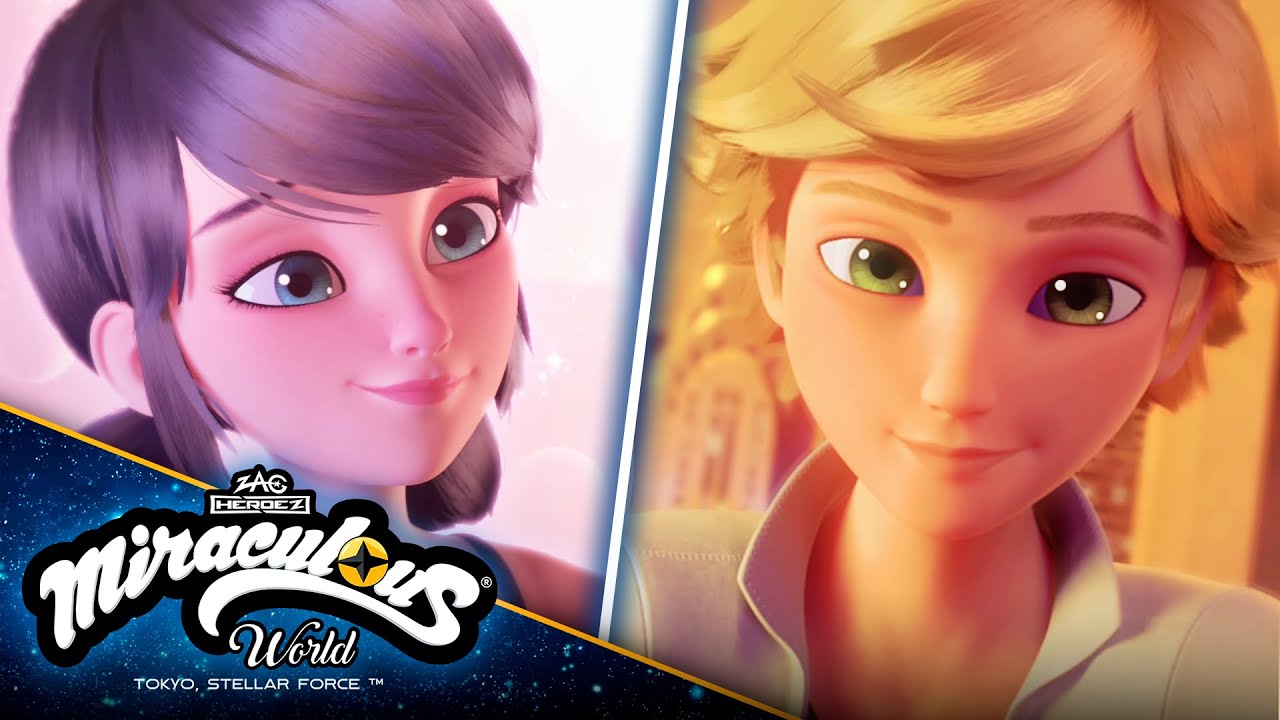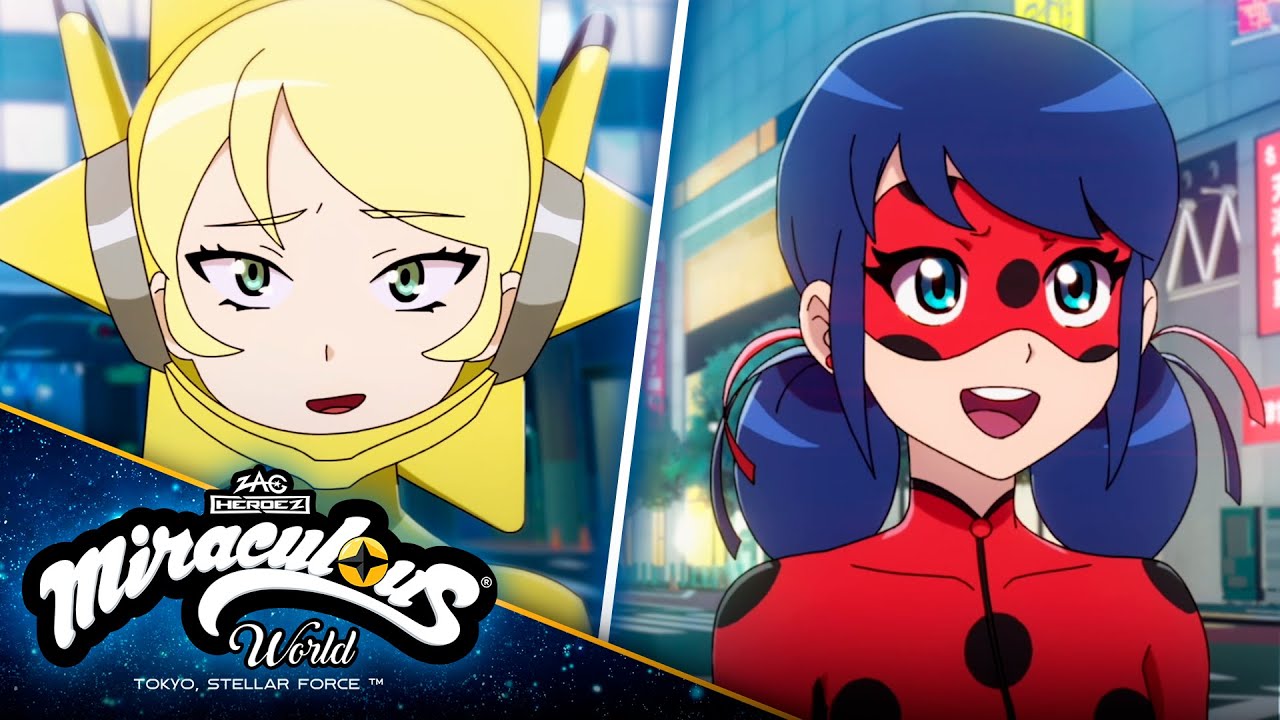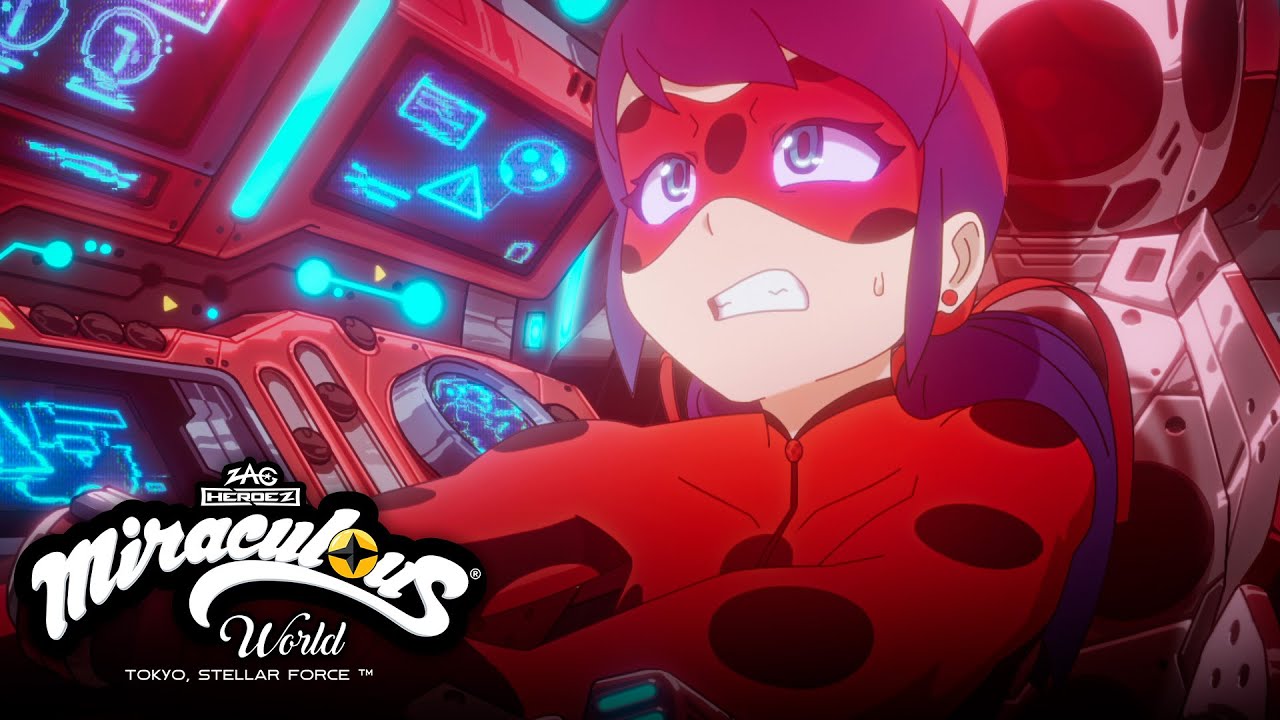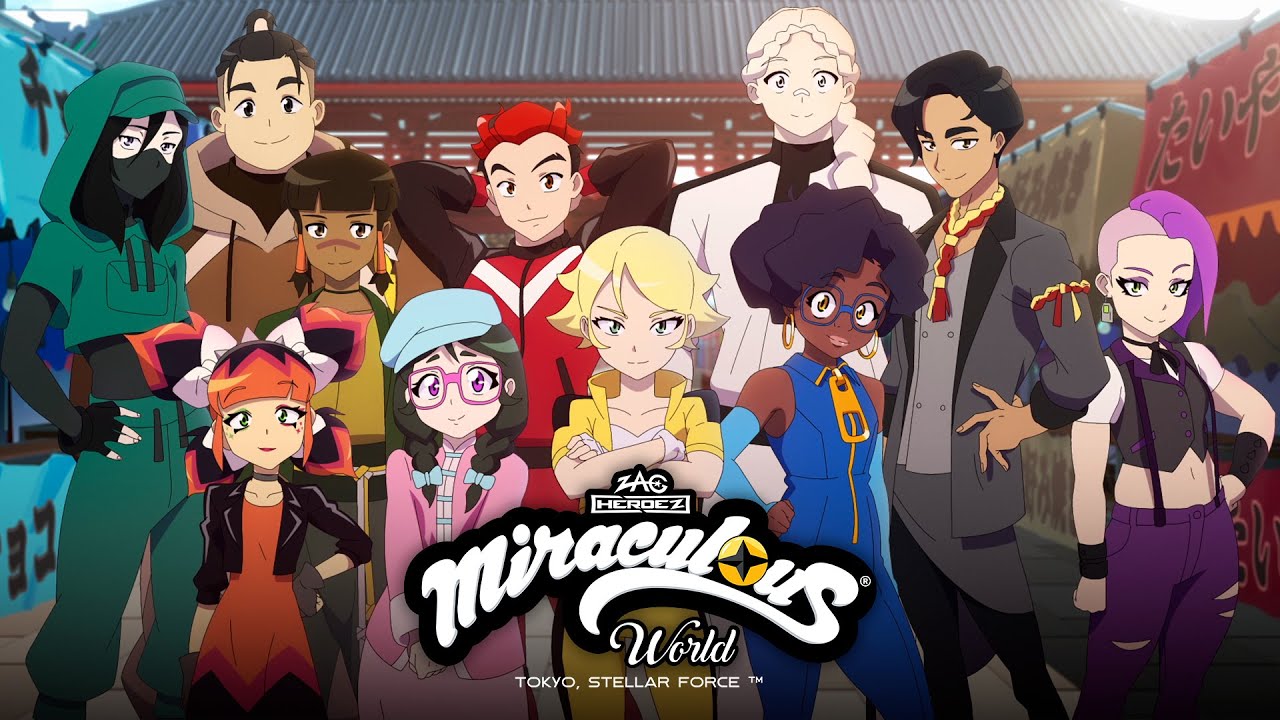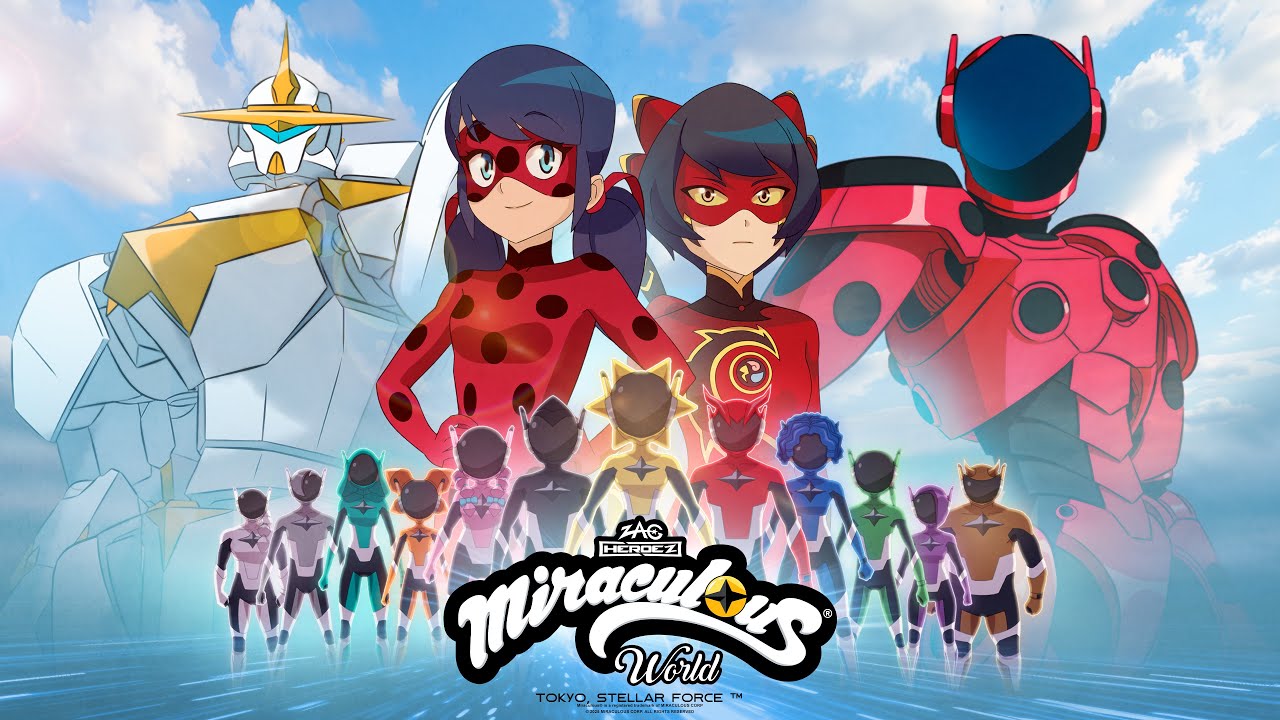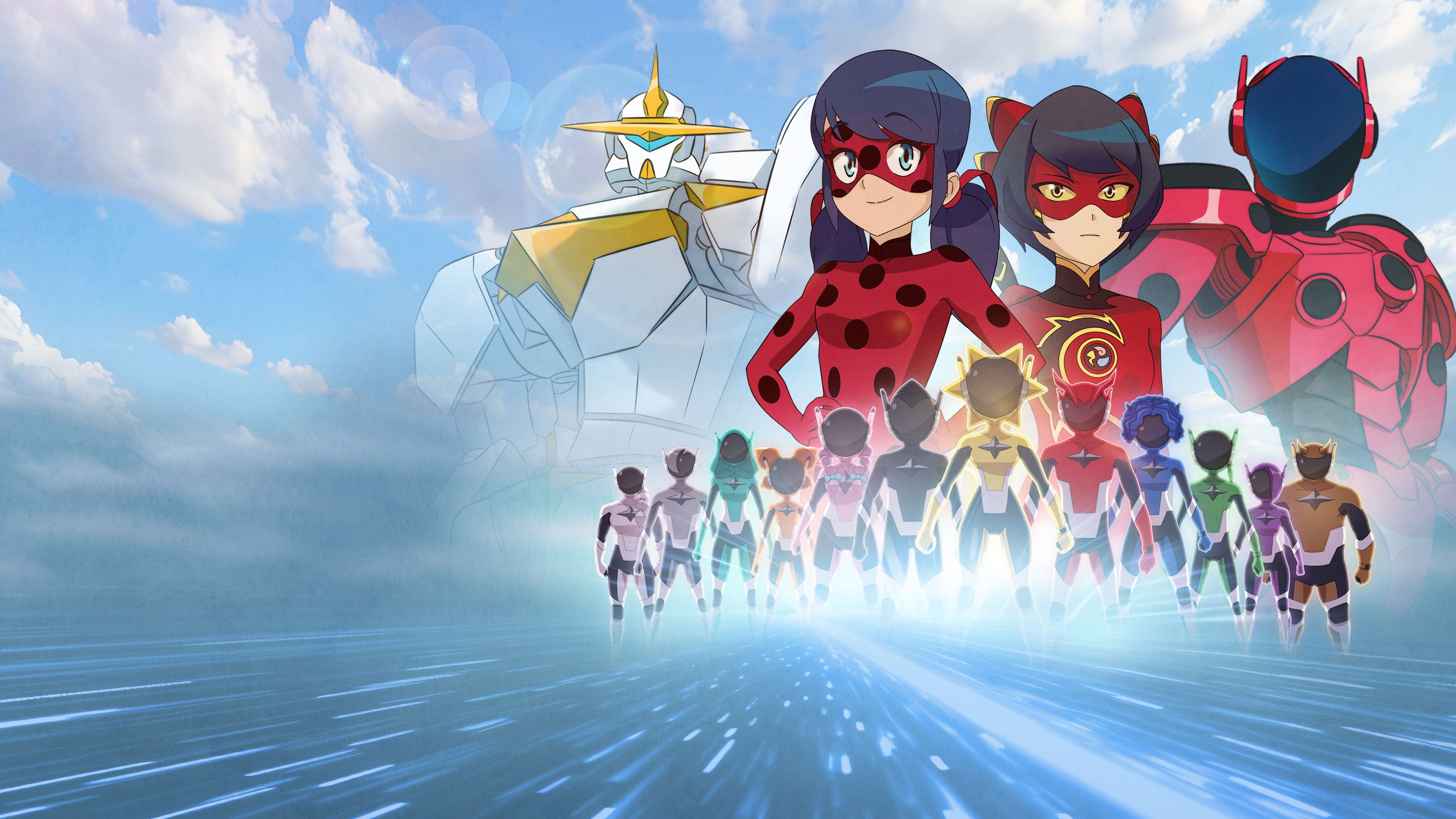
When Miraculous World: Tokyo, Stellar Force premiered in December 2025, it arrived at a fascinating crossroads in animated storytelling—a moment where beloved franchises were beginning to seriously experiment with international expansion and cultural fusion. What Thomas Astruc delivered wasn’t just a spinoff or a cash grab continuation; it was a thoughtful exploration of what happens when you transplant a cherished Parisian hero into an entirely different cultural landscape, both literally and thematically.
The film’s significance lies not in breaking box office records or chasing viral moments, but in how it fundamentally approached the question of franchise evolution. Running a lean 51 minutes, Tokyo, Stellar Force proved that you don’t need sprawling runtime or unlimited budgets to tell compelling stories within an established universe. Instead, Astruc compressed his vision into something focused and purposeful—a TV movie that felt neither rushed nor bloated, but precisely calibrated for its intended audience and platform.
What makes this collaboration particularly noteworthy:
- The pairing of Marinette and Kagami as co-leads rather than supporting characters represented a genuine shift in how the franchise valued its ensemble
- The introduction of a kaiju-inspired villain concept brought fresh visual stakes to a series that had, by necessity, relied heavily on formula
- The decision to set the story in Tokyo rather than creating a generic “international adventure” showed real commitment to specificity and cultural detail
The voice cast—Anouck Hautbois, Clara Soares, and Claire Baradat—brought something essential to this expansion. Rather than simply recreating the energy of previous Miraculous iterations, they helped ground these characters in a new context. There’s a subtle difference in how a character carries themselves when they’re operating outside their comfort zone, and the vocal performances reflected that displacement and growth. This wasn’t about recasting for the sake of it; it was about finding voices that could authentically inhabit characters experiencing genuine culture shock and adaptation.
> The 8.4/10 rating from early audiences speaks to something quiet but meaningful: people recognized that this wasn’t just more of the same, but they also understood and appreciated what it was trying to do.
What’s particularly interesting about Tokyo, Stellar Force is how it positioned itself within the broader animated action-adventure landscape of 2025. The film arrived during a period when Western animation was increasingly looking to anime aesthetics and storytelling sensibilities for inspiration. Astruc didn’t just borrow visual language; he seemed genuinely interested in exploring thematic resonance—questions about belonging, responsibility across cultural boundaries, and what it means when heroes must work within systems they don’t fully understand.
The creative infrastructure behind this project deserves recognition. ZAG Entertainment, Miraculous Corp., Bobbypills, La Chouette Compagnie, and Stim Studio represented a genuinely international collaborative effort—something that feels almost meta given the film’s own story about cross-cultural partnership. When you’re working with studios spread across different countries and production philosophies, the risk of diluted vision increases exponentially. Yet Tokyo, Stellar Force maintained a coherent directorial voice throughout, which speaks to Astruc’s clarity of purpose.
The film’s place in the franchise legacy:
- Established the template for how Miraculous could expand beyond Paris while maintaining narrative integrity
- Demonstrated audience appetite for character-driven stories over world-building excess
- Proved that 51 minutes could deliver meaningful character development and action coherence in ways that longer formats sometimes squander
The cultural impact of this film extends beyond its immediate viewership. By premiering on Disney Channel and subsequently coming to Disney+ in early 2026, it reached audiences who might never have engaged with the core Miraculous series, effectively introducing the franchise’s central characters and mythology to new demographics. More importantly, it signaled that international co-productions with distinctive regional settings were viable within mainstream animation’s commercial framework—a lesson that will likely influence how studios approach franchise expansion going forward.
There’s also something worth noting about the timing and pacing of Astruc’s decision to develop this story. Rather than rushing to capitalize on the franchise’s popularity, Tokyo, Stellar Force felt like a project that had been genuinely considered and carefully constructed. The plot—assembling Japanese heroes to face a villain capable of transforming civilians into kaiju—was both visually inventive and thematically resonant with Japanese storytelling traditions. It wasn’t appropriation; it was conversation.
The film may not have dominated box office conversations or accumulated massive streaming numbers, but its 8.4/10 rating from early audiences represents something more valuable in certain contexts: genuine appreciation from viewers who recognized craftsmanship and narrative purpose. In an era where algorithmic metrics often matter more than critical consensus, Tokyo, Stellar Force represents a different kind of success—the kind that builds lasting franchise loyalty and creative credibility rather than explosive short-term returns.
What lingers after watching is the sense that Astruc understood something crucial: that expansion doesn’t require abandonment of core identity. Marinette and Kagami remain themselves in Tokyo, but they’re changed by the experience of operating there. The film trusts its audience to understand that character growth and thematic depth matter more than maintaining comfortable familiarity. That approach to franchise storytelling, in an animated medium saturated with sequels and spinoffs, is genuinely worth celebrating.