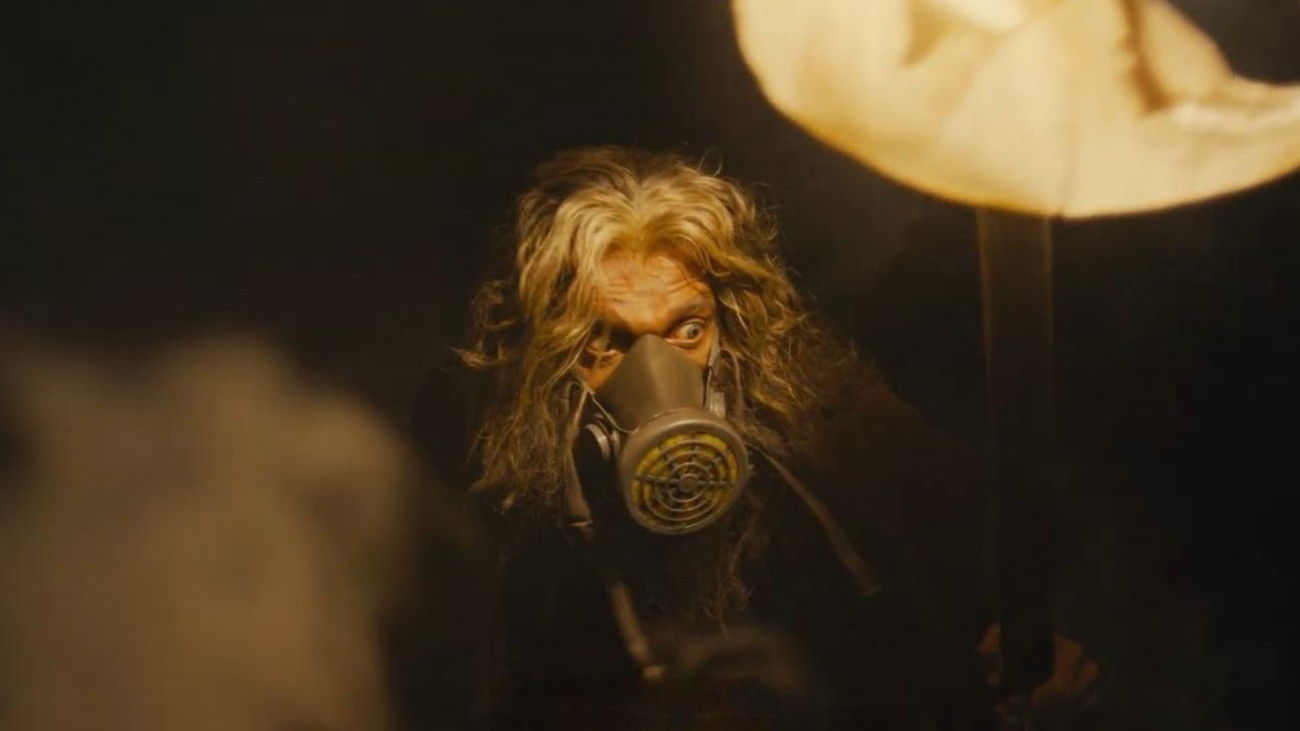
There’s something quietly compelling happening in the Indian film landscape right now, and Mayasabha: The Hall of Illusion sits at the center of it. Director Rahi Anil Barve is set to release his second directorial venture on January 30th, 2026, and even before the film hits theaters, there’s a palpable sense of anticipation building around this project. It’s the kind of buzz that suggests filmmakers are still willing to take creative risks in a space often dominated by formulaic storytelling.
What makes this particularly interesting is the creative partnership at play here. Javed Jaffrey, a versatile performer with a distinctive screen presence, is headlining the cast alongside Veena Jamkar and Deepak Damle—actors who bring their own gravitas to whatever project they commit to. This isn’t a star-studded ensemble built on celebrity alone; it’s a carefully assembled group that suggests Barve is prioritizing the material over marquee power. That kind of decision-making tells you something about the director’s confidence in his vision.
“The Hall of Illusion” as a subtitle carries real weight—it promises a narrative experience built on misdirection, perspective, and the unreliable nature of perception itself.
Rahi Anil Barve isn’t working from nowhere here. His track record demonstrates a filmmaker comfortable navigating complex thematic territory. With Mayasabha: The Hall of Illusion positioned as a Fantasy Thriller, he’s operating in a genre space that demands both visual imagination and narrative precision. The combination of these genres isn’t accidental—it’s a deliberate choice to explore how reality and artifice can blur, how truth can become subjective, and how fear can emerge from the uncertain spaces between what we see and what we believe.
The production details available so far reveal interesting choices:
- ZIRKON FILMS PVT. LTD. (Mumbai-based production) handling the project suggests a grounding in Hindi cinema’s traditional structures, yet the creative ambition suggests willingness to push those boundaries
- A runtime of 1 hour 44 minutes indicates a lean, efficient narrative—no meandering subplots, just focused storytelling
- The film is already in Released status with distribution confirmed for January 30th, 2026, meaning this isn’t vaporware or speculative announcement
What’s particularly notable is how the film is already generating conversation before audiences have actually experienced it. The teaser campaign suggests a team committed to building anticipation methodically rather than dumping the film into an oversaturated market. In an era where marketing often overwhelms substance, this approach feels almost radical.
The Fantasy Thriller designation also positions Mayasabha: The Hall of Illusion in interesting company. It’s not pursuing the mainstream multiplexe-bait formula that dominates Indian cinema, nor is it retreating into indie obscurity. Instead, it occupies that challenging middle ground—accessible enough to find an audience, ambitious enough to offer something they haven’t seen before. That’s where genuinely meaningful cinema often emerges, where filmmakers can take real risks without the paralyzing pressure of massive budgets or the invisibility of ultra-low productions.
- The Director’s Vision: Barve seems interested in exploring psychological territory—how perception shapes reality, how environments can become characters themselves, and how the fantastical can emerge from deeply human spaces
- The Cast’s Chemistry: Jaffrey, Jamkar, and Damle working together suggests ensemble dynamics that will likely carry significant narrative weight, not just serve as backdrop to spectacle
- The Genre Blend: Fantasy and Thriller work in tandem here—the fantastical elements serving to amplify psychological tension rather than distract from it
- The Thematic Promise: “The Hall of Illusion” promises exploration of manufactured realities and constructed truths
The film’s current 0.0/10 rating reflects a simple reality: it hasn’t been seen yet. Once January 30th arrives and audiences experience it, that slate will fill in. What matters now is the creative conversation it will spark—whether it succeeds or struggles, Mayasabha: The Hall of Illusion is positioned to ask questions about cinema’s relationship to reality, perception, and the stories we’re willing to believe.
In a landscape often criticized for playing it safe, Rahi Anil Barve is taking a deliberate swing at something different. He’s assembled a thoughtful cast, grounded the production in established industry infrastructure while maintaining creative autonomy, and positioned the film to explore territory that feels genuinely unexplored in contemporary Hindi cinema. That’s worth paying attention to. When the film releases later this month, it won’t just be another title in the crowded marketplace—it will be a genuine statement about what’s possible when filmmakers prioritize vision over formula.