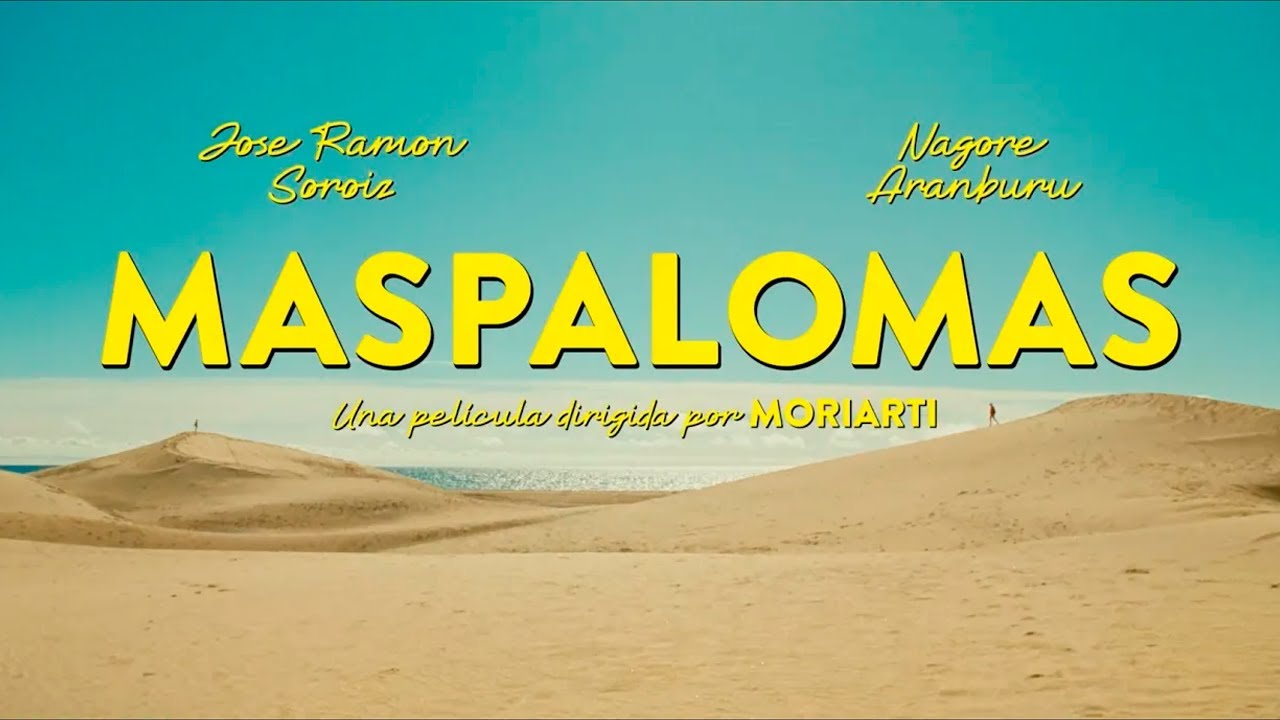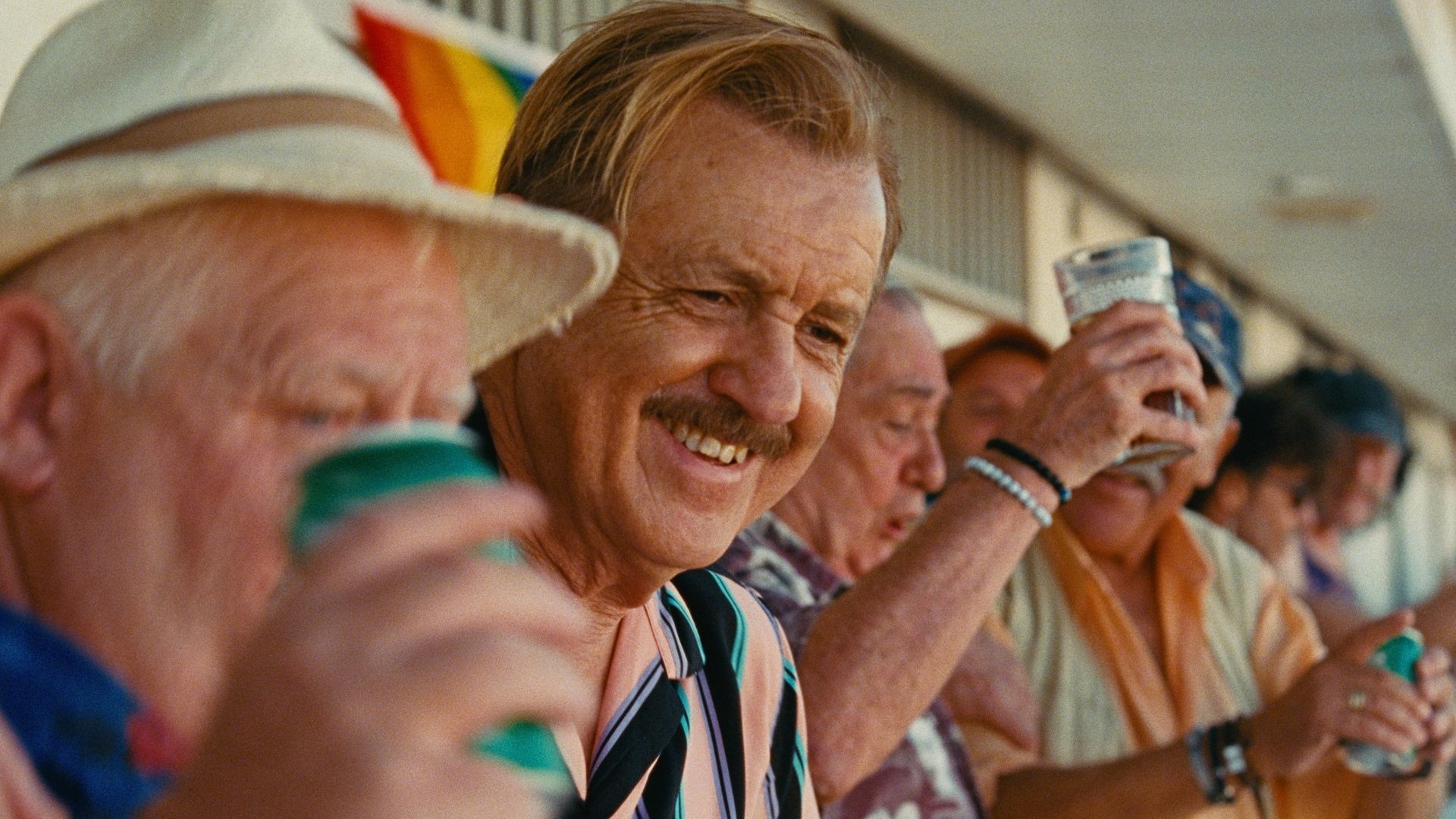
When Maspalomas premiered in September 2025, it arrived carrying something cinema had been waiting for—a film that looked directly at aging, queerness, and the quiet violence of invisibility. Director Aitor Arregi crafted a story that feels both deeply personal and urgently necessary, following Vicente, an elderly gay man who makes the devastating choice to hide his sexual orientation upon entering a nursing home. It’s the kind of premise that could feel heavy-handed in lesser hands, but Arregi’s direction transforms it into something far more nuanced and haunting.
What makes Maspalomas particularly significant is how it disrupts the comfort zone of LGBTQ+ cinema. We’ve become accustomed to seeing queer stories centered on youth, discovery, and liberation. But this film asks a harder question: what happens when you’re forced to erase yourself in your final years? That tension between the freedom Vicente once claimed and the cage he voluntarily returns to creates the emotional architecture of the entire picture. At just under two hours, Arregi uses every frame deliberately, building a narrative that breathes with the weight of accumulated trauma and regret.
José Ramón Soroiz delivers a performance that stays with you long after the credits roll. He inhabits Vicente with a kind of exhausted resignation that speaks volumes about internalized shame and survival. Soroiz doesn’t play this as a man making a rational choice—he plays him as someone who has learned, through decades, that discretion is safer than honesty. His eyes carry stories of a life lived partially, and watching him navigate the institutional spaces of the nursing home becomes almost unbearable in its authenticity. The supporting cast, including Nagore Aranburu and Kandido Uranga, create the ecosystem of characters that Vicente must navigate, each interaction a small negotiation with his own sense of self.
The critical reception—a solid 8.0/10 rating—doesn’t quite capture the film’s cultural impact, but it reflects something true: this is a film that resonates with serious intent. The most telling measure came at the San Sebastián International Film Festival in 2025, where Maspalomas didn’t just compete; it dominated. The film won the Sebastiane Award for Best Film, an accolade specifically honoring LGBTQ+ cinema of distinction. It also captured the Silver Seashell, cementing its status as one of the year’s most important Spanish contributions to world cinema.
But the real vindication came at the 2026 Goya Awards, Spain’s equivalent to the Oscars. The film conquered the Spanish Film Academy with nine nominations, a stunning achievement that speaks to the breadth of its artistic accomplishment. What’s remarkable is that these nominations didn’t come from a place of tokenism—this wasn’t an award season checking a box. Maspalomas earned its recognition because it excels across the board:
- Performance recognition for Soroiz’s vulnerable turn
- Direction that balances tenderness with unflinching realism
- Cinematography that transforms institutional spaces into metaphors
- Screenwriting that mines profound emotional truth from intimate observation
- Production design that captures the sterile loneliness of care facilities
What Maspalomas accomplishes is perhaps more important than any individual award: it forced a conversation about LGBTQ+ visibility in old age. The film doesn’t hide behind metaphor or artistic abstraction—it directly addresses what happens when queer individuals lose institutional power and must confront societies that never fully accepted them. This isn’t a comfortable film, and it shouldn’t be. It’s an indictment wrapped in a tragedy wrapped in a love story.
The legacy of Maspalomas will likely influence how future filmmakers approach stories of aging and sexuality. There’s a particular kind of courage required to make a film where the stakes feel both deeply personal and socially urgent—where the interior life of one man becomes a mirror for systemic failures. Arregi understood that the most political cinema isn’t always the loudest; sometimes it’s the quietest room, where an old man sits in silence and remembers what he had to throw away.
> The film stands at an intersection of intimate character study and social critique, proving that these modes aren’t mutually exclusive but rather dependent on each other for real power.
The production itself emerged from collaboration between Irusoin and Moriarti Produkzioak, Spanish production companies known for their commitment to socially conscious filmmaking. These weren’t studios chasing market trends; they were voices invested in stories that matter. The financial specifics—budget unknown, box office unknown—actually underscore something important: Maspalomas succeeded not because it was built for commercial consumption, but because it was built for truth.
What resonates most deeply about Maspalomas is its refusal to offer easy comfort. This isn’t a film about triumph over adversity or finding chosen family to replace the biological one that rejected you. It’s a film about the cost of survival, about the ways we betray ourselves to fit into spaces that were never designed for us. That Vicente is not redeemed by the end—that he remains trapped in his self-imposed silence—is the film’s most courageous choice. It respects its audience enough to refuse catharsis, to insist that some wounds don’t close, they just become part of how we move through the world.
As we move further into the 2020s, Maspalomas will likely be remembered as one of the films that shifted how cinema talks about queerness, aging, and institutional power. It’s a work that earns its recognition not through spectacle but through unflinching humanity, and that’s exactly the kind of cinema that endures.