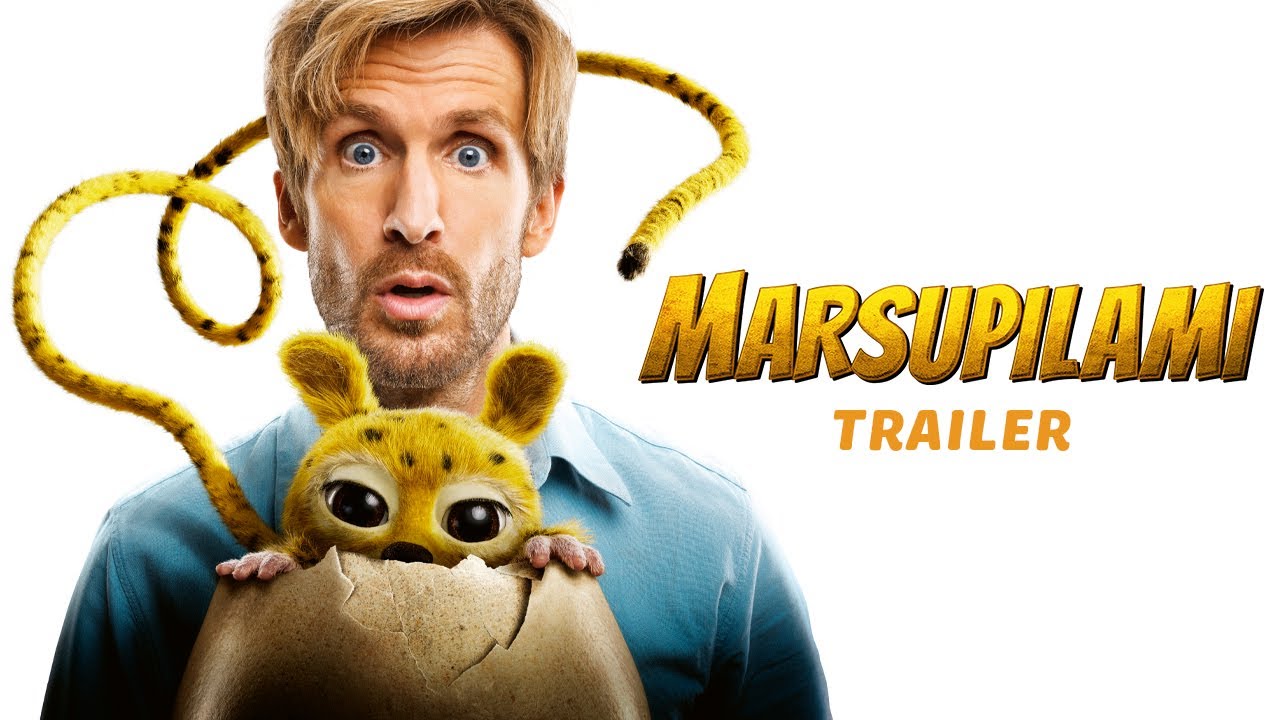
There’s something genuinely refreshing about a film that arrives with genuine optimism and creative ambition, and Marsupilami is shaping up to be exactly that kind of project. As this wacky French creature comedy prepares for its February 4th, 2026 release, the film represents something we don’t see often enough in contemporary cinema: a big-budget, family-friendly adventure that’s willing to embrace pure, unapologetic fun. With a production budget of $33.5 million and the backing of heavy hitters like Pathé and TF1 Films Production, this isn’t a passion project operating on a shoestring—this is a genuine bet on the power of imaginative storytelling.
What makes Marsupilami so anticipated right now is the convergence of multiple factors that suggest real potential. The film adapts a well-beloved comic book series that has resonated with European audiences for decades, which means there’s already an established fanbase watching closely. But here’s what’s truly exciting: Philippe Lacheau isn’t just directing this picture—he’s also starring in it, which signals a level of personal investment that rarely manifests in big-budget creature comedies. When a director of Lacheau’s caliber puts their own face front and center in a project, they’re essentially betting their credibility on its success. That kind of commitment tends to result in films that actually mean something to their makers.
The ensemble cast assembled here speaks volumes about the creative confidence surrounding the project. Beyond Lacheau himself, we have Jamel Debbouze and Tarek Boudali joining the cast—both are substantial comic talents with proven chemistry and star power in the French film industry. This isn’t some random assemblage of names; these are actors who understand timing, who know how to balance spectacle with genuine humor, and who have demonstrated an ability to ground fantastical narratives in real character work.
The film represents a fascinating moment in international cinema where European production values can rival anything coming from major Hollywood studios, yet maintain a distinctly regional sensibility that makes them feel fresh and unexpected.
What’s particularly intriguing about this project is how it fits into the broader cinematic landscape right now. French cinema has been experiencing a moment of real energy and innovation, and Marsupilami is positioned to be one of 2026’s major efforts to prove that domestic productions can pull audiences away from their screens and into theaters. In an era where international markets are increasingly fragmented, a film that unites family audiences with older demographics—which Pathé is explicitly targeting with this adaptation—becomes something with genuine cultural weight.
The production itself speaks to a level of technical ambition that shouldn’t be overlooked:
- Multi-studio collaboration: With five separate production entities involved (Pathé, Dupuis, BAF Prod, TF1 Films Production, and Artémis Productions), this represents a genuine pooling of resources and creative expertise across the French industry
- CGI creature focus: The Marsupilami itself—that whimsical, impossible creature—demands cutting-edge character animation that matches anything international audiences would expect from major releases
- Genre hybridity: Blending adventure with comedy, the film avoids the trap of being purely a kids’ movie or purely an action-spectacle, instead aiming for something that genuinely appeals across demographics
Philippe Lacheau’s directorial vision for this material is particularly noteworthy because he’s proven himself capable of handling both intimate comedic moments and larger-scale production logistics. His decision to place this story in an adventure-comedy framework rather than a pure children’s film suggests ambitions to create something with broader appeal and staying power. This is filmmaking that respects its audience’s intelligence while refusing to abandon the sense of wonder that makes creature features magical in the first place.
The excitement building ahead of the February 2026 release is palpable within the industry, and rightfully so. This is a film that could genuinely impact how European studios approach big-budget family entertainment going forward. If Lacheau and his collaborators succeed in bringing the Marsupilami to life in a way that resonates with audiences—capturing both the comic absurdity of the character and genuine adventure stakes—they’ll have created a template that other filmmakers will study and potentially follow.
Right now, with zero reviews on the board and the film still months away from release, we’re in that perfect moment of pure anticipation. There’s no critical consensus yet, no audience verdict, just the promise of what could be. And that promise—backed by real talent, substantial resources, and genuine creative vision—is precisely what makes Marsupilami one of the films worth keeping your eye on as 2026 approaches. This isn’t just another adaptation; it’s a statement about what European cinema can achieve when it commits fully to imagination and spectacle.