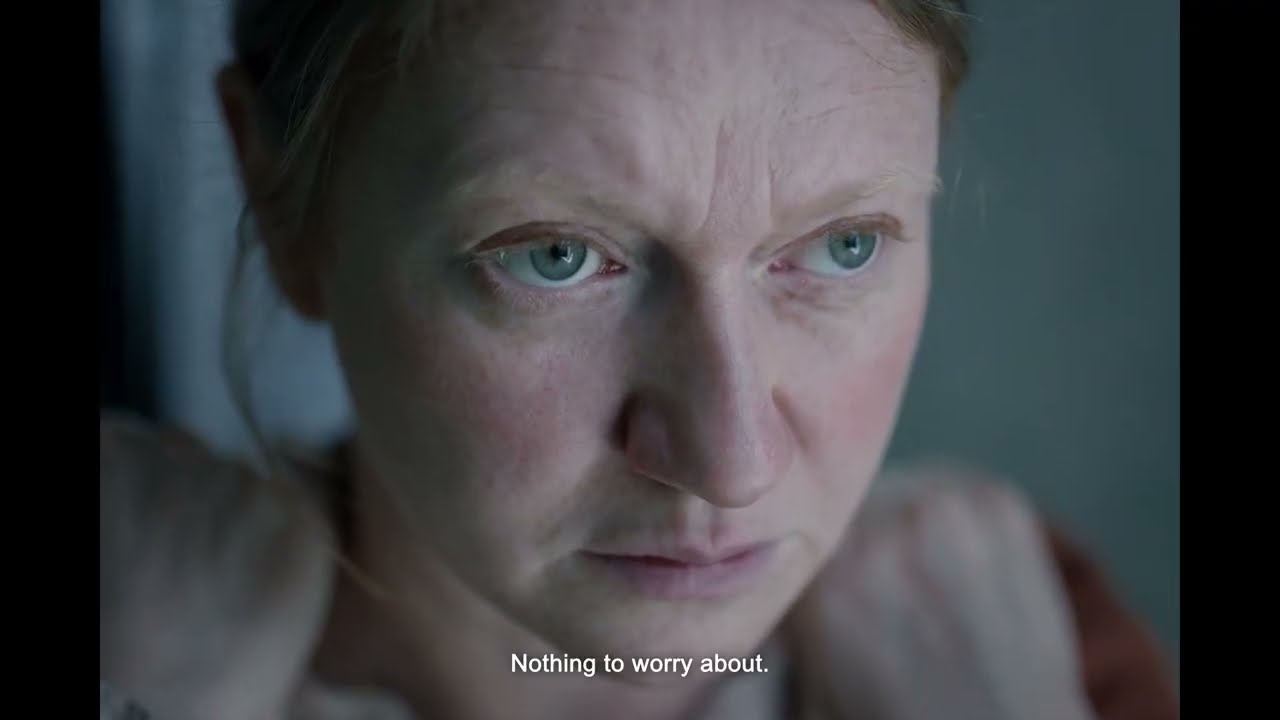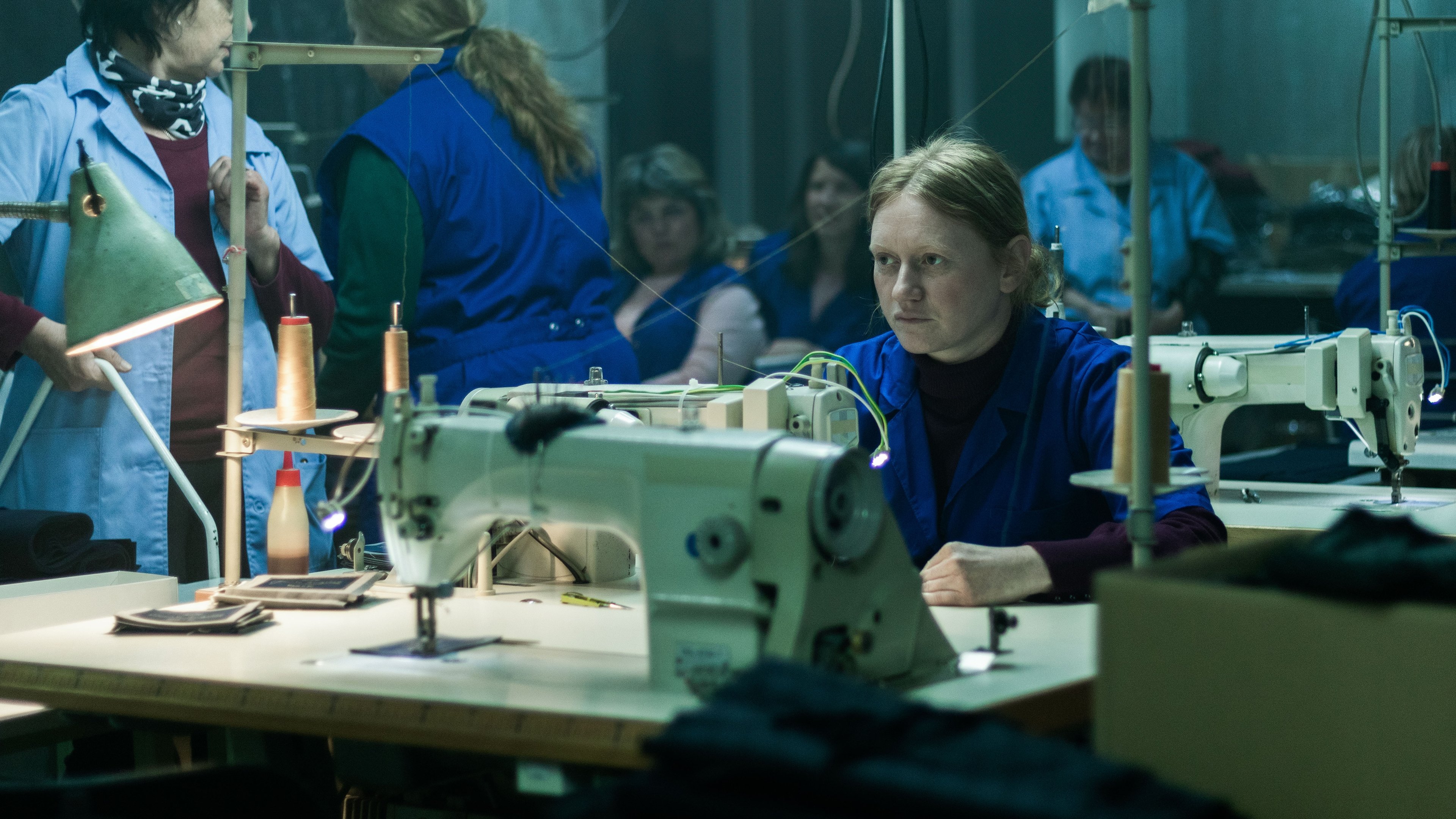
There’s something genuinely exciting brewing in the European film scene right now, and Made in EU is shaping up to be one of those projects that reminds us why we pay attention to cinema coming from outside the major studio ecosystem. When Stephan Komandarev steps behind the camera, you know you’re in for something thoughtful and substantive—and this forthcoming drama is set to release on February 19, 2026, arriving with the kind of quiet confidence that characterizes his best work.
What makes Made in EU particularly worth watching as it approaches its release is the convergence of several compelling elements. You’ve got Komandarev directing—a filmmaker whose previous work has shown a real gift for exploring the complexities of contemporary European life with nuance and emotional depth. This isn’t someone interested in easy answers or surface-level storytelling. The fact that he’s assembling a cast led by Gergana Pletnyova, Todor Kotsev, and Ivaylo Hristov suggests he’s prioritizing authentic performances over star power, which often signals serious artistic intent.
The collaborative infrastructure around this film is noteworthy too. You’ve got three production companies—Argo Film, 42film, and Negativ—pooling resources here, which speaks to how the Eastern European film community is increasingly finding strength through interconnected production networks. These aren’t just financial arrangements; they represent a kind of creative ecosystem that’s becoming increasingly vital as filmmakers navigate the complexities of making meaningful cinema in 2026.
The title itself—Made in EU—hints at something deliberately provocative about contemporary European identity and what it means to create, work, and exist within these interconnected borders.
At its core, Made in EU appears to be wrestling with questions that feel urgently relevant right now. The 109-minute runtime suggests a film that takes its time, that isn’t interested in rushing through exposition or emotional beats. There’s a deliberateness to that choice, a commitment to letting scenes breathe and relationships develop naturally. It’s the kind of pacing that often frustrates audiences looking for conventional narrative momentum, but it’s also the hallmark of filmmakers who trust their audience’s intelligence.
What this film is likely to explore:
- The lived experience of Europeans navigating an increasingly complex political and cultural landscape
- How national identity intersects with supranational institutions and bureaucratic realities
- The personal costs of economic integration and transnational labor
- Questions about belonging and alienation in contemporary Europe
Komandarev’s previous work has consistently demonstrated an ability to find the profound in ordinary moments. He’s the kind of director who understands that drama doesn’t require explosions or melodramatic reveals—it lives in the spaces between people, in the unspoken tensions and quiet revelations. Casting someone like Gergana Pletnyova suggests he’s found actors capable of communicating entire emotional landscapes through subtle shifts in expression and body language. Todor Kotsev and Ivaylo Hristov round out an ensemble that, on paper at least, seems thoughtfully assembled.
The fact that Made in EU is arriving with a 0.0/10 rating on this platform is simply reflective of its pre-release status—there’s no meaningful data yet because audiences haven’t experienced it. In some ways, that’s refreshing. There’s no hype cycle to resist, no conventional wisdom to push back against. We’re approaching this with genuine openness about what it might become.
Why this matters for cinema in 2026:
- It represents the continued vitality of smaller-budget, character-driven European cinema even in an increasingly globalized film market
- It demonstrates how regional production networks are enabling more ambitious storytelling outside traditional Hollywood frameworks
- It signals that there’s still space—and still audience hunger—for films willing to take intellectual and emotional risks
What’s particularly compelling about waiting for Made in EU is that it arrives at a moment when European cinema feels genuinely necessary. We’re living through significant economic, political, and social transformations across the continent, and artists like Komandarev are the ones positioned to help us process what these changes mean on human terms. His camera won’t offer platitudes or easy nationalism; it will likely offer something messier and more truthful.
The combination of Komandarev’s artistic vision, a cast selected for depth rather than recognition, and the thematic ambitions suggested by the title all point toward a film that’s genuinely trying to say something important about the world we’re inhabiting. When this film arrives in early 2026, it will arrive as the kind of cinema that reminds us why we believe in the medium in the first place—not as a delivery mechanism for entertainment or spectacle, but as a language for understanding ourselves and each other.