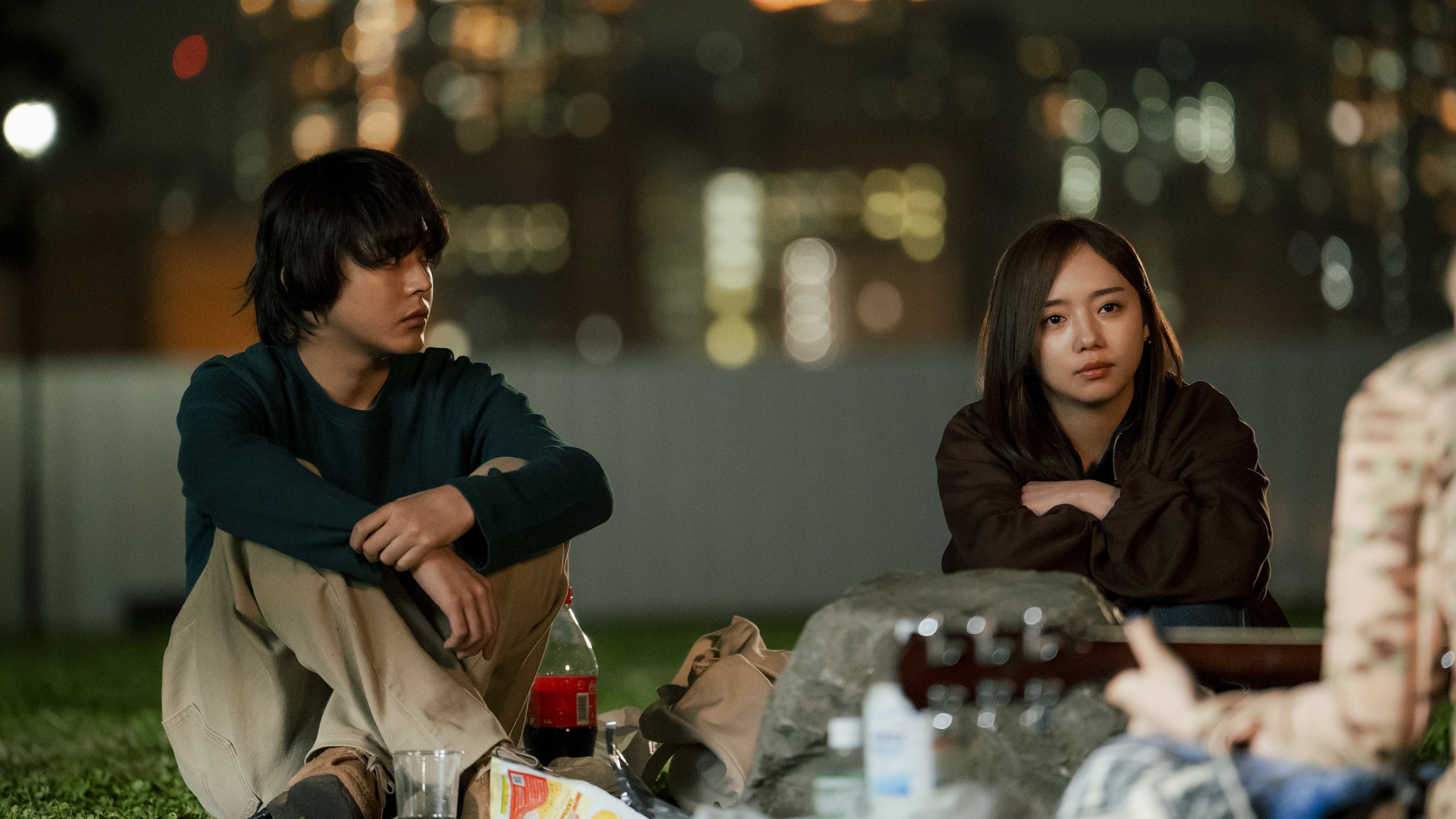
There’s something fascinating happening in the lead-up to Love on Trial, and it has less to do with typical romance film conventions and everything to do with Koji Fukada tackling one of the entertainment industry’s most controversial practices. Scheduled for release on January 23, 2026, this drama is set to arrive as a genuinely timely piece of cinema—one that’s already generating significant conversation even before audiences get to experience it firsthand.
Let me explain why this matters. The film centers on Mai, a rising J-Pop idol whose career faces imminent collapse the moment she commits what should be the most natural human act: falling in love. It sounds almost absurd when you say it out loud, but this is the reality baked into the contracts of countless young performers in Japan’s music industry. These “no-dating clauses” aren’t fictional invention—they’re documented, enforceable, and have destroyed real careers. Fukada isn’t creating drama for drama’s sake here; he’s shining a spotlight on systemic exploitation that deserves scrutiny.
The film premiered at the 2025 Cannes Film Festival, marking a significant validation of Fukada’s creative vision before its wider theatrical rollout. This wasn’t a quiet festival circuit premiere either—Love on Trial has been actively acquired and is heading toward theatrical distribution across multiple territories, with GDH handling the first-half 2026 release strategy.
What makes Fukada such a compelling choice for this project comes down to his track record and sensibility. He’s a filmmaker who understands how to layer social critique within intimate human stories. He doesn’t lecture audiences; instead, he trusts viewers to understand the weight of institutional pressure on individual desire. The combination of Kyoko Saito, Yuki Kura, and Kenjiro Tsuda in the cast suggests a film that’s less interested in star power and more focused on nuanced performance work.
The creative ingredients here are worth examining more closely:
- Koji Fukada’s direction bringing his characteristic attention to how systems oppress individuals
- A cast committed to understated, realistic performances rather than melodramatic spectacle
- A subject matter that intersects personal freedom, corporate control, and artistic labor
- The backing of major studios (TOHO, TOHO Studios) alongside independent producers, suggesting both commercial viability and creative independence
- A runtime of 2 hours 4 minutes that suggests room for character development beyond surface-level romance
The music and romance genres listed in the film’s classification are deliberate framings, but they operate almost as misdirection. This isn’t really a romance about two people falling in love in the traditional sense. It’s a drama about what happens when institutional power structures collide with human autonomy. The music element grounds us in Mai’s world—that suffocating, performative existence where every gesture is commodified and every relationship is a potential liability.
There’s something particularly relevant about timing here. We’re living in a moment where industries globally are being forced to reckon with labor exploitation, power imbalances, and the commodification of youth. Love on Trial is set to arrive directly into these conversations, offering a specifically Japanese lens on problems that feel increasingly universal.
What’s intriguing about the current rating of 0.0/10 is simply that it reflects the reality of a film that hasn’t yet been released. There’s no precedent, no audience verdict yet. That blank slate actually works in the film’s favor—it means the conversation will begin fresh when January 23, 2026 arrives. This isn’t a film riding on existing hype or franchise recognition. It will succeed or fail based on its artistic merit and its capacity to resonate with viewers who are paying attention to what it has to say.
The production lineup is notably international in its thinking, with involvement from Survivance and knockonwood alongside the major TOHO infrastructure. This kind of hybrid approach—combining resources and reach with the independence of smaller production companies—often yields films that have something genuine to express. There’s room for vision to flourish in these structures, if the director is strong enough to protect it.
What makes Love on Trial potentially significant isn’t just that it confronts a specific industry practice. It’s that it does so through the lens of a fundamental question about what we owe our performers as a society. When we consume entertainment, we’re consuming labor—often the labor of young people with limited agency and significant vulnerability. Mai’s struggle becomes a mirror for viewers to examine their own complicity, their own consumption patterns, and their own understanding of fairness.
The film will likely spark important conversations when it reaches theaters. Not because it’s preachy or didactic, but because Fukada seems committed to letting the human cost of these systems speak for itself. That’s the kind of cinema that lingers. That’s the kind of film that matters not just in January 2026, but in the years beyond, as a document of a specific moment when these conversations were finally reaching broader audiences.


![Exclusive clip [Subtitled]](https://img.youtube.com/vi/z0HB7znvuV8/maxresdefault.jpg)