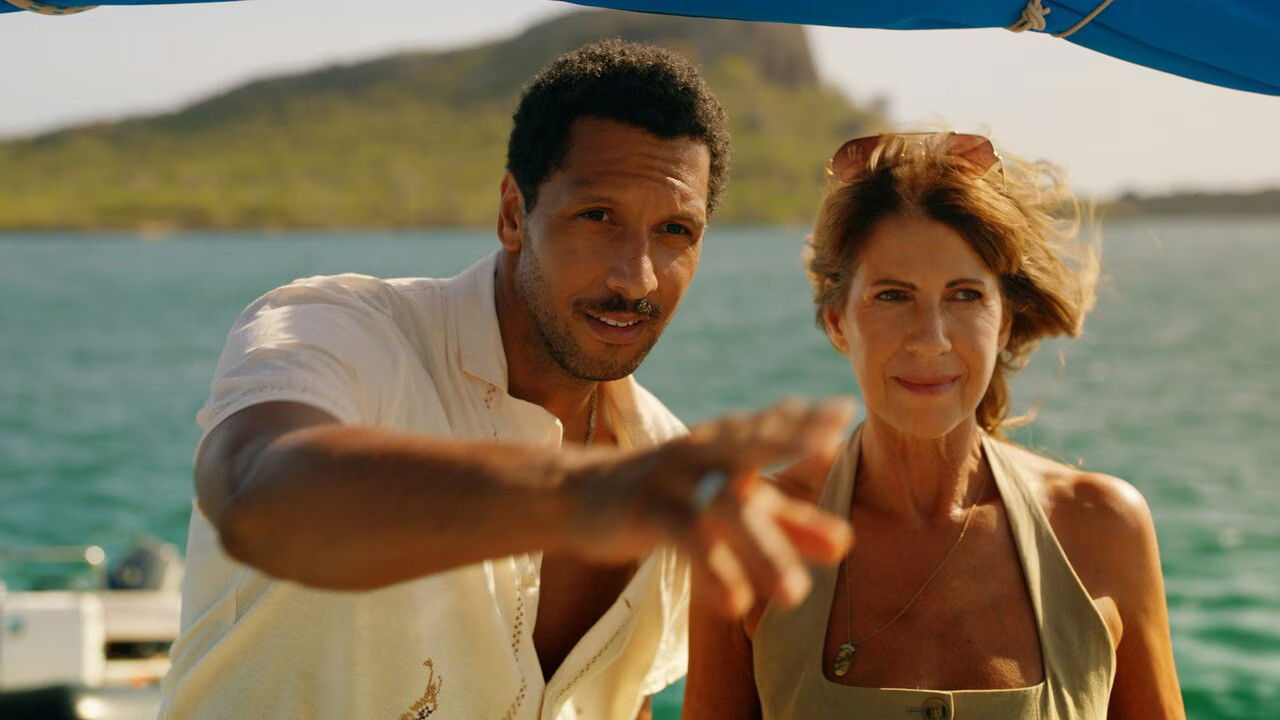
There’s something genuinely exciting about a film that arrives with the specific mission of putting a place on the map—and Love in Curaçao is shaping up to be exactly that kind of project. Scheduled for release on January 29, 2026, this Dutch romantic comedy is set to introduce audiences worldwide to the vibrant island setting while delivering the kind of charming, character-driven storytelling that the romance genre does best when it’s done with heart. What makes this particularly noteworthy is how it’s being positioned not just as entertainment, but as a cultural ambassador, with local tourism organizations already rallying around it as a showcase for why Curaçao deserves a spot on everyone’s radar.
Director Johan Nijenhuis is bringing his vision to what feels like a passion project for the entire production. Working through his own production company, Johan Nijenhuis & Co, he’s crafted something that goes beyond the typical rom-com formula. The fact that this is independent production—not some studio-backed venture—speaks to a certain creative freedom and personal investment that often results in films with genuine character and authenticity. Nijenhuis clearly understands the assignment: blend romance, comedy, and location in a way that makes audiences fall in love with all three simultaneously.
The casting choices reveal a lot about the film’s ambitions. Isa Hoes, Fedja Louman, and Ghislaine van IJperen form a compelling ensemble that suggests Nijenhuis prioritized chemistry and acting depth over star power alone. These are seasoned performers who know how to navigate the tonal balance that romantic comedies demand—the ability to land genuine emotional beats while maintaining comedic timing. There’s a real sense that this cast was chosen for their ability to bring nuance to what could easily become stock characters in less capable hands.
The film arrives at a fascinating moment in cinema, where audiences are increasingly hungry for stories that celebrate specific places and cultures while remaining universally relatable.
What makes this release particularly well-timed has everything to do with the current landscape. We’re seeing a renaissance of location-based storytelling, where the setting becomes almost a character itself. Curaçao, with its distinctive architecture, culture, and Caribbean charm, offers rich visual and narrative possibilities. The island has been gaining significant tourism recognition recently, which creates a unique synergy—Love in Curaçao isn’t just arriving in a vacuum; it’s entering a conversation about Curaçao as a destination, which only amplifies its potential cultural impact.
The two-hour runtime suggests Nijenhuis has given himself room to breathe with the narrative. This isn’t a lean, stripped-down rom-com; it’s a film that seems committed to properly developing its characters and their world. In an era when films sometimes rush through emotional arcs, there’s something refreshing about a project that’s willing to take its time with storytelling. The generous runtime indicates confidence in both the material and the performers.
Here’s what we can reasonably expect from this collaboration:
- A genuinely rooted sense of place: Rather than using Curaçao as a pretty backdrop, the film appears designed to integrate the island’s culture, rhythm, and character into the narrative itself
- Character-driven comedy: With this particular cast, expect humor that emerges from genuine human interaction rather than forced comedic set pieces
- Emotional authenticity: The romantic elements should feel earned rather than manipulative, giving audiences something real to invest in
- Visual storytelling: The Caribbean setting provides natural opportunities for cinematography that could elevate the entire film
The fact that it’s “Coming Soon” status has already generated buzz through tourism boards and local film festivals speaks volumes. The Curaçao International Film Festival Rotterdam is already planning coverage and screenings, suggesting institutional confidence in the project’s quality and significance. This isn’t a film that’s quietly slipping into release; it’s being positioned as an event.
Of course, it’s worth noting that with a 0.0/10 rating currently, we’re looking at a film that hasn’t yet faced public judgment. That blank slate is actually valuable—it means there’s genuine anticipation and uncertainty, which is healthier for cinema than the alternative. Audiences will come to this film with open minds, ready to discover it rather than arrive with preconceived notions.
What this film potentially means for cinema in 2026 extends beyond just romantic comedy enthusiasts. It represents a specific kind of filmmaking: independent, regionally rooted, culturally conscious, and unafraid to celebrate beauty and connection. In a year that will likely see plenty of franchise sequels and high-concept studio projects, Love in Curaçao offers something different—the kind of film that reminds us why we fell in love with movies in the first place.
The real test will come when audiences actually experience it on January 29th. Will Johan Nijenhuis’s vision translate effectively? Will Hoes, Louman, and van IJperen create chemistry that transcends the screen? Will Curaçao itself become as much a character as any actor in the cast? These are the questions that will ultimately define whether this film becomes a minor curiosity or something more enduring. Based on what we know so far about the creative team, the ambitions, and the cultural moment it’s entering, there’s every reason to believe we’re looking at something worth paying attention to.